The Story
Why it exists.
The beginning
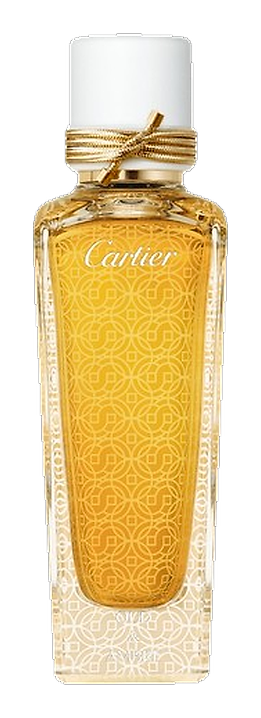
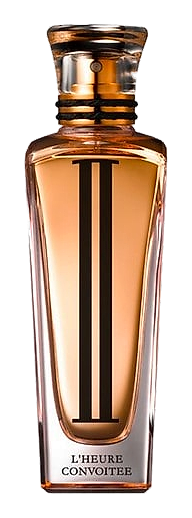
L'Heure Convoitee arrived in 2011 from Cartier's in-house perfumer Mathilde Laurent, part of the Les Heures de Parfum collection. The fragrance captures that charged moment when desire becomes almost tangible, when wanting something shifts from abstract to urgent. Laurent approached the brief with a focus on closeness, creating a scent that speaks quietly rather than announces. The result is a perfume that settles close to the skin, the kind you lean in to share rather than project across a room. It's the private side of perfumery, made for the wearer and whoever happens to be standing near enough to catch it.
Chestnut cream as a note is unusual. It shows up rarely enough that when it does, the fragrance either leans into nostalgia or takes an unexpected turn. Here, with clove and red rose, the chestnut becomes the bridge, warm where the clove is sharp, sweet where the rose could be austere. The carnation and iris add a powdery depth that feels retro without being dated. Strawberry in the heart is a surprise, fruit that doesn't shout, just softens the spice into something plush.
The evolution
The opening hits with clove first, that warm, slightly medicinal spice that announces itself before anything else. Red rose follows within minutes, not as a delicate floral but as something with body. The chestnut cream appears as the top settles, turning the composition nuttier and softer. By the heart, the carnation and iris have arrived, and the strawberry adds a quiet fruitiness that keeps everything from getting too serious. The drydown brings rose and iris together, powdery and close to skin, with the clove still faintly present like a memory of the opening. Moderate sillage means it stays intimate, worn for the wearer and whoever matters.
Cultural impact
Les Heures de Cartier: L'Heure Convoitee II exists in a lineage of fragrances that refuse to apologize for their complexity. The combination of clove, red rose, and chestnut cream creates something that sits outside the traditional floral wheel. This is not a safe rose or a polite spice. The clove here is bold and assertive, cutting through with its warm, slightly medicinal character. Red rose brings body and depth rather than delicacy, while the chestnut cream adds a nutty, velvety softness that rounds the edges. Together these notes create a scent that feels intimate rather than impressive, personal rather than universally appealing.