White Rose Bud
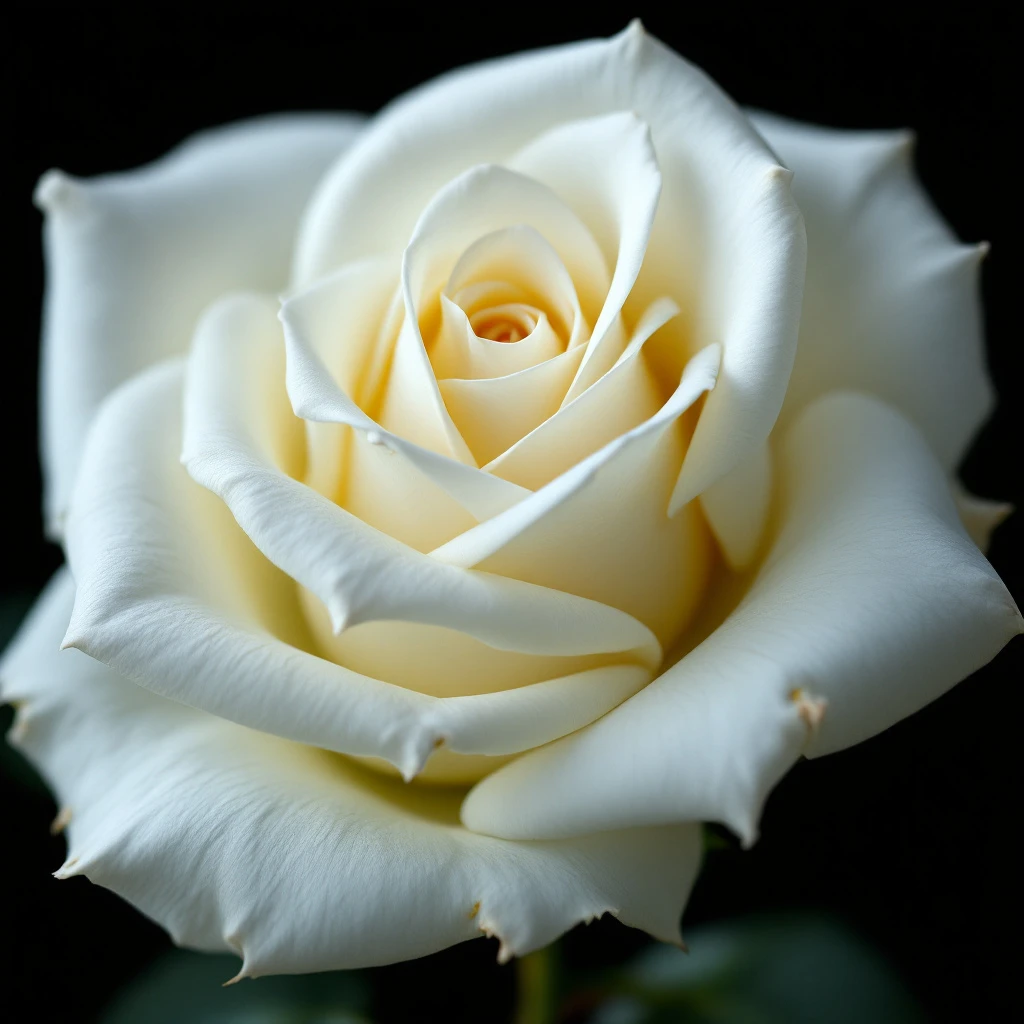
White rose bud captures rose at its most restrained: a fresh, dewy, slightly green scent that feels like petals after morning rain. This subtle expression of the queen of flowers has anchored fine perfumery for centuries.
Character
How it smells
The quiet elegance of rose at its most restrained.
Rosa x alba, the white rose hybrid, carries chromosomes from both Rosa gallica and Rosa canina, a genetic duality that shapes its distinctive, lighter fragrance.





Origin
Bulgaria
White roses have held meaning across ancient civilizations. Persians, Egyptians, Greeks, and Romans all prized roses for cosmetics, medicine, and ceremony. The Romans scattered rose petals at banquets, bathed in rose water, and used rose oil in funeral rites. Byzantine texts document Constantinople as a center of rose cultivation and trade.
Under Ottoman rule, the Bulgarian Rose Valley became the world's premier source of rose products, a legacy that continues today. Rosa x alba emerged as a distinct hybrid during European cultivation, valued for its white petals and gentler fragrance compared to deep red Damask varieties. Monasteries and estate gardens across France, the Netherlands, and England grew white roses through the Middle Ages for medicinal preparations. By the seventeenth century, French and English perfumers began selecting white rose for its subtlety in blended compositions.
The pale petals symbolized innocence and spiritual devotion across European traditions. White wreaths adorned brides and sacred spaces. This quiet flower quietly shaped the trajectory of fine fragrance, its contribution subtle but lasting.
Wears it best
Fragrances featuring White Rose Bud
Brands
Brands known for White Rose Bud
Good to know
Questions, answered
The essentials on White Rose Bud in perfumery: how it smells, where it comes from, and how it behaves on skin.
Why do perfumers prefer white rose bud over fully opened roses?
Early-stage buds contain higher concentrations of certain volatile compounds that dissipate as the flower opens. Harvesting before full bloom captures a fresher, greener, and more nuanced scent profile. This makes white rose bud particularly valued in fine perfumery for its delicate complexity.
How does white rose absolute differ from Damask rose absolute?
White rose absolute presents a lighter, greener, and less honeyed character compared to Damask rose. Damask carries deep, rich sweetness, while white rose offers restraint and subtlety. Perfumery houses often use white rose when building transparent, airy compositions.
Can white rose produce rose otto through steam distillation?
No. White rose yields minimal aromatic material through steam distillation, so perfumers rely exclusively on solvent extraction to obtain the absolute. Damask rose, by contrast, produces both rose otto and absolute.
What gives white rose its distinctive green, dewy quality?
Green leaf alcohols like cis-3-hexenol and phenylethyl alcohol derivatives create that fresh-cut quality. These compounds evoke wet vegetation and morning dew, giving white rose a natural garden character that distinguishes it from other rose varieties.
How does white rose blend with modern synthetic ingredients?
White rose absolute adapts well to contemporary fragrance construction. It layers cleanly with synthetic musks, aldehydes, and modern aromachemicals while maintaining its natural character. This versatility has made it a staple in both artisan and commercial fine fragrance.
What fragrances traditionally feature white rose bud as a primary ingredient?
White rose appears in numerous classic and modern fragrances across chypre, floral, and green families. Historical formulations used white rose as a heart note bridge between citrus top notes and deeper base materials. Modern perfumers continue this tradition with updated compositions.
What regions produce the finest white rose for perfumery?
Bulgaria leads global production from the Rose Valley, where microclimate and centuries of cultivation expertise create ideal growing conditions. France and Morocco also produce quality white rose absolutes, each with subtle regional character differences.
Why is white rose associated with innocence and ceremony?
European traditions dating to medieval times linked white roses with purity and sacred spaces. Brides wore white rose wreaths, churches displayed white roses at altars, and funeral rites incorporated white petals as symbols of devotion. This heritage informs its continuing use in ceremonial contexts.




