Water Lily Leaf
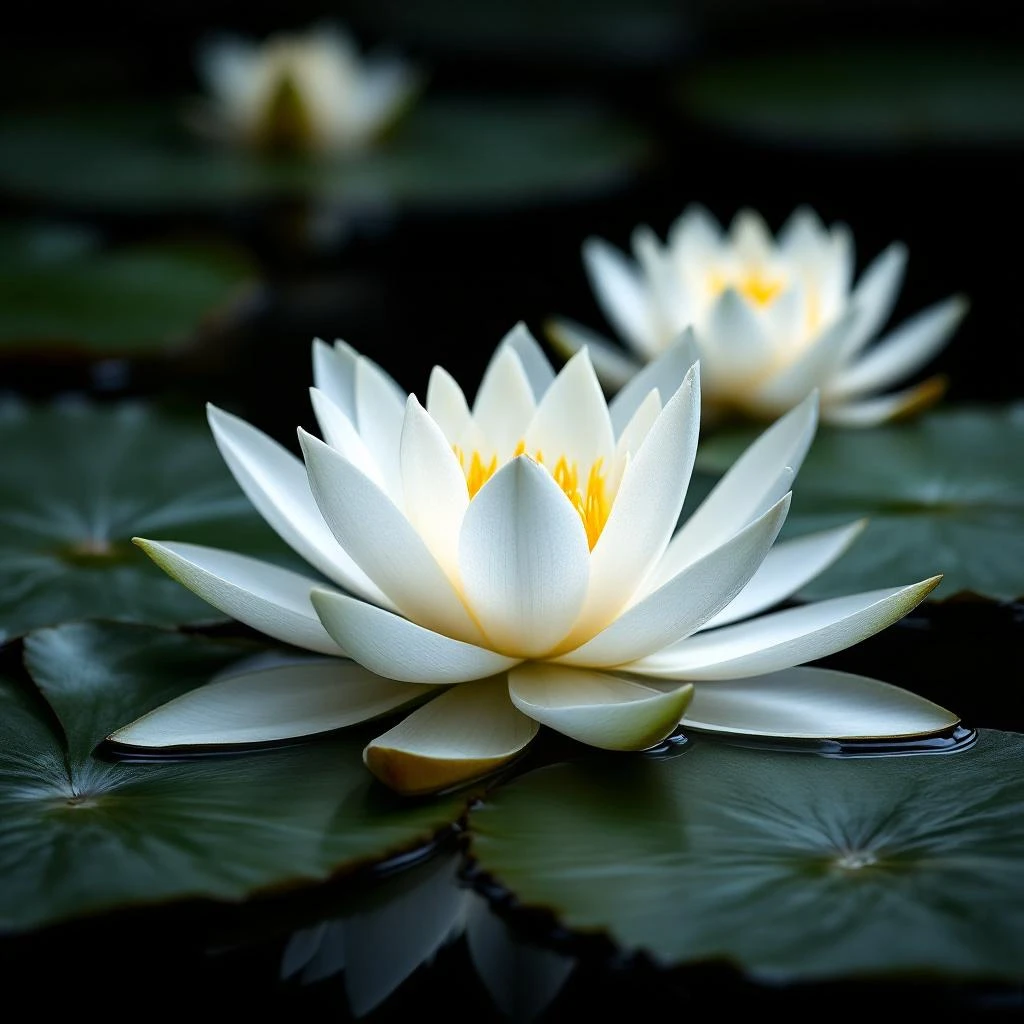
Water lily leaf is a perfumer's illusion, a green, waxy, mineral-cool note built entirely in the laboratory. No commercial essential oil exists. The scent is reconstructed from green-leaf synthetics like Undecavertol and stemone, blended with watery musks and aldehydes to evoke a still pond at dawn.
Character
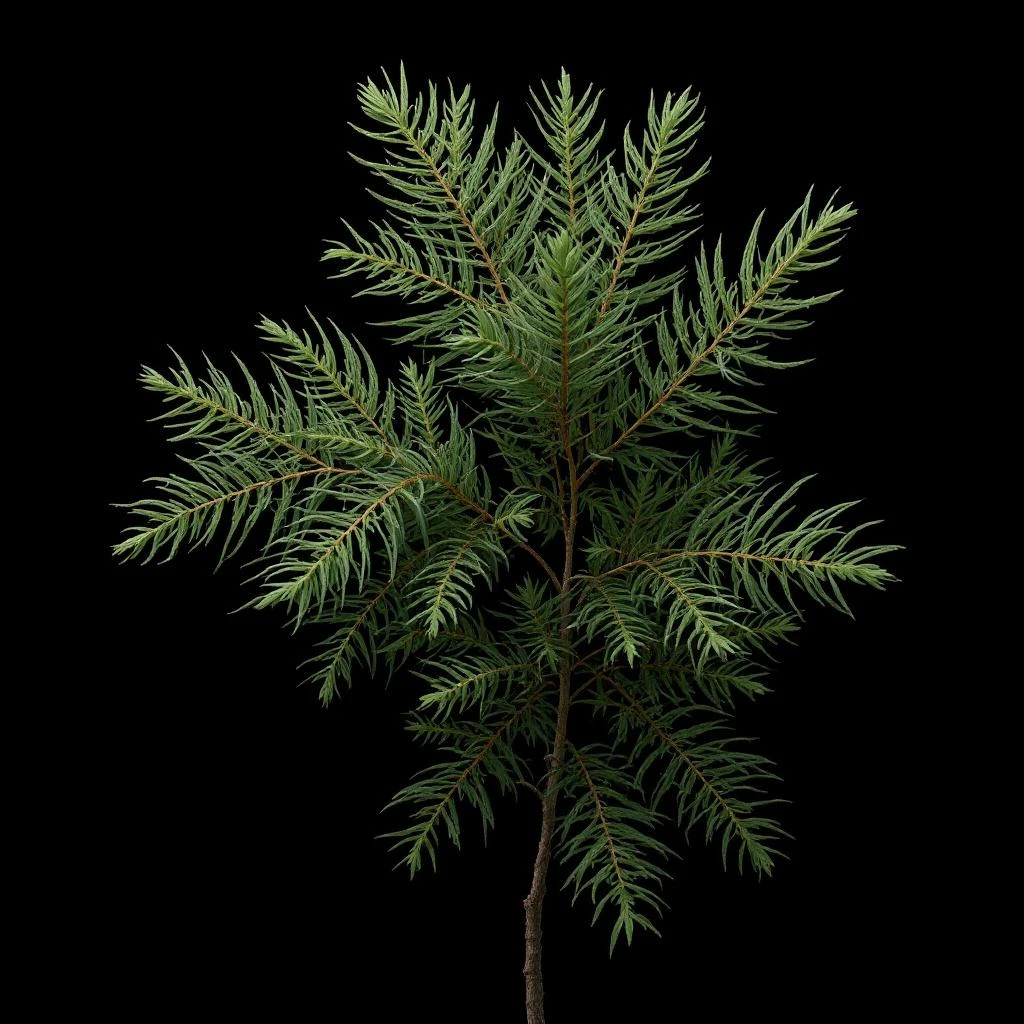
How it smells
A reconstructed pond in a single accord.
Despite appearing in countless aquatic fragrances, water lily leaf has never been commercially extracted; the entire note is a perfumer's reconstruction using synthetic green-leaf molecules and waxy materials.
Origin
Switzerland
Water lily leaf as a distinct perfumery note is a relatively modern invention, born from the 20th-century boom in synthetic aroma chemistry. While water lilies have appeared in art and literature for millennia, their scent never translated easily into a bottle; the flowers are delicate and yield almost nothing to distillation.
It was only after the rise of green-leaf aldehydes like phenylethyl alcohol and the discovery of Calone in the 1960s that perfumers could convincingly evoke the sensation of leaves resting on water. The aquatic fragrance trend that followed, exemplified by Davidoff Cool Water (1988) and later flankers across the category, pushed water lily leaf accords into mainstream vocabulary.
Earlier 20th-century Grasse had experimented with freesia and hyacinth to suggest lily-of-the-valley-like green floral notes, laying groundwork for the green-aquatic vocabulary that would later absorb water lily leaf as a staple. Today the note anchors fresh, watery compositions from masculine sport fragrances to unisex summer editions, a quiet testament to how synthetic chemistry expanded the perfumer's palette beyond what nature could provide.
Wears it best
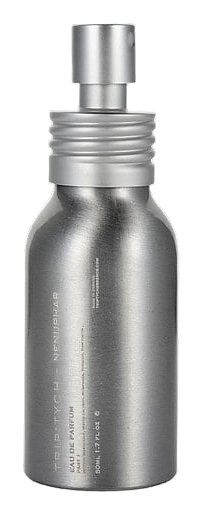
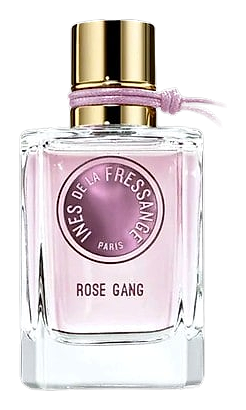
Fragrances featuring Water Lily Leaf
Brands
Brands known for Water Lily Leaf
Good to know
Questions, answered
The essentials on Water Lily Leaf in perfumery: how it smells, where it comes from, and how it behaves on skin.
Is water lily leaf extracted naturally?
No. There is no commercial essential oil or absolute of water lily leaf. The note is a perfumer's reconstruction built from green-leaf synthetics like Undecavertol, waxy aldehydes, and watery musks such as Calone to evoke the scent of a floating leaf.
What does water lily leaf smell like?
It smells green, waxy, and mineral-cool, with a slightly bitter crushed-foliage character. Perfumers blend it with watery musks to suggest a still pond surface, an effect almost entirely synthetic in origin.
Why can't water lily leaf be distilled?
The leaves contain negligible volatile oil and yield almost nothing through steam distillation or solvent extraction. For this reason, the entire perfumery note is built from aroma chemicals rather than natural isolates.
Which synthetics create the water lily leaf effect?
Key contributors include Undecavertol and stemone for green leaf, nonanal for waxy stem, and Calone for the watery, oceanic facet. Together they approximate the cool, still pond character the natural plant cannot supply.
When did water lily leaf become popular in perfumery?
The note rose to prominence with the aquatic fragrance trend of the late 1980s and 1990s, following the 1966 discovery of Calone. Compositions like Davidoff Cool Water (1988) helped establish the green-aquatic vocabulary it anchors today.
Is water lily leaf the same as lily of the valley?
No. Water lily leaf is a green-aquatic accord, while lily of the valley (muguet) is a white-floral note traditionally built around hydroxycitronellal and lilial. They share no botanical or olfactory family in modern perfumery.
Are water lily leaf fragrances safe for skin?
Yes, when formulated within IFRA standards. The note relies on approved synthetic aroma chemicals rather than natural extracts, and modern aquatic compositions are subject to the same dermatological testing as any fine fragrance.
Which fragrance houses produce water lily leaf materials?
Major aroma-chemical producers include Givaudan, Firmenich, and Symrise, all based in Switzerland and Germany. They supply the green-leaf and aquatic synthetics that perfumers blend into water lily leaf accords.