Warm Cedar Wood
Cedarwood anchors fragrance bases with creamy warmth and dry, resinous depth. Sourced from Atlas and Virginia varieties, it gives compositions structure that lingers from morning into evening.
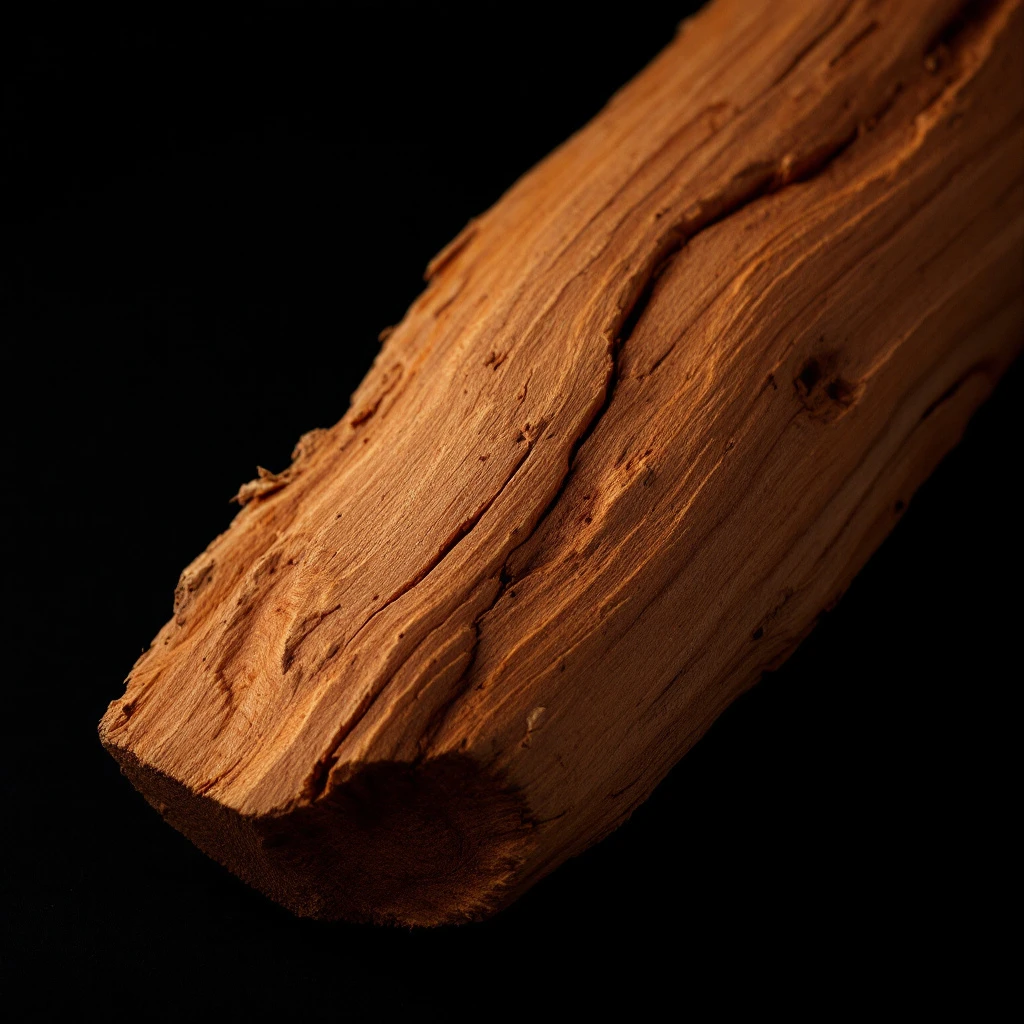
Character
How it smells
The dry, creamy backbone of woody perfumery
Cedarwood is among the oldest perfumery ingredients on record, with oil extracted from wood, roots, and leaves since ancient Middle Eastern times.
Pairs beautifully with

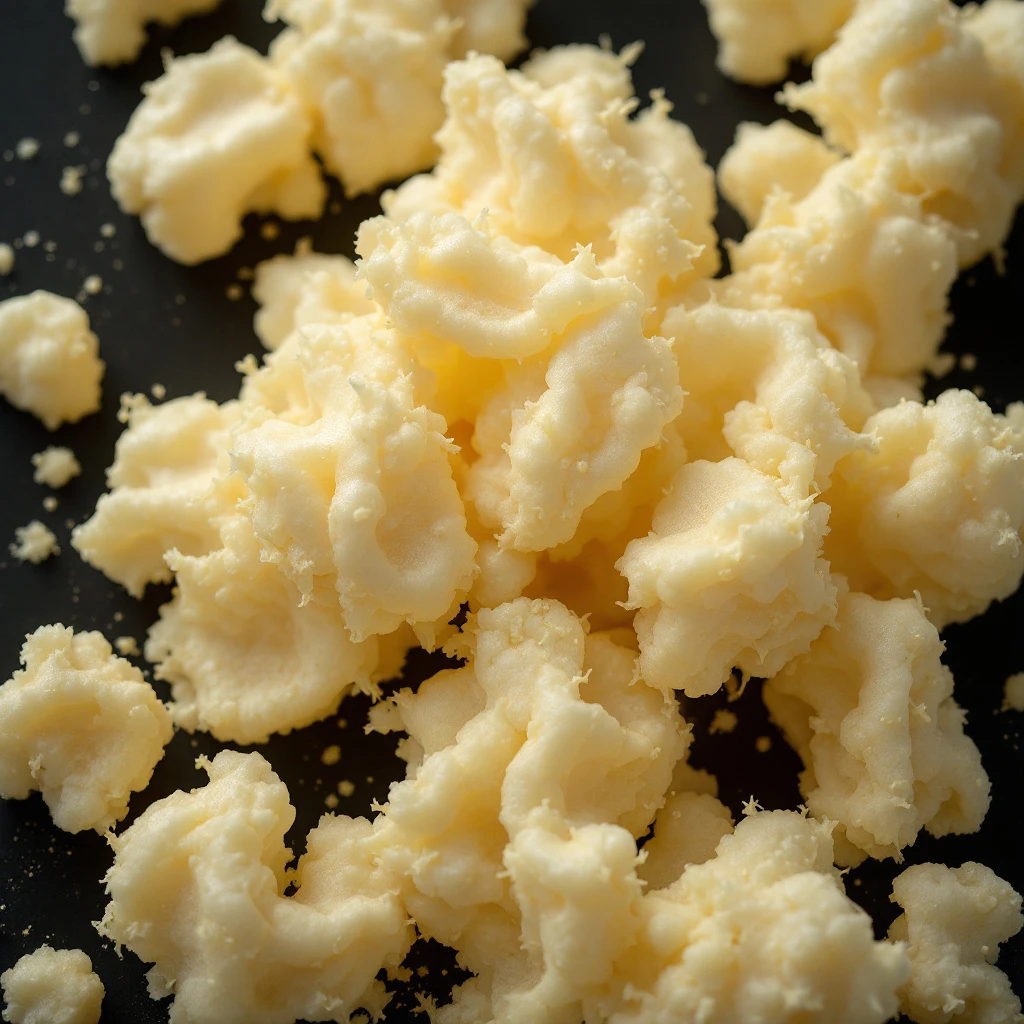



Origin
Morocco
Cedarwood counts as one of the earliest crude fragrance ingredients. Ancient Egyptians, Sumerians, and Mesopotamian cultures burned cedar resin, wood, and oil in rituals, cosmetics, and embalming practices. The Lebanese cedar (Cedrus libani) features in the Epic of Gilgamesh and was prized as building material for temples.
By the 19th century, Western perfumery recognized cedar oil as a base note capable of fixing volatile top and heart materials. Production shifted to North Africa and North America as European cedar populations declined. The Atlas mountains of Morocco became a primary source for Cedrus atlantica, while Juniperus virginiana in the eastern United States supplied industrial-scale volumes.
Texas cedarwood entered commercial use in the 20th century through operations like Texarome, founded in 1948. Today, cedarwood remains a fixture in woody, oriental, and chypre compositions, valued for both its scent and its fixative properties.
Wears it best
Fragrances featuring Warm Cedar Wood
Brands
Brands known for Warm Cedar Wood
Good to know
Questions, answered
The essentials on Warm Cedar Wood in perfumery: how it smells, where it comes from, and how it behaves on skin.
What does cedarwood smell like in perfume?
Cedarwood carries a warm, dry, woody character with creamy and slightly resinous undertones. Atlas cedar reads softer and sweeter, while Virginia cedarwood leans drier with a sharper, pencil-shaving edge. It functions as a base note in most compositions.
Is cedarwood essential oil safe for skin?
Cedarwood oil shows low dermal toxicity and is generally safe at typical fragrance concentrations. Some individuals experience sensitization, particularly with oxidized oils. A patch test is recommended for direct skin application.
What's the difference between Atlas and Virginia cedarwood?
Atlas cedar (Cedrus atlantica) from Morocco smells creamier and warmer, used in premium woody and oriental fragrances. Virginia cedarwood (Juniperus virginiana) from the US smells drier and sharper, common in fougère and masculine compositions.
How is cedarwood oil extracted?
Steam distillation at 100 to 120 degrees Celsius for 8 to 24 hours releases the oil from wood chips, sawdust, and sometimes roots. Typical yield ranges from 2 to 5 percent depending on species and material.
When was cedarwood first used in perfumery?
Cedarwood dates to the earliest documented fragrance use in ancient Mesopotamia and Egypt, over 5,000 years ago. It entered modern European perfumery as a base note in the 19th century.
Is cedarwood a sustainable ingredient?
Most cedarwood oil comes from wood waste generated by lumber and pencil industries, particularly in the US and Morocco. This byproduct sourcing reduces pressure on old-growth forests, though habitat loss for wild Atlas cedar remains a concern.
Why is cedarwood used as a base note?
Cedarwood oil has a low evaporation rate and fixative qualities that anchor lighter, more volatile notes. Its warm woody scent provides depth and longevity, making it a structural element in many fragrance pyramids.
Can cedarwood oil go bad?
Properly stored cedarwood oil lasts 4 to 6 years. Oxidized oil develops a sharper, almost rancid profile and increases sensitization risk. Keep bottles sealed, away from heat and direct sunlight.



