Violet Jam
A concentrated violet preparation capturing the flower’s soft, powdery sweetness in a rich, jammy form. Despite its widespread use, true violet remains one of perfumery’s great paradoxes: a beloved note that yields almost nothing to extraction.
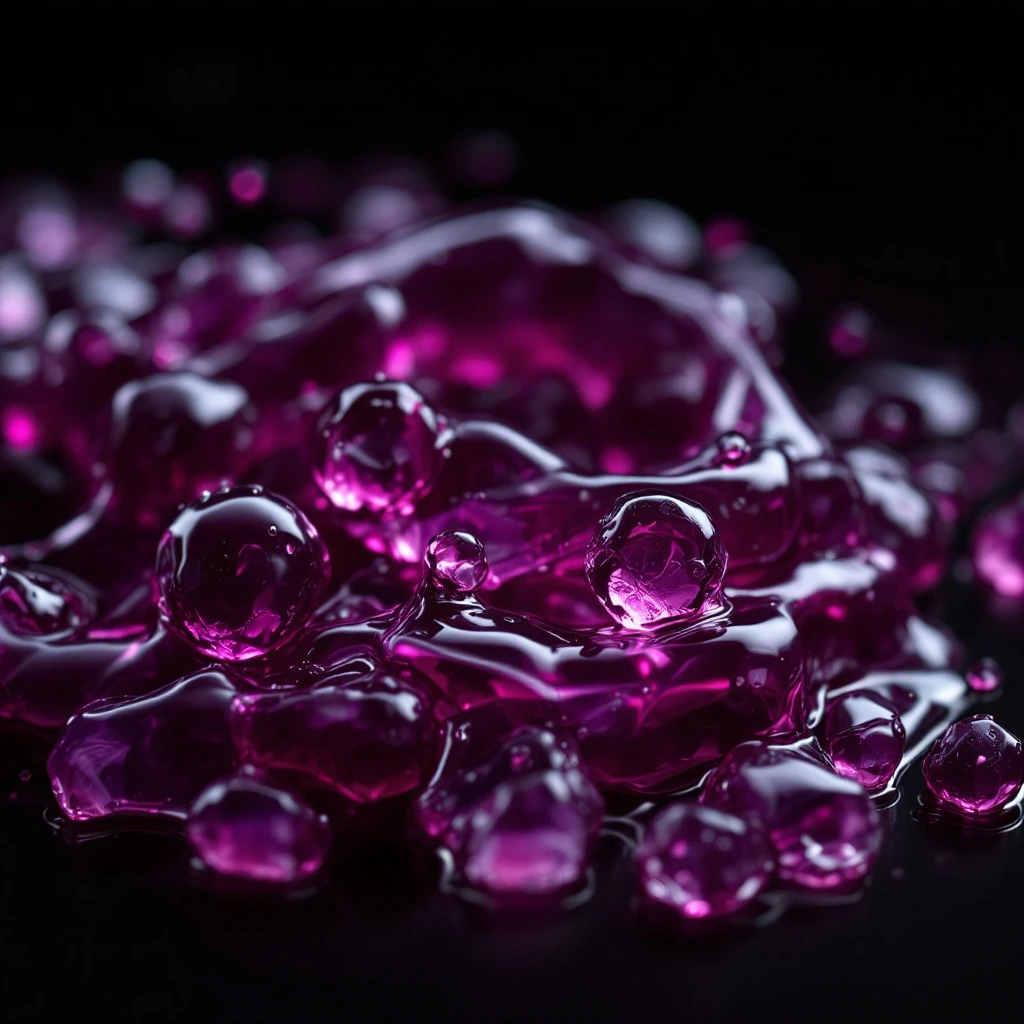
Character
How it smells
The mute flower that speaks volumes.
Violet is called a ‘mute flower’ because traditional extraction methods fail to capture its scent, forcing perfumers to recreate it synthetically.


Origin
France (historical center of violet cultivation and enfleurage)
Violet’s history in perfumery reads like a story of obsession and ingenuity. By the 19th century, violet had become a status symbol among wealthy Europeans, who prized its gentle, romantic scent. Early perfumers in Grasse attempted extraction using enfleurage—a labor-intensive process where flowers were pressed into cooled fat to absorb their fragrance.
The technique required enormous quantities of blooms, and despite the effort, production remained minimal. By the late 1950s, natural violet extraction had effectively ceased. The synthesis of ionone transformed everything, democratizing what was once a luxury scent.
Today, violet remains one of perfumery’s most recognized notes, its powdery warmth found everywhere from classic aldehydic florals to modern gourmand compositions.
Wears it best
Fragrances featuring Violet Jam
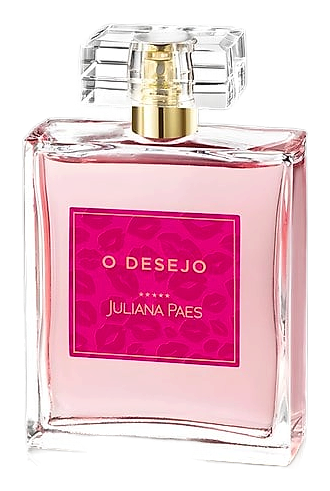
Brands
Brands known for Violet Jam
Good to know
Questions, answered
The essentials on Violet Jam in perfumery: how it smells, where it comes from, and how it behaves on skin.
Is Violet Jam a natural or synthetic ingredient?
Violet Jam relies primarily on synthetic ionones, which replicate violet’s scent with remarkable accuracy. Natural violet flower extraction is no longer commercially viable.
Why can’t perfumers extract scent directly from violet flowers?
Violet is what perfumers call a ‘mute flower’—its aromatic compounds don’t release through conventional extraction methods like distillation or solvent extraction.
What does Violet Jam smell like?
It offers violet’s characteristic powdery, floral sweetness with a richer, more concentrated character reminiscent of violet preserves or candied petals.
When was synthetic violet recreated?
Chemists Tiemann and Kruger first synthesized ionone in 1898, using citral from litsea cubeba, which became the foundation for modern violet accords.
Where was violet enfleurage historically practiced?
Grasse, France became the center of violet cultivation and enfleurage by 1867, when violet fields first blossomed there specifically for perfume production.
How much flower material did early violet extraction require?
Producing violet essence required over 33,000 kg of Viola odorata flowers, making natural violet extract extraordinarily rare and expensive.
What ended commercial violet flower extraction?
By the late 1950s and early 1960s, violet flower extract production had nearly ceased due to economic and agricultural challenges, shifting perfumers entirely to synthetic ionones.
What notes pair well with Violet Jam in fragrance?
Violet Jam works beautifully with iris (which shares similar ionone chemistry), woody notes, soft musks, and gourmand elements like vanilla or heliotrope.





