Violet Bud
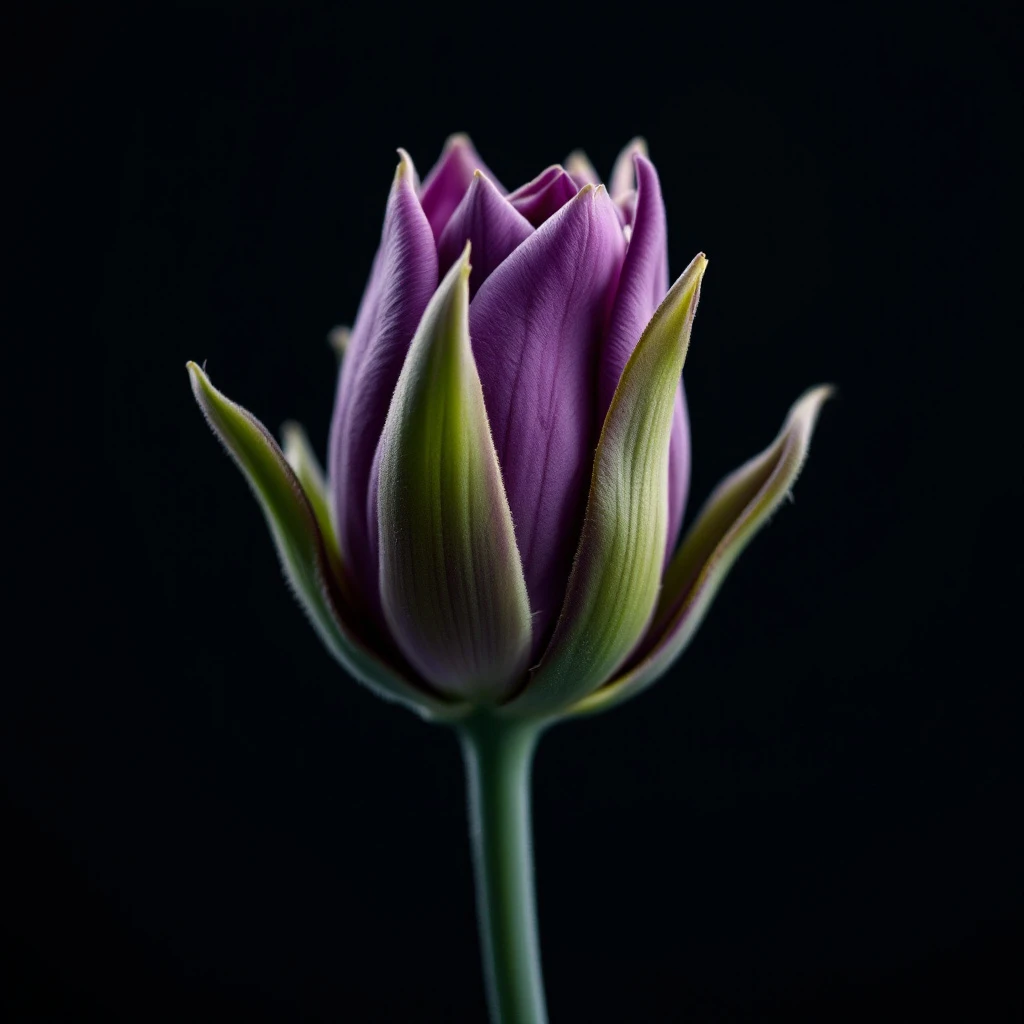
Violet bud holds one of perfumery's oldest secrets: the flower that inspired countless love poems produces almost no essential oil. Capturing its powdery, romantic essence requires extraordinary measures that date back to 19th-century Grasse.
Character
How it smells
Spring's most elusive bloom captures the impossible
Violet is a "mute flower"—it produces virtually no oil through standard steam distillation, making its extraction a perfumery feat.




Origin
France
The violet holds a peculiar place in perfumery history: beloved for centuries yet nearly impossible to capture in oil form. Violet fields bloomed in Grasse for the first time in 1867, marking the beginning of serious attempts to harness the flower's delicate aroma. Before synthetic chemistry emerged, perfumers relied on enfleurage to extract what little the petals could offer—a labor-intensive process requiring vast quantities of blooms.
The results were so scarce and costly that violet absolute became a symbol of luxury. The 19th century saw violet notes reach their peak popularity, gracing floral bouquets and romantic compositions throughout Europe. When organic synthesis advanced in the late 1800s, chemists identified ionones as the compounds responsible for violet's characteristic scent, eventually creating synthetic versions that democratized the note.
Yet natural violet extraction never disappeared—it simply found its place among specialty and luxury perfumery, where the quest to capture spring's most romantic bloom continues.
Wears it best
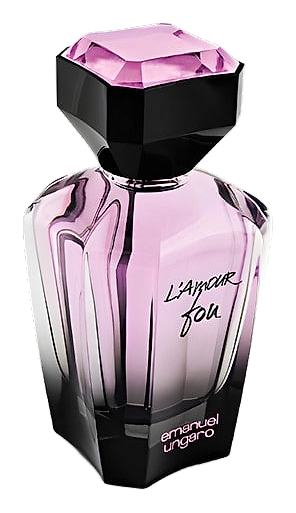
Fragrances featuring Violet Bud
Brands
Brands known for Violet Bud
Good to know
Questions, answered
The essentials on Violet Bud in perfumery: how it smells, where it comes from, and how it behaves on skin.
Why is violet considered a mute flower in perfumery?
Violet produces almost no essential oil through standard steam distillation, making it technically "mute." The flower contains too few aromatic compounds to yield oil economically, so perfumers turn to alternative extraction methods or synthetics.
How is violet absolute obtained if the flower yields no oil?
Modern violet absolute typically comes from violet leaves via solvent extraction, yielding more material than flower petals alone. Historical extractions relied on enfleurage—placing flower petals on cooled fat to absorb aromatic compounds.
What gives violet its characteristic scent?
Ionones—aromatic compounds that trigger the scent receptors in our noses to perceive "violet." These compounds are so potent that they can overwhelm the olfactory system, temporarily preventing further perception of the same note.
Why is natural violet absolute so expensive?
Approximately 1,000 kilograms of violet petals yield just 1 kilogram of absolute. Combined with the short harvest window and labor-intensive enfleurage process, natural violet absolute remains one of the more precious materials in perfumery.
What does violet bud smell like?
Violet bud absolute offers a fresh, powdery, slightly sweet scent with green undertones. The fragrance captures early spring—tender, fleeting, and distinctly nostalgic compared to other floral notes.
When did violet become popular in perfumery?
Violet notes gained widespread popularity in 19th-century Europe, particularly after violet fields were established in Grasse, France in 1867. The note became synonymous with romantic, powdery florals.
Are synthetic violet notes common in modern perfumery?
Yes. Since the late 19th century, synthetically produced ionones have replicated violet's scent profile economically. Most commercial fragrances containing "violet" use these synthetic alternatives rather than natural extracts.
What fragrances traditionally feature violet bud?
Violet bud and violet leaf absolute appear in numerous classic and niche fragrances, particularly those aiming for a fresh, powdery floral character. The note pairs well with iris, iris root, and other powdery materials.