
The Story
Why it exists.
The beginning
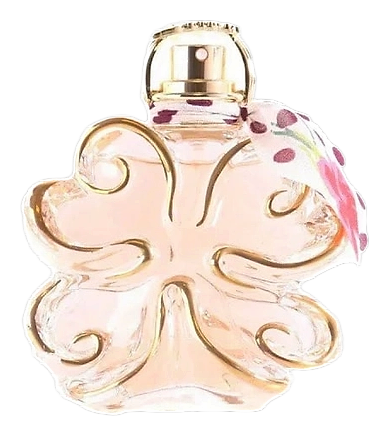
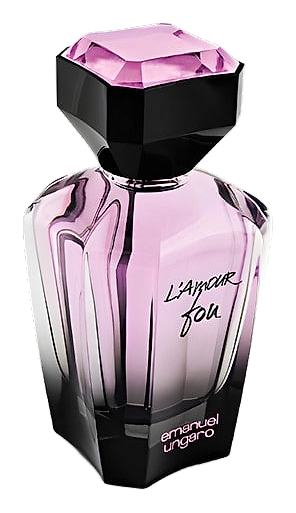
In 2013, perfumer Véronique Nyberg returned to the L'Amour Fou concept with a different brief. The original Eau de Parfum had established its character. Now: something softer. Something for the sunny days. She reframed the original's gourmand fruits, currants, candied apple, red berries, into a mixture that reads as romantic rather than provocative. Violet, rose, and peony softened the structure. The result sits closer to the skin, whispers rather than announces. L'Amour Fou as an afternoon, not a night. That tension, between the name's heat and the scent's gentleness, is the whole point. The EDT version feels like a sunlit terrace conversation, warm but never heavy, lingering in the air with quiet confidence rather than demanding attention.
The choice of iris as a base anchor is the tell. Iris doesn't project. It stays close, almost shy, the powdery trail left on a cashmere scarf, not the statement of a perfume bottle. Combined with musk and vanilla, Nyberg built a drydown that rewards proximity. You have to be near someone to catch it. That's the gamble: this fragrance asks you to lean in first.
The evolution
The opening hits bright. Blackcurrant's tart bite meets candied apple's sugary shimmer, playful, girlish, immediately likable. Pink pepper sits quiet underneath, adding a small spark that stops it from feeling like dessert. Then the hand-off: peony and rose arrive together, filling the space with a powdery blush that feels almost nostalgic. Violet bud keeps things restrained, preventing the florals from tipping into anything heavy. By hour two, the iris emerges. Powdery, clean, slightly metallic in the best way. Vanilla follows, warming everything from underneath. The final act is intimate. Skin-close. The kind of scent someone notices only when they're already standing beside you.
Cultural impact
L'Amour Fou arrived in 2012 as an Eau de Parfum, with the Eau de Toilette following in 2013. The fragrance arrived at a moment when feminine scents often leaned toward sweet-fruity conventions and the emerging gourmand trend. L'Amour Fou took a different path with its bold blackcurrant-forward composition, refusing to follow either direction. The name itself, meaning 'mad love' in French, set immediate expectations for something passionate and unconventional. Its composition challenged the era's sweet-fruity conventions while avoiding the increasingly popular gourmand territory.