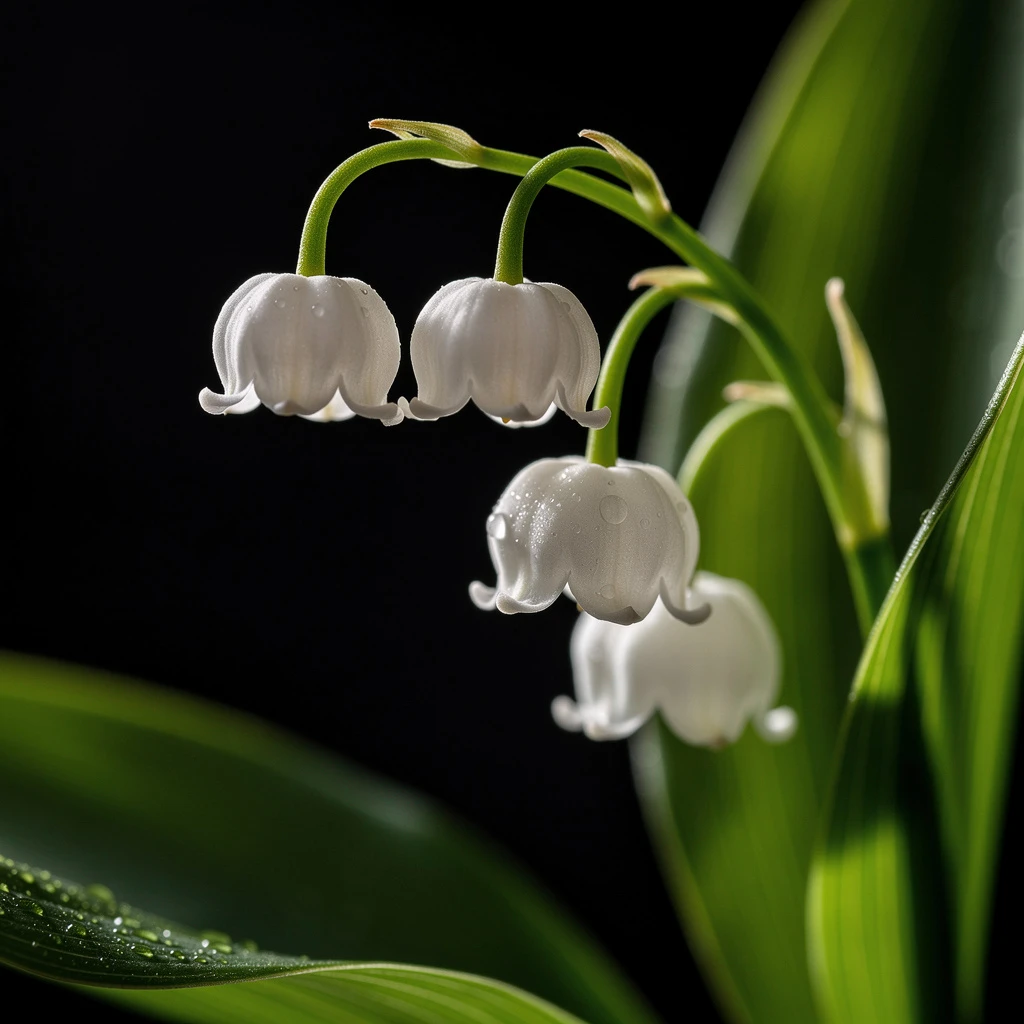
Verbetryle
Verbetryle is a synthetic aroma chemical prized for its luminous, long-lasting violet character. Perfumery uses it where natural orris root proves cost-prohibitive, lending a powdery, iris-like softness that holds steady across hours on skin.
Character
How it smells
The synthetic soul of iris, bottled
Its discovery helped break perfume's dependence on orris root, which takes three years to develop its scent after harvest, shaving that timeline down to hours in a lab reactor.


Origin
Switzerland
The story of Verbetryle begins with the 19th century rise of aroma chemistry, when scientists first isolated ionone from orris root in 1893 and opened the door to reproducing violet-iris notes without the plant itself. Decades of subsequent research produced a family of related molecules, each tuned for specific facets of the orris odor. Verbetryle emerged from that lineage as a refined, longer-lasting variant suited to modern perfumery's demand for tenacity and stability.
Its arrival matters because natural orris butter ranks among perfumery's most expensive ingredients, requiring iris rhizomes to age roughly three years after harvest. By offering a cost-stable, reproducible alternative, Verbetryle helped iris-style accords move from haute-perfume exclusivity into broader fragrance creation, shaping the powdery floral palettes that defined late-20th-century composition.
Wears it best
Fragrances featuring Verbetryle
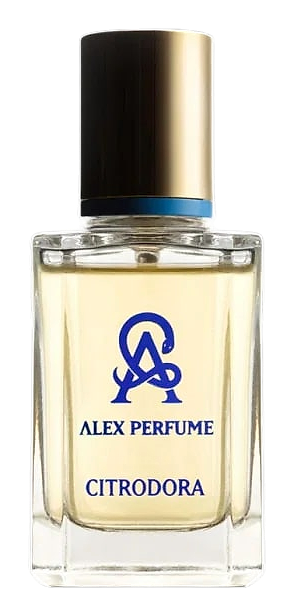
Brands
Brands known for Verbetryle
Good to know
Questions, answered
The essentials on Verbetryle in perfumery: how it smells, where it comes from, and how it behaves on skin.
What does Verbetryle smell like?
Verbetryle carries a soft, powdery violet-iris scent with woody, slightly fruity undertones. It reads as the warm, diffused facet of orris rather than its sharper rooty edge, lending a velvety smoothness to floral compositions.
Is Verbetryle natural or synthetic?
Verbetryle is fully synthetic. Chemists produce it through organic synthesis from petroleum-derived precursors, then isolate the specific isomer responsible for its characteristic iris-like odor through selective distillation.
Why do perfumers use Verbetryle instead of real orris?
Natural orris requires iris rhizomes to cure roughly three years before their aroma develops, making it among perfumery's priciest ingredients. Verbetryle reproduces the desirable facets of orris at stable cost and supply, with no curing delay.
How long does Verbetryle last in a fragrance?
Verbetryle is valued for its tenacity, typically persisting well beyond most top and middle notes and serving as a fixative anchor for iris- and violet-themed compositions across several hours of wear.
What fragrance families use Verbetryle?
It appears most often in powdery florals, woody iris compositions, violet-driven classics, and soft oriental bases, where its long-lasting smoothness supports heart-note florals without overpowering them.
Is Verbetryle safe in perfume?
Verbetryle is approved for use in fragrance formulations under the standards set by the International Fragrance Association, with established safe-use concentration limits for leave-on products like fine fragrances.
When was Verbetryle first used in perfumery?
Verbetryle entered commercial perfumery in the late 20th century, building on the 1893 isolation of ionone from orris root and subsequent decades of aroma-chemical research that refined synthetic violet-iris molecules.
Can Verbetryle replace orris butter one-to-one?
It substitutes well for the powdery, sweet facets of orris but lacks the rooty, leathery depth of aged iris rhizomes. Formulators typically pair Verbetryle with complementary synthetic orris-derived molecules to approximate full orris character.
In the same family