Vanilla Biscuit
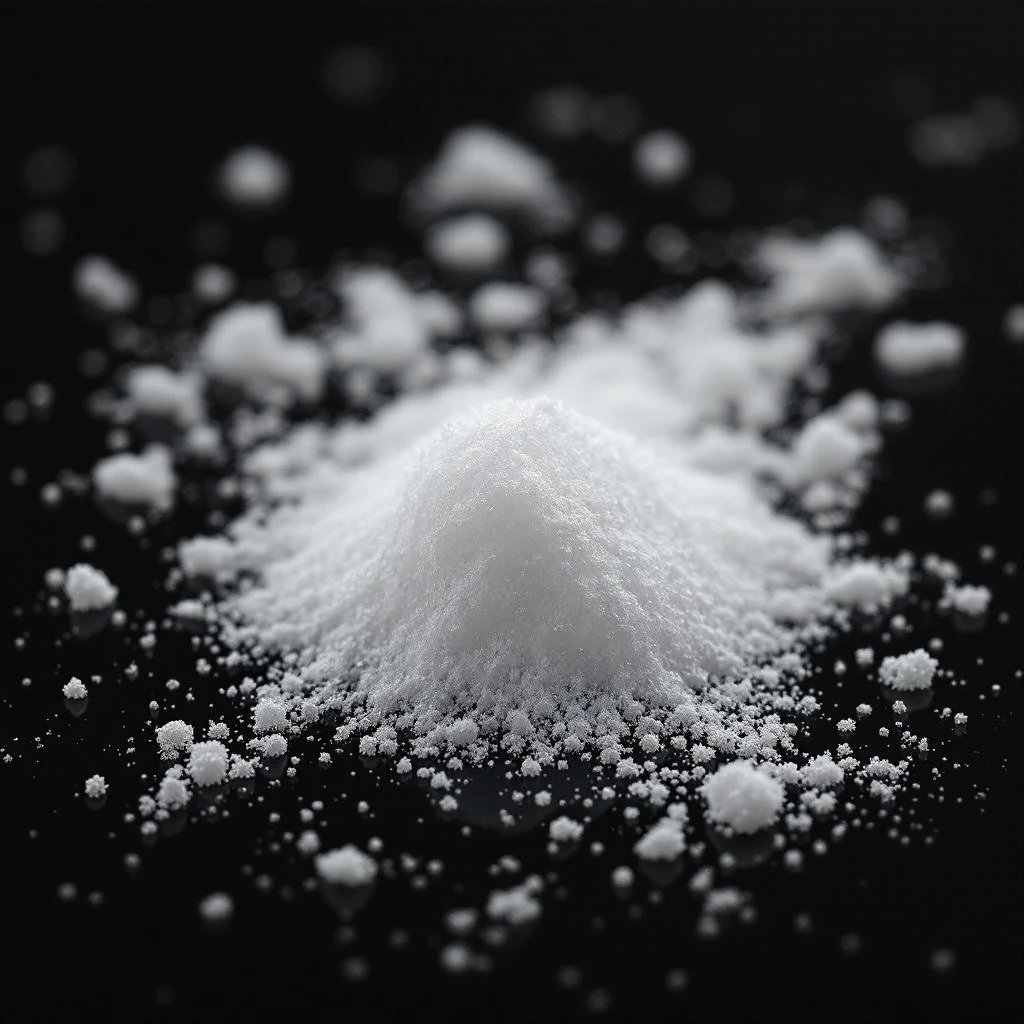
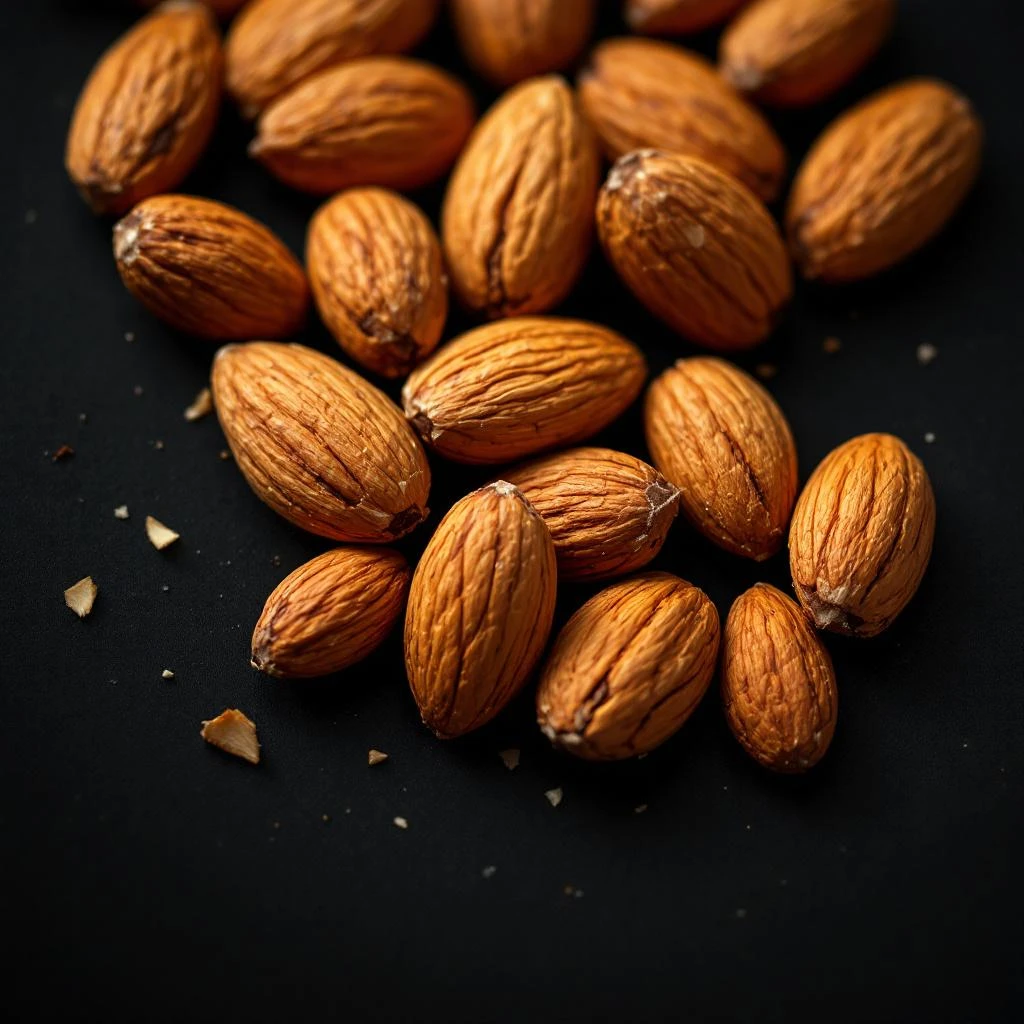
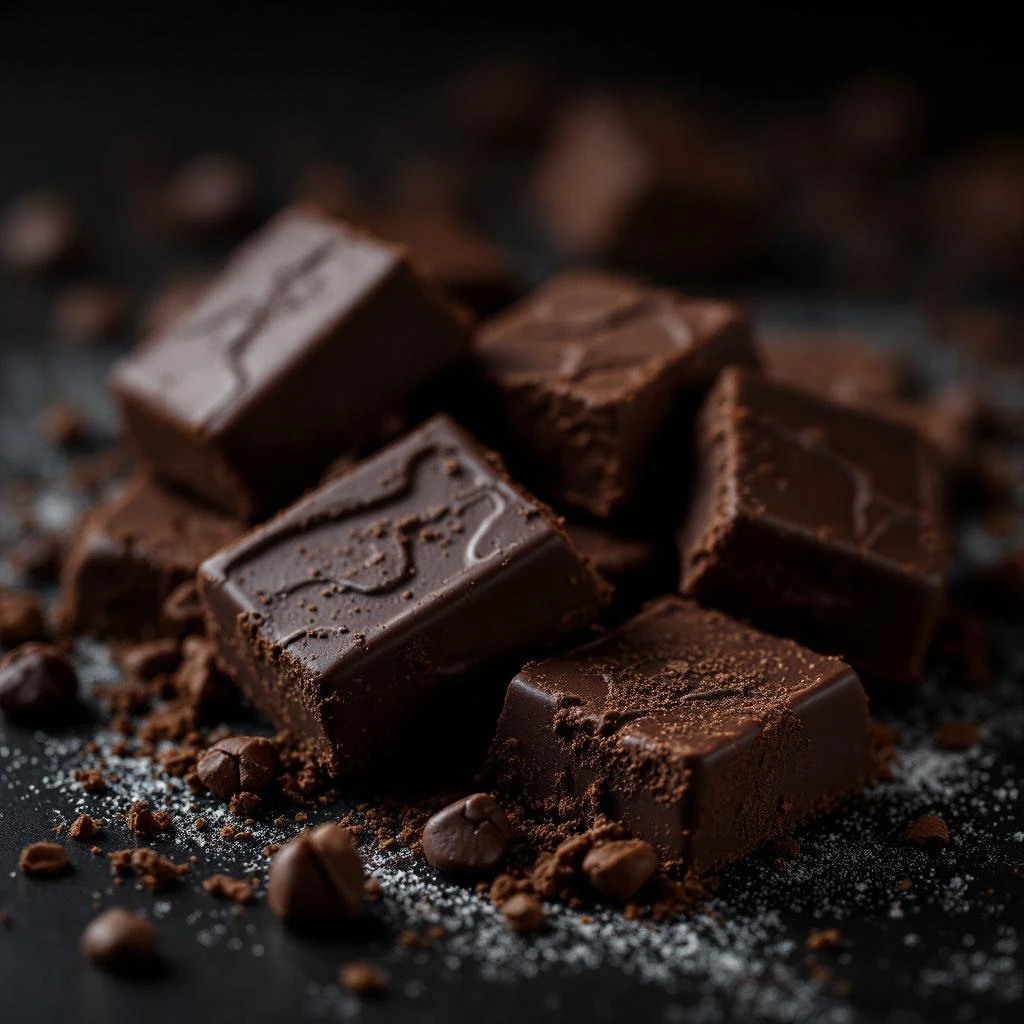
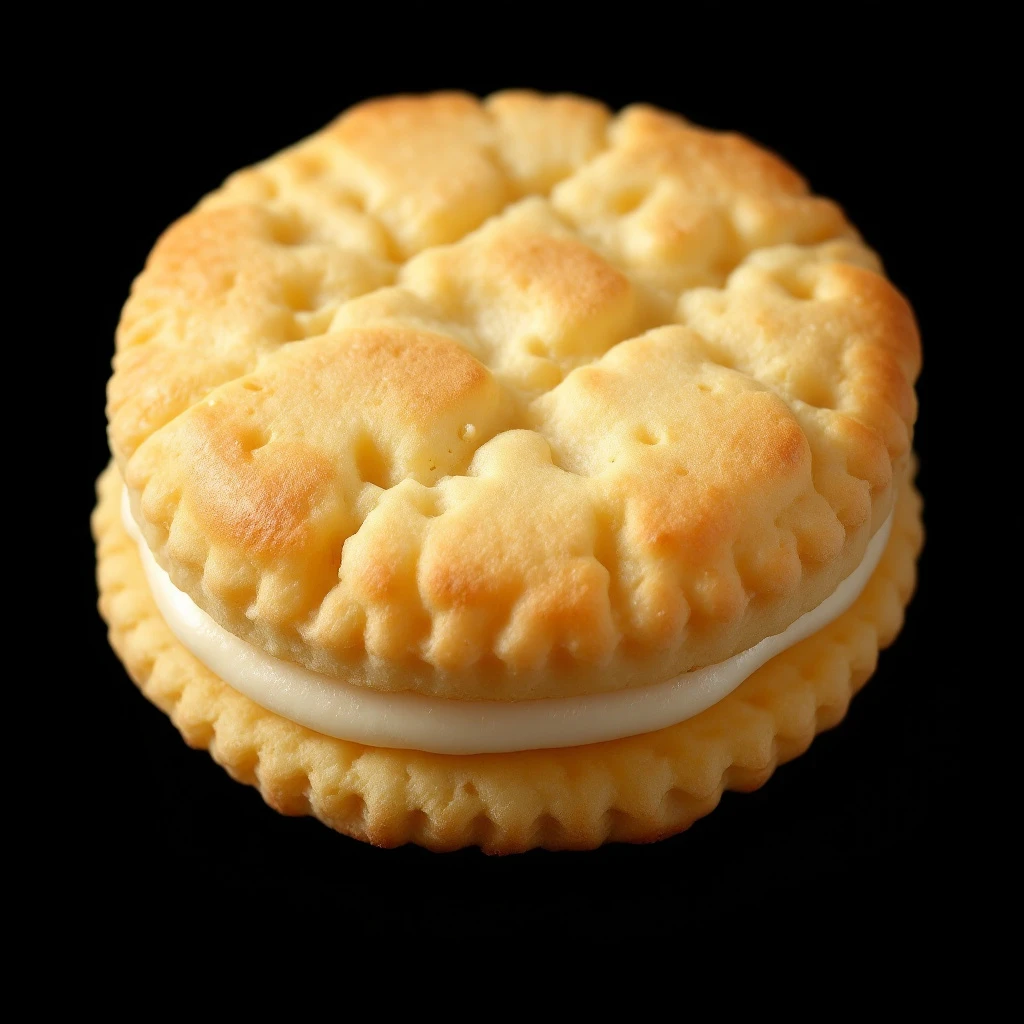
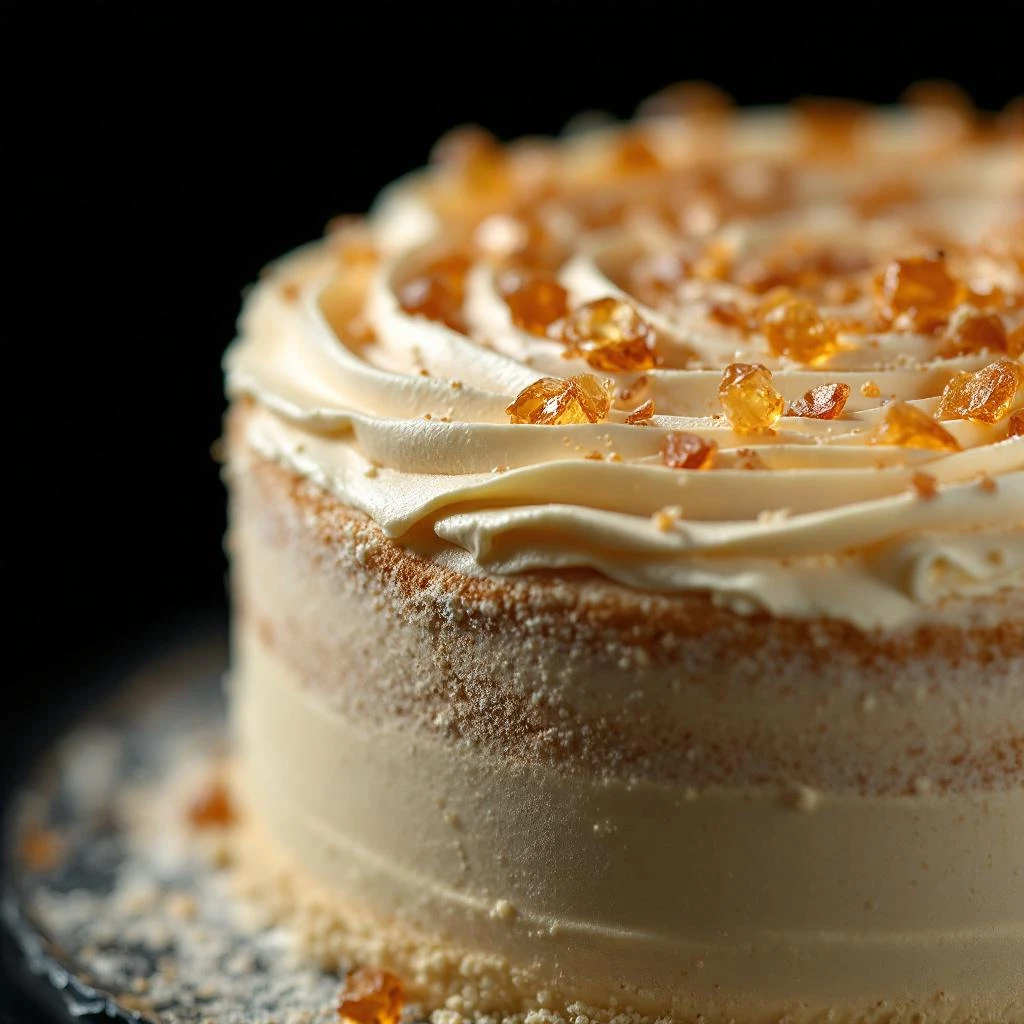
Vanilla Biscuit captures the warmth of fresh-from-the-oven sweetness. This gourmand accord blends creamy vanilla with the golden, buttery edges of baked indulgence, creating a scent that feels like a quiet morning treat.
Character
How it smells
Warm sweetness baked into every note.
Madagascar produces 80% of the world's vanilla, yet each pod must be hand-pollinated since bees there cannot reach the flower's deep nectary.
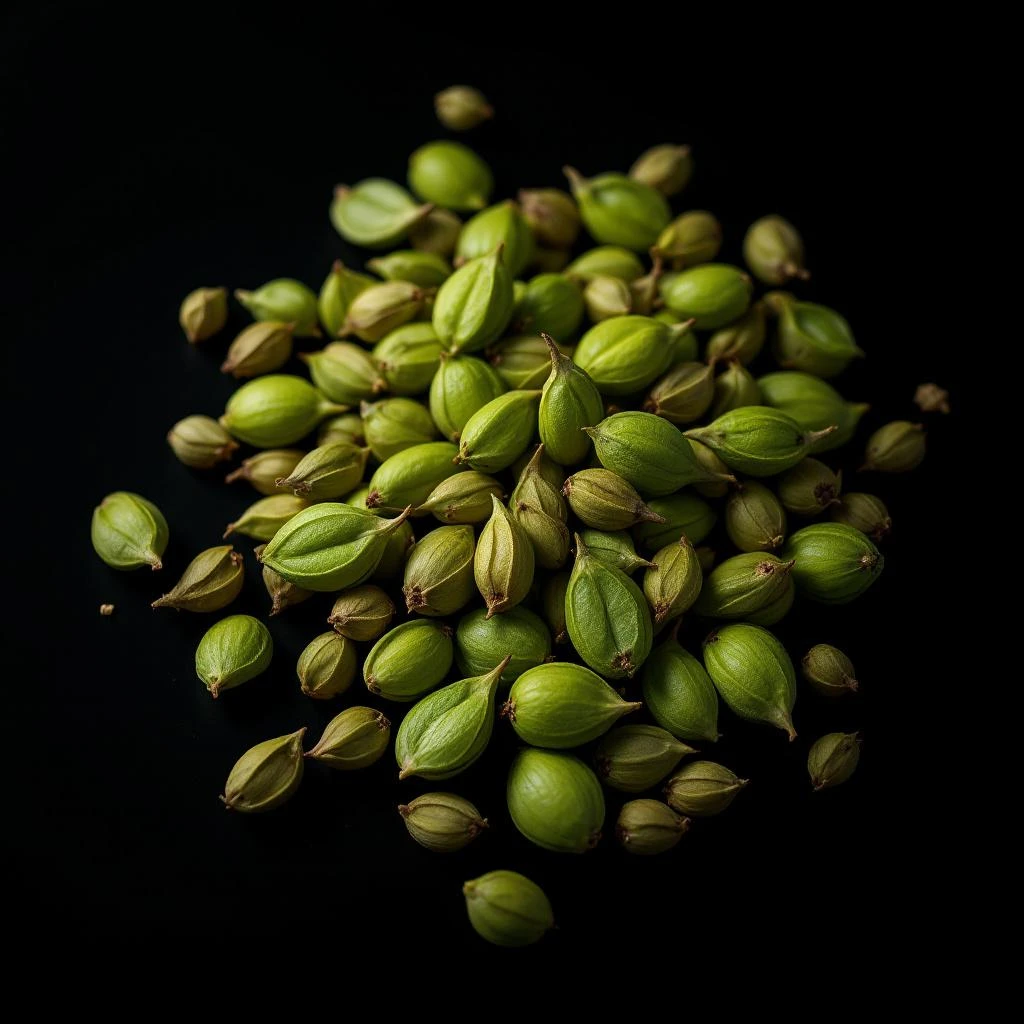



Origin
Madagascar
Vanilla originated with the Totonac people of Mexico, who revered the orchid long before European contact. Spanish conquistadors first encountered vanilla in the 16th century, recognizing it as a flavor compound prized by Aztec rulers who used it to flavor cacao beverages. The Spanish introduced vanilla to Europe, but for nearly three centuries, attempts to cultivate the plant outside Mexico failed because the flowers could not be pollinated.
In 1841, Edmond Albius, a twelve-year-old enslaved worker on the island of Réunion, developed the manual pollination technique that would eventually allow vanilla cultivation across tropical regions. Madagascar became the center of commercial vanilla production due to its colonial ties to Réunion and its ideal growing climate. Vanilla entered perfumery slowly, remaining largely a flavor compound until Guerlain's Jicky in 1921 demonstrated that vanillin could create sophisticated fragrance effects.
The modern Vanilla Biscuit interpretation emerged from the gourmand movement of the 1980s and 1990s, when perfumers began treating food-inspired accords as legitimate artistic materials rather than mere novelty.
Wears it best
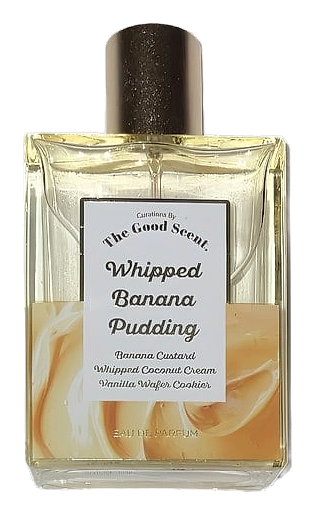
Fragrances featuring Vanilla Biscuit
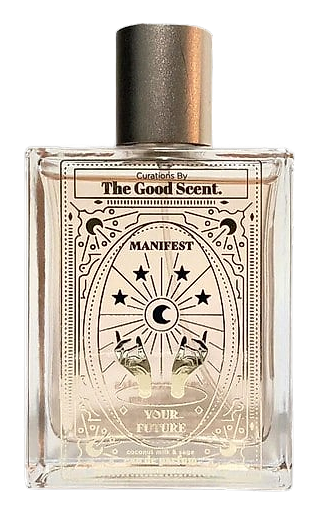
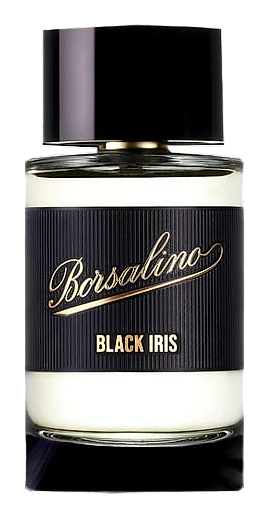
Brands
Brands known for Vanilla Biscuit
Good to know
Questions, answered
The essentials on Vanilla Biscuit in perfumery: how it smells, where it comes from, and how it behaves on skin.
What gives Vanilla Biscuit its characteristic baked quality?
The biscuit quality comes from combining vanillin with coumarin and massoia lactone. These molecules together create warm, bread-like sweetness that mimics the Maillard reaction effects in baked goods.
Is Vanilla Biscuit a natural or synthetic note?
Modern Vanilla Biscuit accords typically combine natural vanilla absolute with synthetic aromatic molecules. The natural component provides depth and complexity while synthetics ensure consistency and create specific bakery nuances.
How long does natural vanilla extraction take?
From harvest to finished absolute, natural vanilla extraction requires a minimum of six months. The pods must cure for several months to develop their characteristic aroma compounds through enzymatic breakdown.
Which vanilla origin produces the sweetest fragrance notes?
Madagascar vanilla produces vanilla absolute with pronounced creamy sweetness and classic vanillin character. Bourbon vanilla from the Indian Ocean region offers deeper, more complex caramel undertones.
Why is vanilla so expensive in perfumery?
Vanilla requires intensive hand labor throughout its production. Each flower must be hand-pollinated, each pod hand-harvested, and the curing process takes months. Global demand consistently outpaces supply.
Can Vanilla Biscuit stand alone as a fragrance heart?
Yes, several fragrances center on vanilla-biscuit accords as their primary theme. The warm, sweet character provides enough presence to anchor a composition without requiring heavy supporting notes.
How does skin chemistry affect vanilla fragrances?
Vanilla interacts strongly with individual skin chemistry. On some skin, the warm, sweet character intensifies; on others, it may develop powdery or spicy nuances within minutes of application.
What fragrance families pair well with Vanilla Biscuit?
Vanilla Biscuit harmonizes with oriental fragrance families, Gourmand categories, and warm woody compositions. It also adds sweetness and depth to amber and chypre structures.