Tupelo Honey
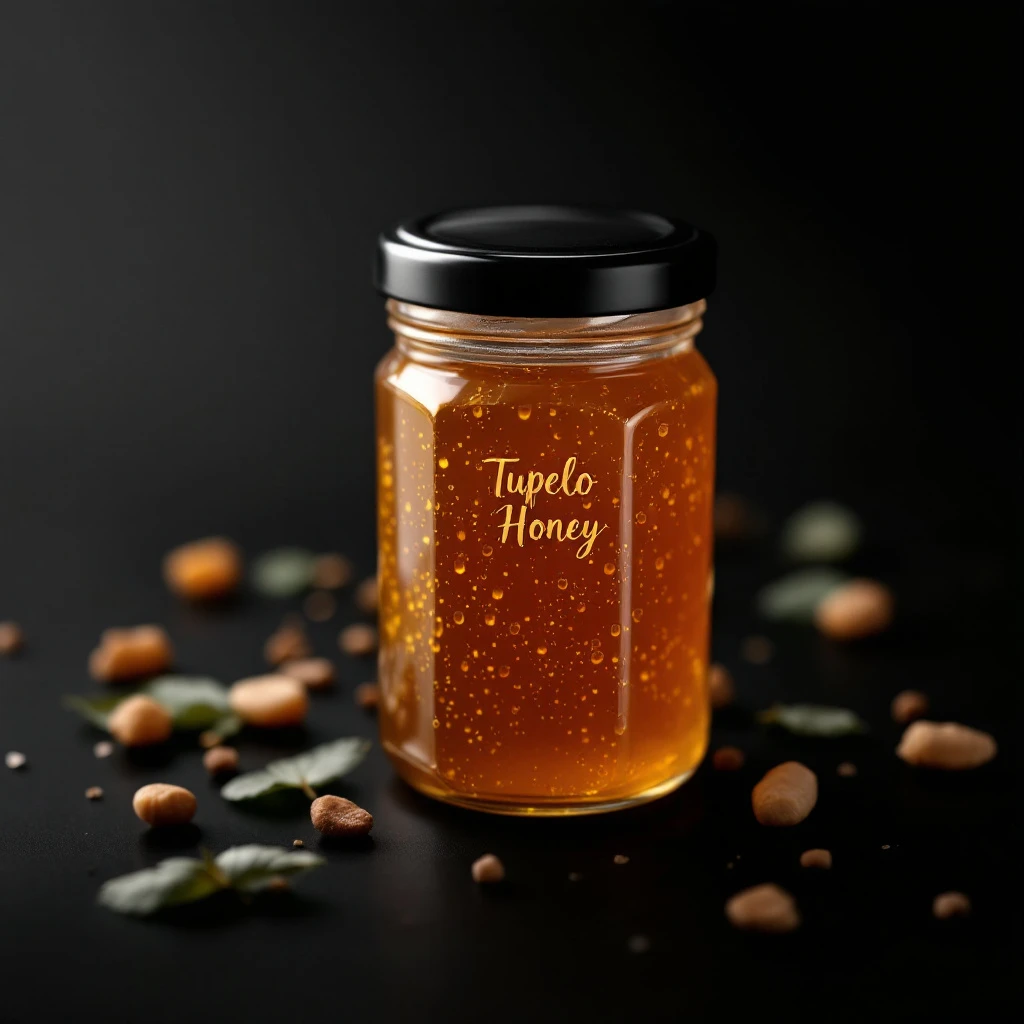
Tupelo honey carries a rare, slow-sweet nectar profile prized in perfumery for its warm, golden, almost vanilla-like depth. Sourced from white tupelo trees across the Florida-Georgia floodplains, it anchors gourmand compositions with an unmistakable sunlit character.
Character
How it smells
Slow-sweet nectar from ancient swamp trees
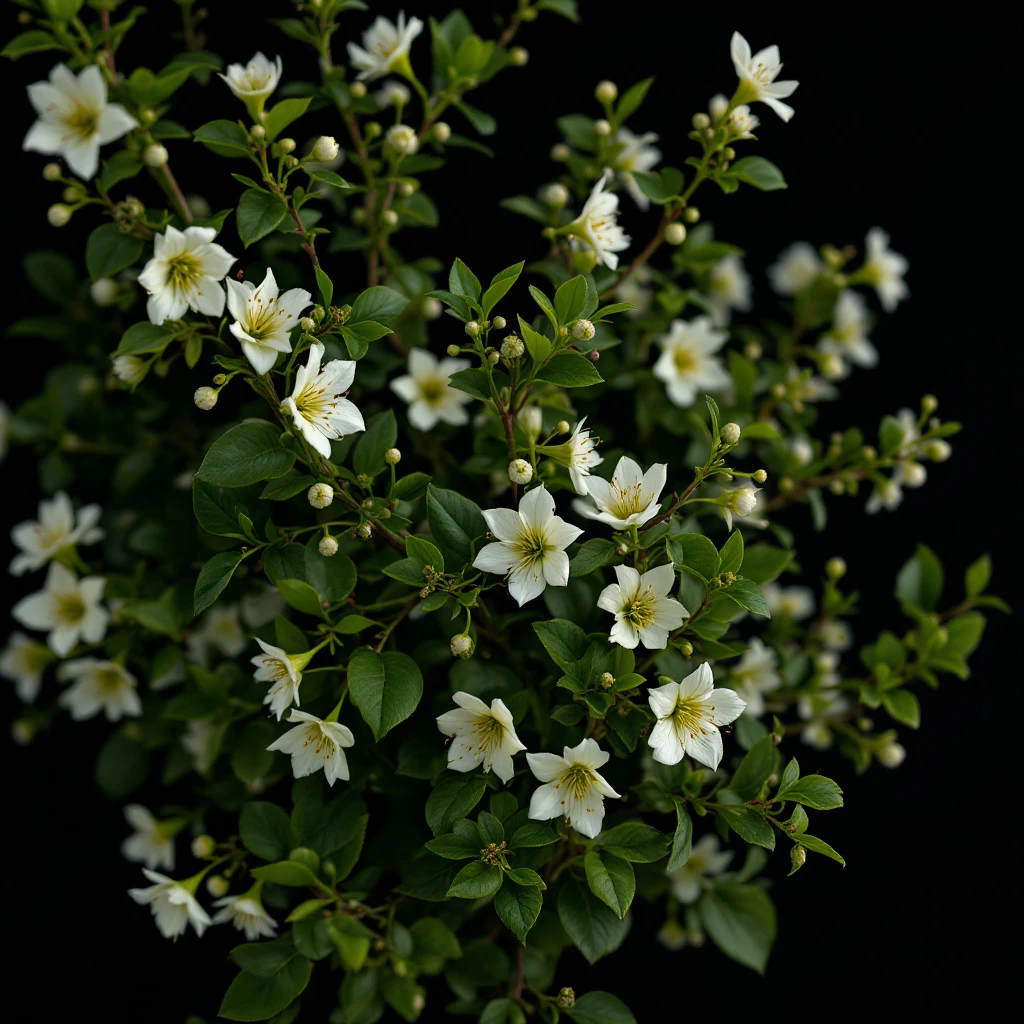
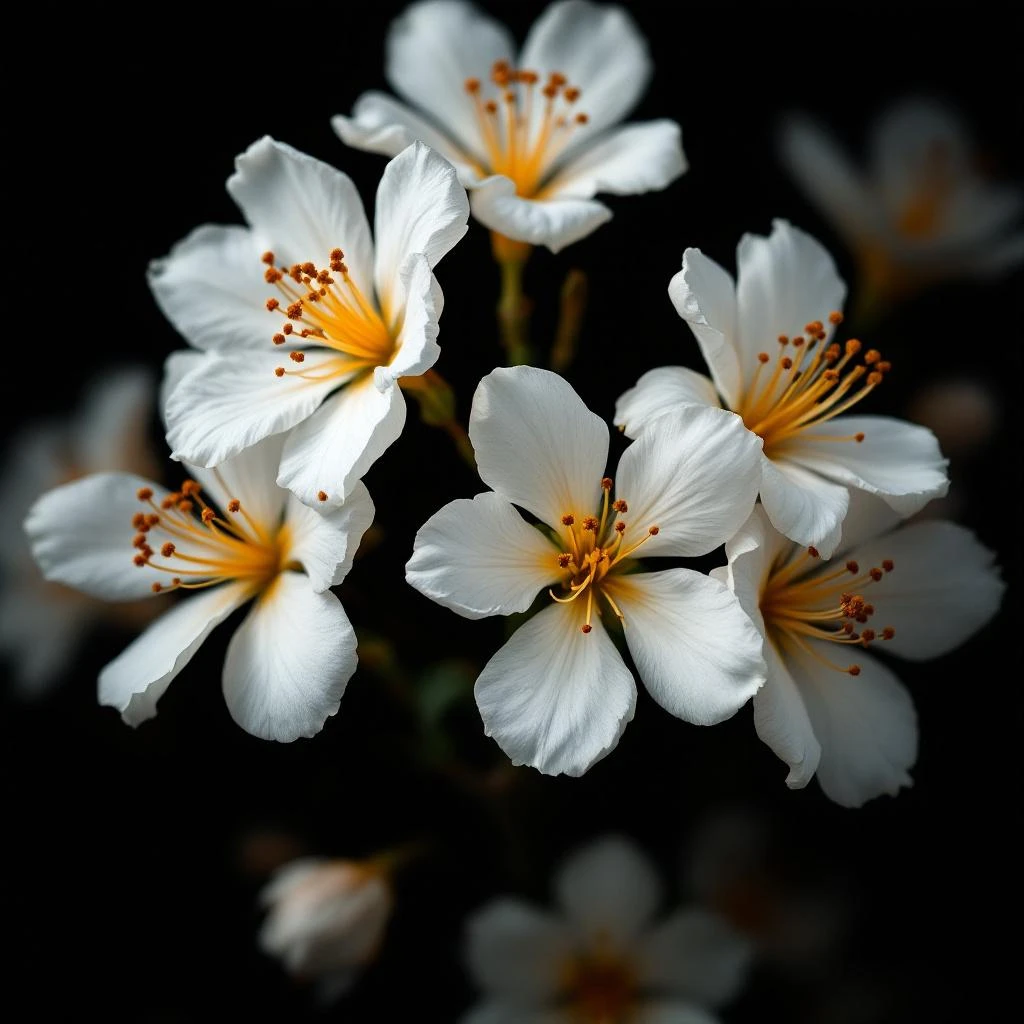
Tupelo honey comes from white tupelo trees that bloom for just two to three weeks per year, and fewer than 200 beekeepers harvest it commercially in the Apalachicola Basin.
Pairs beautifully with
Origin
United States
Tupelo honey production traces back to Native American communities of the Apalachicola region, who harvested wild honey from swamps long before European contact. Spanish missionaries in the 17th century documented the practice, and by the 1800s commercial apiaries lined the river basin.
The honey earned near-mythic status in the American South, eventually becoming the first honey granted a federal standard of identity in 1992 to protect it from adulteration. In perfumery, honey notes have medieval roots, appearing in monastic incense blends and Renaissance pomades, but tupelo specifically entered modern fragrance work as designers chased authentic, terroir-driven gourmand accords.
The varietal's high fructose and low glucose content gives it exceptional resistance to crystallization, a property that early perfumers noticed and exploited when seeking stable, pourable honey bases. Today, it appears in niche compositions as a marker of regional authenticity, connecting Southern agricultural tradition to contemporary olfactory craft.
Wears it best
Fragrances featuring Tupelo Honey
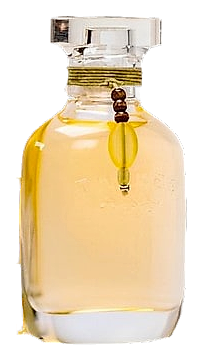
Brands
Brands known for Tupelo Honey
Good to know
Questions, answered
The essentials on Tupelo Honey in perfumery: how it smells, where it comes from, and how it behaves on skin.
What does tupelo honey smell like in perfume?
Tupelo honey imparts a warm, golden sweetness with light vanilla and soft beeswax facets. It is less cloying than sugar accords and carries faint green-anis top notes that lend gourmand perfumes a more naturalistic lift.
Why is tupelo honey so rare?
White tupelo trees bloom for only two to three weeks annually in the Apalachicola Basin. Fewer than 200 commercial beekeepers work the region, and the 1992 federal standard of identity restricts genuine tupelo honey to that geographic origin.
How is tupelo honey processed for perfumery?
Producers dissolve raw honey in warm ethanol, filter out waxes and pollen, then concentrate the aromatic fraction under vacuum. The resulting absolute preserves the volatile esters that give tupelo its signature warm sweetness.
Is tupelo honey better than regular honey for fragrance?
Its high fructose and low glucose content resists crystallization, producing a more stable pourable base. Tupelo also offers a cleaner, less molasses-heavy profile than wildflower or buckwheat honey, making it preferred for refined gourmand work.
What perfumes feature tupelo honey?
Tupelo honey appears in select niche and Southern-inspired fragrance houses, often in amber or gourmand compositions. It is typically blended with vanilla, benzoin, or tobacco notes rather than used as a solo ingredient.
Where does tupelo honey come from?
It originates in the swamps along the Apalachicola River where white tupelo trees grow. Harvesting is concentrated in northwest Florida and south Georgia, the only region the federal standard recognizes as legitimate source.
Can tupelo honey be used as a natural perfume directly?
Raw honey does not blend with perfumers' alcohol and will spoil without preservation. Commercial fragrance applications require a tincture or absolute form to ensure stability, solubility, and microbiological safety.
Does tupelo honey smell different from clover honey?
Clover honey reads as mild, floral, and candied. Tupelo honey offers deeper amber warmth with light herbal-anis edges, a result of the white tupelo tree's specific nectar chemistry and the swamp terroir where it grows.