Tunisian Orange
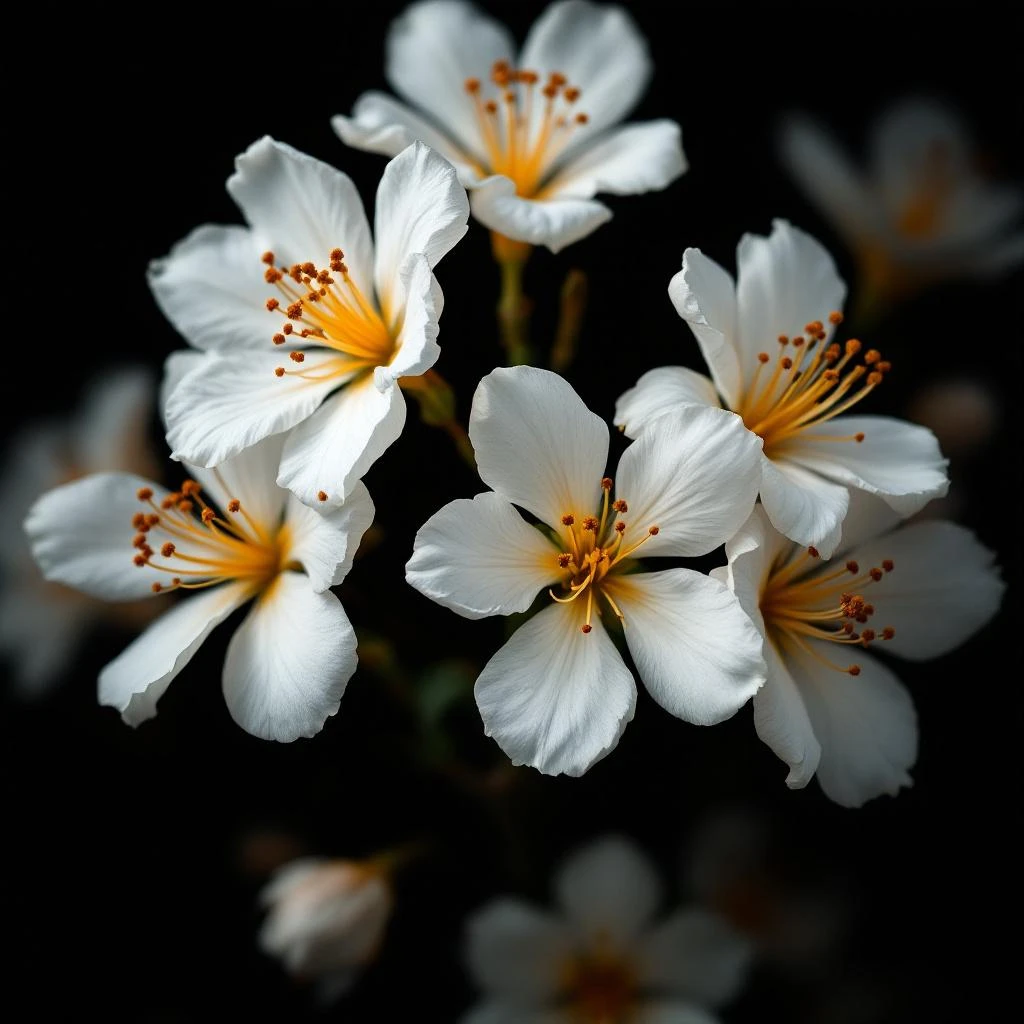
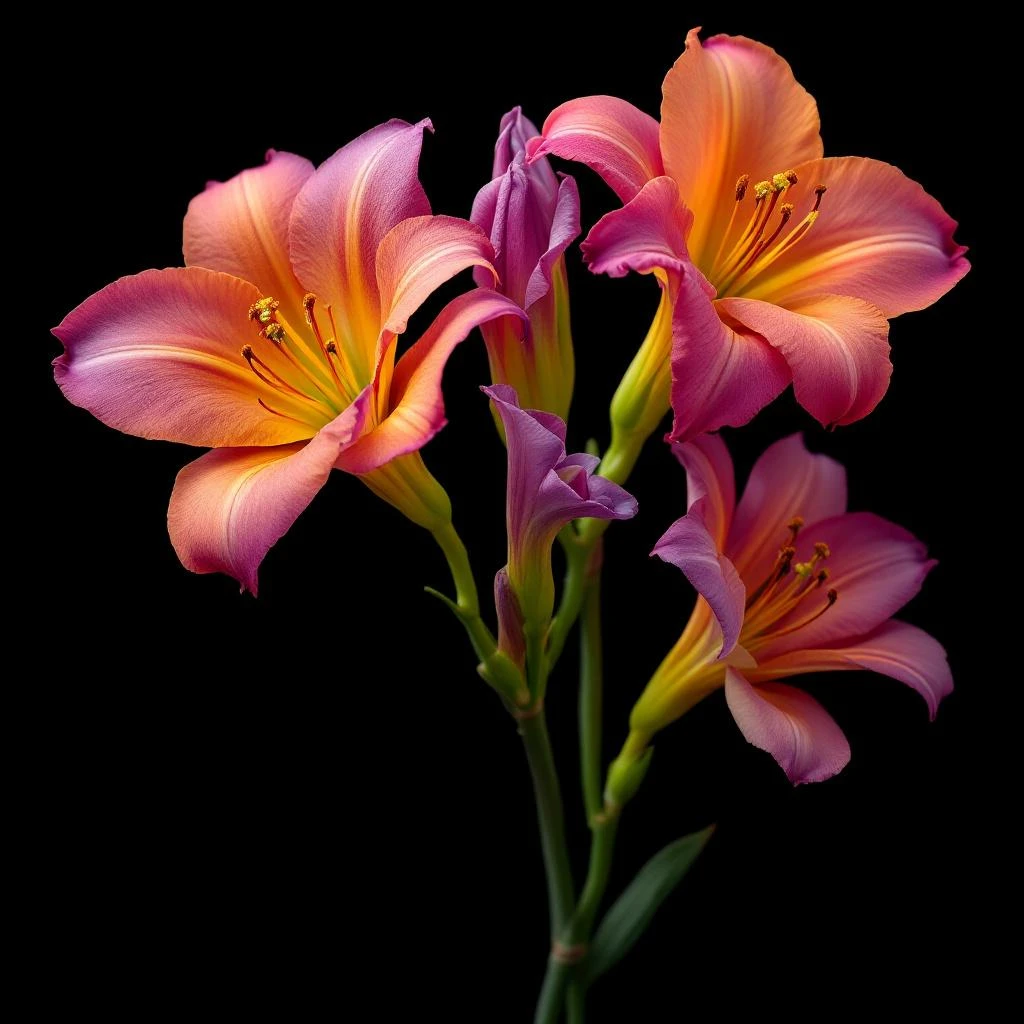
Tunisian orange blossom captures the sun-drenched soul of North Africa. From bitter orange trees flourishing in Tunisia's Mediterranean climate, these white flowers yield one of perfumery's most cherished white floral materials, lending an immediate sense of warmth and optimistic freshness to fragrance compositions.
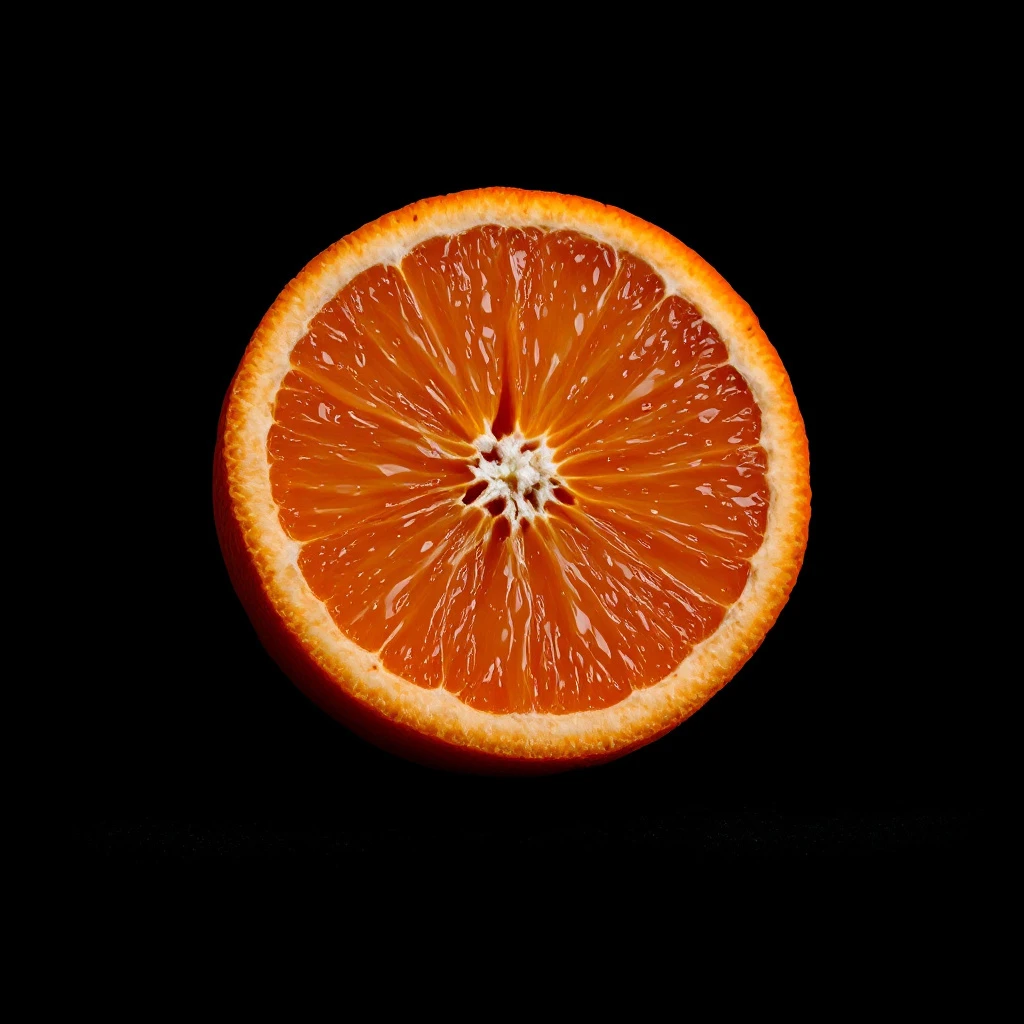
Character
How it smells
North Africa's golden harvest of white floral elegance.
Bitter orange trees can produce flowers for up to 40 years, with peak fragrance occurring in trees between 10 and 20 years old.
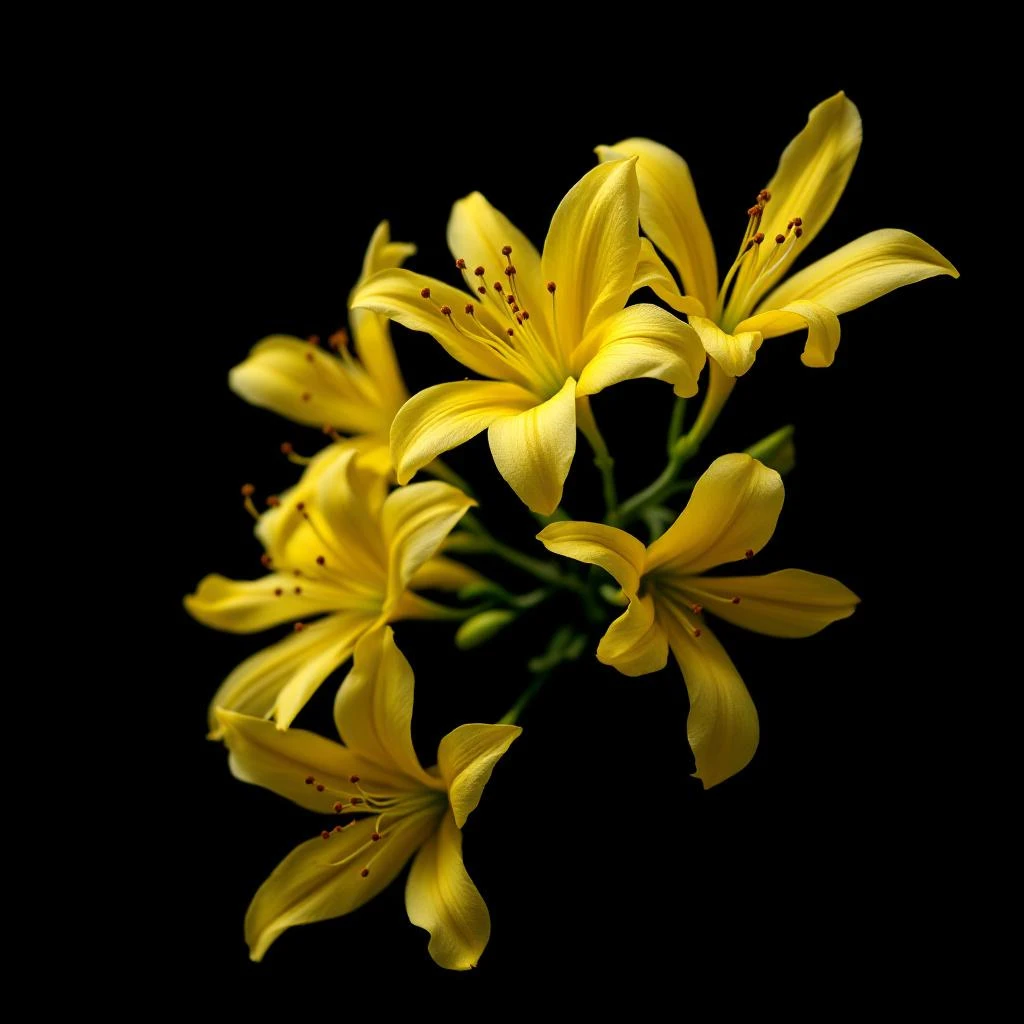
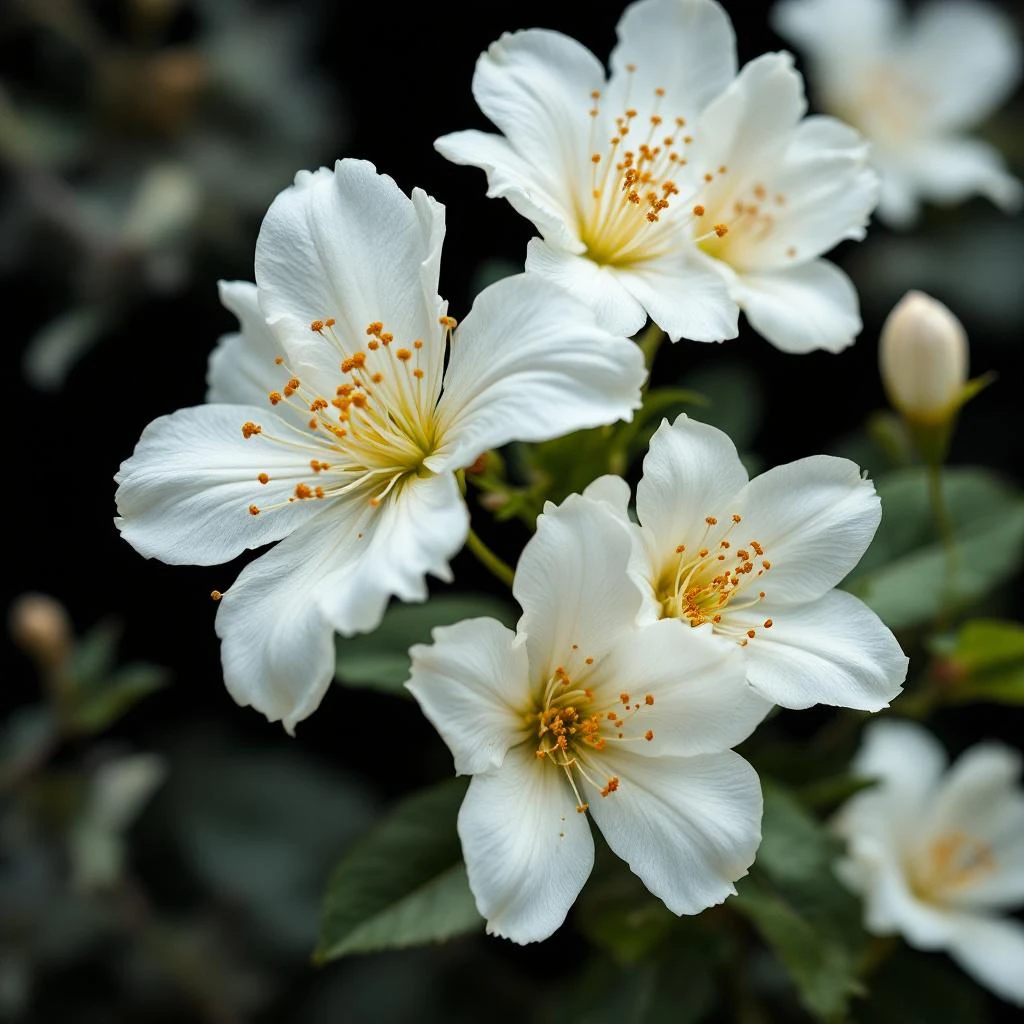

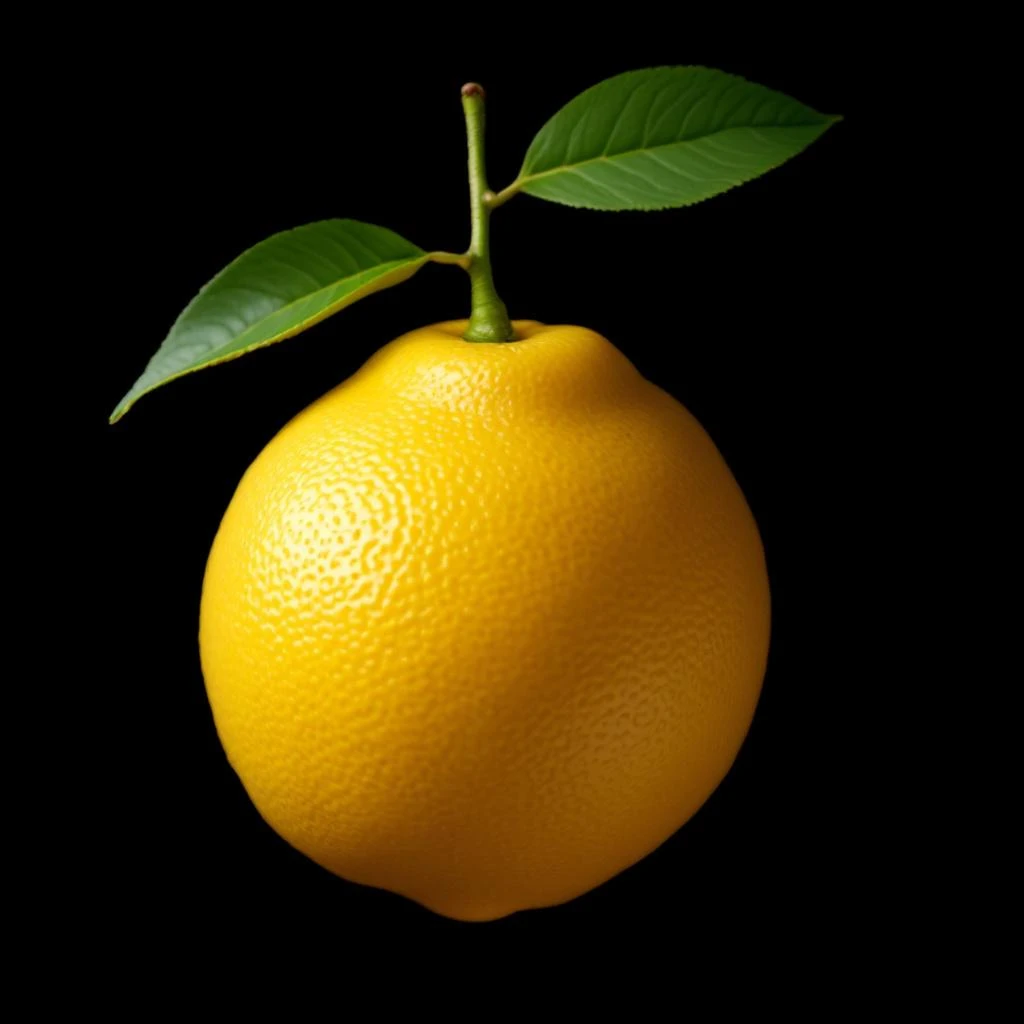



Origin
Tunisia
The bitter orange tree arrived in the Mediterranean basin courtesy of Arab traders during the 9th century, transforming regional perfumery traditions across North Africa and Southern Europe. Tunisia's deep cultural connection to the orange blossom predates its commercial perfume industry, rooted in centuries of ceremonial use during wedding celebrations and religious festivals where the flower symbolized purity and fertility.
When French perfumers began cultivating orange blossom in the early 19th century, Tunisia was already well-established as a producer of fragrant orange flower water, a byproduct of distillation that had served local markets for generations. As French production declined roughly fifty years later, Tunisian and Moroccan growers expanded cultivation to meet growing European demand for natural aromatics.
By the mid-20th century, Tunisia had emerged as a leading global supplier of orange blossom materials, developing specialized extraction facilities that positioned the country as the primary source for this ingredient used in everything like Chloe Eau de Parfum and Narciso Rodriguez. Today, the Tunisian perfume industry continues to build upon this inherited cultural appreciation for the orange blossom's fragrance, producing materials that carry the distinctive terroir of the region.
Wears it best
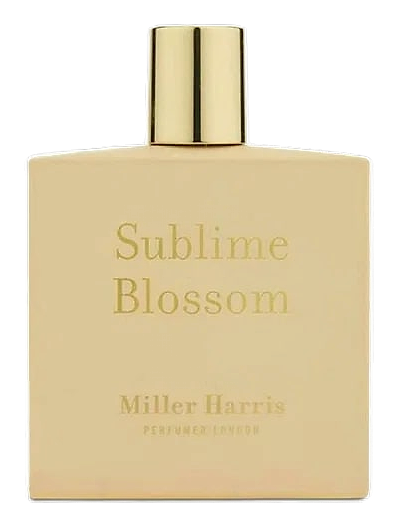
Fragrances featuring Tunisian Orange

Brands
Brands known for Tunisian Orange
Good to know
Questions, answered
The essentials on Tunisian Orange in perfumery: how it smells, where it comes from, and how it behaves on skin.
What does Tunisian orange blossom smell like?
Tunisian orange blossom offers a rich, sweet, slightly indolic white floral scent with honeyed and green undertones. It combines the optimistic freshness of citrus with deeper floral warmth, creating an immediate sunny impression in fragrance compositions.
How is Tunisian orange blossom different from regular orange?
Orange blossom comes from the bitter orange tree (Citrus aurantium), not the sweet orange tree. The blossom is a white flower, while orange fruit comes from the same tree's fruit. These are distinctly different aromatic materials.
What extraction method produces orange blossom absolute?
Solvent extraction yields orange blossom absolute, the most concentrated form. This process uses food-grade solvents to pull aromatic compounds from fresh flower petals, producing a highly aromatic material that captures the flower's complete scent profile.
When is orange blossom harvested in Tunisia?
Tunisian orange blossom harvesting occurs during April and May, typically lasting four to six weeks. Flowers are hand-picked daily, often before dawn, to preserve volatile aromatic molecules that can dissipate in heat and sunlight.
Is Tunisian orange blossom sustainable?
Tunisia produces significant quantities of orange blossom annually, with the bitter orange tree remaining abundant across North Africa. The country supplies a substantial portion of global orange blossom materials for the perfume industry.
What fragrances traditionally feature Tunisian orange blossom?
Tunisian orange blossom appears in numerous white floral fragrances as a heart note. It pairs frequently with neroli, jasmine, and rose, lending warmth and optimism to compositions ranging from light colognes to rich floral perfumes.
What is the difference between orange blossom absolute and neroli oil?
Orange blossom absolute comes from solvent extraction of the flowers, while neroli oil results from steam distillation of the same blossoms. The absolute is more concentrated and complex, while neroli is lighter and more citrus-like.
Why is Tunisia a major source for orange blossom?
Tunisia's Mediterranean climate with warm, dry conditions and well-drained soils creates ideal growing conditions for bitter orange trees. The country's long cultural relationship with the flower and established extraction infrastructure also support its position as a primary source.