Trinidad Cocoa
Trinidad cocoa carries a centuries-old legacy of flavour and aroma. From its 17th-century colonial roots to today's celebrated Trinitario hybrid, this ingredient brings deep, complex chocolate warmth to fine fragrances. Sourced from the beans of Theobroma cacao, it delivers a rich, multifaceted scent that perfumers treasure for its warmth and complexity.
Character
How it smells
Caribbean heritage in every note.
A 1727 hurricane forced Trinidad's Criollo trees to hybridize with Forastero, creating the prized Trinitario variety now sought by chocolatiers and perfumers worldwide.





Origin
Trinidad and Tobago
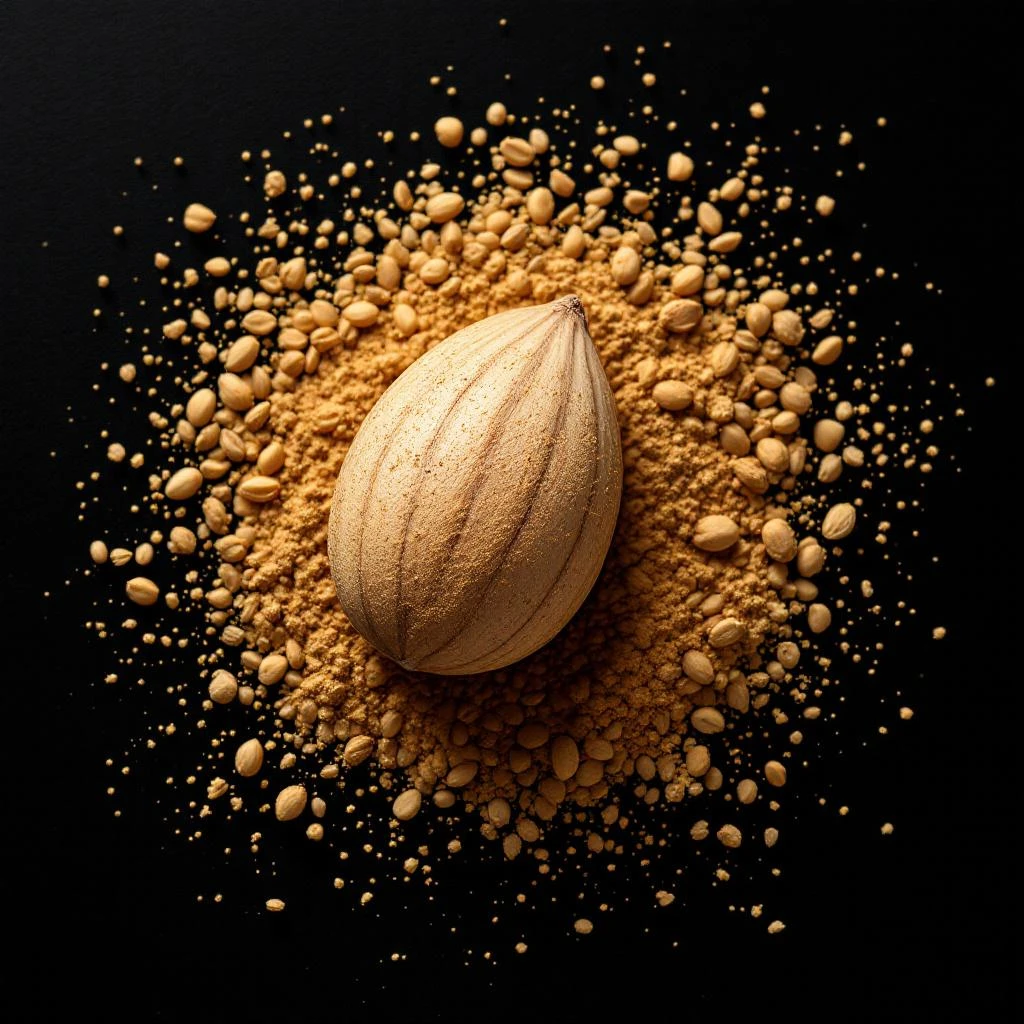
Cocoa arrived in Trinidad during the 17th century, likely introduced by Spanish settlers as one of the island's first cash crops for export. The industry expanded rapidly, and by the late 1800s cocoa had outstripped sugar to become Trinidad's leading agricultural export.
Between 1866 and 1921, the island ranked as the world's third-largest cocoa producer, trailing only Venezuela and Ecuador. In 1727, a devastating hurricane destroyed most of the delicate Criollo variety that originally grew on the island.
The surviving trees naturally crossed with hardier Forastero varieties, giving rise to the Trinitario hybrid—a naturally occurring cross that combines Criollo's refined flavour with Forastero's resilience. This hybrid became the cornerstone of Trinidad's cocoa identity, and today its beans produce some of the world's most aromatic cocoa, prized by fine chocolate makers and extracted for use in premium perfumery.
Wears it best
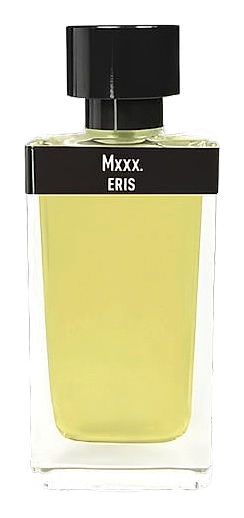
Fragrances featuring Trinidad Cocoa
Brands
Brands known for Trinidad Cocoa
Good to know
Questions, answered
The essentials on Trinidad Cocoa in perfumery: how it smells, where it comes from, and how it behaves on skin.
What is Trinidad cocoa in perfumery?
Trinidad cocoa is a solvent-extracted absolute from the beans of Theobroma cacao, primarily from Trinitario trees—a natural hybrid of Criollo and Forastero varieties that originated on the island. It delivers a rich, complex chocolate aroma with fruity and earthy undertones prized in fine fragrance.
How does Trinidad cocoa differ from other cocoa origins?
Trinidad cocoa comes from the Trinitario hybrid, which produces a more refined and fruity chocolate profile compared to the deeper, heavier notes typical of West African Forastero beans. This distinctive complexity makes Trinidad-origin cocoa especially valued in perfumery for its layered character.
What extraction method produces cocoa absolute?
Cocoa absolute uses solvent extraction, typically with food-grade ethanol or hexane, applied to fermented and dried cocoa nibs. The solvent dissolves the lipophilic aroma molecules, and after evaporation, leaves a concentrated absolute with deep chocolate character.
Why is Trinidad significant in cocoa history?
Trinidad was the world's third-largest cocoa producer between 1866 and 1921, trailing only Venezuela and Ecuador. Its colonial-era cocoa industry shaped the island's agricultural identity and produced the Trinitario hybrid that now defines its cocoa reputation.
What is the Trinitario cocoa variety?
Trinitario is a natural hybrid that emerged after a 1727 hurricane destroyed most of Trinidad's delicate Criollo trees. The surviving Criollo trees crossed with hardier Forastero varieties, creating a hybrid combining Criollo's refined flavour with Forastero's resilience. This variety defines Trinidad cocoa today.
What does Trinidad cocoa smell like in a fragrance?
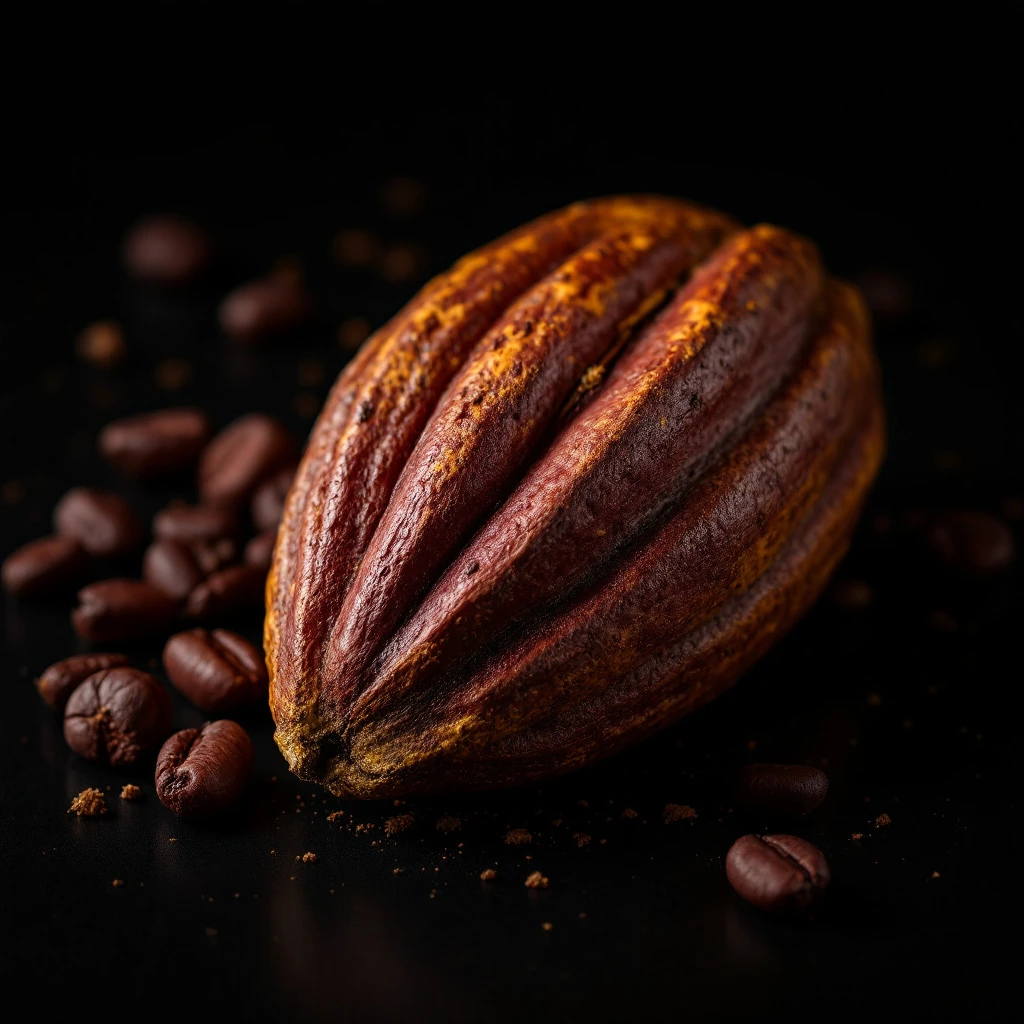
Trinidad cocoa absolute reads as rich, dark chocolate with undertones of dried fruit, roasted nuts, and subtle earthy warmth. It functions as a base note that adds depth and sensual warmth, especially in oriental, gourmand, and amber fragrance families.
Is cocoa absolute safe to use in perfume?
Cocoa absolute is approved for cosmetic use under IFRA standards when properly sourced and processed. Like any natural material, it should be included at IFRA-compliant concentrations. Cocoa beans themselves are not a common allergen, though full INCI disclosure is required.
Can synthetic cocoa be used instead of natural cocoa absolute?
Synthetic cocoa reconstructions exist and offer consistency at lower cost, but they lack the multidimensional depth of natural cocoa absolute. Natural Trinidad cocoa provides aromatic nuance—fruity, earthy, and tobacco-like facets—that synthetic versions typically cannot fully replicate.