Timor Sandalwood
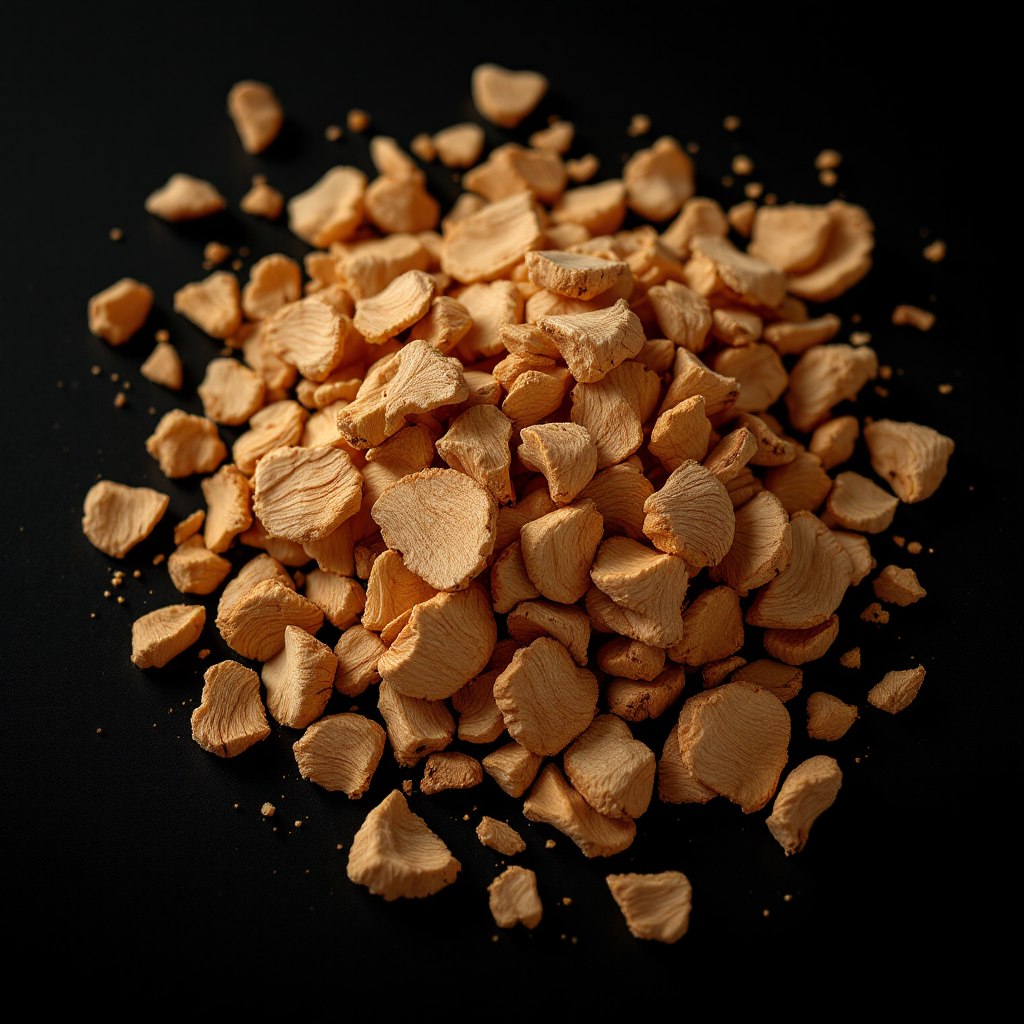
Timor Sandalwood carries the sacred lineage of an ancient trade route, producing oil with exceptional depth and creamy warmth prized across millennia by perfumers and traders alike.
Character
How it smells
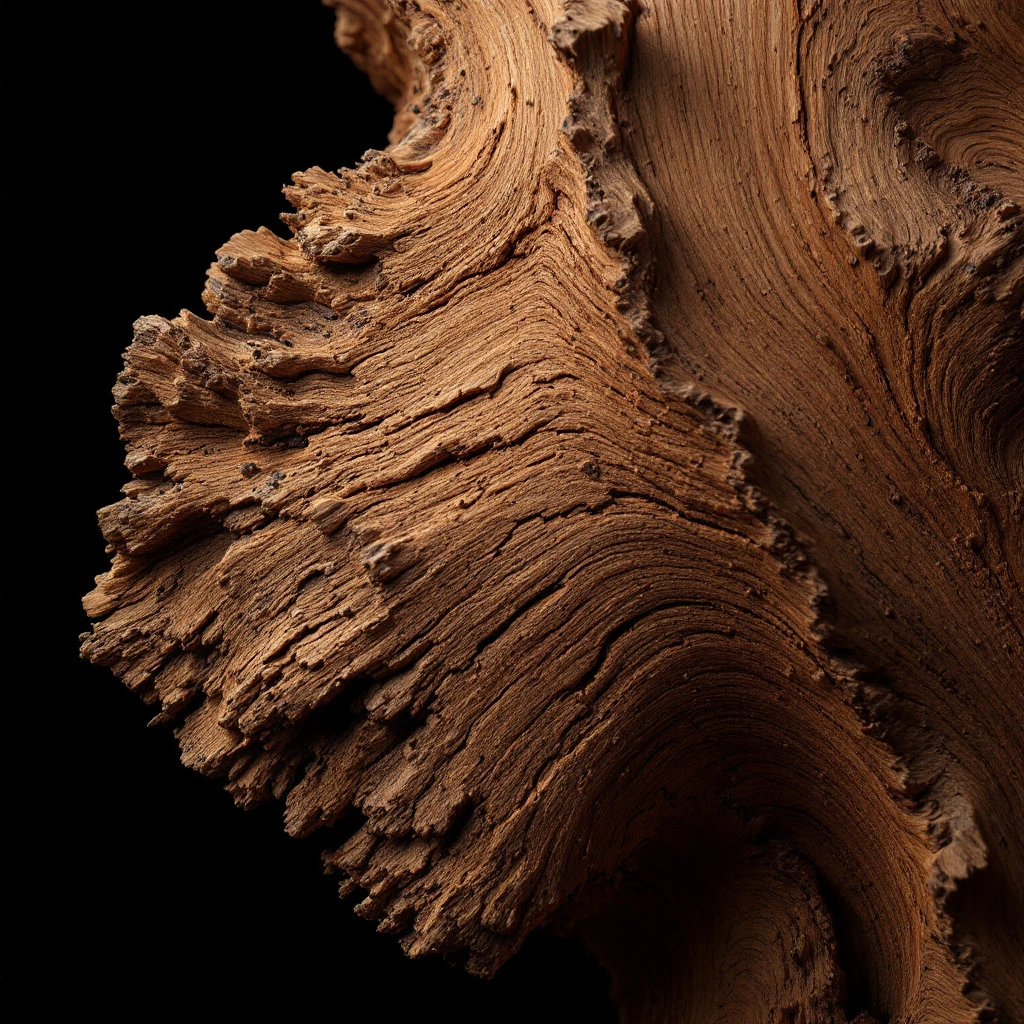
Island-born wood with a sacred heritage.
Timor sandalwood fueled a thriving spice trade centuries before sandalwood became a perfume ingredient.




Origin
Indonesia
The island of Timor sits at the crossroads of ancient maritime trade routes connecting India, Southeast Asia, and China. Sandalwood from Timor has been traded for over two millennia, appearing in Chinese records from the Tang dynasty and serving as a commodity sought by Arab merchants and later European explorers. The wood held spiritual significance for indigenous Timorese cultures, used in rituals and traditional medicine long before it caught the attention of global markets.
During the colonial era, Timor sandalwood became a valuable export commodity, with Portuguese and Dutch traders exchanging it alongside spices and other luxury goods. The sustained demand over centuries has made truly wild Timor sandalwood increasingly scarce, prompting cultivation efforts across the region.
Wears it best
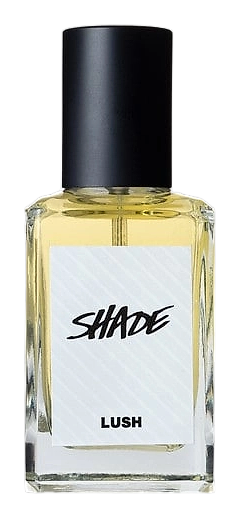
Fragrances featuring Timor Sandalwood
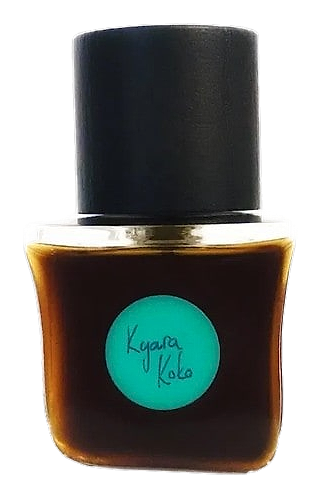
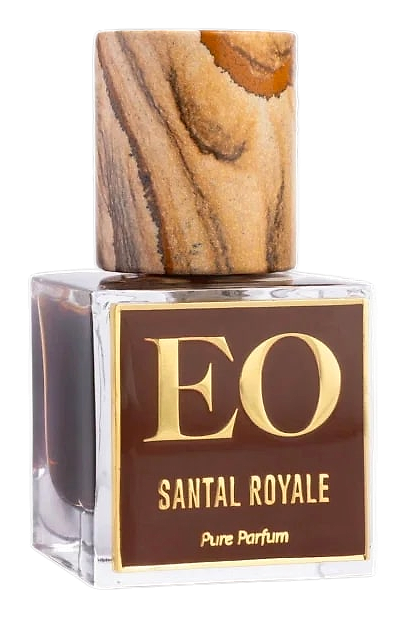
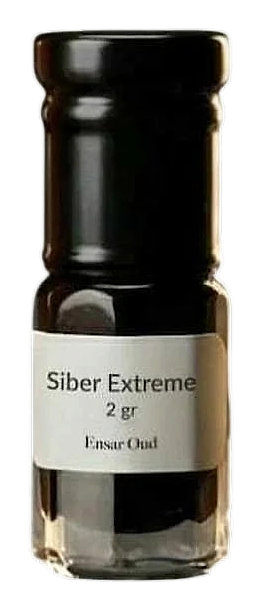
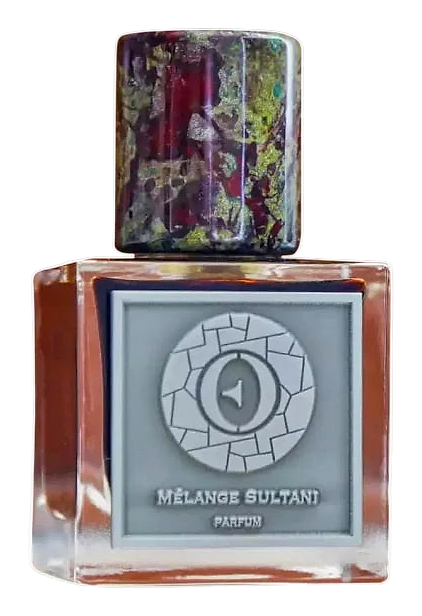
Good to know
Questions, answered
The essentials on Timor Sandalwood in perfumery: how it smells, where it comes from, and how it behaves on skin.
What makes Timor sandalwood distinct from other sandalwood origins?
Timor sandalwood produces an oil with particularly high alpha-santalol content, yielding a richer, more persistent base note. Its growth conditions on dry, volcanic soils contribute to a more intensely aromatic heartwood.
How long must a sandalwood tree grow before harvest?
Mature sandalwood trees suitable for oil extraction require 15 to 30 years of growth. Trees younger than this produce heartwood with significantly lower aromatic compound concentrations.
Why is sandalwood one of the most expensive woods in the world?
Sandalwood commands premium prices because of its slow growth cycle, high demand across perfumery and religious uses, and strict harvesting regulations that limit supply from traditional sources.
What role do sesquiterpenes play in sandalwood's scent?
Alpha-santalol and beta-santalol are the primary aromatic compounds. They create sandalwood's characteristic creamy, sweet-woody profile with subtle milk-like undertones.
Can sandalwood be harvested sustainably?
Sustainable plantations in Australia and India now supply much of the market. These operations grow sandalwood as a plantation crop alongside host trees, mimicking natural growth patterns.
What extraction method produces the highest quality sandalwood oil?
Steam distillation of dried heartwood remains the gold standard. The process preserves delicate aromatic compounds while separating them from the woody matrix.
How is sandalwood used in modern perfumery?
Sandalwood functions as a foundational base note in countless fragrances. It acts as an excellent fixative, extending the longevity of lighter top and heart notes while adding creamy warmth.
What is the historical significance of Timor in the sandalwood trade?
Timor served as a major export point for sandalwood for over 2000 years, appearing in Chinese Tang dynasty records and fueling trade routes across the Indian Ocean and South China Sea.