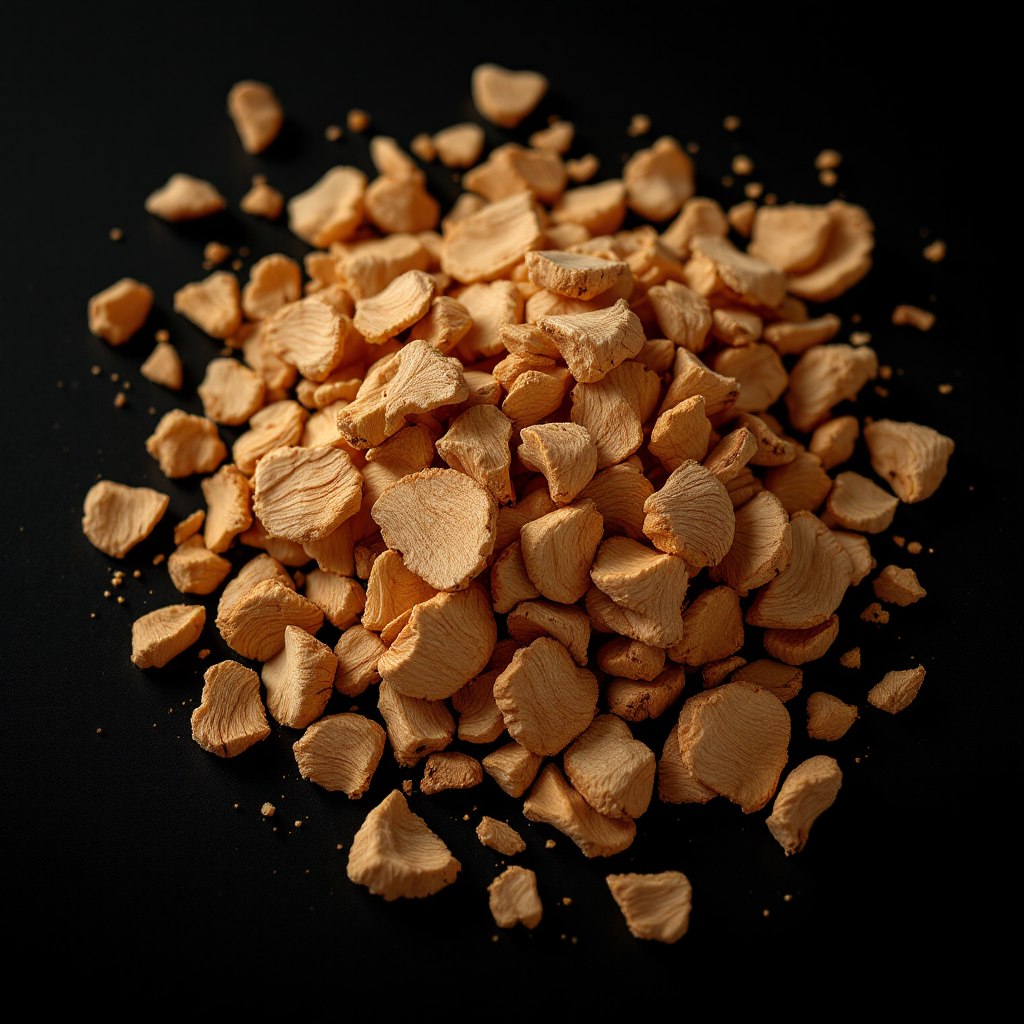
Tea Bush Wood
The woody heart of the tea plant, Tea Bush Wood delivers a warm, smoky-green aromatic profile that grounds fragrance compositions with quiet elegance.
Character
How it smells
Where forest floor meets morning mist.
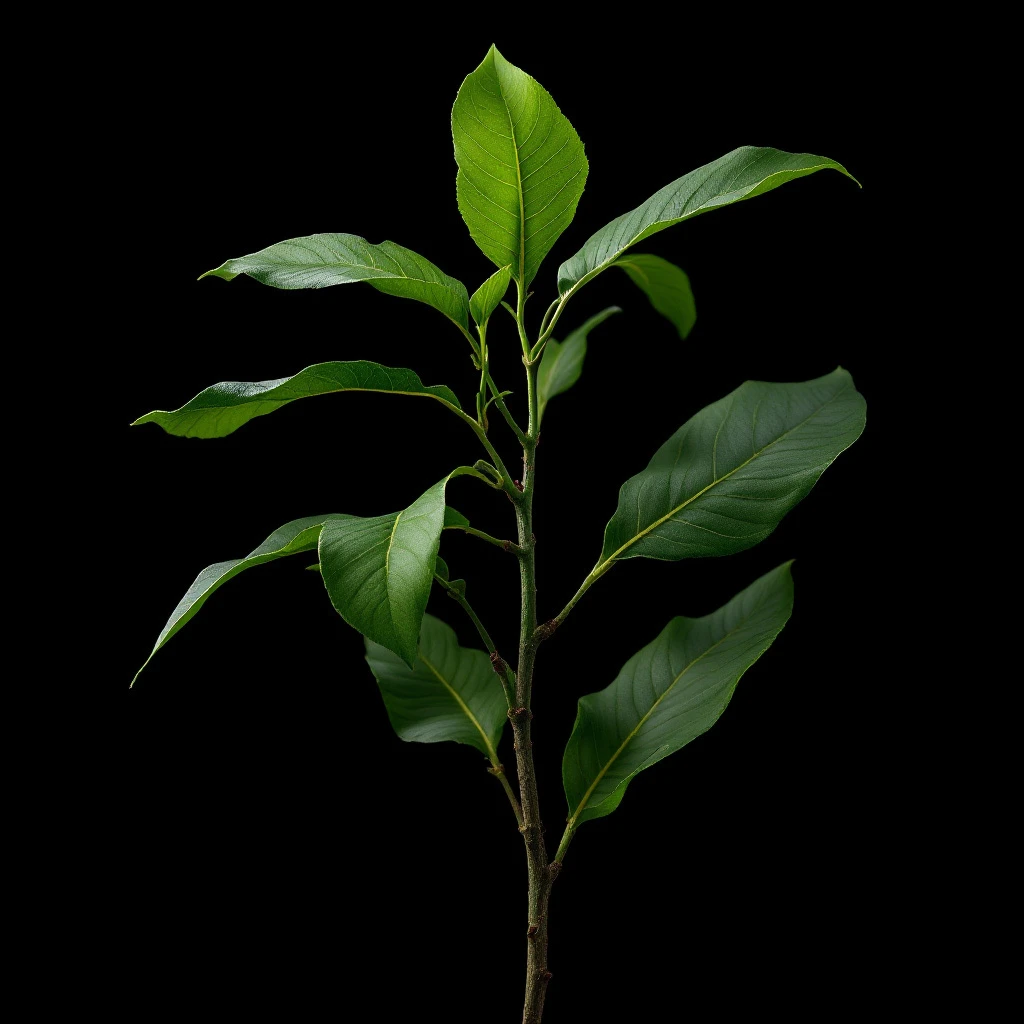
Camellia sinensis wood yields its essence only after the plant matures for 15-20 years, making older plantations more prized.
Pairs beautifully with



Origin
China
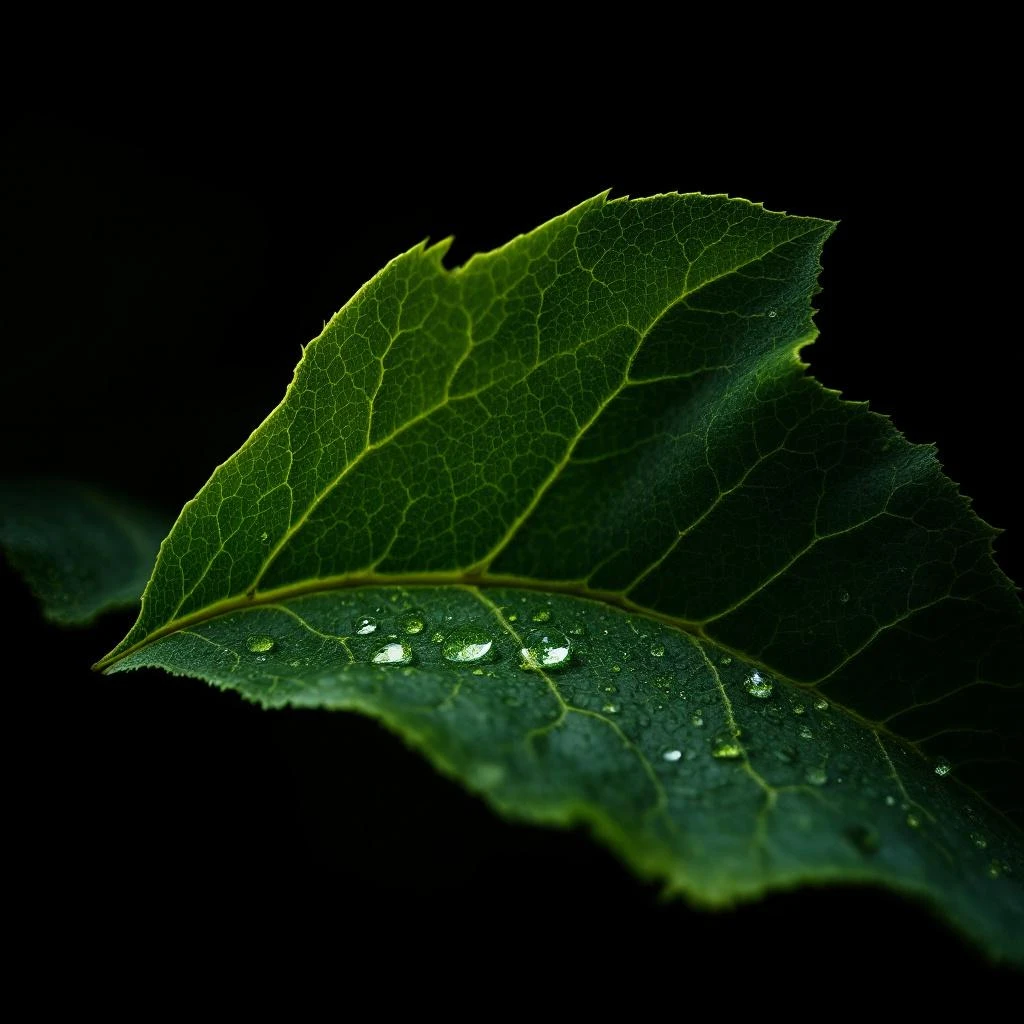
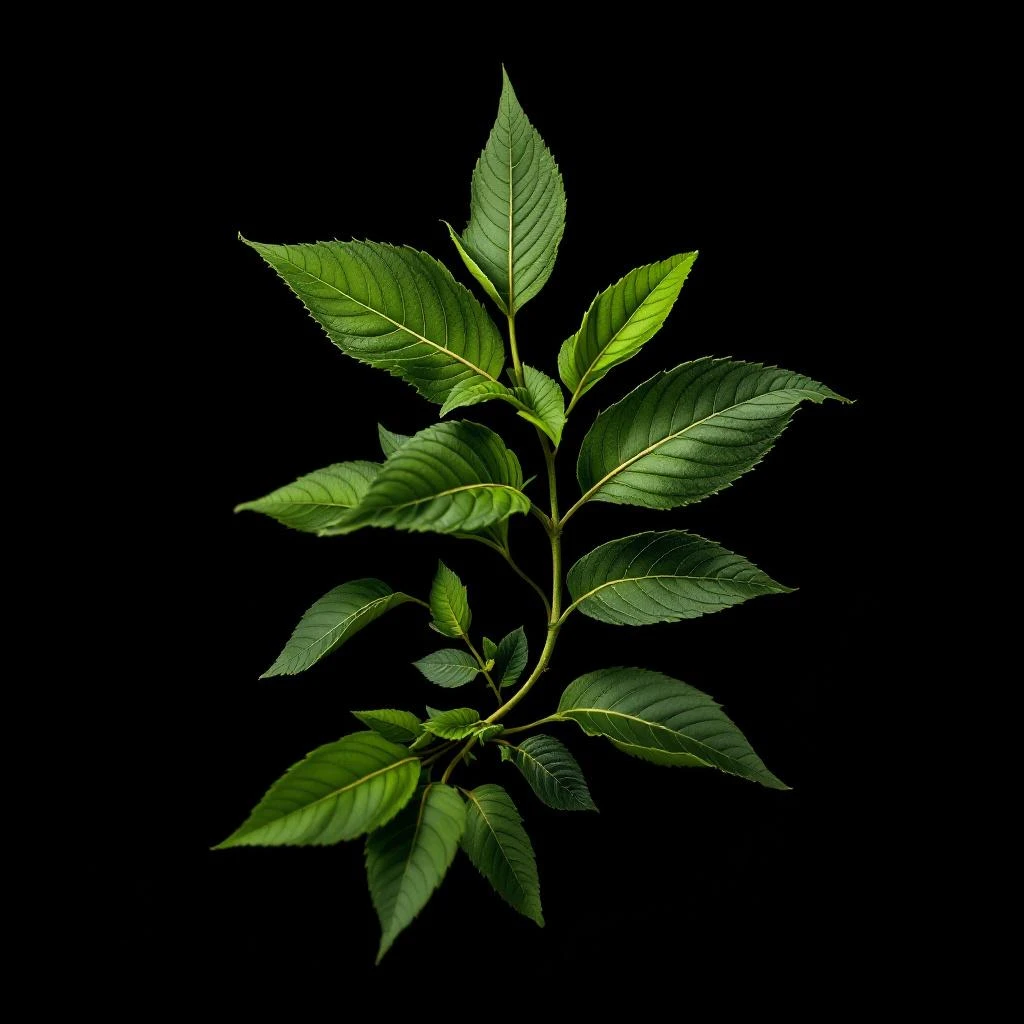
The tea plant Camellia sinensis originated in southwest China, where it has been cultivated for over 3,000 years, initially for medicinal purposes before becoming the world's most consumed beverage. While tea leaves dominated cultural and commercial significance, traditional Chinese medicine also utilized other parts of the plant, including wood and stems, for their aromatic and therapeutic properties.
The distillation of tea bush wood emerged as a practice alongside the broader development of aromatic wood distillation techniques in East Asia. Today, the ingredient remains deeply connected to tea-growing regions of China, Japan, India, and Sri Lanka, carrying centuries of botanical heritage into modern perfumery as a subtle nod to the plant's complete aromatic identity beyond the familiar leaf.
Wears it best
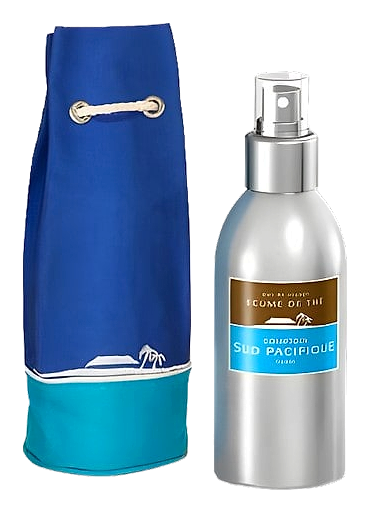
Fragrances featuring Tea Bush Wood
Brands
Brands known for Tea Bush Wood
Good to know
Questions, answered
The essentials on Tea Bush Wood in perfumery: how it smells, where it comes from, and how it behaves on skin.
What does Tea Bush Wood smell like?
Tea Bush Wood has a warm, woody aroma with smoky and slightly green undertones. It evokes damp forest floor, dried timber, and faint tea-like freshness, making it a distinctive base note in perfumery.
Is Tea Bush Wood a natural ingredient?
Yes, Tea Bush Wood is a natural material derived from the wood and stems of the Camellia sinensis plant through steam distillation. No synthetic replicas perfectly capture its full aromatic complexity.
What type of fragrance does Tea Bush Wood add to perfumes?
Tea Bush Wood functions primarily as a base note, providing depth, warmth, and subtle smokiness. It works exceptionally well in woody, aromatic, and green fragrance compositions.
How is Tea Bush Wood harvested?
The wood comes from mature Camellia sinensis plants, typically harvested after 15-20 years of growth. Only the woody stems and branches, not the leaves, are collected for distillation.
Does Tea Bush Wood contain caffeine?
Tea Bush Wood essential oil contains negligible caffeine content. The steam distillation process used to extract the aromatic compounds does not transfer significant amounts of caffeine to the final oil.
Which fragrance families use Tea Bush Wood?
Tea Bush Wood appears most often in woody, chypre, aromatic, and green fragrance families. It pairs naturally with notes like vetiver, cedarwood, bergamot, and herbal accords.
What countries produce Tea Bush Wood?
China remains the primary source, though India, Japan, and Sri Lanka also produce Camellia sinensis-derived aromatic materials. Regional growing conditions significantly influence the final oil's character.
Is Tea Bush Wood sustainable?
Sustainable production depends on responsible harvesting practices. Since the plant requires many years to mature, ethical producers ensure replanting and long-term cultivation rather than depleting existing stands.