Taro
A contemporary aromatic accord capturing the starchy, creamy soul of the taro root. This modern perfumery creation brings an unexpected vegetable depth and milky sweetness to compositions, appealing to those seeking distinctive gourmand signatures.
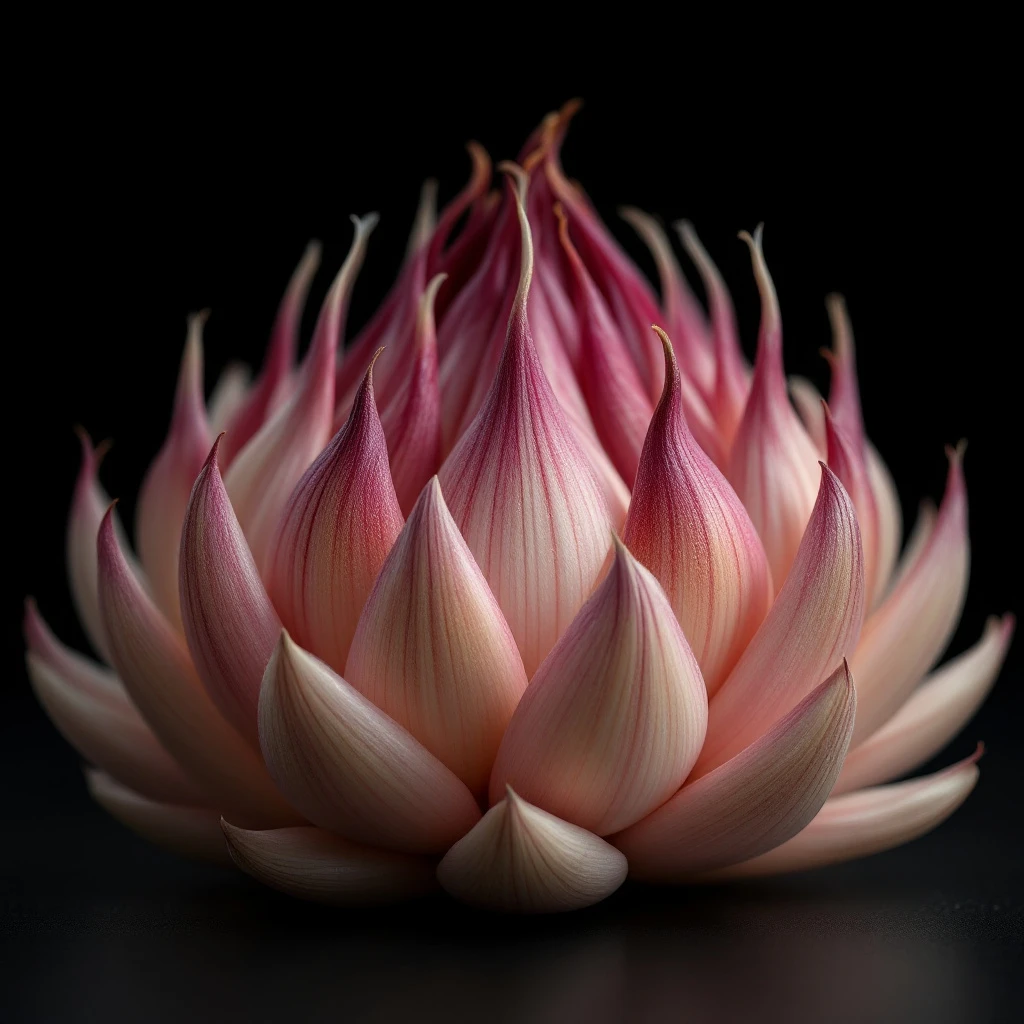
Character
How it smells
The earthy sweetness of a tuber translated into scent
Taro has been cultivated for over 10,000 years, making it one of humanity's oldest domesticated plants.





Origin
Southeast Asia
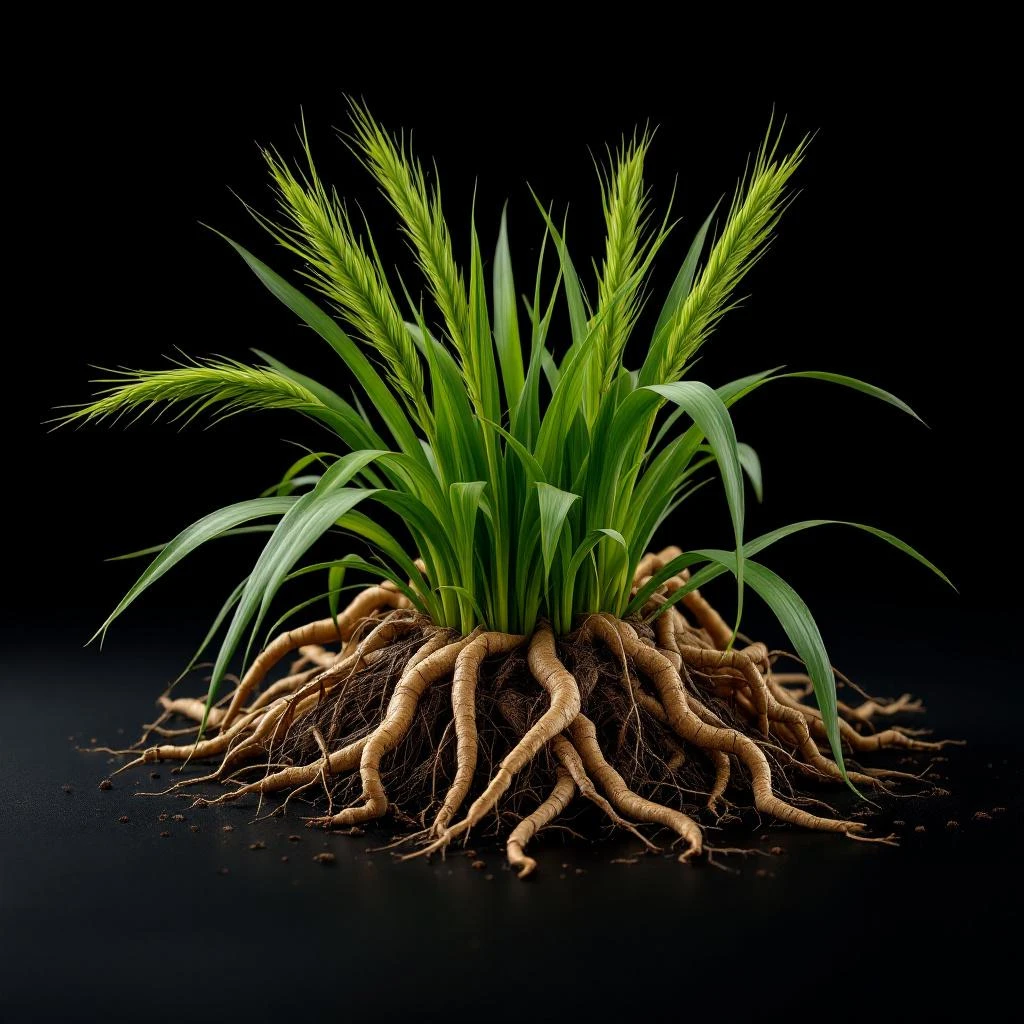
Taro (Colocasia esculenta) originated in Southeast Asia, where it was first domesticated approximately 10,000 years ago in regions encompassing modern India and Malaysia. The plant traveled along ancient trade routes, establishing itself as a dietary staple across Polynesia, Africa, and the Caribbean. While culinary applications are ancient and extensive, the integration of taro into perfumery represents a distinctly modern development.
As contemporary fragrance creators began exploring unconventional notes to craft unique olfactory stories, taro's subtle starchy sweetness and creamy undertones presented an intriguing possibility. The first taro-scented fragrances emerged in the early 2000s, aligning with the gourmand movement that saw perfumers drawing inspiration from kitchens and gardens rather than traditional botanical perfume materials.
Wears it best
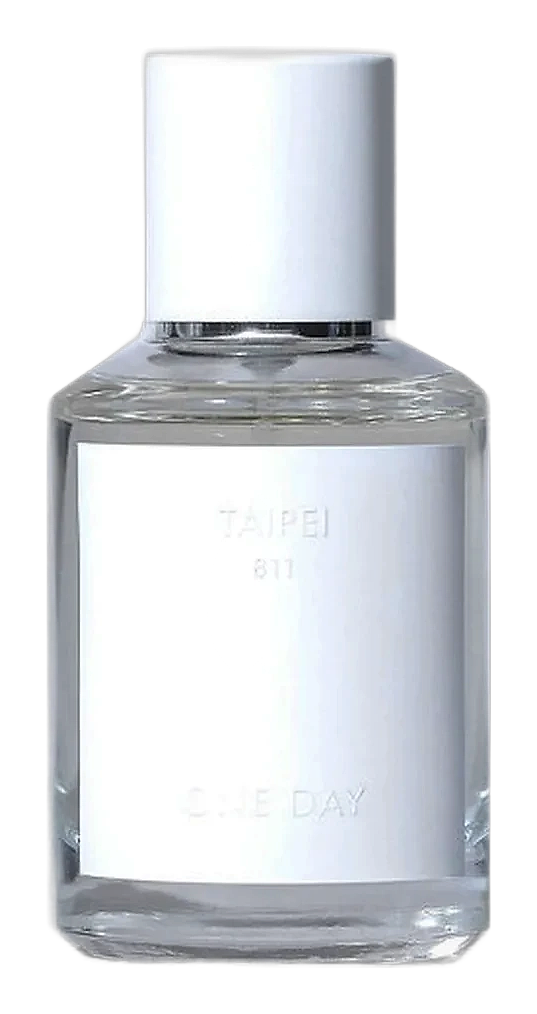
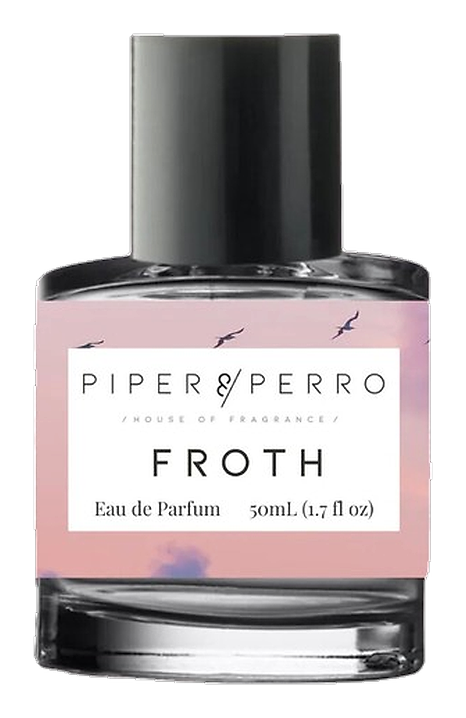
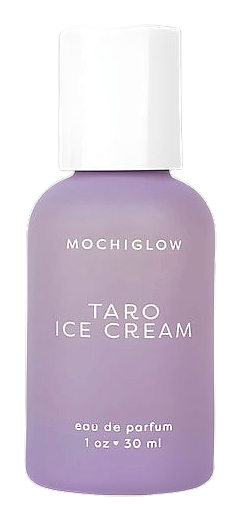
Fragrances featuring Taro
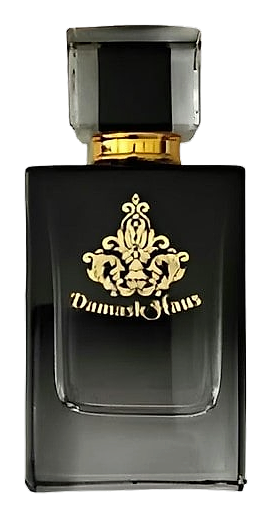
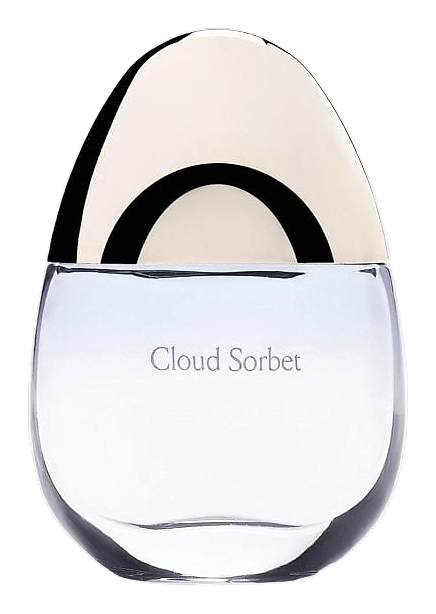
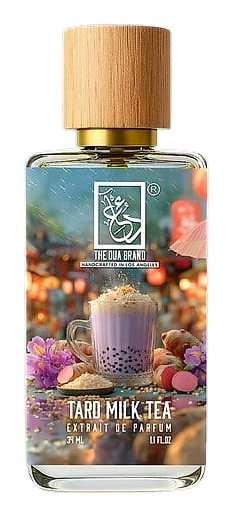
Brands
Brands known for Taro
Good to know
Questions, answered
The essentials on Taro in perfumery: how it smells, where it comes from, and how it behaves on skin.
Is taro a natural or synthetic fragrance ingredient?
Taro is a synthetic aromatic accord. No natural taro extract exists for perfumery, so perfumers combine aromatic molecules to replicate the root's starchy, milky scent profile.
What does taro smell like in fragrance?
Taro fragrance notes typically present as starchy and slightly sweet, with creamy, milky undertones and a subtle earthy quality reminiscent of fresh root vegetables.
When did taro first appear in perfumery?
Taro accords emerged in mainstream perfumery during the early 2000s, coinciding with the gourmand fragrance movement that embraced unconventional culinary-inspired ingredients.
Which type of fragrances commonly use taro notes?
Taro appears primarily in gourmand and fresh fragrance compositions. It pairs well with coconut, vanilla, and aquatic notes, adding vegetable depth to otherwise sweet scent profiles.
What makes taro an unusual perfumery ingredient?
Most fragrance ingredients have botanical or aromatic origins. Taro stands apart as a synthetic creation designed to capture a specific vegetable quality rarely explored in traditional perfumery.
Can taro notes be detected individually in a fragrance blend?
Taro functions as a supporting note rather than a dominant one. Its starchy quality adds body to bases without announcing itself prominently, similar to how rice or potato notes operate in culinary contexts.
Where does the taro plant grow naturally?
Taro originated in Southeast Asia, with evidence of cultivation in India and Malaysia dating back approximately 10,000 years. It now grows across tropical and subtropical regions worldwide.
Are there any allergens associated with synthetic taro accords?
Synthetic taro accords contain no botanical allergens. However, as with any fragrance compound, individual sensitivity varies, and specific component allergens depend on the accord's formulation.