Taiwan Incense-cedar
Taiwan incense cedar brings a mellow, quietly resinous character to fragrance, with gentle wood, floral warmth and soft caramel nuances.

Character
How it smells
Warm temple incense, softened by Taiwanese cedarwood.
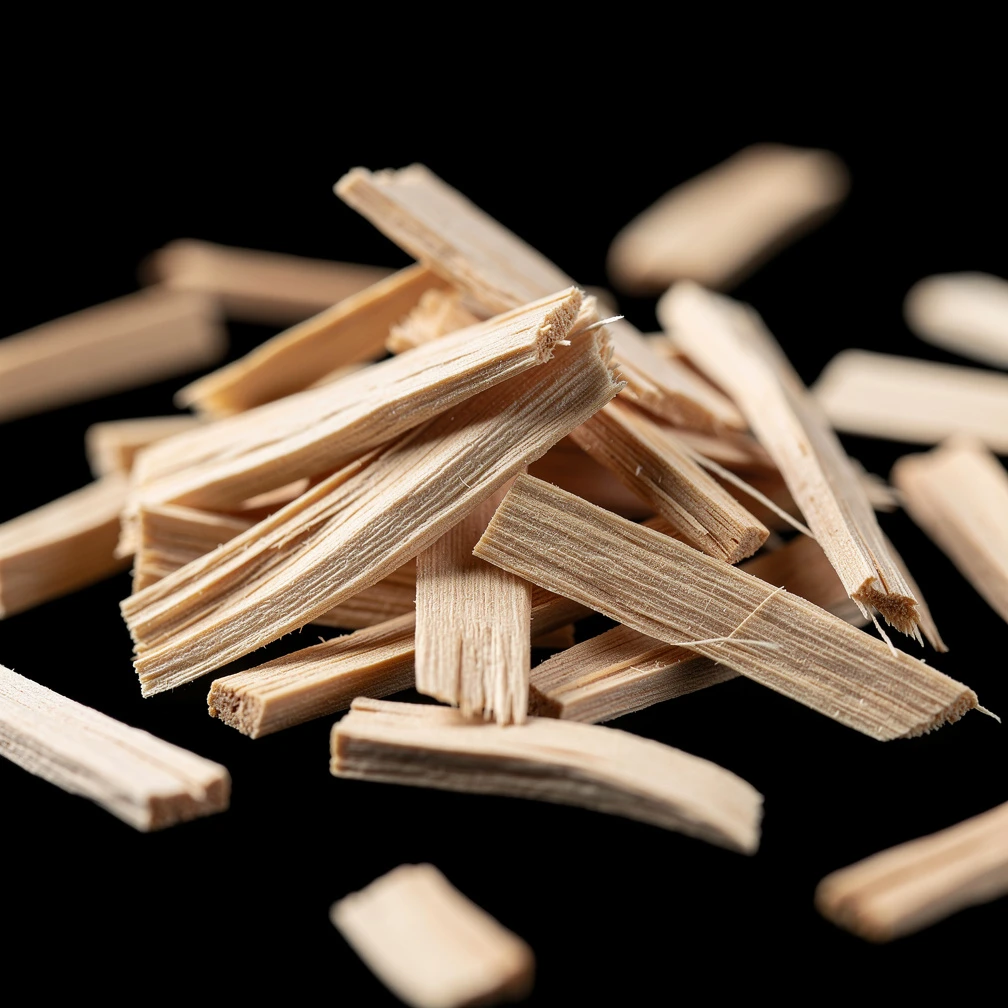
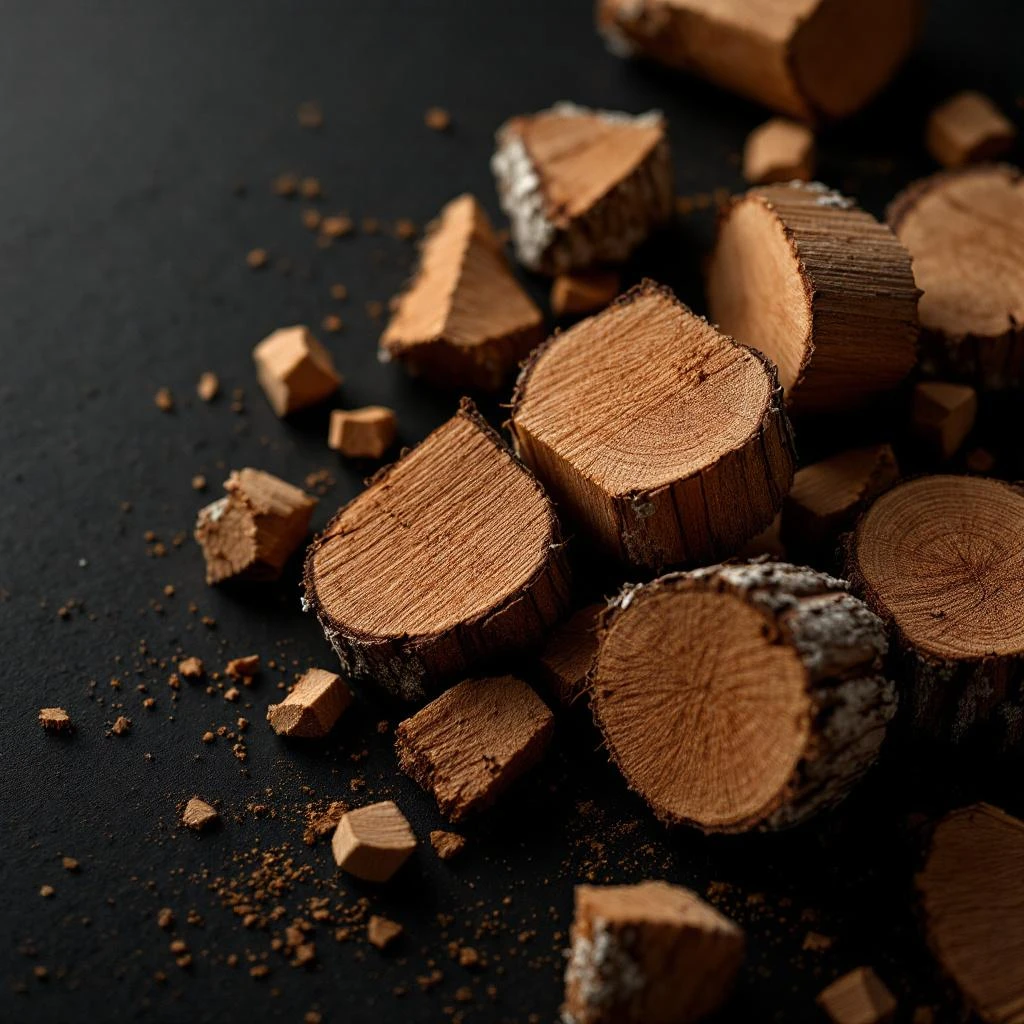
Surplus wood can be steam-distilled for its aromatic oil, while the remaining material is ground for use in incense.
Pairs beautifully with
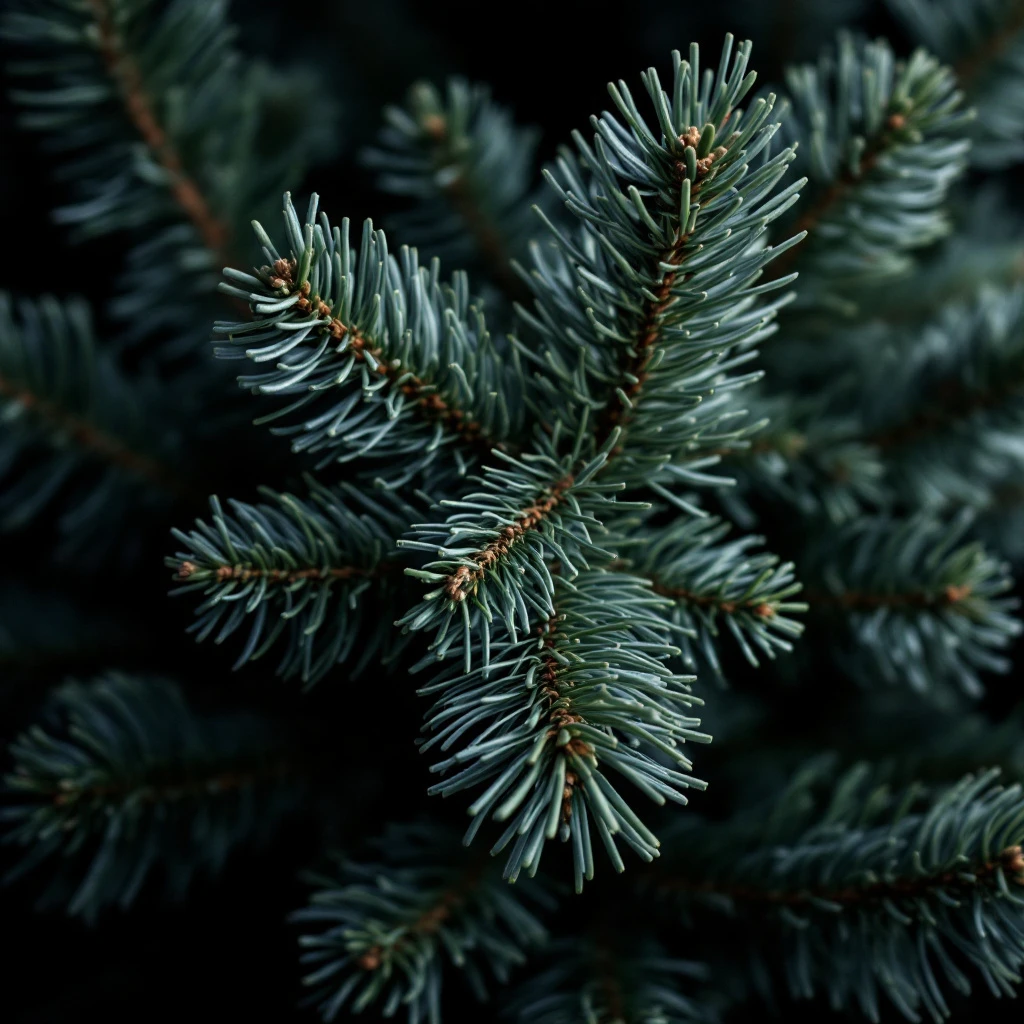
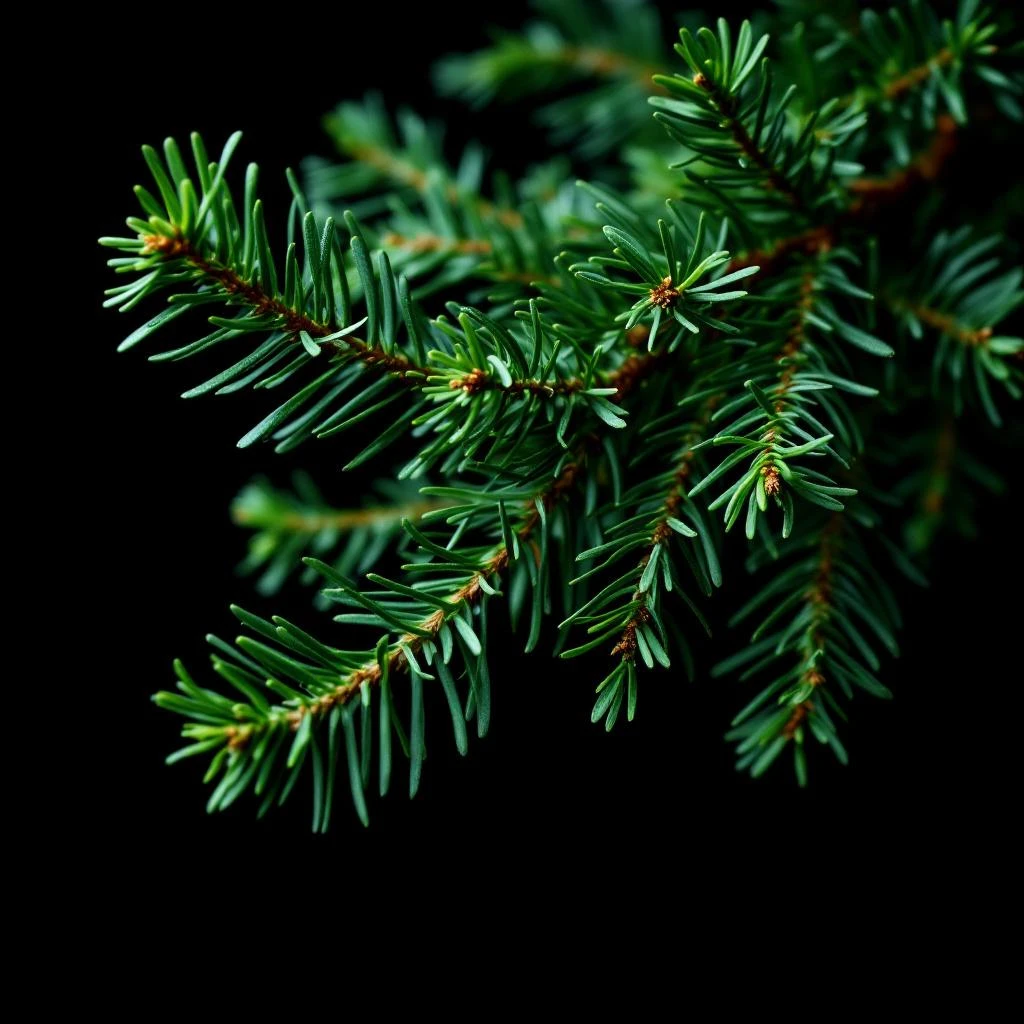
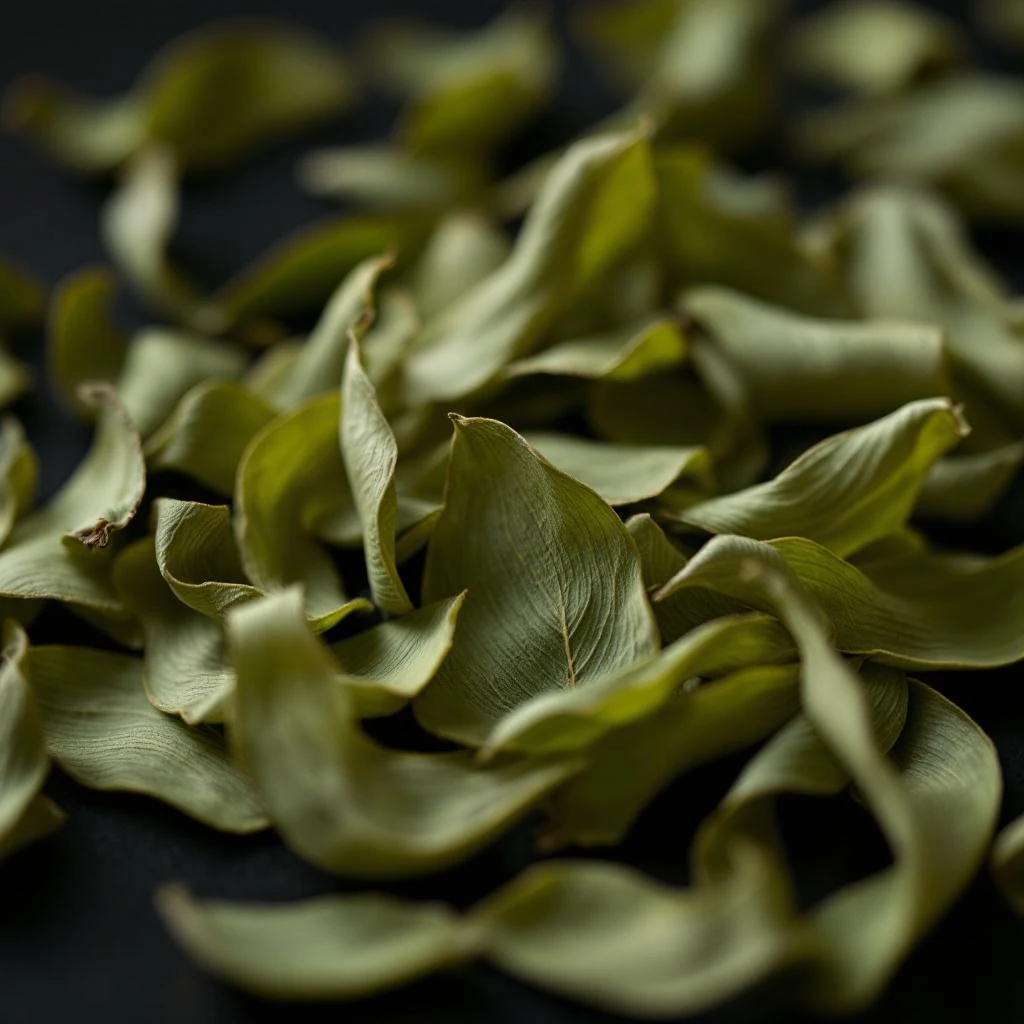
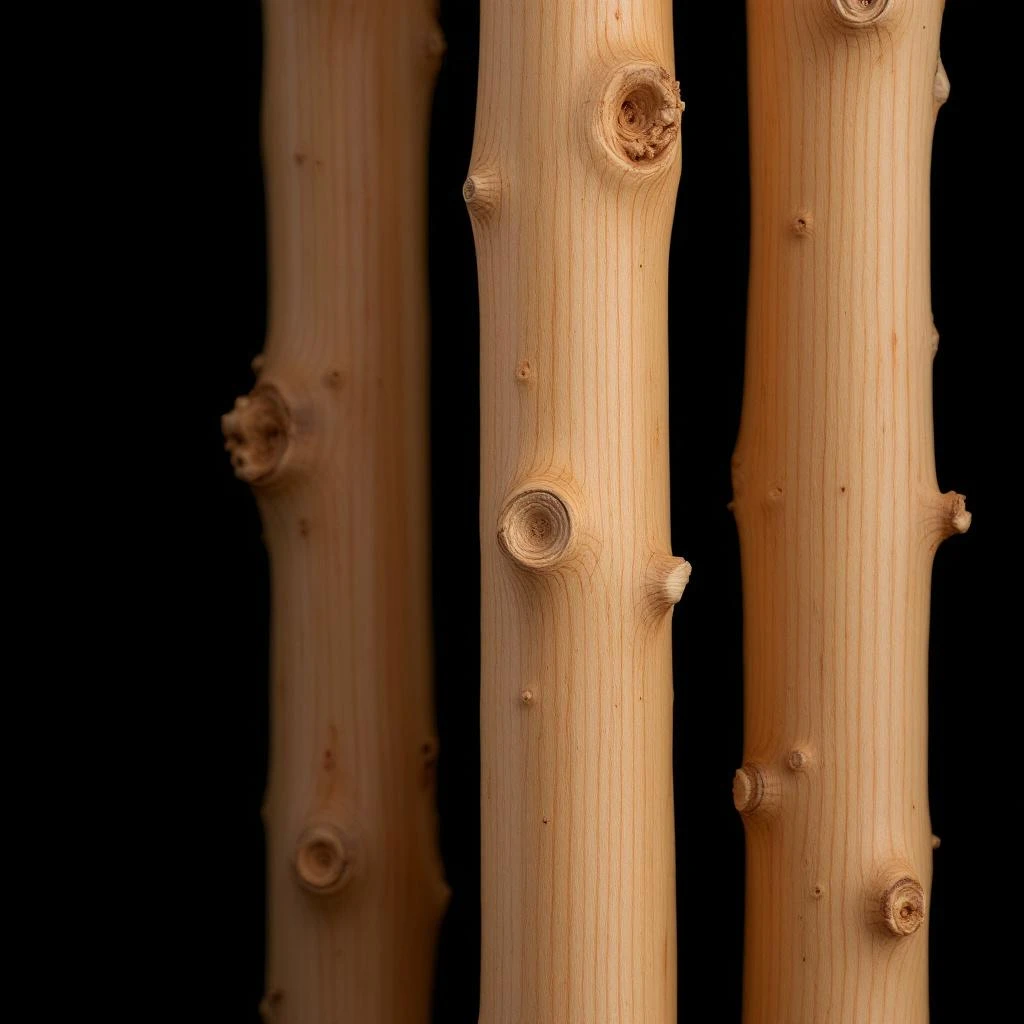
Origin
Taiwan
Incense has a long history in human culture, appearing more than 6,000 years ago with early civilizations in Mesopotamia and Egypt. In Taiwan, incense carries particular cultural resonance because it is associated with local temples and the ritual atmosphere surrounding worship. Modern fragrance makers have paired that familiar temple impression with Taiwan cypress and cedar to represent the island’s forests.
The result is not simply a representation of smoke. Taiwanese cedarwood contributes a smoother, more polished woody character, balancing the dry, ceremonial quality of incense. This approach connects natural materials with lived cultural memory, giving the note a calm and grounded sense of place.
Historically, cedarwood oils were already valued in perfumery for their warm, persistent character. Today, Taiwan incense cedar continues that tradition through local distillation and the conversion of wood residues into both oil and incense.
Wears it best
Fragrances featuring Taiwan Incense-cedar
Brands
Brands known for Taiwan Incense-cedar
Good to know
Questions, answered
The essentials on Taiwan Incense-cedar in perfumery: how it smells, where it comes from, and how it behaves on skin.
What does Taiwan incense cedar smell like?
Taiwan incense cedar smells mellow, warm and resinous, with woody depth, soft floral notes and subtle caramel or honey nuances. Its character is restrained and smooth rather than sharply medicinal.
Is Taiwan incense cedar the same as ordinary cedarwood oil?
Not always. Taiwan incense cedar refers to a specific regional material and its processing, while cedarwood oils can come from several botanical sources. Their aromatic profiles vary, but Taiwanese incense cedar is known for a gentle, elegant character.
How is Taiwan incense cedar oil extracted?
It is commonly extracted from wood through steam or water distillation. One Taiwanese method distills surplus material for oil, then grinds the remaining wood into incense, improving use of the source.
Which part of the tree is used in perfumery?
Wood is the principal aromatic material, including durable heartwood and some distillation byproducts. After oil recovery, the remaining wood may be ground for use as incense.
Why is incense linked with Taiwan in fragrance culture?
Incense has a strong ritual connection with Taiwanese temples, where its smoke forms part of the atmosphere of worship. Fragrance creators use this association to suggest warmth, reverence and local cultural memory.
Does Taiwan incense cedar smell strongly of smoke?
The material can evoke dry incense, but it is usually more balanced by smooth wood and subtle sweet nuances. Depending on the composition, it may suggest temple smoke without tasting or smelling strongly burnt.
What fragrance notes complement Taiwan incense cedar?
Soft florals, honey, caramel-like materials, dry woods and restrained resins complement its profile. Jasmine tea has also been used with Taiwanese cypress and cedar to evoke a distinctly local composition.
Does the name Taiwan incense cedar refer to a single tree species?
It can function as a trade or fragrance description rather than a precise botanical name. Different producers may use different local cedar materials, so the source and extraction method should be checked for exact composition.