Tachibana Orange Blossom
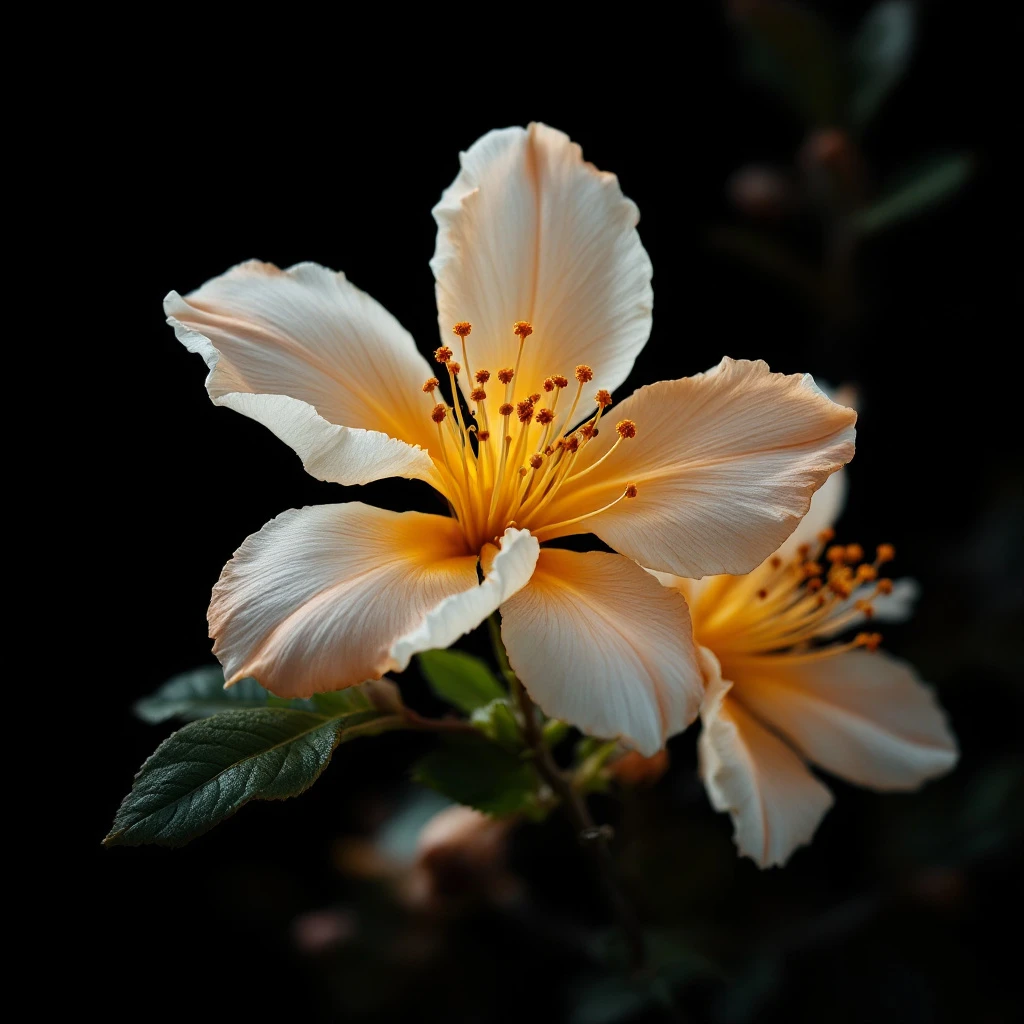
Tachibana orange blossom, sourced from Japan's indigenous bitter orange, delivers a cleaner, greener interpretation of citrus florals than its Mediterranean cousins. This ancient Japanese ingredient carries cultural weight beyond its scent.
Character
How it smells
Japan's wild citrus gem, steeped in imperial tradition.
Japanese emperors used tachibana blossoms in ceremonial coronations over a thousand years ago, long before Western perfumery adopted the bitter orange.




Origin
Japan
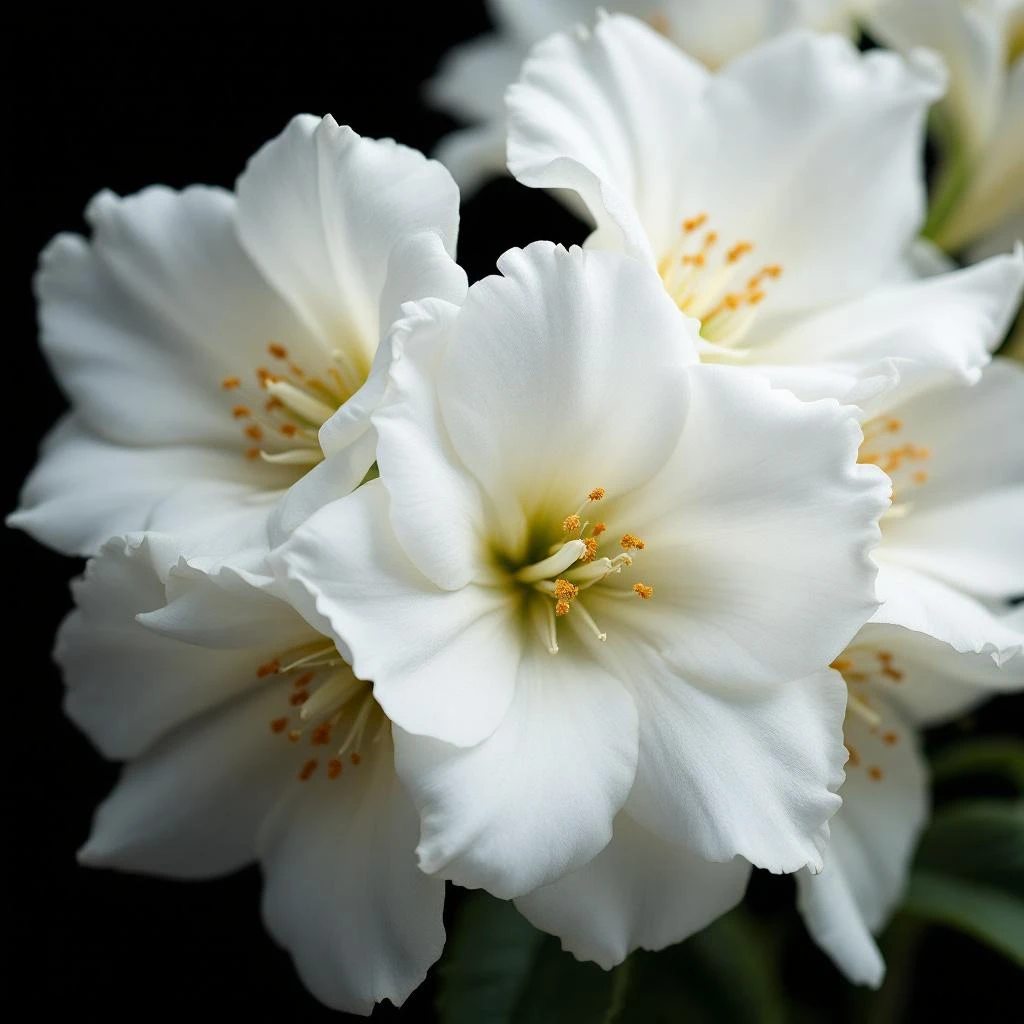
Tachibana orange holds a singular place in Japanese horticultural history. While the bitter orange tree traveled from China and India to the Mediterranean world, a distinct wild variety, Citrus tachibana, evolved independently in Japan's islands.
Historical records from the Nara period (710-794 CE) document tachibana blossoms adorning imperial ceremonies, where their purity symbolized renewal and good fortune. The small, intensely scented flowers became embedded in court culture and later in Shinto purification rituals.
Despite its ancient pedigree, tachibana nearly vanished from Japanese landscapes during the Meiji era, when Western citrus hybrids displaced traditional varieties for commercial cultivation. Only recently have preservation efforts revived tachibana groves, driven partly by perfumers seeking distinctive aromatic materials that carry genuine cultural lineage.
Wears it best
Fragrances featuring Tachibana Orange Blossom
Brands
Brands known for Tachibana Orange Blossom
Good to know
Questions, answered
The essentials on Tachibana Orange Blossom in perfumery: how it smells, where it comes from, and how it behaves on skin.
What makes tachibana orange blossom different from regular orange blossom?
Tachibana orange blossom comes from Citrus tachibana, a wild species native to Japan. It produces smaller flowers with a cleaner, greener scent profile and higher neroli-like freshness compared to Mediterranean bitter orange blossoms.
Does tachibana orange blossom occur naturally?
Yes. Citrus tachibana is a wild species endemic to Japan, particularly found in southern regions and on Shikoku island. It grows in mountainous coastal areas rather than cultivated orchards.
Is tachibana orange blossom sustainable?
Supply remains limited. The species nearly disappeared during the 20th century, and current cultivation exists primarily in small groves dedicated to preservation rather than commercial production.
What does tachibana orange blossom absolute smell like?
The absolute presents as a澄んだ (clear), slightly bitter floral with green undertones, less honeyed than neroli. It retains the classic orange blossom signature but adds a crisp, almost aquatic quality.
How long does it take for tachibana trees to produce harvestable blossoms?
Like other bitter orange varieties, tachibana trees require approximately 8-10 years of growth before reaching full flowering capacity and producing commercially viable yields.
Can tachibana orange blossom be synthetically replicated?
Synthetic orange blossom materials exist, but they lack the dimensional complexity of the absolute. Natural tachibana blossom contains trace compounds that analytical chemistry has not fully mapped.
Is tachibana orange blossom the same as neroli?
No. Neroli results from steam distillation of orange blossom, producing an essential oil. Tachibana orange blossom absolute comes from solvent extraction, capturing a different chemical profile including heavier molecules that steam distillation destroys.
Which fragrance families commonly use tachibana orange blossom?
Niche and artistic perfumery houses primarily use it. It appears most often in light florals, citrus chypres, and green oriental compositions where its distinctive character can stand without heavy blending.




