Swiss Mint
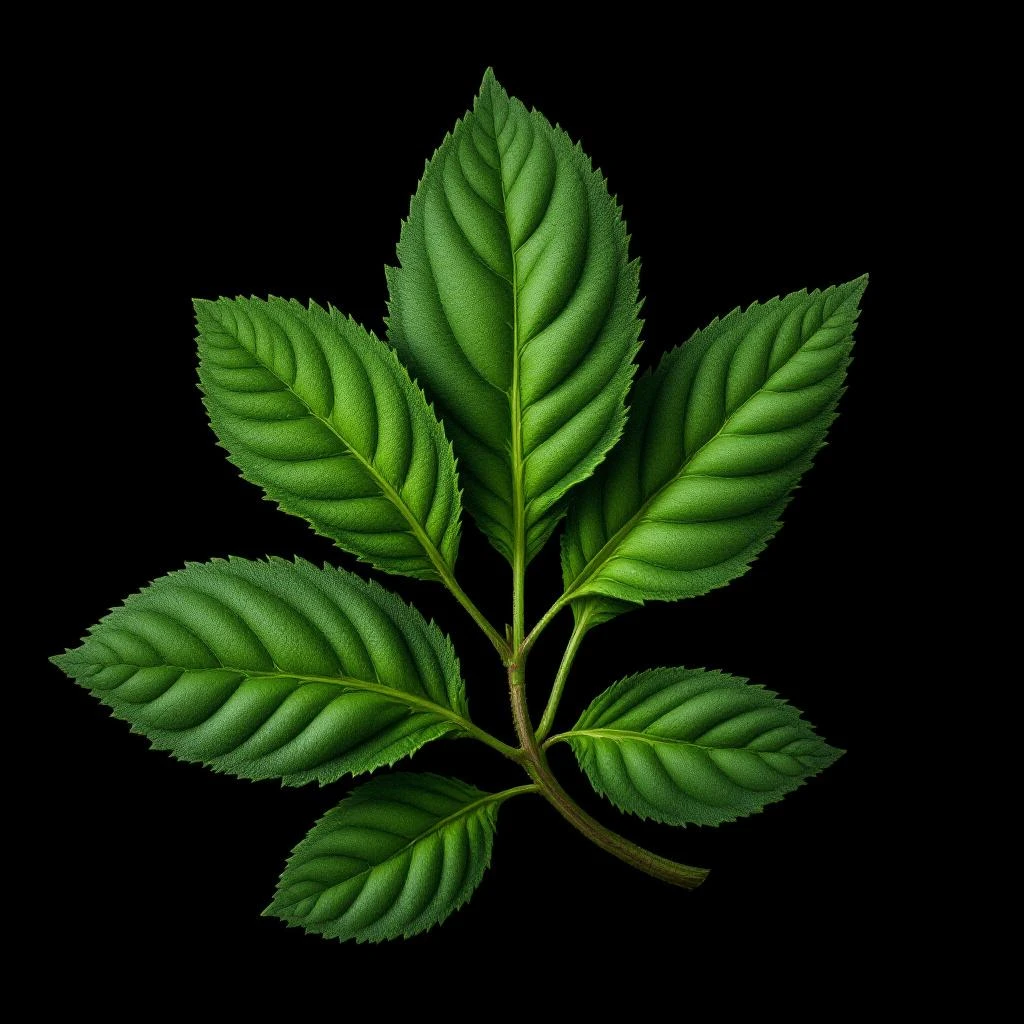
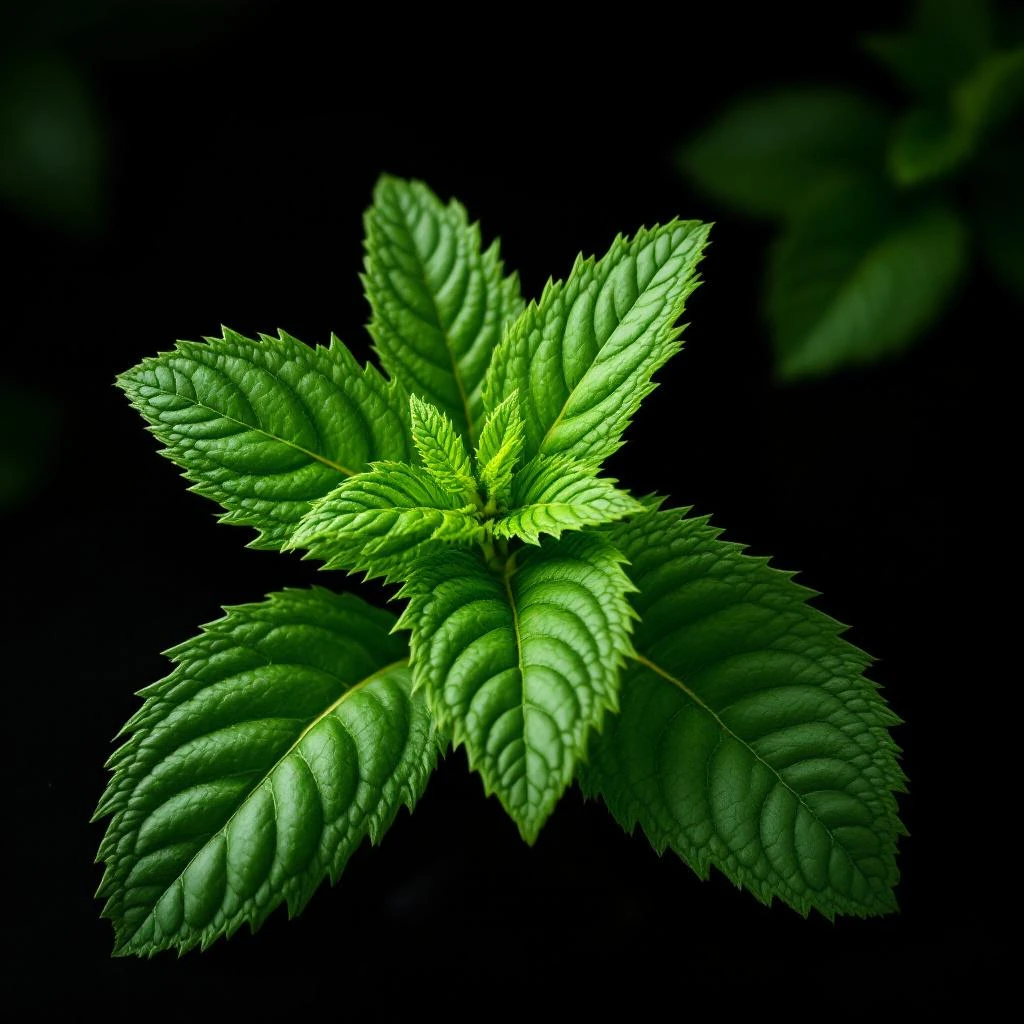
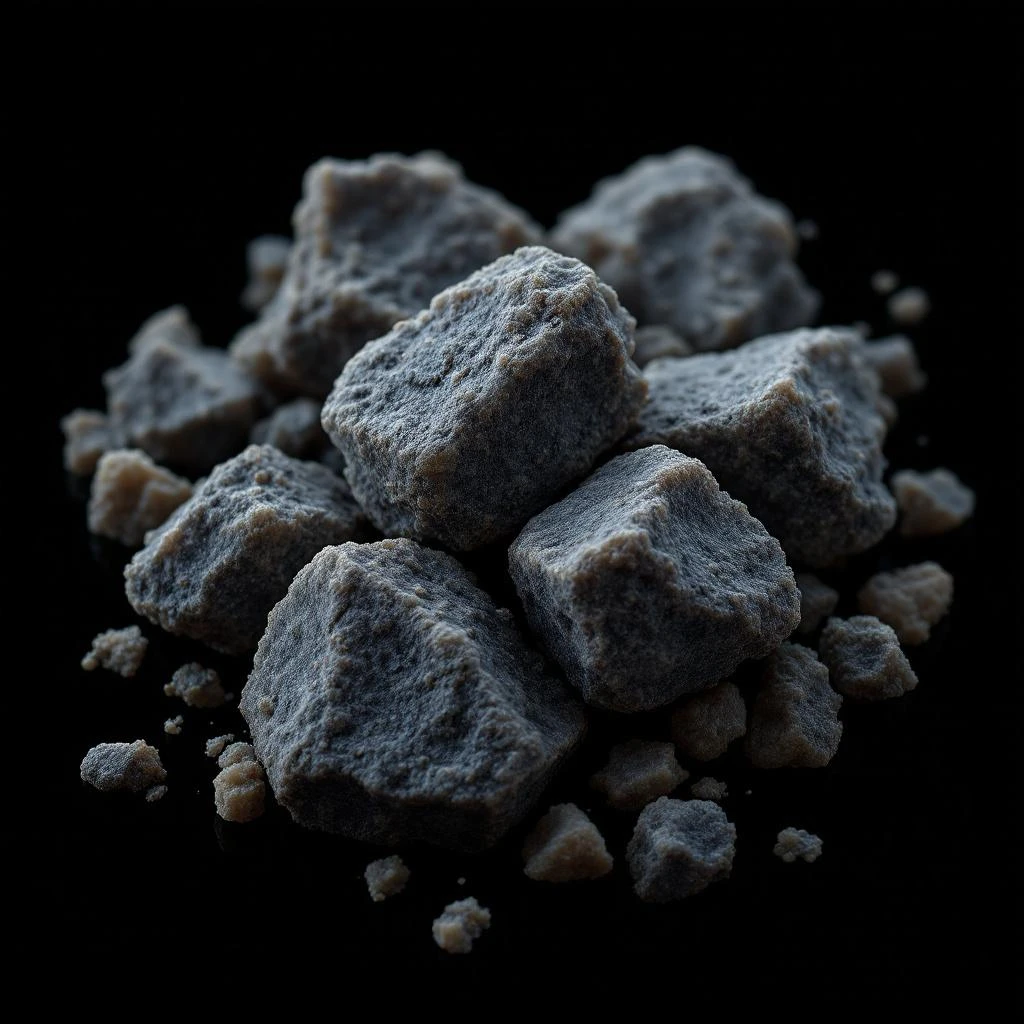
Swiss Mint delivers the cool, crystalline clarity of Alpine menthol, harvested from high-altitude Mentha piperita fields where cold nights concentrate aromatic oils into an exceptionally vibrant, clean mint character prized in fine perfumery.

Character
How it smells
Alpine menthol clarity in every note.
Swiss peppermint contains up to 45% menthol content, nearly double that of most other commercial varieties, giving it a sharper, longer-lasting coolness on the skin.



Origin
Switzerland
While mint itself has roots in ancient Greek and Roman perfumery and medicine, Switzerland's reputation for exceptional mint cultivation emerged in the 18th century when Alpine farmers discovered that high-altitude growing conditions produced leaves with unusually potent aromatic profiles. Swiss pharmaceutical companies first commercialized Swiss Mint extracts in the early 1900s, and the designation gradually entered perfumery vocabulary to describe peppermint oil of Alpine origin or character. By the mid-20th century, Swiss Mint had become a benchmark quality descriptor in fragrance houses, signifying clean, bright, menthol-forward freshness without the smoky or earthy undertones found in lower-altitude mint oils.
Wears it best
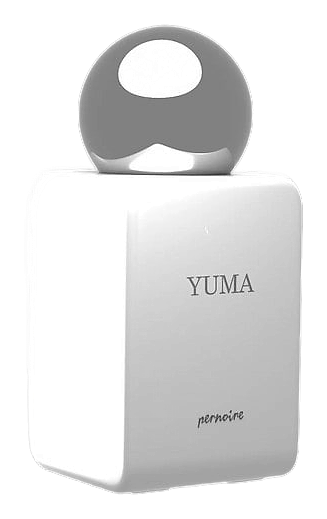
Fragrances featuring Swiss Mint
Brands
Brands known for Swiss Mint
Good to know
Questions, answered
The essentials on Swiss Mint in perfumery: how it smells, where it comes from, and how it behaves on skin.
What does Swiss Mint smell like?
Swiss Mint opens with an immediate, piercing menthol coolness followed by bright, green herbaceous undertones. Unlike harsher mint oils, it carries a clean, almost watery quality with subtle sweetness in the drydown. The menthol sensation is perceived as physically cool on skin, which is why it excels in creating freshness effects in fragrance.
How is Swiss Mint used in perfumery?
Swiss Mint functions as a top note modifier and freshness anchor. It amplifies citrus and herbaceous accords, adds crispness to green fragrances, and is a staple in fougère and aromatic compositions. As a fragrance ingredient, it typically appears at 1–5% concentration, as even small amounts deliver pronounced cooling effects.
Is Swiss Mint a natural or synthetic ingredient?
Swiss Mint is a natural ingredient derived from Mentha piperita grown in Alpine regions. The menthol within it can be separated, crystallized, and used as isolated natural menthol, but the base oil itself remains plant-derived. Some perfumeries may pair natural Swiss Mint oil with nature-identical menthol to standardize batch strength.
What fragrance families use Swiss Mint most often?
Aromatic fougères, citrus colognes, and modern green fragrances most commonly feature Swiss Mint. It also appears in masculine orient-tabacs and in lighter feminine chypres where a cool, herbaceous lift balances heavier base materials. Mint's versatility spans both masculine and unisex compositions.
What is the menthol content in Swiss Mint oil?
Swiss peppermint oil typically contains 35–45% menthol by weight, compared to 25–35% in standard peppermint oils. This elevated menthol content is the primary reason perfumers seek Swiss Mint — it delivers a stronger, more immediate cooling sensation with less material required.
Can Swiss Mint be substituted with other mint varieties?
Cornmint (Mentha arvensis) and spearmint (Mentha spicata) are alternatives, but neither replicates Swiss Mint's combination of high menthol and clean, almost mineral freshness. Spearmint lacks the cooling menthol punch entirely, while cornmint often carries a slightly earthy or camphoraceous note that reads as less refined in fine fragrance contexts.
Does Swiss Mint have historical significance beyond perfumery?
Swiss peppermint cultivation became significant in the 18th century when Alpine farmers found that short growing seasons and altitude stress produced exceptionally potent leaves. Swiss pharmaceutical and herbalist traditions codified the plant's medicinal uses, and perfumers adopted the designation as a quality marker for premium mint materials by the early 1900s.
Which fragrance notes pair well with Swiss Mint?
Swiss Mint pairs naturally with citrus oils like bergamot and lemon, with coniferous materials such as pine and cedar, and with aromatic herbs including lavender and clary sage. It also bridges well into unexpected pairings like vetiver and oud, where its coolness cuts through warmth and adds lift to heavy base materials.