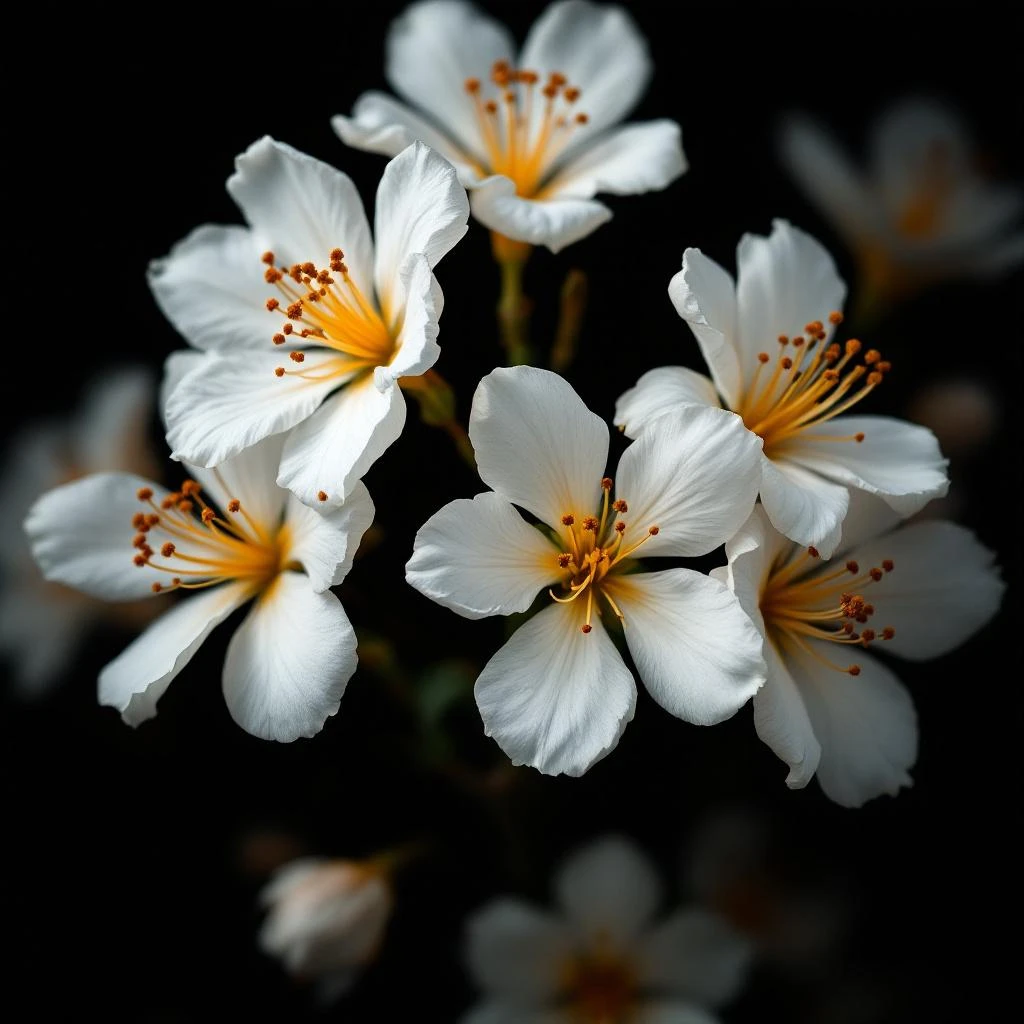
Sweetened Citrus Peel
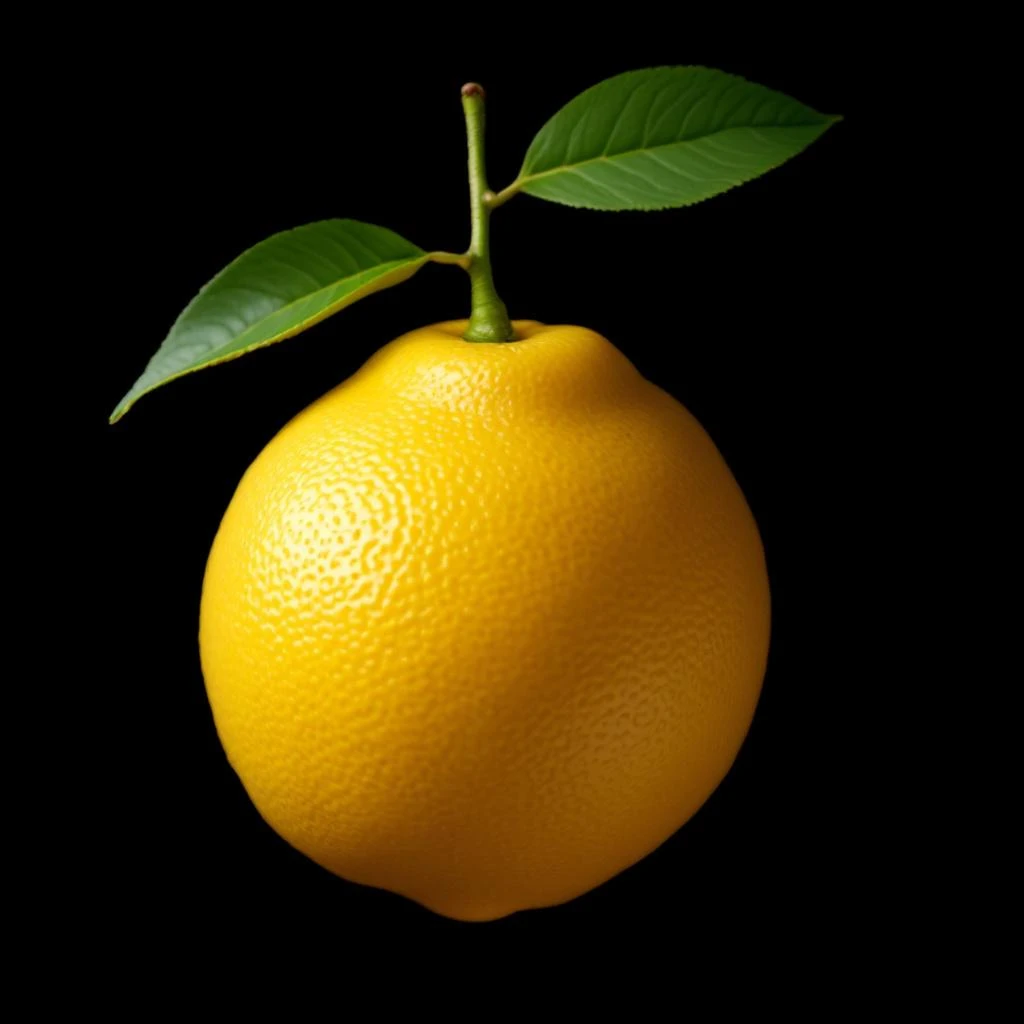
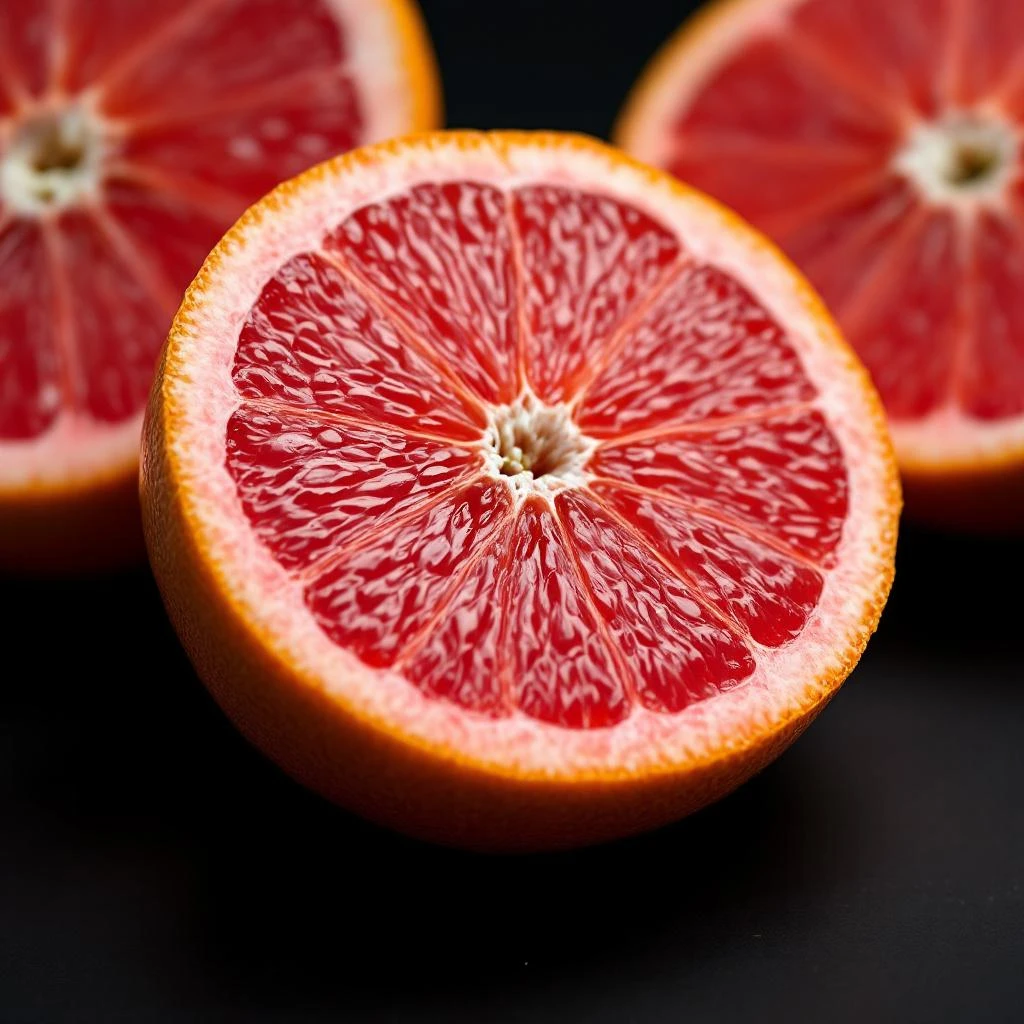
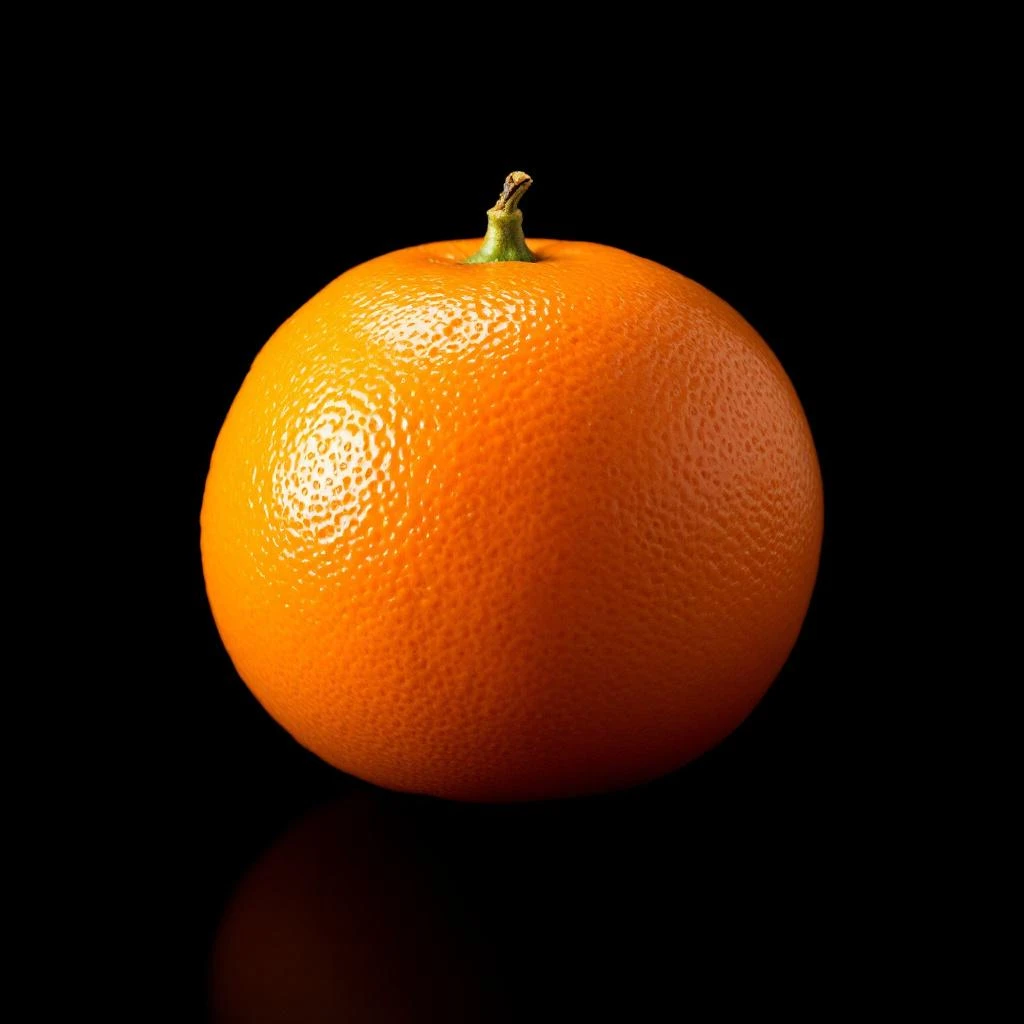
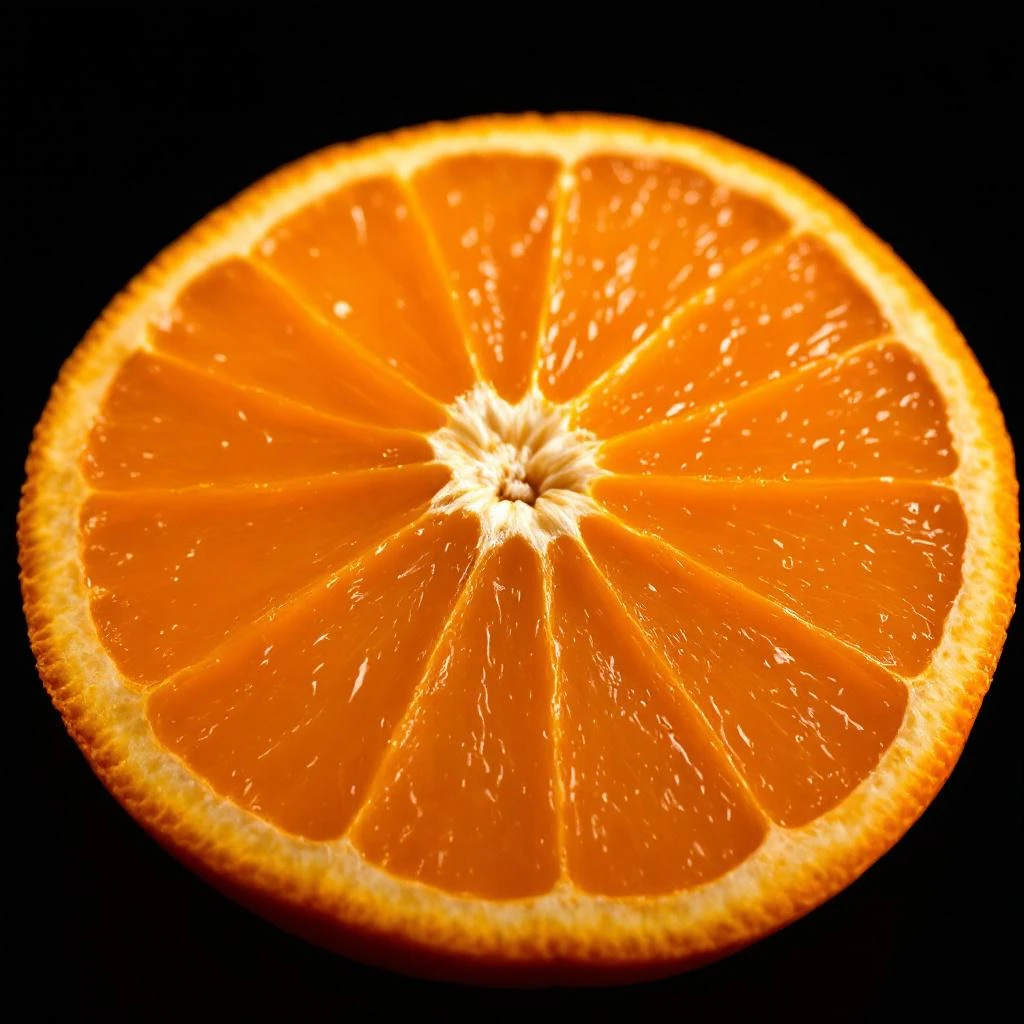
Candied brightness meets sun-warmed zest. Sweetened citrus peel brings a gourmand sparkle to compositions, balancing tart essential oils with caramelized sugar depth that anchors fleeting top notes.
Character
How it smells
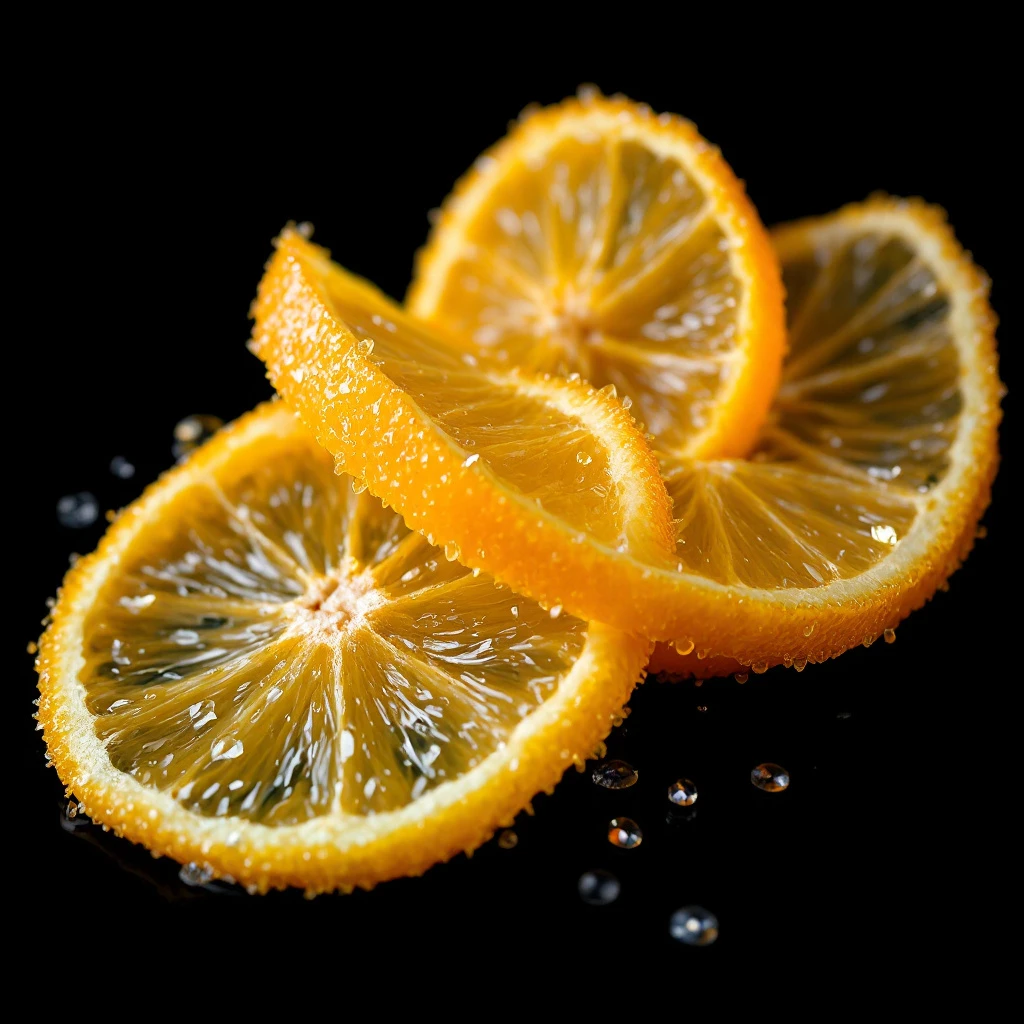
Zest caught mid-crystallization
Citrus processing generates roughly 15 million tons of peel waste globally each year, turning what was once kitchen scrap into one of perfumery's most expressive materials.
Pairs beautifully with




Origin
Italy
Citrus peeling for scent predates modern perfumery by centuries. In Calabria, artisans practiced scorze a mano, pressing sponges against bergamot rinds to collect essence by hand, a technique documented before the industrial era. The 19th century brought mechanization: Italian engineers designed presses that reproduced this gentle action at scale, securing Italy's dominance in citrus perfumery.
Sicily's invention of expression as a distinct extraction method changed the economics of fresh, green notes that distillation had flattened. Sweetened interpretations emerged later, as gourmands grew influential in fine fragrance during the late 20th century. Candied orange, lemon, and bergamot peels from confectionery traditions became reference points, and perfumers translated them into accord form.
Today, citrus by-product research values peels as bioactive resources, closing the loop between fragrance kitchens and sustainability research. The sweetened peel note sits at the intersection of agronomic heritage and contemporary gourmand taste.
Wears it best
Fragrances featuring Sweetened Citrus Peel
Brands
Brands known for Sweetened Citrus Peel
Good to know
Questions, answered
The essentials on Sweetened Citrus Peel in perfumery: how it smells, where it comes from, and how it behaves on skin.
What does sweetened citrus peel smell like in perfumery?
Sweetened citrus peel reads as candied orange or lemon zest layered over bright, tart essential oil. The sugar accord softens bitterness and adds warmth, giving the note a confectionary edge rather than a straight juice impression.
How is citrus peel oil extracted for fragrances?
Cold expression, developed in 19th-century Sicily, presses or scrapes fresh rinds to release oil without heat. This preserves the volatile top notes that steam distillation typically destroys.
Where does the finest citrus peel oil come from?
Calabria in southern Italy produces most of the world's bergamot oil, while Sicily, Spain, and Brazil lead in lemon and sweet orange production. Italian terroir shapes the benchmark quality.
Is sweetened citrus peel natural or synthetic?
The peel oil itself is natural, expressed from real fruit. The candied quality is typically constructed using vanillin, ethyl maltol, or natural candied-peel extracts layered over the expressed oil.
Why doesn't citrus peel oil last long in perfumes?
Citrus molecules are small and volatile, evaporating within 30 minutes to two hours. Sweetening accords and woody base notes are commonly used to extend their perception.
What is scorze a mano?
Scorze a mano is the traditional Calabrian technique of pressing a natural sponge against bergamot rinds to collect essence by hand. It survives alongside industrial presses as a heritage method.
Does sweetened citrus peel work in masculine fragrances?
Yes. The bitter-sharp edge of citrus combined with caramelized sweetness reads as fresh yet grounded, making it a staple in modern unisex and aromatic compositions.
Is citrus peel production sustainable?
Citrus processing generates about 15 million tons of peel waste annually worldwide. Expression captures value from this residue, and ongoing research into bioactive compounds continues expanding peel applications.