Swedish Castoreum
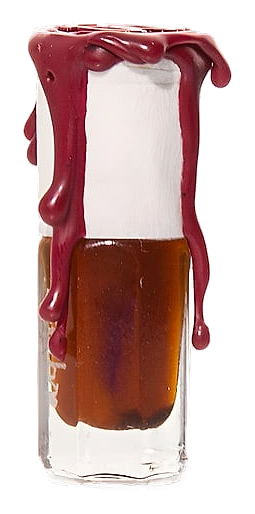
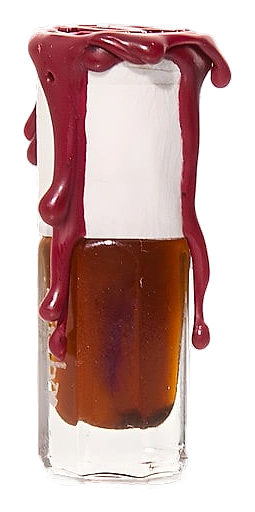
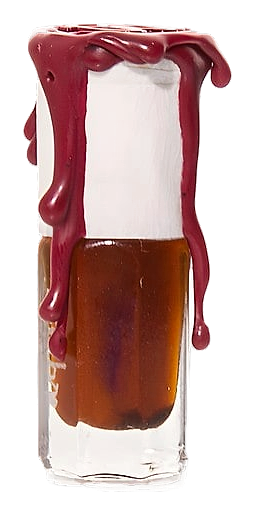
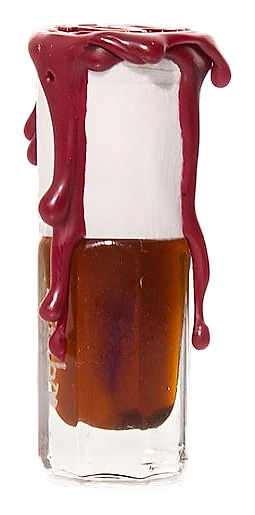
Swedish Castoreum is a rare, animalic tincture sourced from the aged castor sacs of the European beaver. Once a cornerstone of perfumery, it delivers an incomparable leather-and-smoke depth no synthetic has fully replicated.
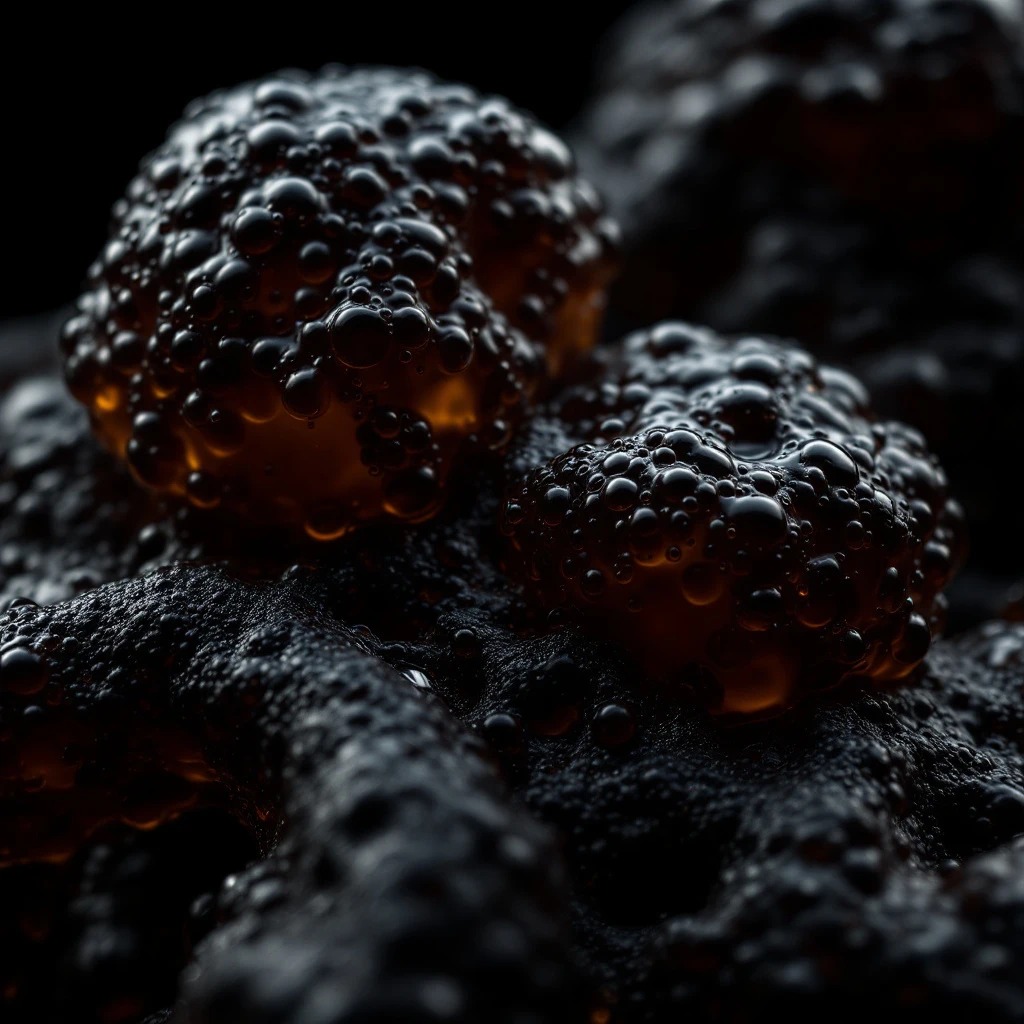
Character
How it smells
A near-mythic ingredient of old-world perfumery.
FDA-approved as a natural flavoring, Swedish Castoreum contributes to some raspberry and woody flavor profiles in the food industry.



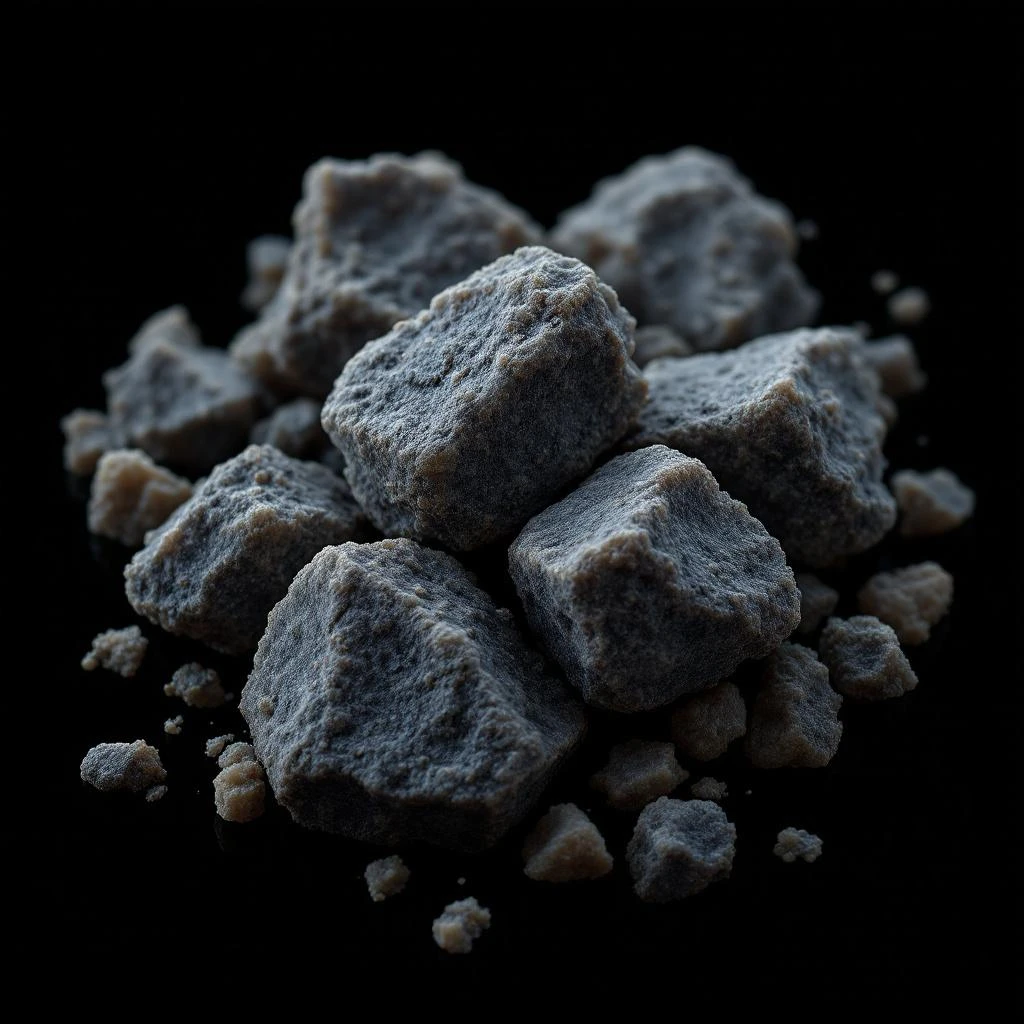



Origin
Sweden
For centuries, the European beaver's castor sacs served purposes far beyond the natural world. Beavers rely on castoreum to waterproof and preserve their fur, but humans discovered its value early. Native peoples used it as a medicinal remedy and fragrant application.
In Europe, castoreum became a luxury commodity traded across the continent. By the 18th and 19th centuries, perfumers in France and beyond considered it an essential base note, lending fragrances a rich, animalic backbone that no other ingredient quite matched. The rise of organic chemistry in the early 20th century changed everything.
Ethical concerns, supply constraints, and the ability to synthesize comparable molecules led most perfumers to abandon natural castoreum. Today, genuine Swedish Castoreum remains exceptionally rare, a storied artifact of perfumery's early centuries.
Wears it best
Fragrances featuring Swedish Castoreum
Brands
Brands known for Swedish Castoreum
Good to know
Questions, answered
The essentials on Swedish Castoreum in perfumery: how it smells, where it comes from, and how it behaves on skin.
What is Swedish Castoreum in perfumery?
Swedish Castoreum is a tincture derived from the castor sacs of the European beaver (Castor fiber). It serves as a rare animalic base note, valued for its leathery, smoky depth that few natural or synthetic ingredients replicate fully.
How is Castoreum harvested from beavers?
Castoreum is obtained from the castor sacs of the European beaver, typically harvested post-mortem when beavers are taken for other purposes. The glands are removed, dried, and aged for two or more years before tincturing in alcohol.
Is the Castoreum in modern fragrances synthetic?
Since the early 20th century, the vast majority of castoreum used in perfumery has been recreated synthetically. Natural castoreum is extraordinarily rare due to ethical sourcing concerns and the scarcity of aged, high-quality material.
What does Castoreum smell like?
Castoreum presents a complex animalic profile: warm, leathery, and smoky, with undertones of tar and dried wood. In dilution, these rough edges soften into a rich, almost balsamic depth that anchors fragrance compositions.
Why is natural Castoreum so rare in contemporary perfumery?
Natural Castoreum is rare because sourcing authentic European beaver castor sacs is difficult, and the traditional aging process takes over two years. Synthetic alternatives emerged in the early 1900s, making natural castoreum a specialty ingredient reserved for rare formulations.
Is Castoreum safe to use in fragrance?
Yes, castoreum is regulated as safe for use in both fragrance and food by authorities including the FDA. When used as a fragrance ingredient, it appears in tiny concentrations that pose no risk to consumers.
What is the historical significance of Castoreum?
Castoreum has a documented history spanning over two thousand years. Native peoples used it medicinally, and European traders prized it as a luxury fragrance ingredient. By the 19th century, it was a staple of French and British perfumery before synthetic alternatives arrived.
How does Swedish Castoreum differ from other castoreum sources?
Swedish Castoreum specifically traces to the European beaver (Castor fiber), native to Scandinavia and much of continental Europe. North American castoreum derives from Castor canadensis, a separate species with slightly different aromatic characteristics.