Summer Flowers
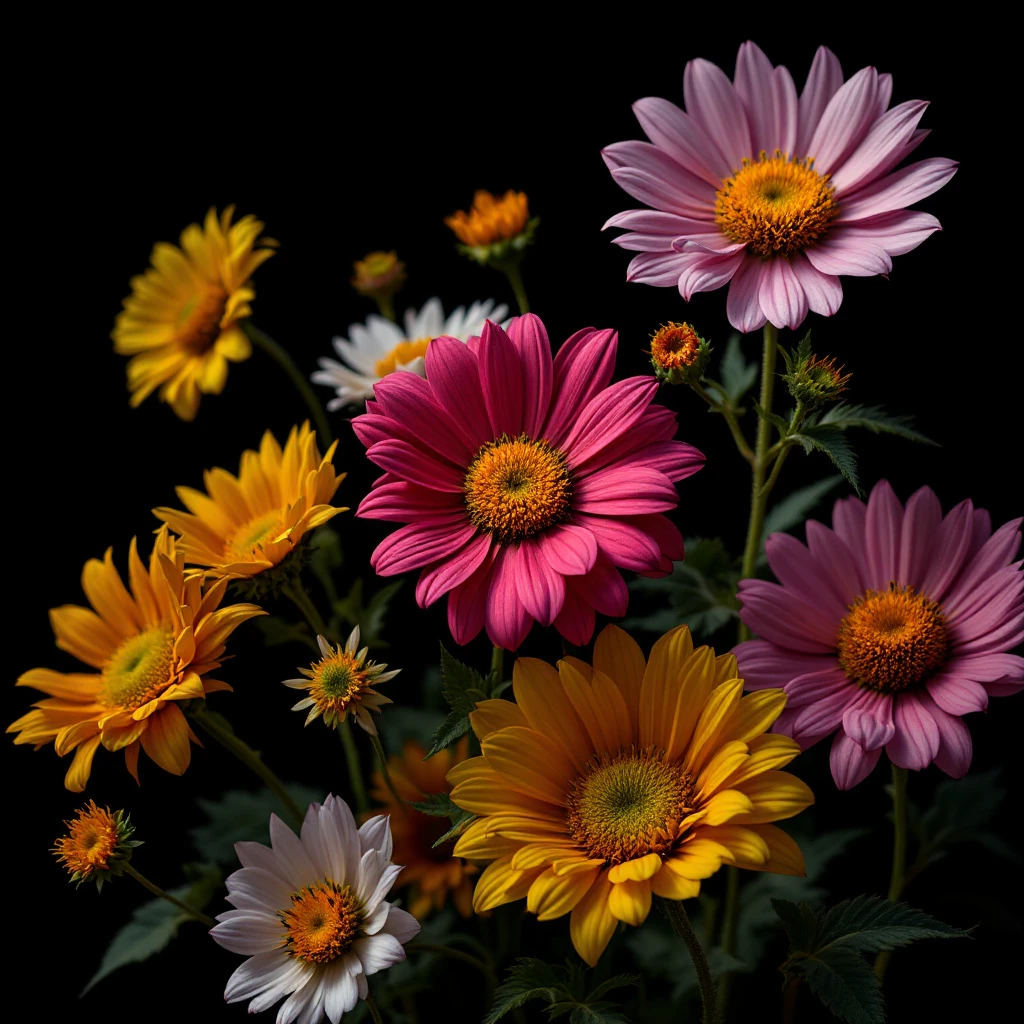
A luminous blend of sun-drenched blossoms that captures the carefree essence of peak summer gardens. This modern accord evokes freshly picked flowers at their most vibrant and alive, blending jasmine, rose, and citrus florals into a single radiant note.
Character
How it smells
The scent of peak summer in full bloom.
It takes roughly 10,000 jasmine blossoms to produce just one kilogram of absolute, making floral extraction one of the most resource-intensive processes in perfumery.




Origin
France
Flowers have anchored perfumery since humans first discovered scent. Tapputi, the first recorded perfumer in Mesopotamia around 1200 BCE, distilled flower petals with oils and balsam. Egyptian priests later refined enfleurage around 2000 BCE, infusing fats with blossoms for sacred unguents.
The French town of Grasse became the global center of flower cultivation and extraction by the 18th century, specializing in jasmine, rose, and orange blossom. The 1921 launch of Chanel No. 5, which married traditional florals with synthetic aldehydes, marked a turning point in how perfumers approached flower notes.
Summer Flowers as a modern accord reflects this evolution, combining centuries of botanical knowledge with contemporary blending techniques to capture an idealized season of bloom.
Wears it best
Fragrances featuring Summer Flowers

Brands
Brands known for Summer Flowers
Good to know
Questions, answered
The essentials on Summer Flowers in perfumery: how it smells, where it comes from, and how it behaves on skin.
What exactly is the Summer Flowers note in perfumery?
Summer Flowers is a composite fragrance note, not a single ingredient. It combines extracts from multiple warm-season blossoms like jasmine, rose, orange blossom, and gardenia to evoke the sensation of a sunlit garden.
Is Summer Flowers natural or synthetic?
Most Summer Flowers accords blend natural absolutes with synthetic aroma molecules. Natural extracts provide authenticity and complexity, while synthetics ensure consistency and make the note more accessible.
Why is floral extraction so expensive?
Natural flower extraction requires enormous quantities of petals. Jasmine yields approximately 0.8-1% absolute by weight of harvested flowers, meaning thousands of blossoms produce only grams of usable material.
What extraction methods work best for summer florals?
Jasmine and tuberose suit solvent extraction, which preserves delicate aromatic compounds. Orange blossom responds well to steam distillation. Enfleurage works for fragile flowers like gardenia and mimosa.
Which flowers typically appear in Summer Flowers accords?
Common components include jasmine sambac, Rosa centifolia, orange blossom, gardenia, tuberose, and frangipani. Regional availability and perfumer preference shape final composition.
Where does the highest quality jasmine for perfumery grow?
Grasse, France produces prized jasmine for fine perfumery, though Tamil Nadu, India grows the majority of jasmine used globally in fragrance production.
Can I wear Summer Flowers fragrances year-round?
Summer Flowers notes perform best in warmer months when their light, airy character complements the environment, but they add refreshing brightness to any season when used in moderation.
How do I identify quality Summer Flowers fragrances?
Quality variants list specific flower names rather than vague terms. Higher-end products typically specify jasmine absolute or rose otto. Mass-market products often rely more heavily on synthetics for cost efficiency.




