Sumatran Lily
Sumatran Lily brings a creamy, green-white floral accord prized in tropical perfumery. Its lush, waxy petals yield a scent that feels both sultry and clean, a whisper of equatorial gardens captured in glass.
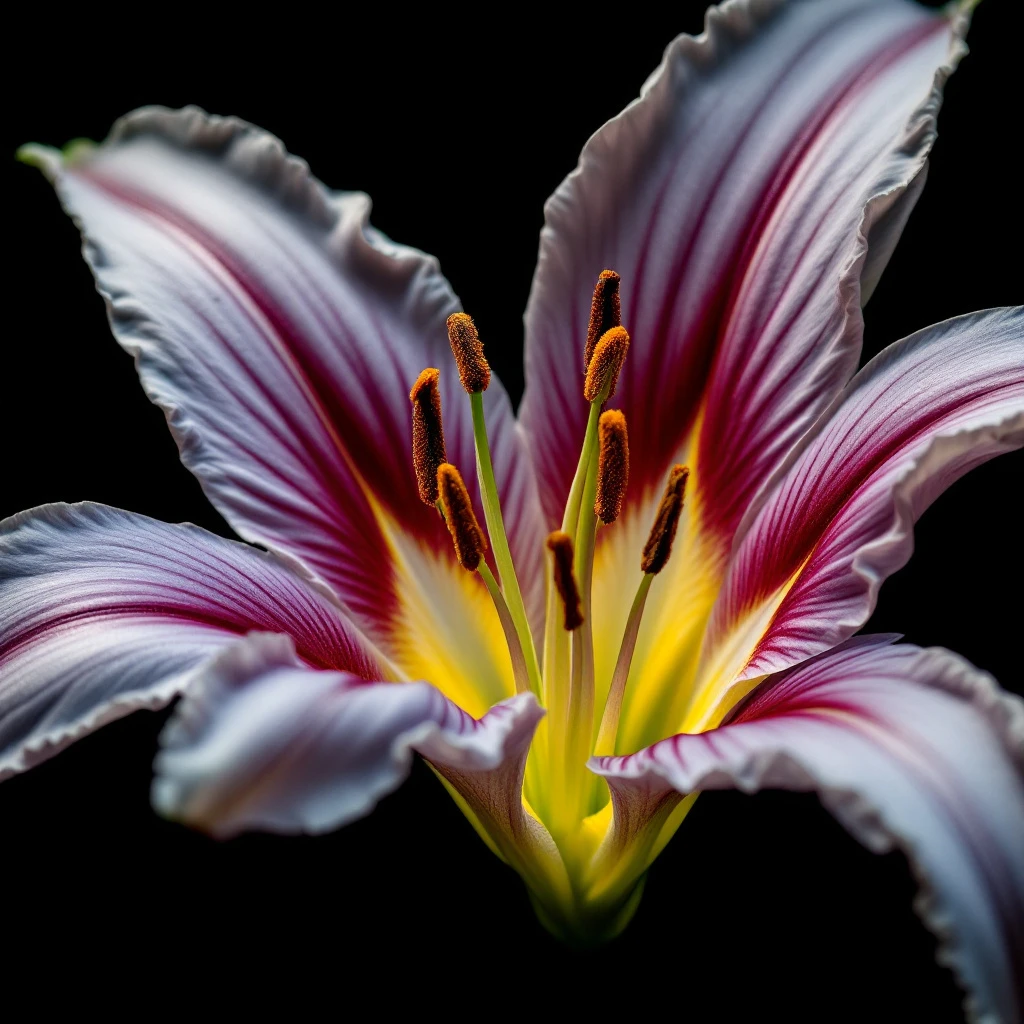
Character
How it smells
Creamy white florals from the Indonesian tropics
Most true lilies yield almost no usable absolute through traditional extraction, so perfumers recreate the Sumatran Lily profile using captive aroma molecules like hydroxycitronellal and lilial derivatives.
Pairs beautifully with

Origin
Indonesia
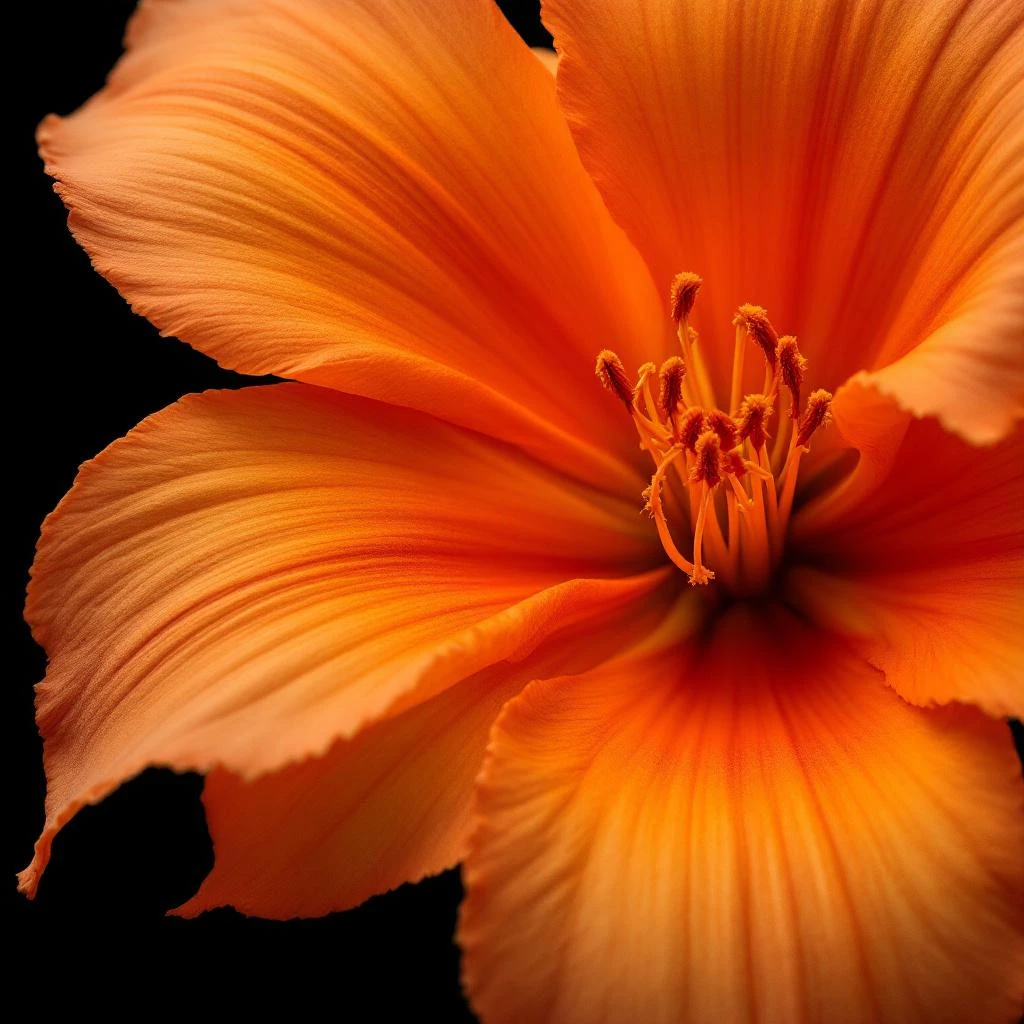
Sumatra's volcanic highlands have cradled ornamental lily cultivation for centuries, with Indonesian florists trading the blooms across Southeast Asia long before European perfumers took notice. Dutch colonists documented wild lily species in the Batavia region during the 17th century, though the flowers served ceremonial and ornamental roles rather than perfumery.
The real breakthrough came in the early 20th century when German chemists, building on Bouveault and Blanc's citronellal work from 1905, isolated hydroxycitronellal. This single molecule unlocked the entire white-floral family, including lily reconstructions.
Indonesian growers later hybridized cultivars specifically suited to high-humitude equatorial conditions, strengthening the flower's commercial identity. Today, the Sumatran Lily note represents a meeting point between tropical horticulture and European molecular chemistry, a living botanical tradition paired with precise synthetic artistry.
Wears it best
Fragrances featuring Sumatran Lily
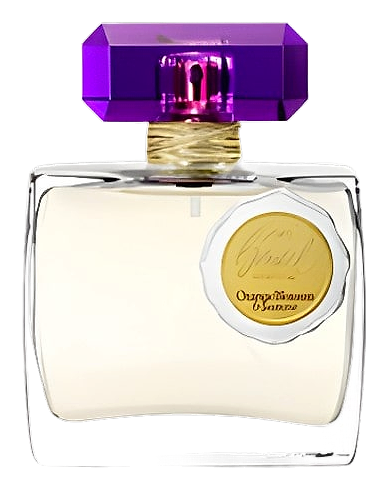
Brands
Brands known for Sumatran Lily
Good to know
Questions, answered
The essentials on Sumatran Lily in perfumery: how it smells, where it comes from, and how it behaves on skin.
What does Sumatran Lily smell like?
Sumatran Lily offers a creamy white floral scent with green, waxy undertones and a subtle humid sweetness. Think muguet crossed with jasmine sambac, lifted by a dewy, almost tropical freshness characteristic of equatorial blooms.
Is Sumatran Lily a natural or synthetic perfume ingredient?
Almost entirely synthetic in modern perfumery. The true flower yields negligible extractable oil, so perfumers reconstruct the scent using aroma chemicals like hydroxycitronellal, guided by headspace analysis of living Sumatran specimens.
Why is Sumatran Lily difficult to extract naturally?
The petals contain minimal volatile oil, and what exists degrades rapidly under heat. Traditional steam distillation destroys the delicate top notes within minutes, making natural extraction commercially unviable for most fragrance houses.
Where does Sumatran Lily originate?
Sumatran Lily traces to Indonesia's volcanic highlands, particularly the regions around West Sumatra. Local growers have hybridized cultivars suited to the island's high humidity and rich soil for generations.
What perfumes use Sumatran Lily notes?
The accord appears in many tropical and white-floral compositions, particularly in fragrances targeting warm-weather wear. It frequently anchors heart notes alongside jasmine, frangipani, and ylang-ylang in island-inspired scent profiles.
How does Sumatran Lily differ from Lily of the Valley?
Sumatran Lily carries a warmer, creamier character with subtle indolic depth, while Lily of the Valley reads cooler and greener. Both rely on hydroxycitronellal, but Sumatran versions add tropical sweetness and a humid, almost wet quality.
When was the Sumatran Lily accord first developed?
Modern Sumatran Lily accords emerged following 1905, when German laboratories first synthesized hydroxycitronellal from citronella. This breakthrough enabled the entire family of white-floral reconstructions still used today.
Is Sumatran Lily sustainable to produce?
Yes, the synthetic route makes it highly sustainable. No wild harvesting occurs, and headspace capture requires only a few living flowers for analysis, preserving Indonesia's native lily populations entirely.




