
Heritage
A house, in its own words
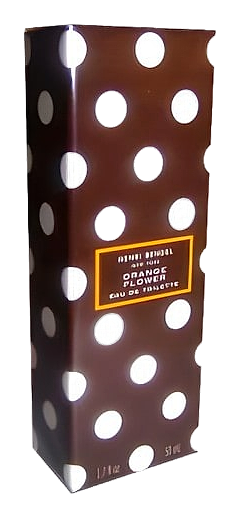
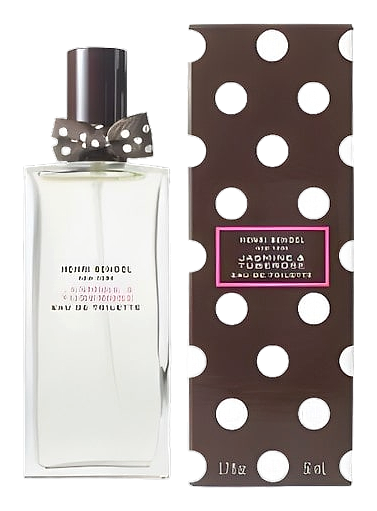
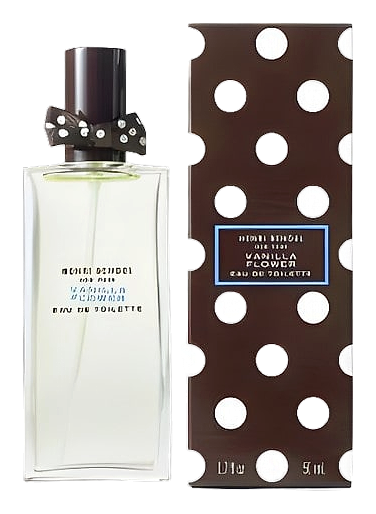
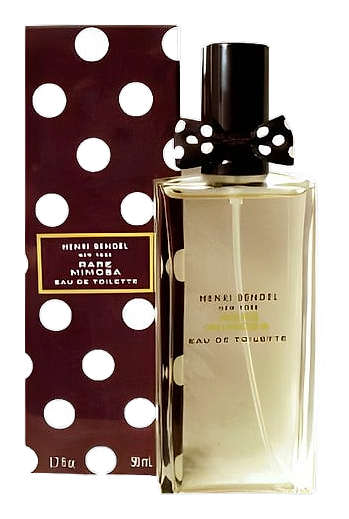
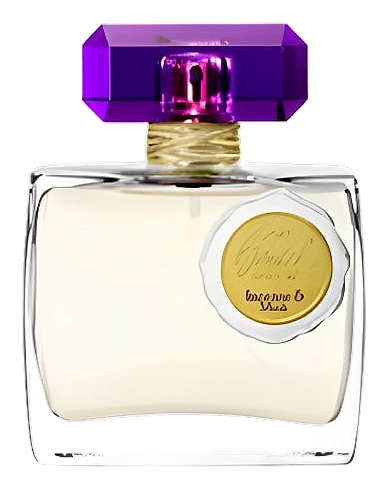
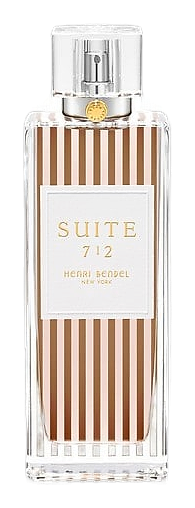
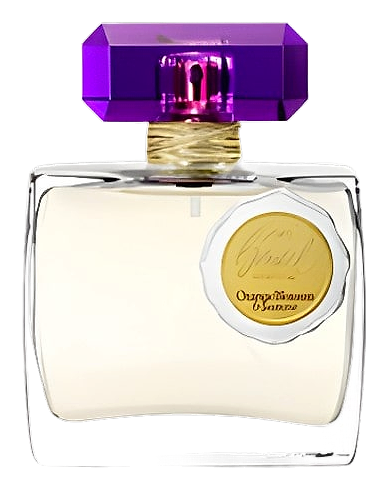
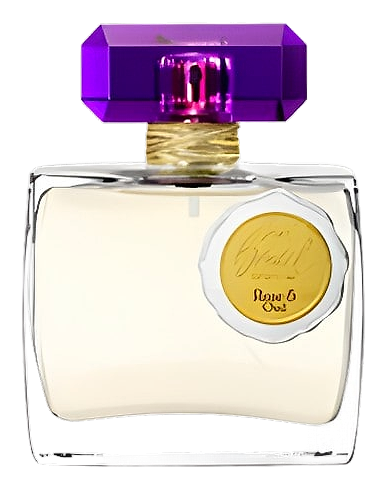
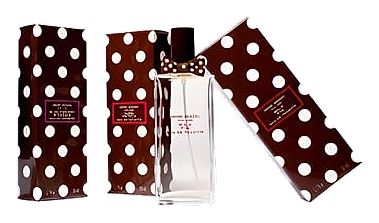
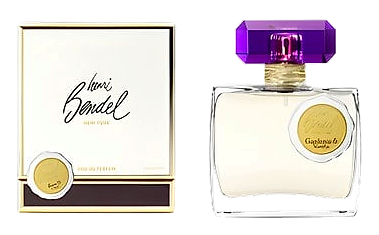
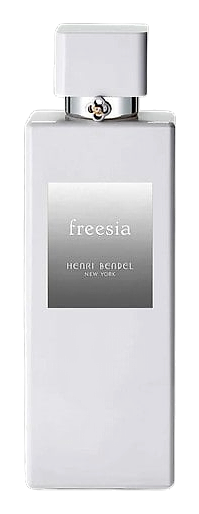
Henri Bendel was born in Lafayette, Louisiana and relocated to New York City in 1895, where he initially established himself crafting hats for the city's social elite. His business model centered on traveling to Paris each season to select and import the most coveted fashion items, bringing European elegance directly to American women. This approach of sourcing and interpreting European luxury for a sophisticated New York clientele became the foundation of the retail concept. Bendel opened his first fragrance development laboratory in 1915, releasing Un Peu dElle, which multiple sources identify as the first proprietary fragrance created by an American retailer. The founder personally introduced approximately 20 additional fragrances during the 1920s, establishing the brand as an early innovator in private-label perfumery. During the Geraldine Stutz era, the brand continued expanding its beauty offerings, with The Gilded Cage becoming a signature scent. In 2015, the company released Suite 712 as an eau de parfum embodying what the brand described as New Yorks understated elegance. The flagship Fifth Avenue location operated from 1985 until the companys closure in 2018. Henri Bendel positioned itself as an arbiter of taste, functioning as a gateway between European design houses and American consumers. The retail philosophy emphasized curation and discovery, with buyers actively seeking emerging designers and brands before they achieved widespread recognition. This discovery ethos extended to the fragrance counter, where private-label scents were developed to offer accessible interpretations of premium olfactory experiences. The brand believed in making refined scent accessible to a broader audience rather than limiting it to a luxury elite. Rather than pursuing novelty for its own sake, the fragrance collection favored compositions rooted in classical perfumery traditions, often highlighting single floral families or recognizable note combinations. The approach prioritized wearability and timelessness over trend-chasing, resulting in scents that functioned as wardrobe staples rather than seasonal novelties. The brands fragrance development reflected its broader retail identity: carefully selected, thoughtfully presented, and designed for a customer who valued sophistication without ostentation.