Sugar Cane Brandy
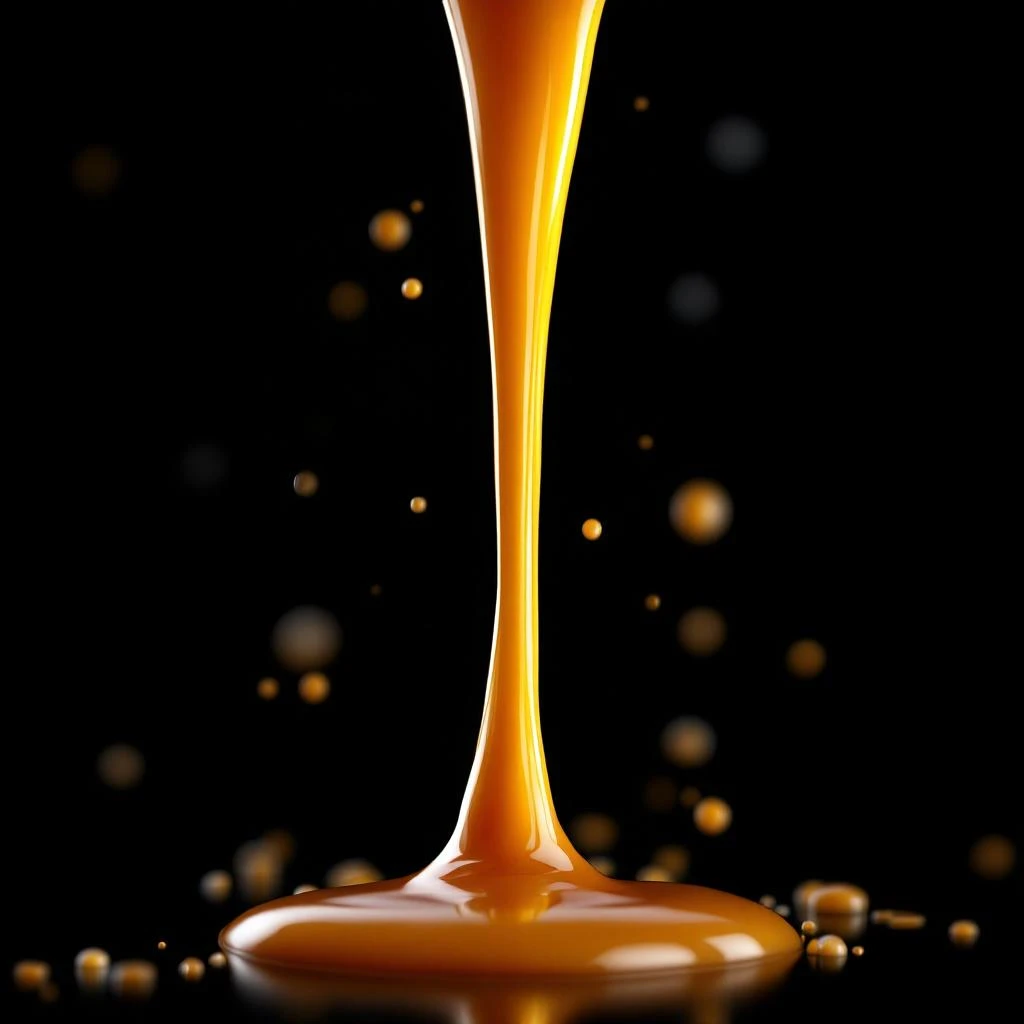
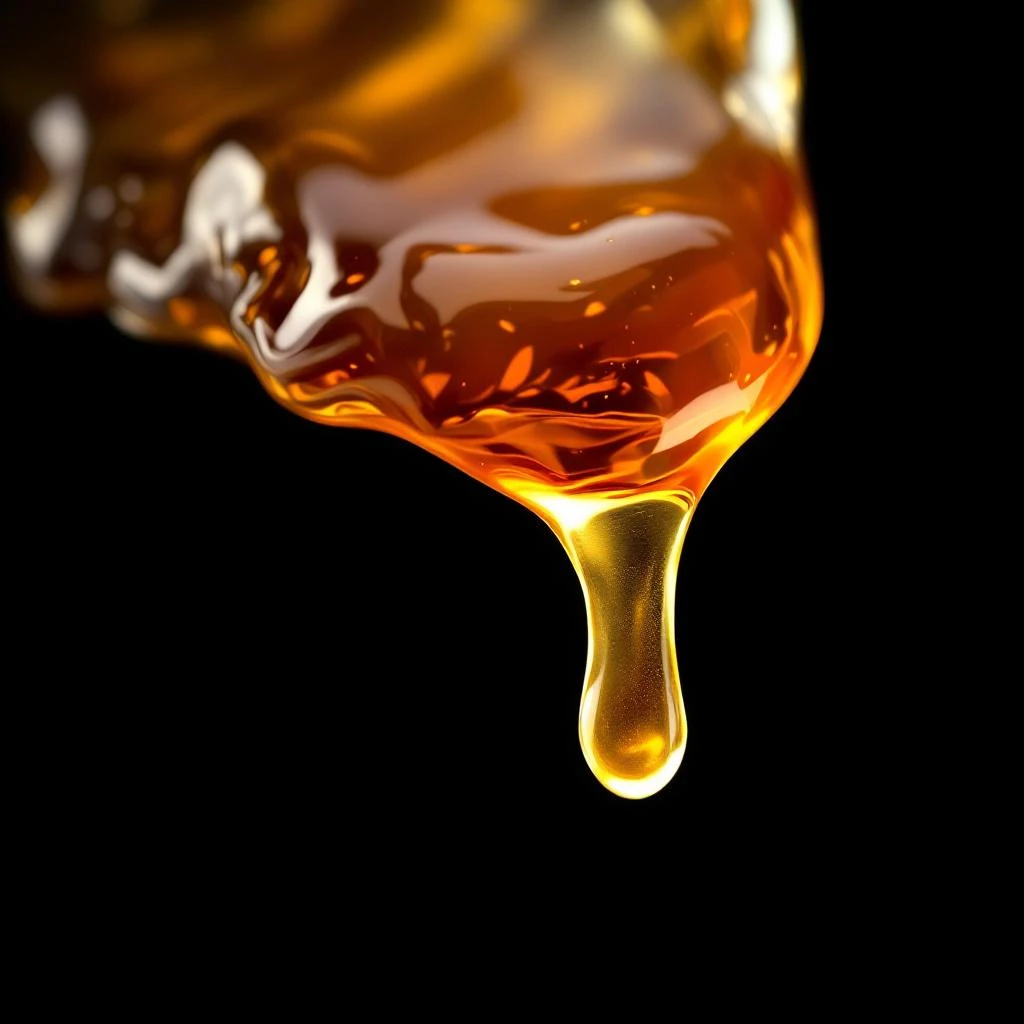
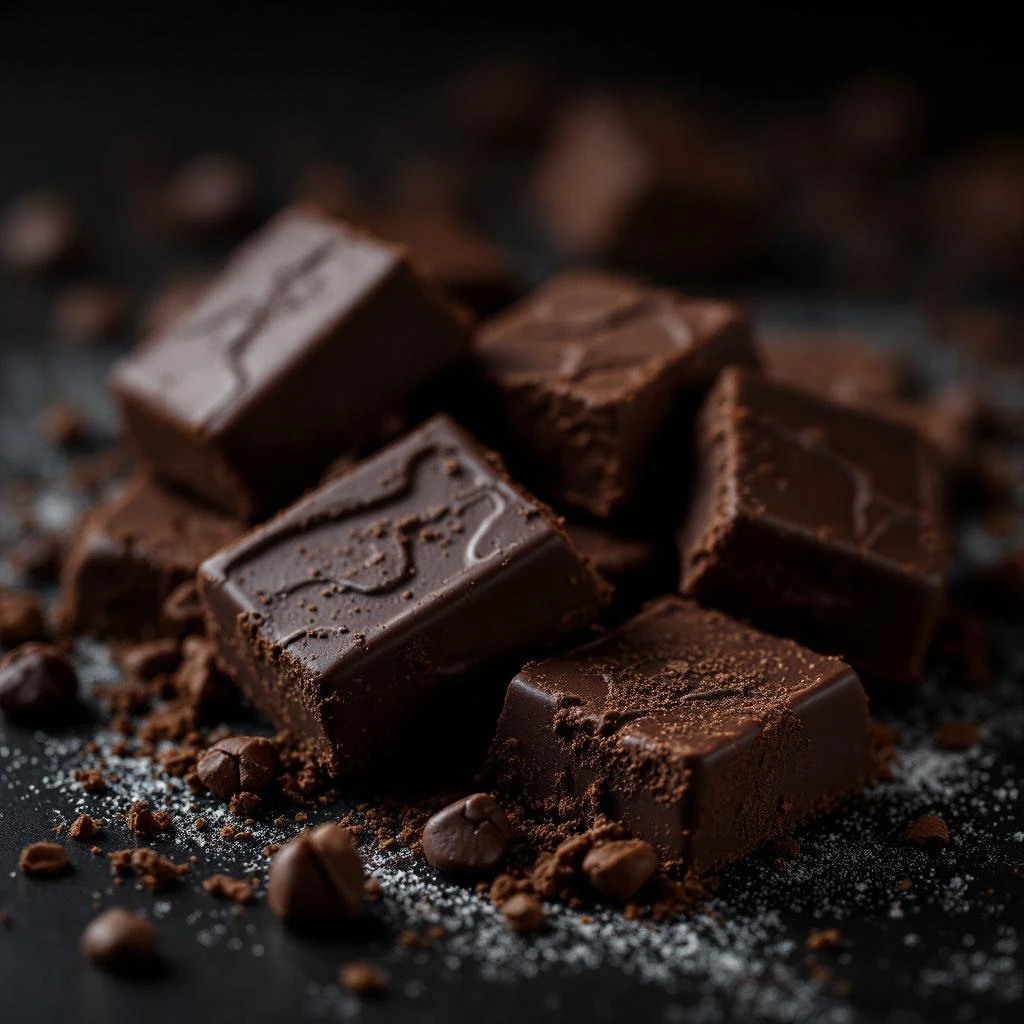
Sugar cane brandy: warm caribbean spirit note with vanilla, caramel, and oak depth. The intoxicating soul of aged rum, captured in a bottle.
Character
How it smells
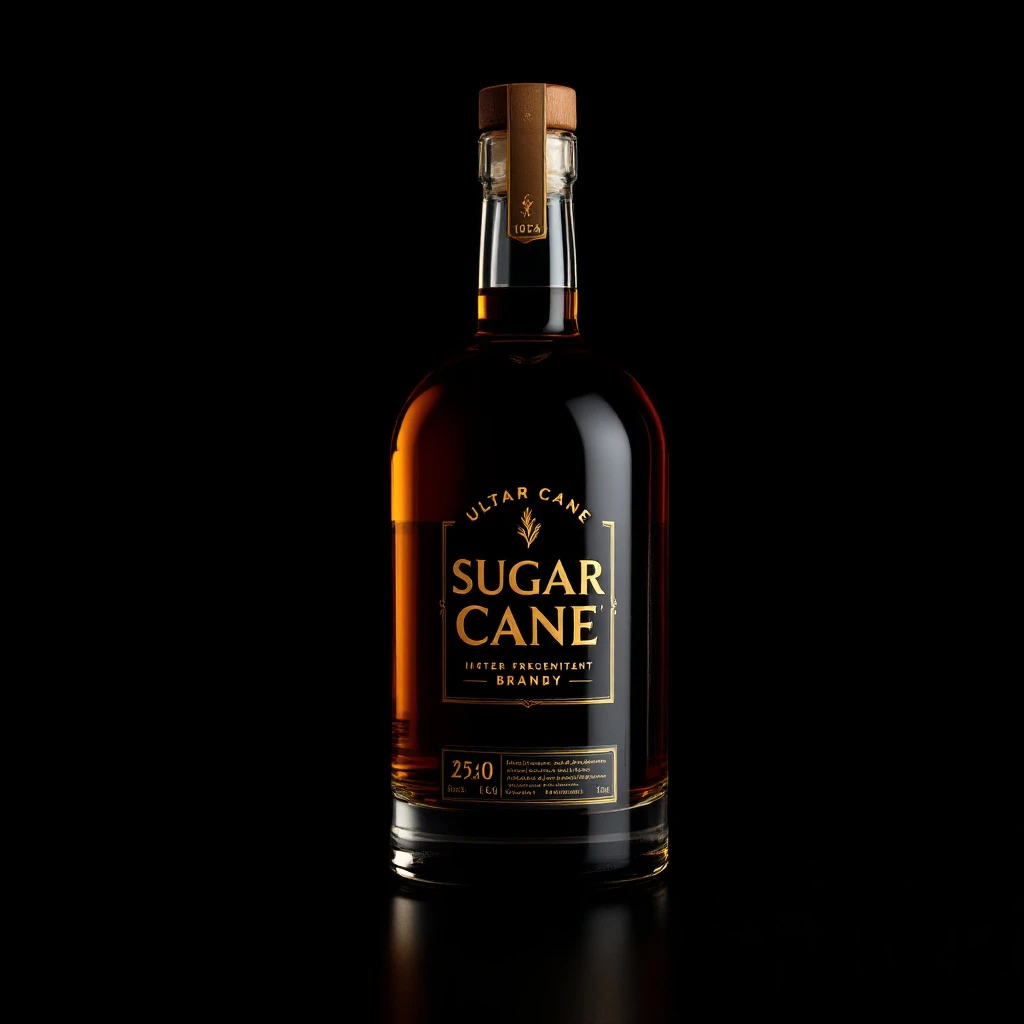
A warm, intoxicating spirit note.
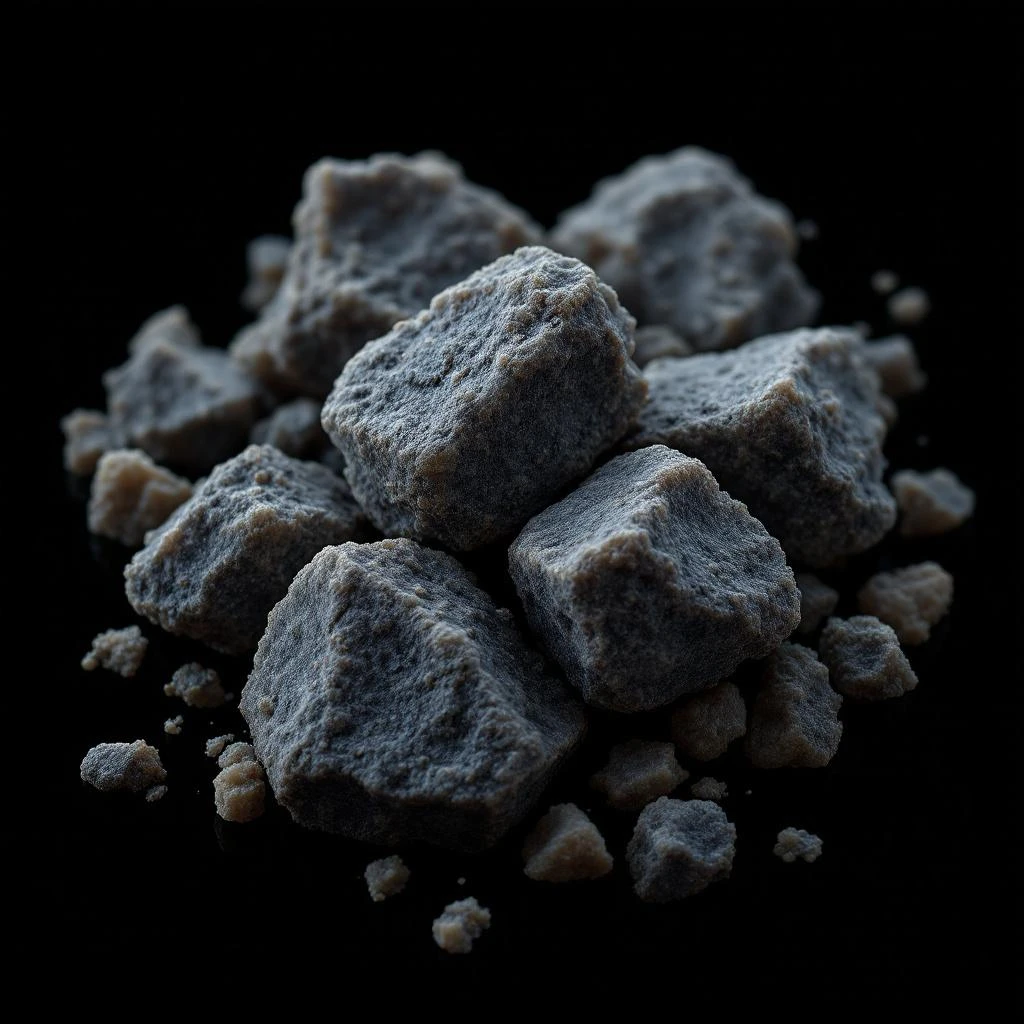
First distilled in the 17th-century Caribbean, rum became an unlikely source of aromatic inspiration for perfumers. These sweet, warm, and slightly smoky qualities now live on in fine fragrance.



Origin
Caribbean
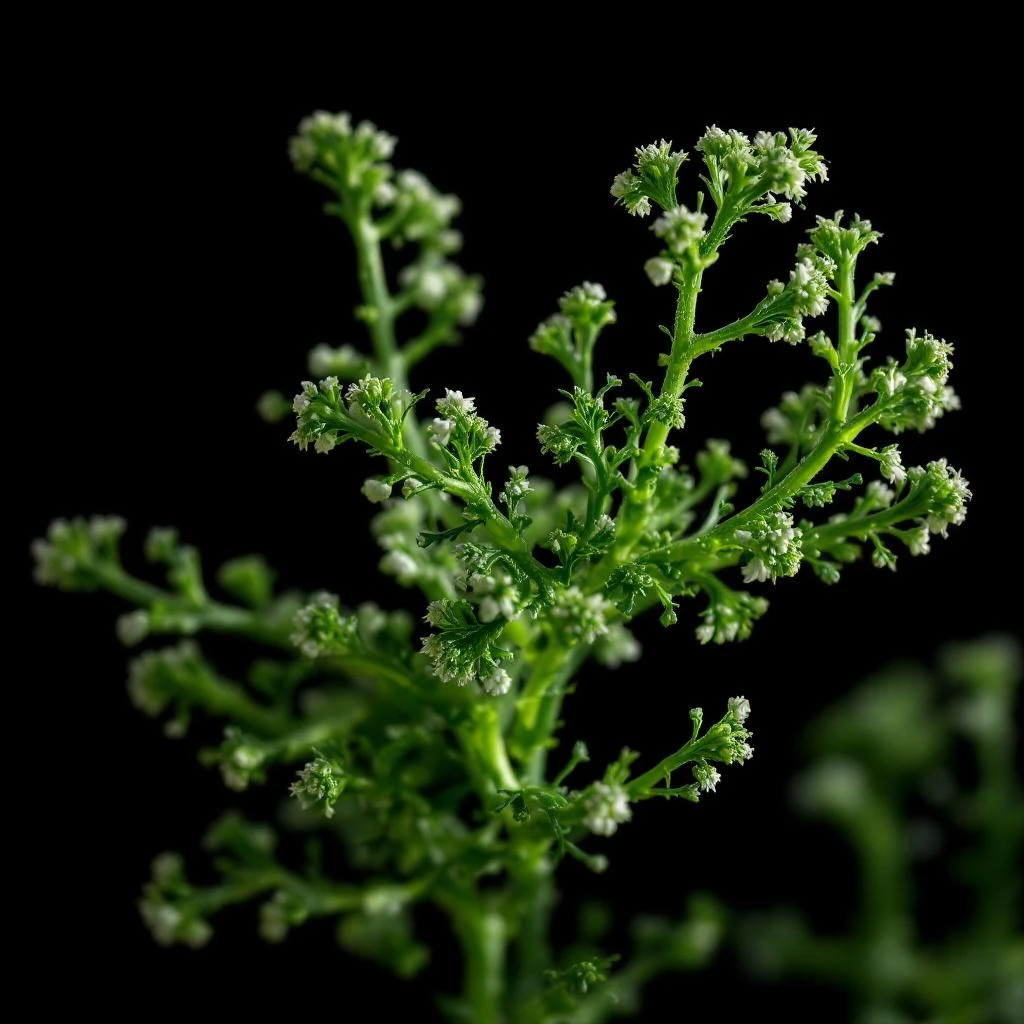
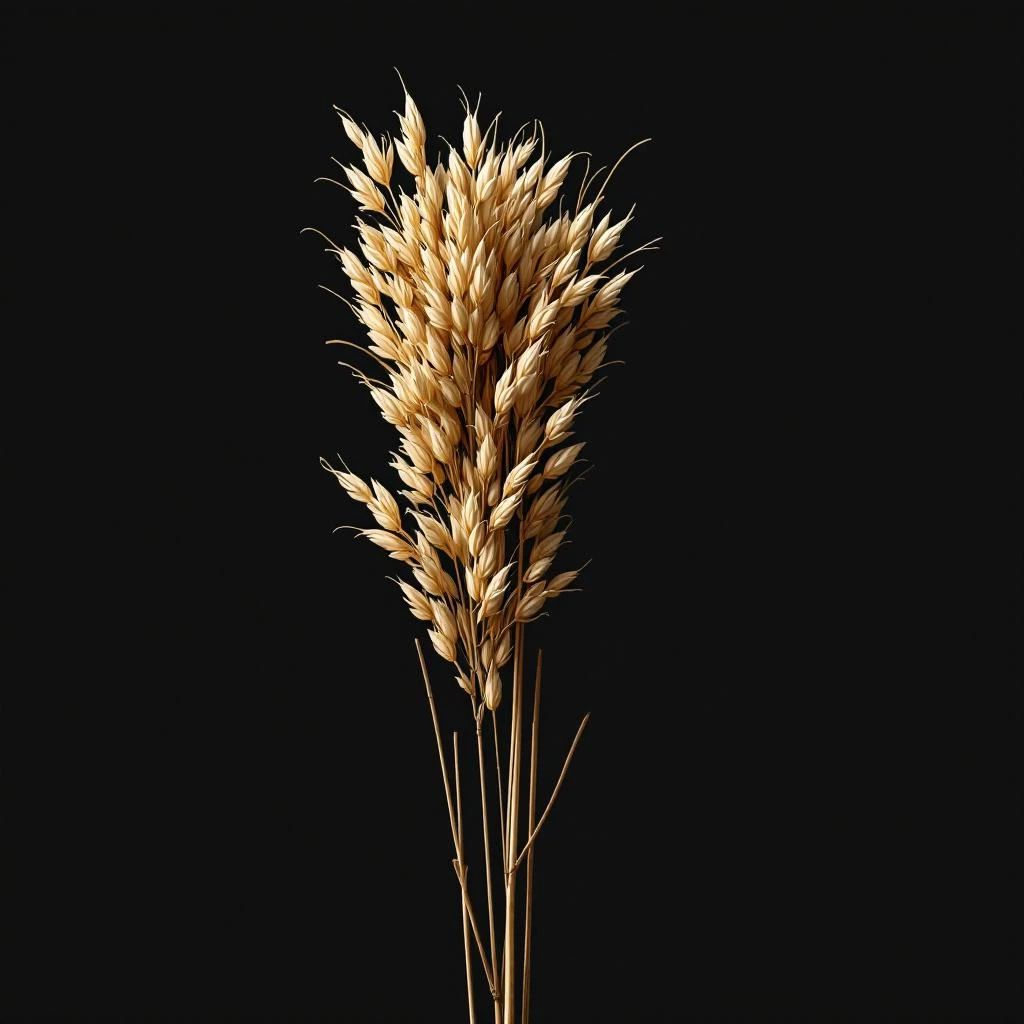
Sugar cane originated in New Guinea and island Southeast Asia around 6000 BCE before spreading to India and the Mediterranean. While perfumery itself dates back 3200 years to Mesopotamia, the practice of distilling sugarcane into spirits emerged far later.
The first true rum distillation occurred on Caribbean plantations in the 17th century, when colonists discovered that molasses, a byproduct of sugar refining, could be fermented and distilled into alcohol. These aged spirits developed rich vanilla, caramel, and oak qualities from time spent in charred barrels.
By the 20th century, as perfumery evolved with synthetic chemistry, creators began capturing the warm, intoxicating character of rum and brandy in fragrance form. Sugar cane brandy as a perfume note represents a fusion of agricultural history, distillation innovation, and aromatic artistry.
Wears it best
Fragrances featuring Sugar Cane Brandy
Brands
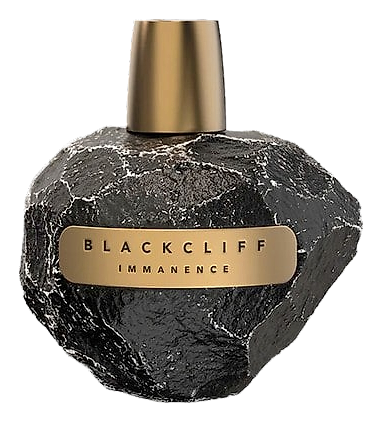
Brands known for Sugar Cane Brandy
Good to know
Questions, answered
The essentials on Sugar Cane Brandy in perfumery: how it smells, where it comes from, and how it behaves on skin.
What is sugar cane brandy in perfumery?
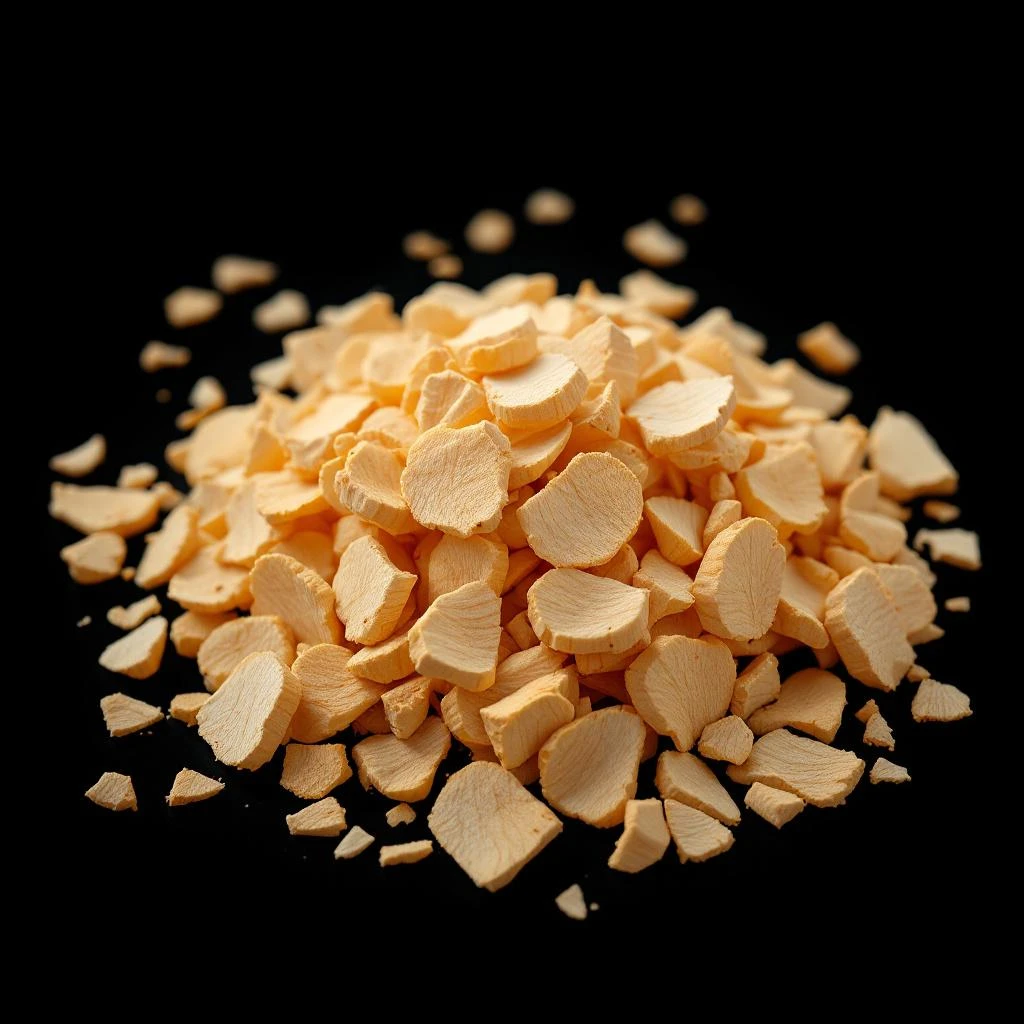
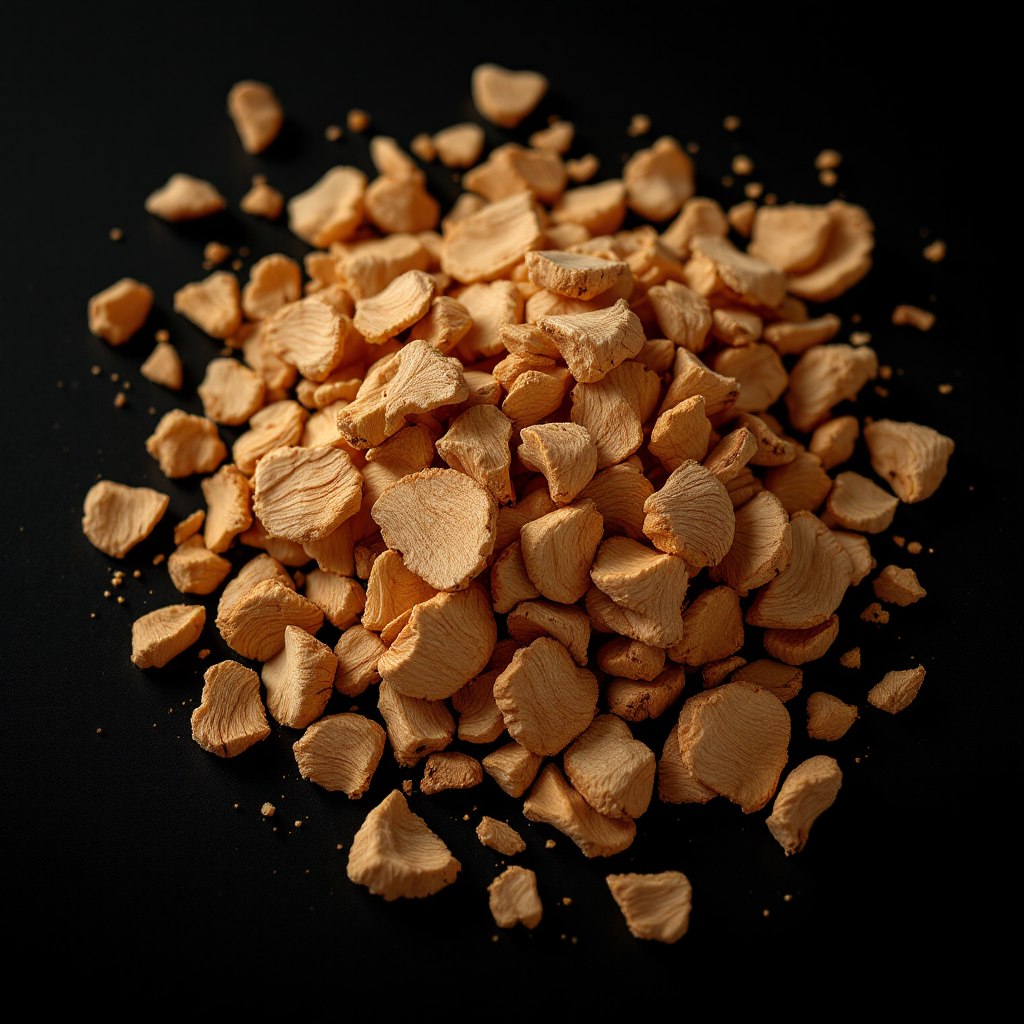
Sugar cane brandy is a warm, sweet base note combining the natural aroma of sugarcane with spirit-inspired accords. It features vanilla, caramel, and oak character reminiscent of aged rum and brandy, adding depth and sensuality to fragrance compositions.
How is sugar cane brandy fragrance material produced?
Natural material comes from solvent or supercritical CO₂ extraction of sugarcane stalks. Perfumery versions typically blend this absolute with synthetic aroma chemicals like vanillin and ethyl lactate to fully capture the complexity of aged spirit character.
What does sugar cane brandy smell like?
Sugar cane brandy smells warm, sweet, and slightly smoky. Expect prominent vanilla and caramel notes backed by oak, honey, and a subtle boozy quality that evokes the warmth of aged rum.
Where does sugar cane brandy originate from?
The spirit tradition dates to 17th-century Caribbean plantations, where colonists first distilled rum from sugarcane byproducts. The aromatic note draws from this tradition while sugarcane itself traces roots to Southeast Asia and New Guinea.
Is sugar cane brandy natural or synthetic?
Most sugar cane brandy perfume materials use a hybrid approach. Natural CO₂ or solvent extracts provide authentic plant character, while targeted synthetic aromatics recreate the aged, barrel-informed qualities that no natural extract can fully supply.
What fragrances feature sugar cane brandy?
Sugar cane brandy appears as a base note in warm, gourmand, and oriental fragrances. It pairs especially well with vanilla, tonka bean, and woody accords, adding an alcoholic warmth that rounds out sweet top notes.
How does sugar cane brandy differ from plain rum notes?
Rum notes emphasize freshness and bright sweetness. Sugar cane brandy goes deeper, incorporating oak-driven dryness and the rounded warmth of extended aging, giving compositions a richer, more contemplative character.
Does sugar cane brandy have any preservative properties?
Like most high-proof spirits, sugarcane derivatives used in perfumery offer mild preservative benefits. This explains its historical use in aromatic applications alongside perfumery, where longevity and stability matter.