Sublimolide
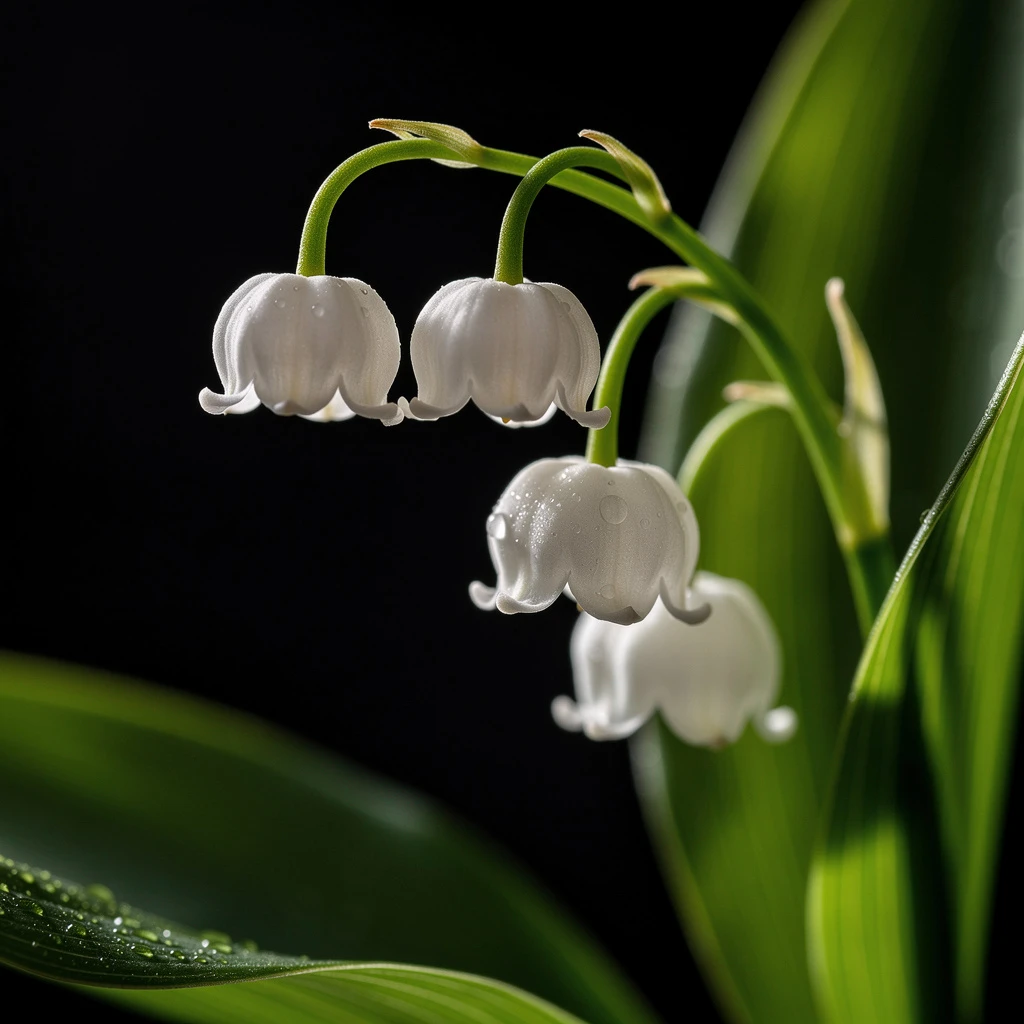
Sublimolide is a next-generation macrocyclic musk that delivers the warm, radiant qualities of natural ambrettolide without any animal dependency. This vegan alternative brings soft, enveloping warmth to fragrance compositions with ethical elegance.

Character
How it smells
Clean, warm musk without compromise.
Sublimolide replicates the exact molecular signature of natural ambrettolide while remaining completely animal-free and cruelty-free.

Origin
Switzerland
The story of Sublimolide begins with the fragrance industry's long pursuit of ethical musk alternatives. Natural ambrettolide, derived from ambrette seeds, has long been prized for its warm, slightly fruity musk character. However, the low concentration in seeds and the growth requirements of the ambrette plant limited its availability.
The late 20th and early 21st centuries saw accelerated research into synthetic alternatives, driven by sustainability concerns and animal welfare awareness. Sublimolide emerged from this movement as fragrance chemistry entered a new era of biomimicry. Rather than creating entirely new odor profiles, perfumers gained tools to replicate nature's best qualities through controlled synthesis.
The macrocyclic musks represent one of the most significant advances in this field, offering complexity and warmth once only available from limited natural sources. Sublimolide exemplifies this achievement, giving perfumers a responsible choice without sacrificing the sensory qualities that make musk irreplaceable.
Wears it best
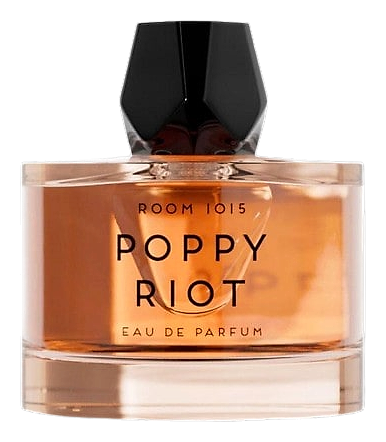
Fragrances featuring Sublimolide


Brands
Brands known for Sublimolide
Good to know
Questions, answered
The essentials on Sublimolide in perfumery: how it smells, where it comes from, and how it behaves on skin.
What makes Sublimolide vegan?
Sublimolide is fully synthetic, produced through controlled chemical synthesis rather than extracted from natural sources. It contains no animal-derived components and was never tested on animals, making it a cruelty-free alternative to natural musks like ambrettolide from ambrette seeds.
How does Sublimolide compare to traditional musks?
Sublimolide replicates the warm, slightly fruity musk character of natural ambrettolide through macrocyclic chemistry. Unlike traditional nitro-musks, it offers a cleaner, more modern profile with superior skin compatibility and no yellowing properties in formulations.
What does Sublimolide smell like?
Sublimolide delivers a warm, soft musk character with subtle fruity undertones reminiscent of ambrette seeds. It adds radiance and skin-like warmth to fragrance bases, functioning as both a fixative and a character ingredient in the heart of perfume compositions.
Is Sublimolide ethically sourced?
Yes. Sublimolide is produced synthetically, avoiding the environmental footprint of cultivating ambrette plants. This eliminates the land use, water consumption, and long supply chains associated with traditional natural musk extraction methods.
Can Sublimolide be used in all fragrance types?
Sublimolide works across fragrance categories, from fine perfumes to personal care and home products. It performs well in alcohol-based fragrances, oil-based perfumes, and cosmetic formulations, offering versatility that natural musks cannot always match.
Is Sublimolide safe for skin application?
Sublimolide complies with International Fragrance Association safety guidelines. It undergoes extensive toxicological evaluation for skin sensitization and phototoxicity before commercial use, meeting the standards required for cosmetic and fine fragrance applications worldwide.
What fragrances use Sublimolide?
Sublimolide appears in modern fine fragrances, particularly those marketed as vegan or clean beauty. Perfumers value it for adding warmth to floral compositions, depth to woody bases, and a contemporary musk character that appeals to environmentally conscious consumers.
Does Sublimolide support sustainability goals?
Sublimolide supports sustainability by replacing natural musks that require extensive agricultural resources. Its lab-based production uses precise quantities of raw materials, reducing waste and eliminating the need for large-scale cultivation of specific plant species.
In the same family