Havanawood
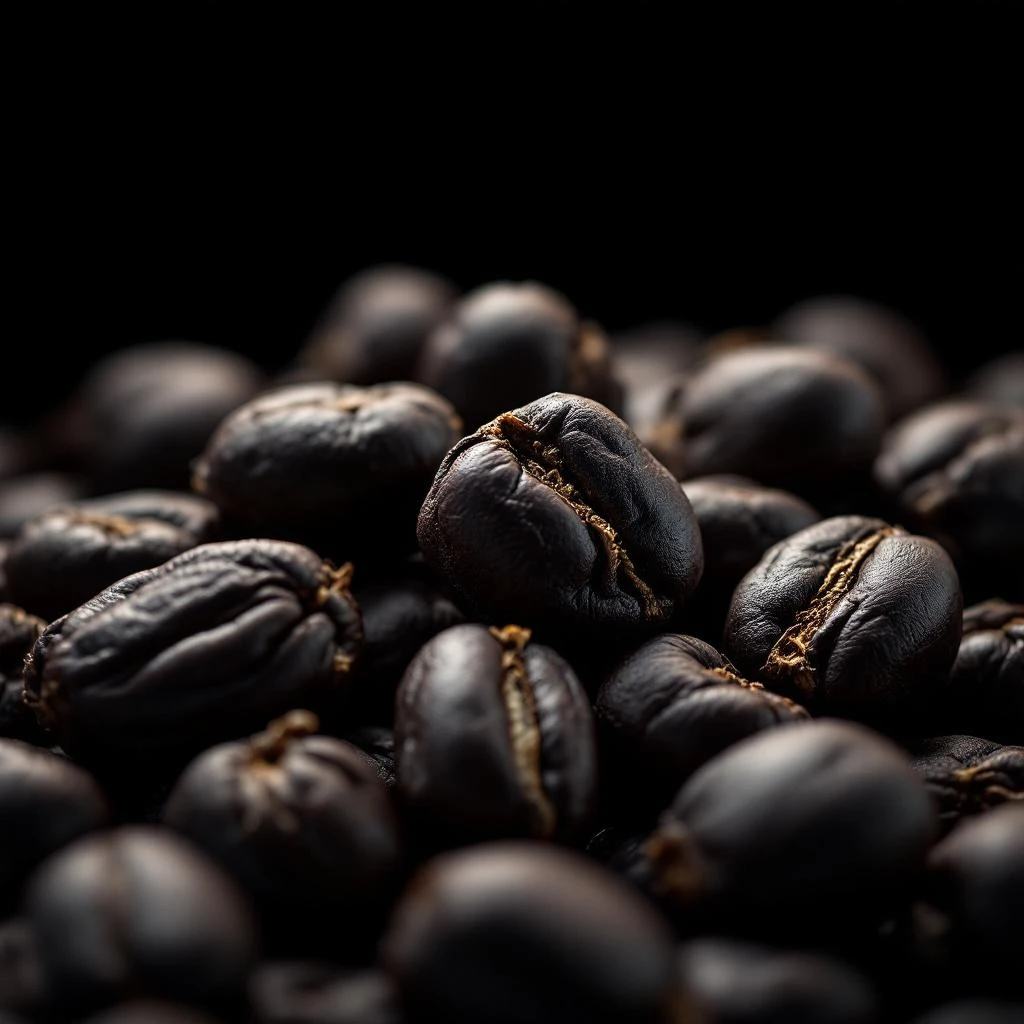
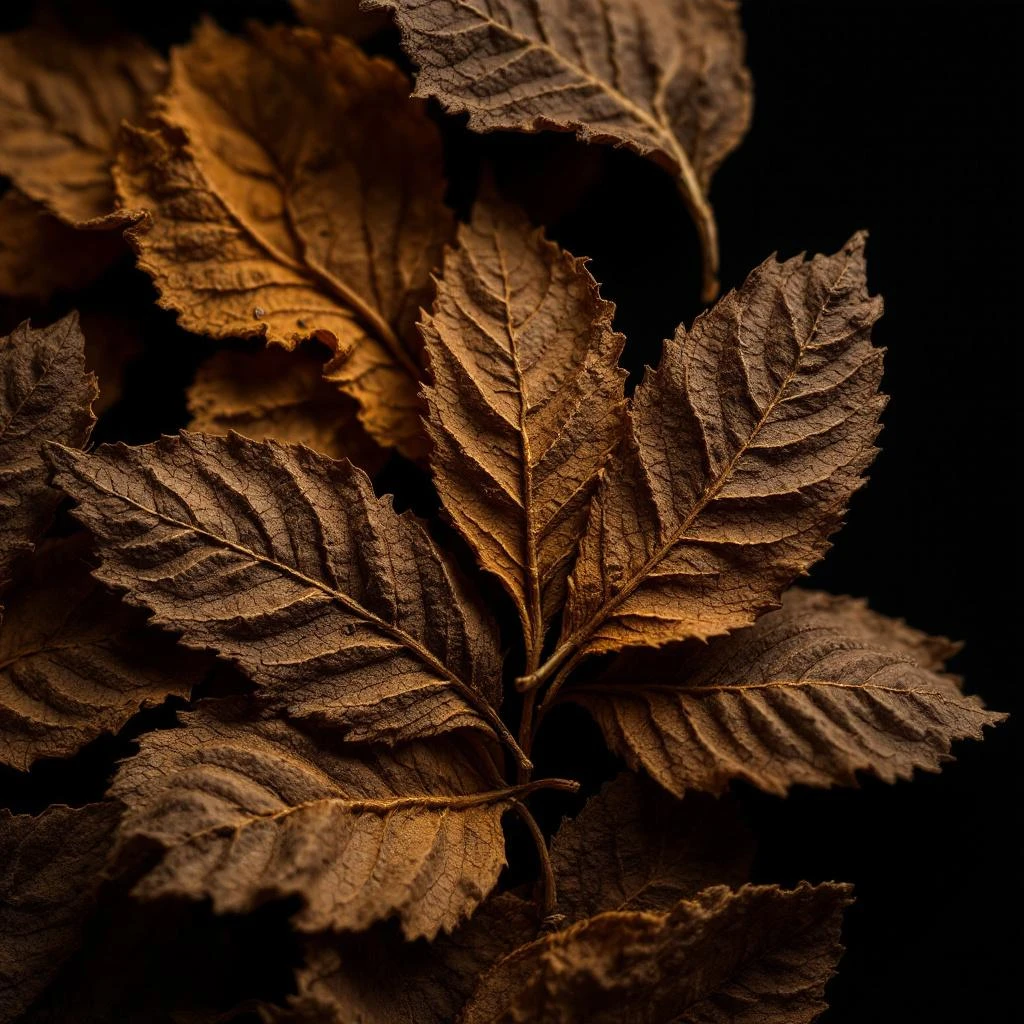
A tobacco-inspired captive material that captures the warm, smoky soul of Cuban cedar in a modern molecular format. Rich, balmy, and quietly luxurious.
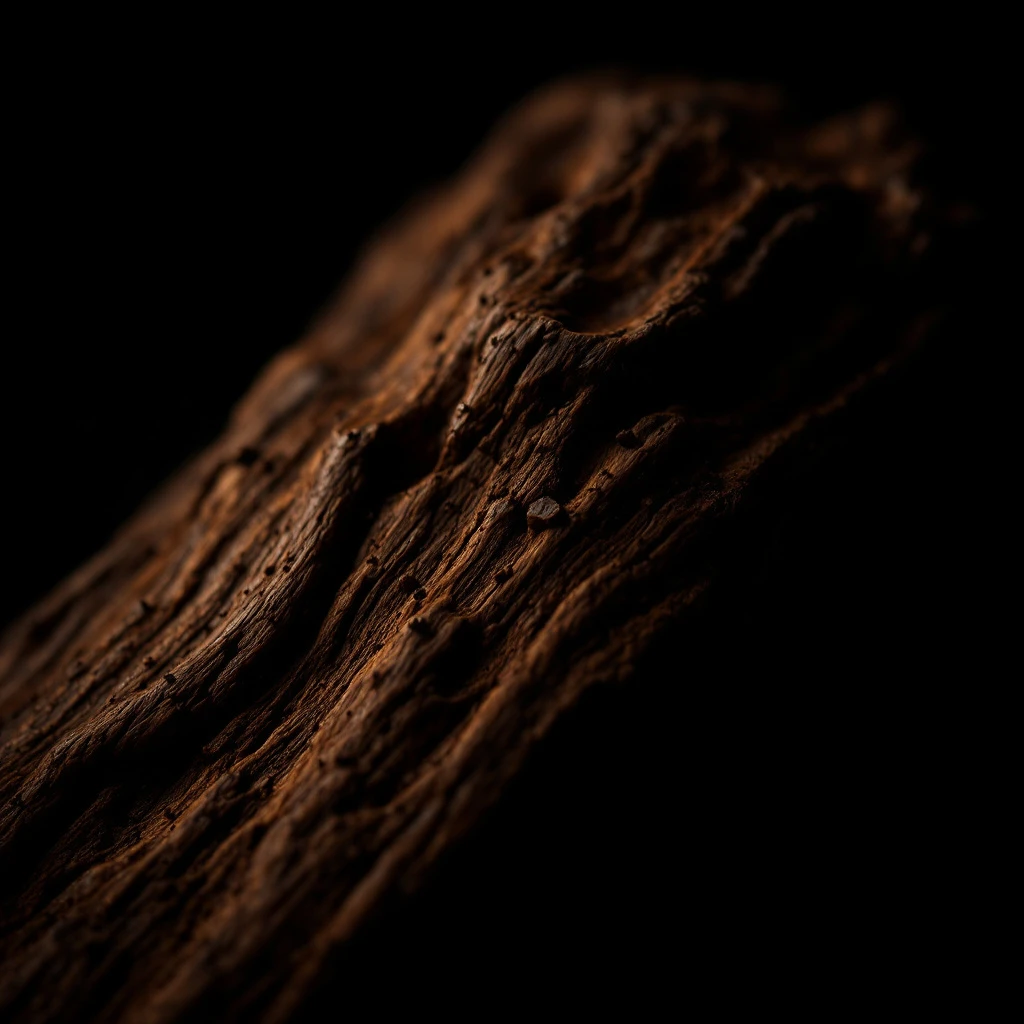
Character
How it smells
Cuban soul, modern chemistry.
Havanawood does not come from Cuba. It is a captive synthetic crafted by Firmenich to evoke the aromatic character of aged Cuban tobacco and cedar without using natural derivatives.

Origin
Switzerland
Tobacco holds a complicated and storied place in fragrance history. From the 16th century onward, Cuban tobacco became synonymous with luxury and refinement across European aristocratic circles.
Perfumers during the Colonial era experimented with tobacco absolute derived from Nicotiana tabacum leaves, though natural tobacco materials proved challenging to work with due to their strong physiological associations and inconsistent aroma profiles across harvests. The 20th century saw fragrance houses seeking to standardize and scale tobacco-derived materials, but natural tobacco absolute remained expensive and variable.
Firmenich responded by developing Havanawood as a modern captive alternative, giving perfumers a stable, high-quality material that evokes Cuban tobacco without relying on natural sourcing. The result became a cornerstone of masculine and gender-neutral fragrances seeking warm, smoky, woody signatures.
Wears it best
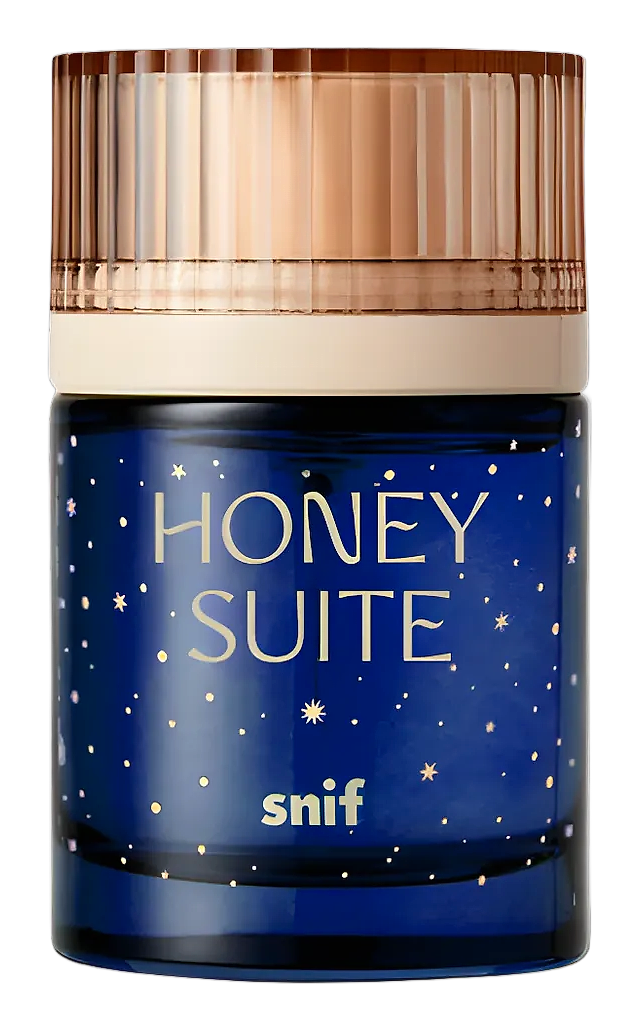
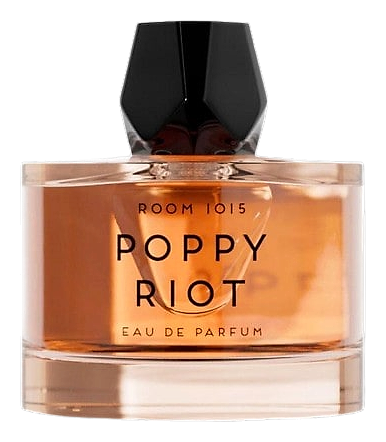
Fragrances featuring Havanawood
Good to know
Questions, answered
The essentials on Havanawood in perfumery: how it smells, where it comes from, and how it behaves on skin.
What does Havanawood smell like?
Havanawood has a warm, woody-tobacco character with subtle leather and sweet undertones. It evokes aged Cuban cigar cedar more than raw tobacco leaf, making it refined and accessible.
Is Havanawood a natural ingredient?
No. Havanawood is a captive synthetic molecule created by Firmenich. It replicates the aromatic profile of Cuban tobacco and cedar without using any natural botanical materials.
Why do fragrance houses use captive molecules like Havanawood?
Captive molecules offer consistency and exclusivity. Each batch is chemically identical, eliminating the natural variation that occurs with botanical ingredients, and the material remains proprietary to the creator.
Which perfumes use Havanawood?
Firmenich has used Havanawood in various masculine and gender-neutral fragrances. Specific formulations are not always publicly disclosed since the molecule is proprietary to the house.
Is Havanawood safe for skin use?
As a regulated captive molecule used in commercial perfumery, Havanawood complies with IFRA standards and safety assessments required for cosmetic and fragrance applications.
What does 'captive molecule' mean in perfumery?
A captive molecule is a synthetic aromatic chemical that is patented and controlled by a single fragrance house, meaning it cannot be purchased from raw material suppliers by competing brands.
How does Havanawood compare to actual Cuban tobacco absolute?
Cuban tobacco absolute carries intense, barnyard-like facets alongside its sweet smoke. Havanawood captures only the refined woody-tobacco character, stripping away the harsher physiological notes for a cleaner, more wearable effect.
Where is Havanawood produced?
Havanawood is developed and produced by Firmenich at their Swiss facilities. The company maintains its primary research and development operations in Geneva, Switzerland.