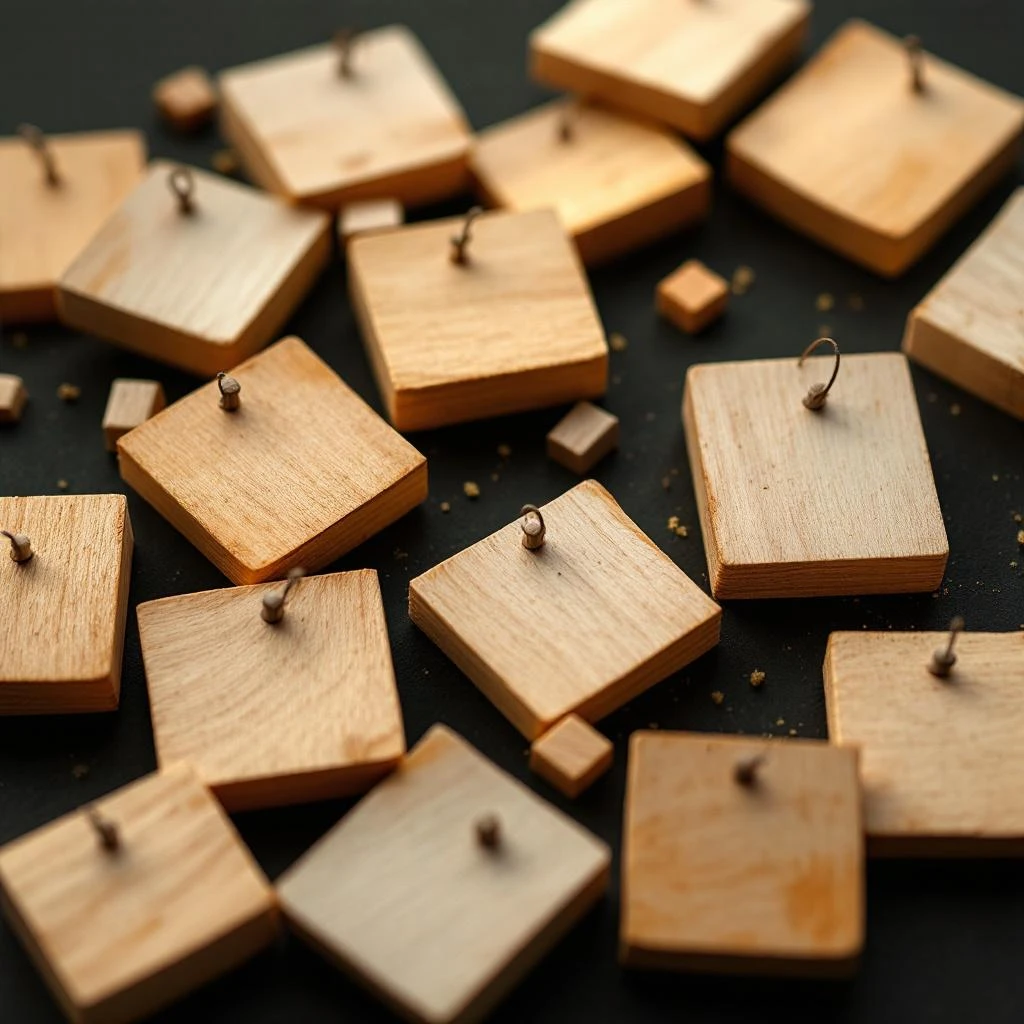
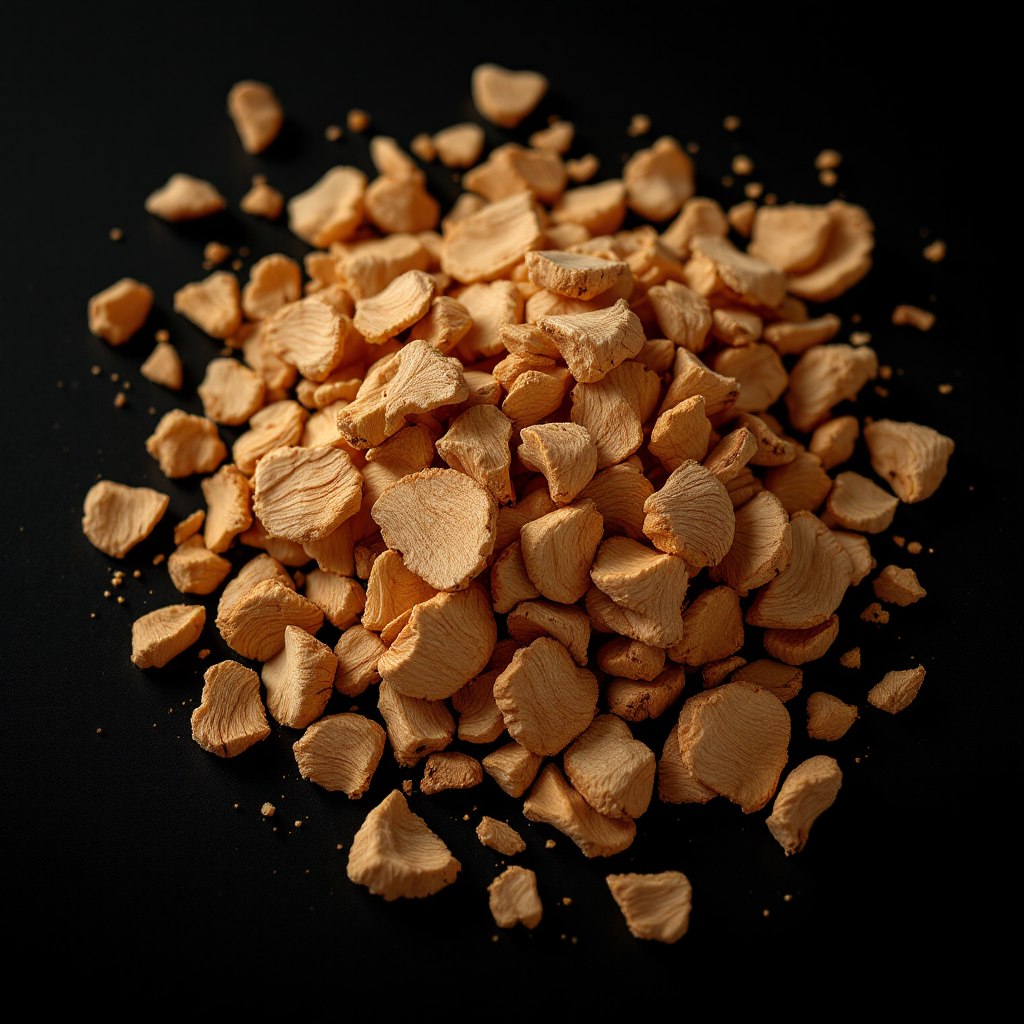
Styrax Wood
A warm, resinous note with vanilla-like sweetness and balsamic depth. Sourced from the hardened tears of the Liquidambar tree, styrax brings quiet richness to fragrances that endure.
Character
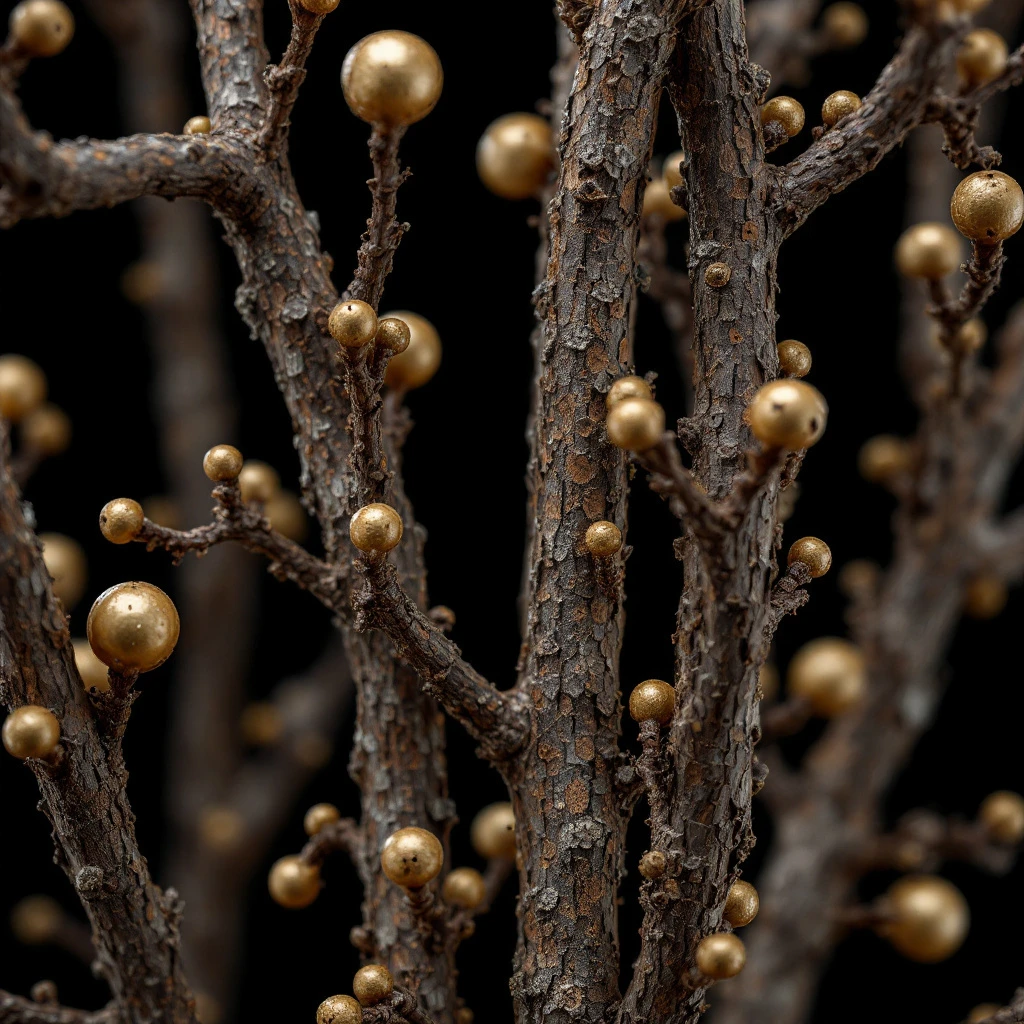
How it smells
Ancient resin, enduring warmth.
One tree can produce styrax resin for over a century, with each harvest deepening the scent's complexity.




Origin
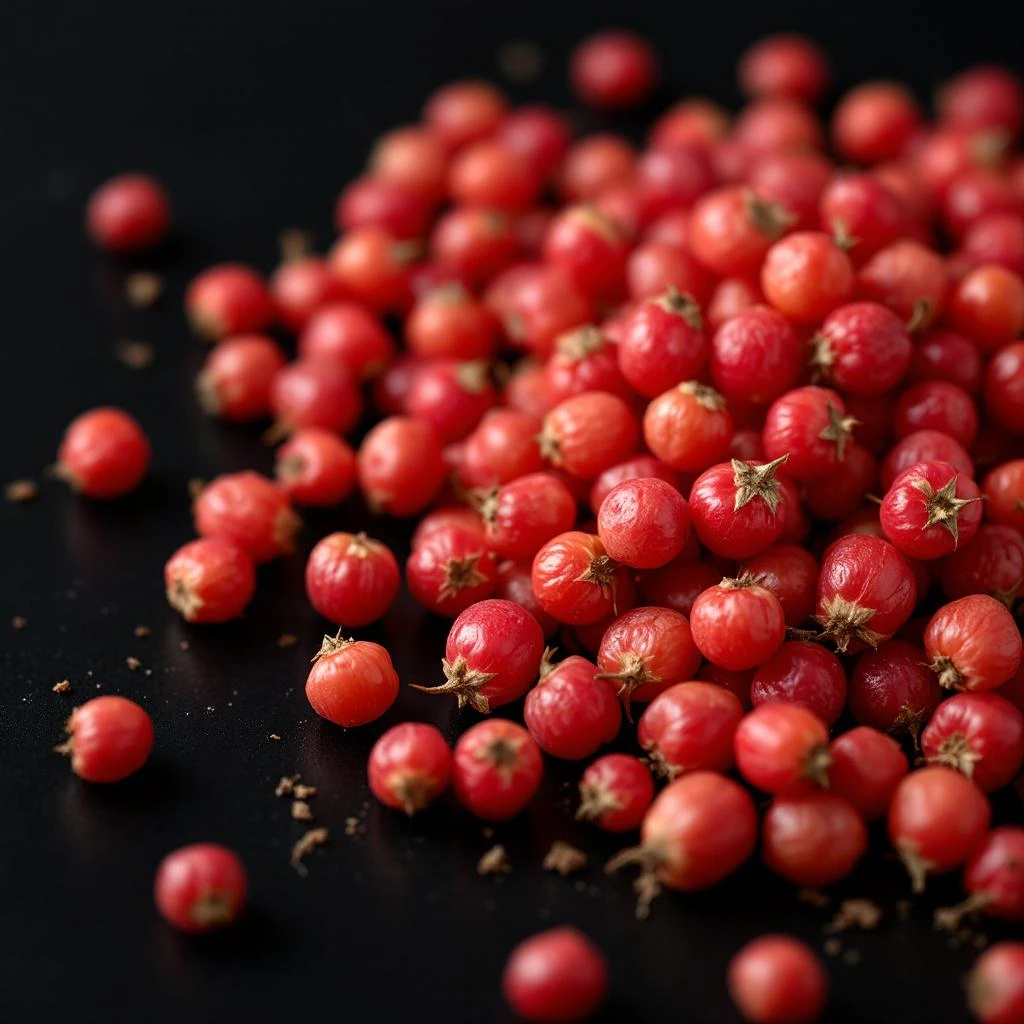
Indonesia
The ancient Babylonians burned styrax resin in temples as offerings to their gods. Greek physicians Hippocrates and Dioscorides documented its medicinal properties, using it in treatments for wounds and respiratory ailments. Roman merchants prized it as highly as frankincense.
Arab traders called it the frankincense of Java when it reached European markets in the Middle Ages, where it became essential to pomander crafts and monastery perfumery. For thousands of years, Sumatran harvesters have collected this golden resin by hand, burning it in temples and trading it along ancient spice routes that shaped the early fragrance industry.
Wears it best
Fragrances featuring Styrax Wood

Brands
Brands known for Styrax Wood
Good to know
Questions, answered
The essentials on Styrax Wood in perfumery: how it smells, where it comes from, and how it behaves on skin.
What does styrax smell like?
Styrax has a warm, resinous scent with vanilla-like sweetness and balsamic depth. Think benzoin meets storax, with a comforting, almost medicinal quality. It works as a natural fixative in perfumery, adding richness and longevity to compositions. Perfumers value it most in oriental and woody fragrances.
Where does styrax come from?
Most commercial styrax originates from Sumatra, Indonesia, where Liquidambar benzoin trees grow in the island's northern forests. Ancient trade routes carried this resin to the Mediterranean world, where it gained prominence in perfumery centuries ago.
How do perfumers use styrax?
Perfumers use styrax as a fixative to prolong fragrance longevity and add warm, resinous depth. It serves as a base note in oriental fragrances, woody compositions, and amber accords. The material pairs well with vanilla, labdanum, and sandalwood.
Is styrax a natural ingredient?
Yes, natural styrax comes from the resin of living Liquidambar trees. Harvesters collect it by hand from bark incisions. Perfumers then process it using solvent extraction to create a resinoid or absolute suitable for fragrance formulations.
How long have people used styrax?
Documented use of styrax spans over 2,000 years. Babylonian and Greek sources mention it as incense and medicine. Ancient Egyptians used it, and Pliny the Elder described its applications in Roman times.
What fragrances use styrax?
Perfumers feature styrax most often in oriental fragrances, ambery compositions, and resin-forward woody scents. It appears frequently alongside vanilla, benzoin, and labdanum to create warm, enveloping fragrance profiles.
Is styrax safe for skin use?
Styrax resinoid meets IFRA standards for cosmetic applications when properly processed. Perfumers follow recommended concentration guidelines. The ingredient contains natural compounds that may cause sensitivity in some individuals.
What makes styrax unique among perfumery resins?
Unlike many resins that require steam distillation, styrax retains its character through solvent extraction. Its warm, vanillic quality and gentle balsamic nature make it distinctive. It also acts as a natural fixative, helping other notes linger longer on the skin.