Strawberry Pie
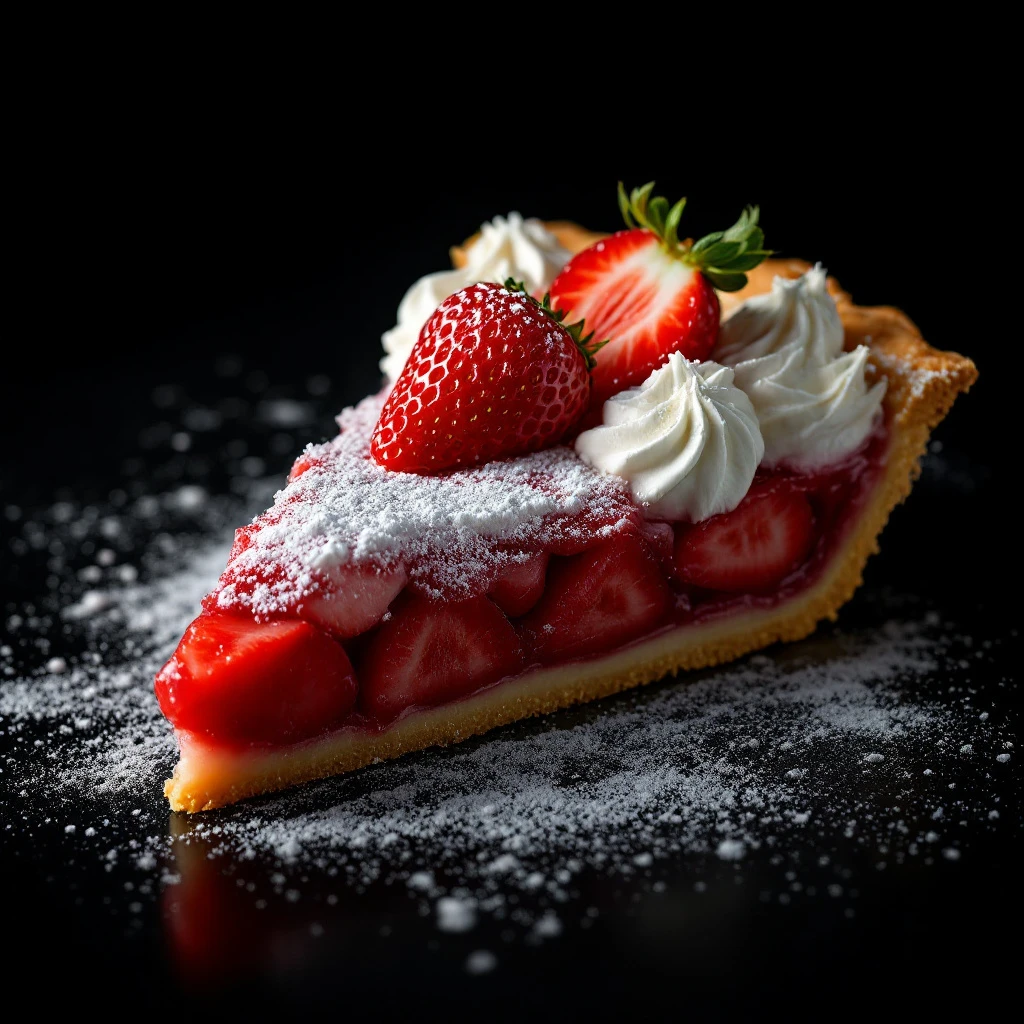
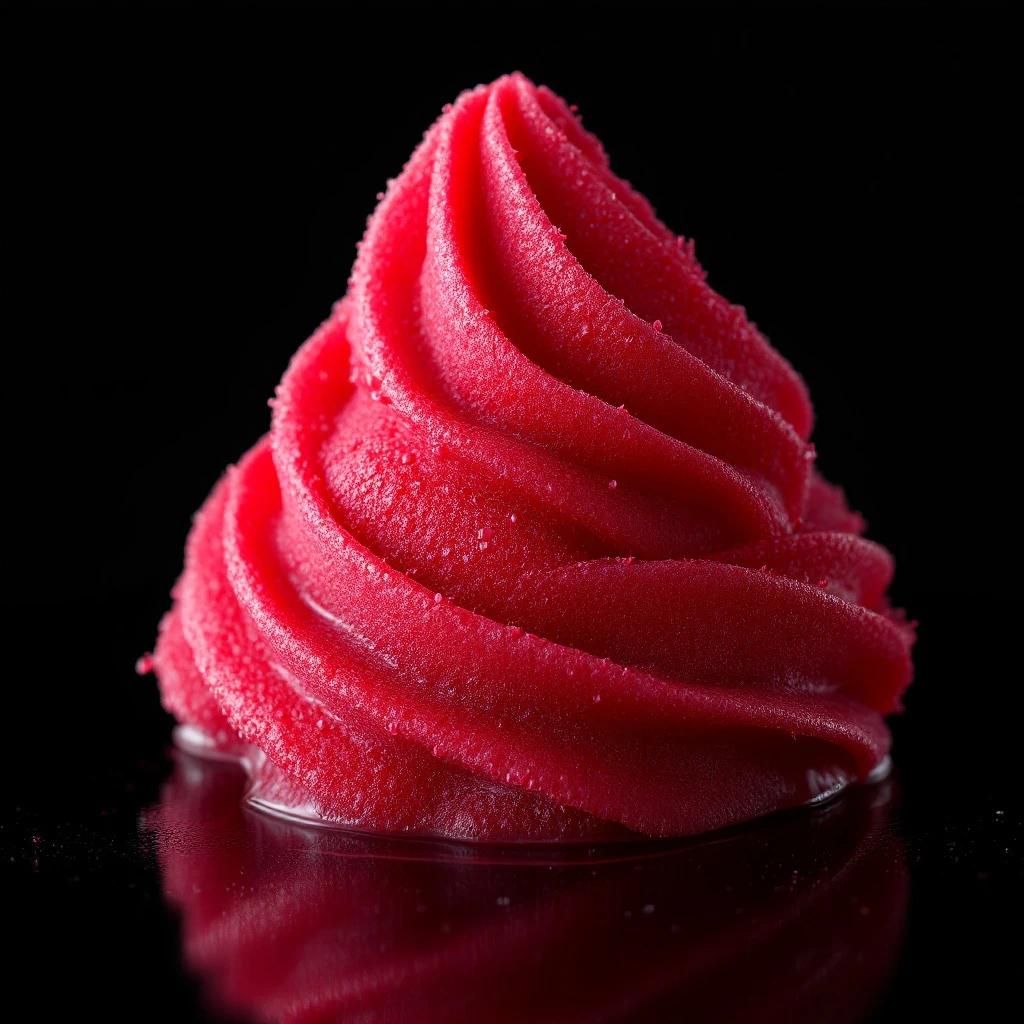
Strawberry Pie captures the warm, buttery sweetness of fresh berries tucked into a flaky crust. A gourmand note that blends juicy fruit with caramelized pastry richness for nostalgic, edible warmth.
Character
How it smells
Berries, butter, and baked sweetness
Natural strawberry aroma cannot be captured by traditional distillation because the fruit contains almost no essential oil, so perfumers reconstruct it from aroma molecules like ethyl methylphenylglycidate.
Pairs beautifully with


Origin
Reconstructed globally
Strawberries have appeared in perfumery primarily as a conceptual note rather than a literal one. Since strawberries contain almost no volatile oil, the fruit remained largely absent from fine fragrance until synthetic aroma chemistry advanced during the twentieth century. The development of ethyl methylphenylglycidate in the 1940s and the identification of furaneol in the 1960s gave perfumers reliable tools to evoke ripe strawberries.
Before that, perfumers who wanted fruit sweetness relied on citrus oils or floral bases with raspberry ketone, a compound isolated in the late 1800s. The Strawberry Pie accord, layered with pastry, butter, and caramel nuances, emerged as part of the gourmand fragrance movement that gained traction in the 1990s. Thierry Mugler's Angel (1992) helped establish edible notes in fine perfumery, and Strawberry Pie-style accords began appearing in niche and mainstream releases that followed.
Today, the note signals comfort, nostalgia, and playful indulgence in modern fragrance composition.
Wears it best
Fragrances featuring Strawberry Pie
Brands
Brands known for Strawberry Pie
Good to know
Questions, answered
The essentials on Strawberry Pie in perfumery: how it smells, where it comes from, and how it behaves on skin.
What does Strawberry Pie smell like in perfume?
Strawberry Pie in fragrance blends ripe berry sweetness with buttery pastry and a hint of caramelized sugar. The accord usually emphasizes the cooked, jammy quality of baked strawberries rather than the tartness of fresh fruit, often layered with vanilla or lactonic creaminess.
Is Strawberry Pie a natural fragrance ingredient?
No. Strawberries produce almost no essential oil, so Strawberry Pie is built from synthetic aroma molecules and natural isolates. Compounds like ethyl methylphenylglycidate and furaneol recreate the berry character, while lactones and vanillin supply the pastry warmth.
Where does the strawberry scent in perfume come from?
The strawberry scent in perfumery comes primarily from synthetic aroma chemicals developed in the twentieth century. Ethyl methylphenylglycidate was a breakthrough in the 1940s, and furaneol, identified in the 1960s, added the caramelized depth that defines baked-fruit accords.
Which fragrances feature Strawberry Pie notes?
Strawberry Pie-inspired accords appear in gourmand releases from the late 1990s onward. The note gained visibility following the rise of edible-style perfumery in the 1990s, showing up in niche and mainstream compositions that emphasize comfort and nostalgia.
How long does a Strawberry Pie note last on skin?
Strawberry Pie accords typically function as heart or top notes and last two to four hours depending on the formula. Adding base notes like vanilla, sandalwood, or white musk can extend the warm pastry character significantly longer.
Is Strawberry Pie suitable for sensitive skin?
Strawberry Pie accords use synthetic aroma chemicals that are generally well tolerated, but individual reactions vary. Anyone with fragrance sensitivity should patch test first, since reconstructed gourmands often contain multiple sensitizing components like lactones and aldehydes.
Can Strawberry Pie be combined with floral notes?
Yes. Strawberry Pie pairs exceptionally well with rose, peony, and jasmine, where the fruity sweetness softens green or indolic edges. This combination became popular in modern fruity-floral compositions, balancing sugar with petal freshness.
Why is Strawberry Pie hard to find as a pure natural oil?
Strawberries contain less than 0.01 percent volatile aromatic compounds, far too little for steam distillation. Even solvent extraction yields little usable aroma, which is why perfumers reconstruct the scent from individual aroma molecules rather than attempting natural isolation.




