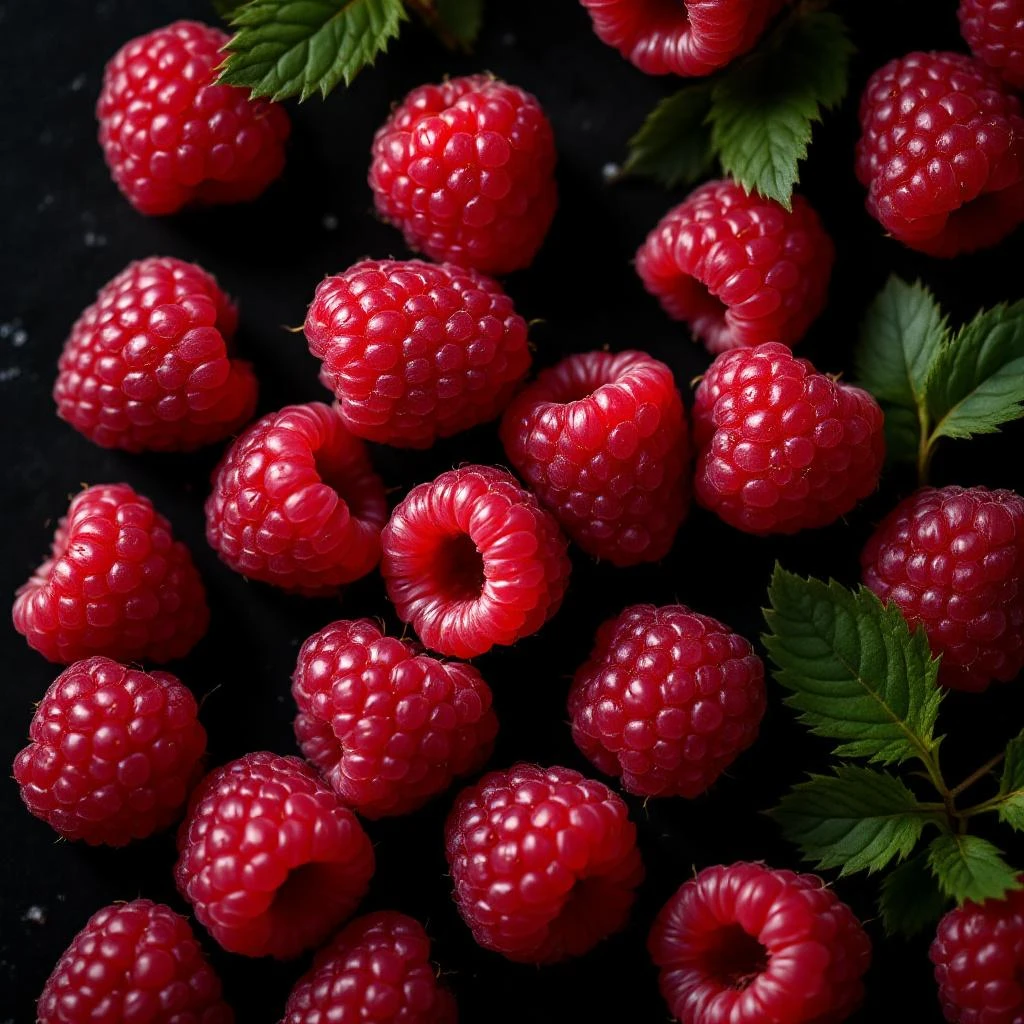
Strawberry Aldehyde
Strawberry Aldehyde captures the essence of sun-ripened strawberries in a concentrated synthetic form. This lab-created molecule delivers bright, sweet, slightly tangy top notes that give modern fragrances their irresistible fruity lift.
Character
How it smells
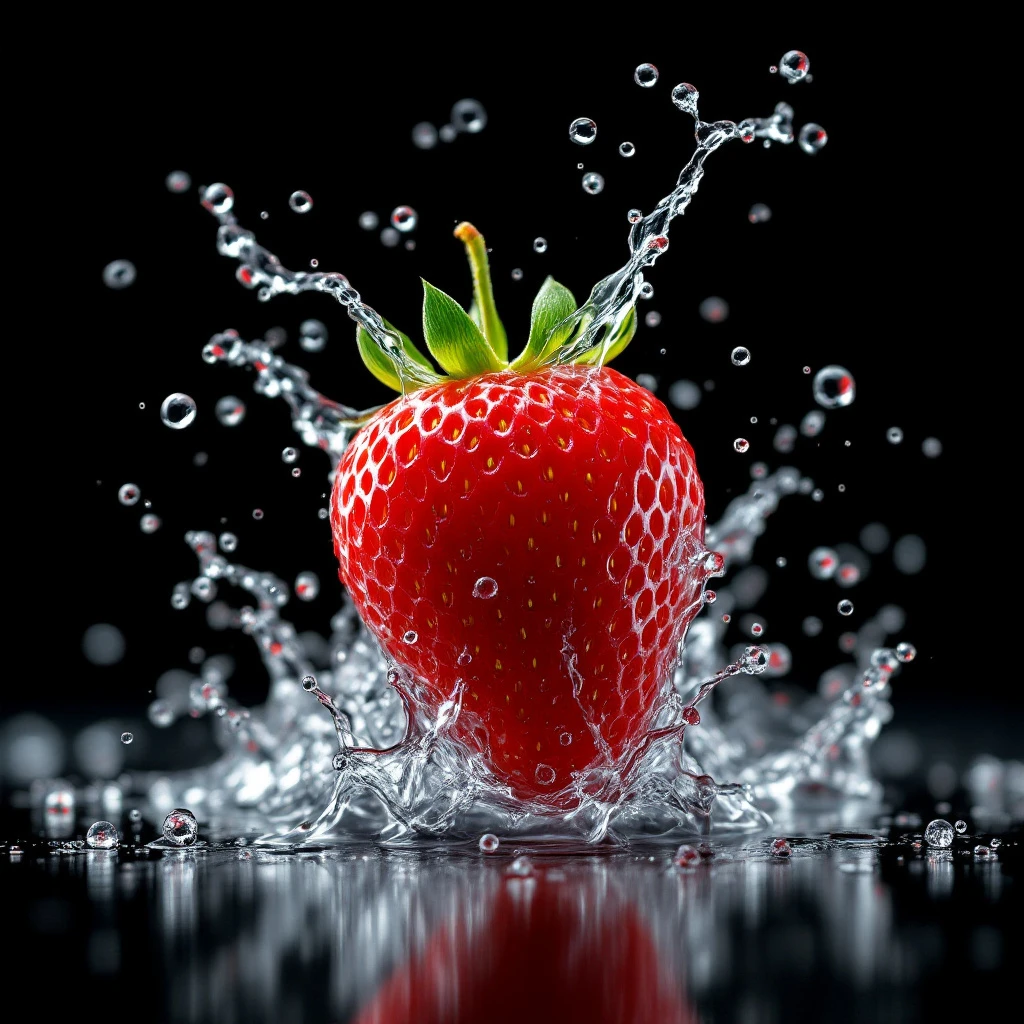
The sweet, tangy heart of ripe strawberries, bottled in a lab.
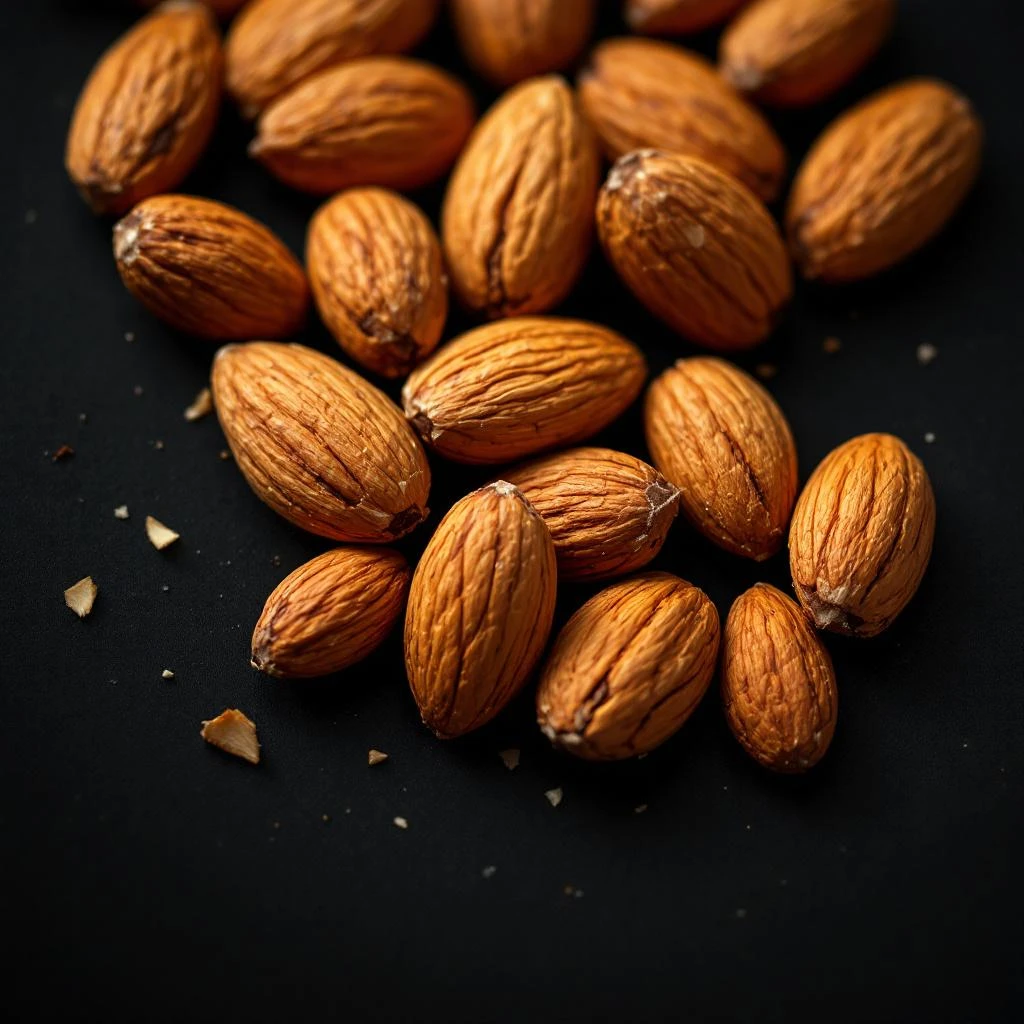
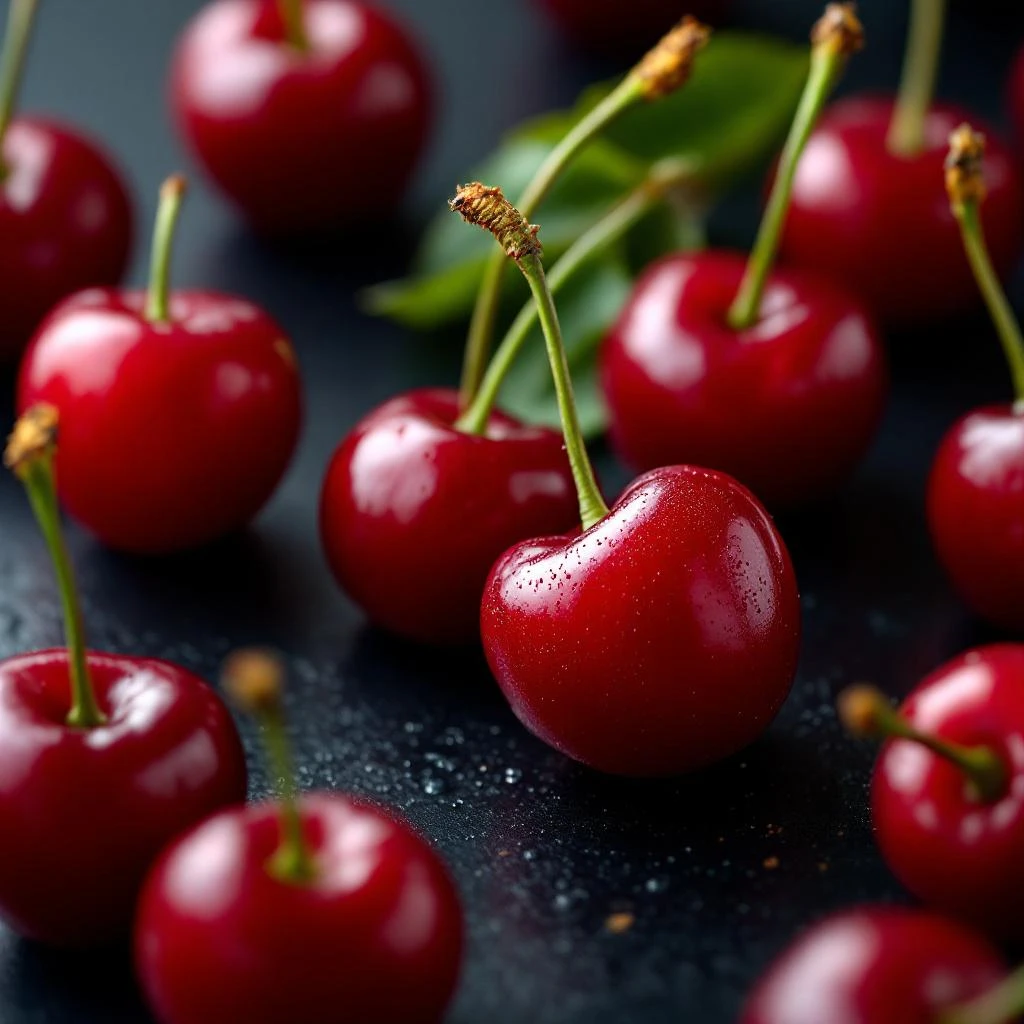
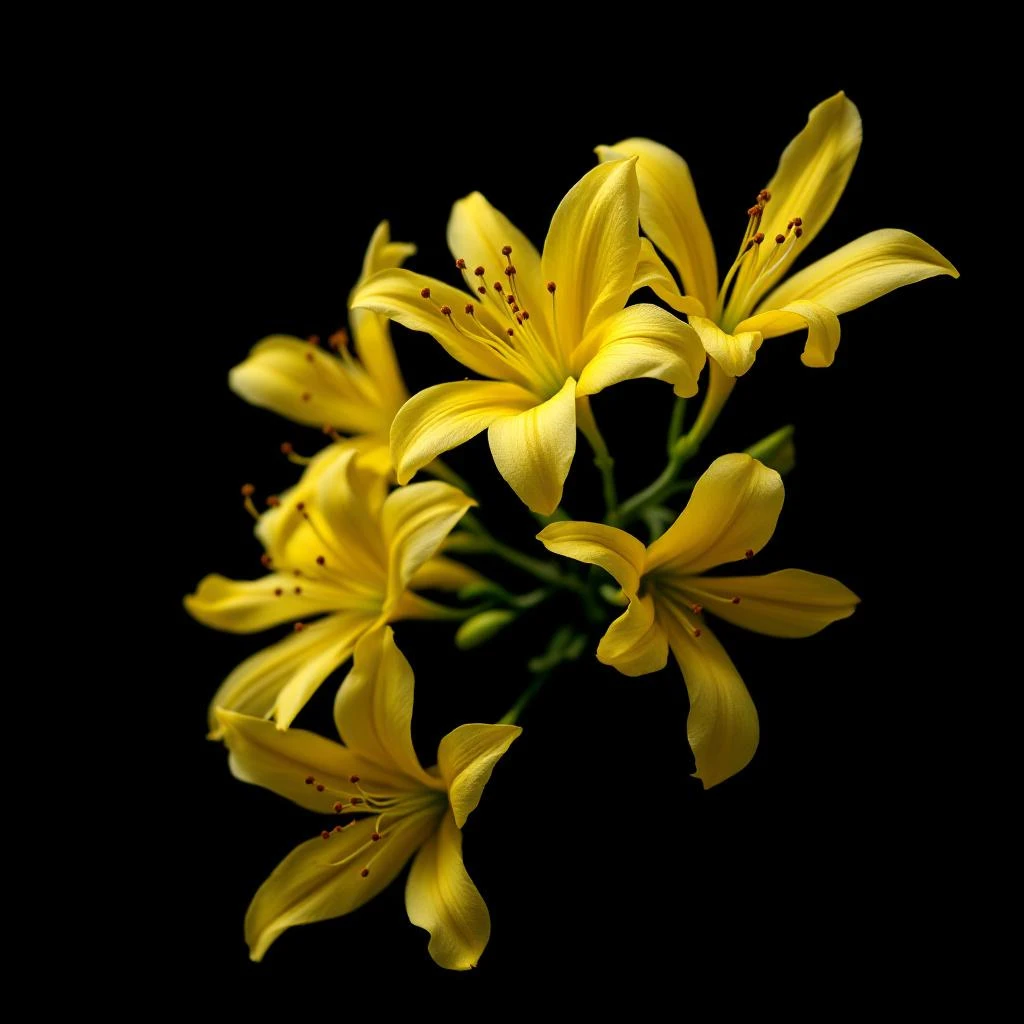
Despite its name, Strawberry Aldehyde rarely smells purely of strawberries alone. In perfumery, it acts as a versatile building block for an entire spectrum of lush fruit notes beyond strawberry.




Origin
Germany
Baron Justus von Liebig first isolated aldehydes in 1835 while working in Germany, establishing the chemical foundation for this entire class of fragrance ingredients. Early aldehydes like vanillin and coumarin launched synthetic perfumery at the century's end, but Strawberry Aldehyde emerged later as part of a broader expansion in aromatic chemistry. The specific synthesis method for ethyl methylphenylglycidate appeared in 1961, developed by Keiiti Sisido, Osamu Nakanisi, and Hitosi Nozaki at Kyoto University.
These Kyoto chemists created the compound through epoxide chemistry using petroleum-derived starting materials, a process that remains largely unchanged today. Strawberry Aldehyde arrived during an era when perfumers increasingly turned to synthetic reproduction of natural scents rather than relying on extraction alone.
Wears it best
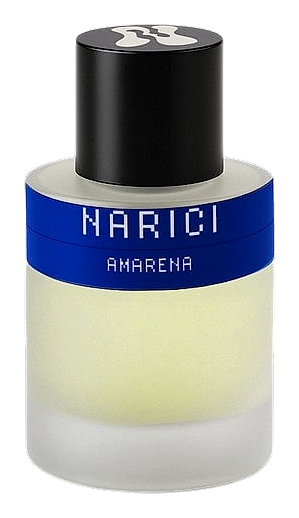
Fragrances featuring Strawberry Aldehyde
Brands
Brands known for Strawberry Aldehyde
Good to know
Questions, answered
The essentials on Strawberry Aldehyde in perfumery: how it smells, where it comes from, and how it behaves on skin.
What does Strawberry Aldehyde smell like?
Strawberry Aldehyde smells sweet, fruity, and slightly tangy with bright, berry-like character. It delivers the concentrated essence of ripe strawberries with minimal green or floral undertones, making it ideal for creating fresh, modern fruity fragrances.
Is Strawberry Aldehyde natural?
No, Strawberry Aldehyde is entirely synthetic. Perfumers create it in laboratories from petrochemical and alcohol precursors through controlled organic synthesis. This production method ensures consistent quality and makes the ingredient more sustainable than harvesting natural strawberry extracts.
When was Strawberry Aldehyde developed?
German chemist Baron Justus von Liebig first isolated aldehydes as a class in 1835. The specific Strawberry Aldehyde variant emerged later, with its synthesis method published in 1961 by researchers at Kyoto University.
How do perfumers use Strawberry Aldehyde?
Perfumers use Strawberry Aldehyde primarily as a top-note modifier to add bright, fruity sweetness to fragrances. It works exceptionally well in modern florals, chypres, and fresh green compositions where natural berry accents are desired.
What other names does Strawberry Aldehyde go by?
Strawberry Aldehyde is also known as Ethyl Methylphenylglycidate, C16 Aldehyde, and Strawberry Glycidate. The name C16 refers to its position among early synthetic aldehydes studied in fragrance chemistry research.
Does Strawberry Aldehyde smell like actual strawberries?
In isolation, Strawberry Aldehyde rarely smells purely of strawberries. Perfumers consider it a versatile fruity building block that can evoke a range of berry notes. The compound often reveals more complex characteristics when blended with complementary ingredients.
Is Strawberry Aldehyde safe for skin use?
Yes, Strawberry Aldehyde meets international safety standards for cosmetic and perfume use when properly diluted. Regulatory bodies worldwide have approved its application in consumer fragrance products.
How does synthetic Strawberry Aldehyde compare to natural strawberry aroma?
Synthetic Strawberry Aldehyde offers batch-to-batch consistency that natural extracts cannot match. Natural strawberry aroma varies with growing conditions and harvest timing, while synthetic production delivers identical results every time.