Starflower
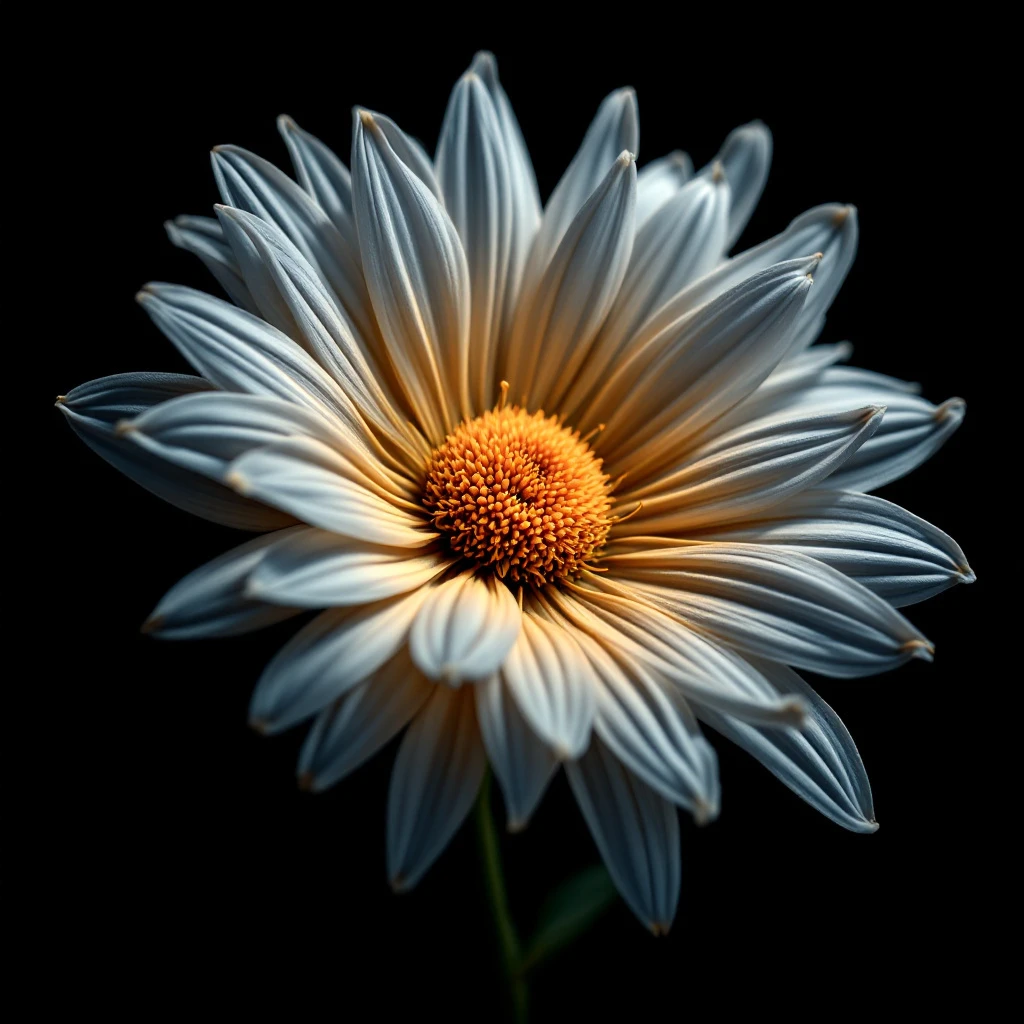
Starflower is a poetic name most often applied to jasmine in perfumery, honoring the blossom's iconic five-pointed, star-shaped petals. Its creamy, indolic floral scent makes it a cornerstone of fine fragrance.
Character
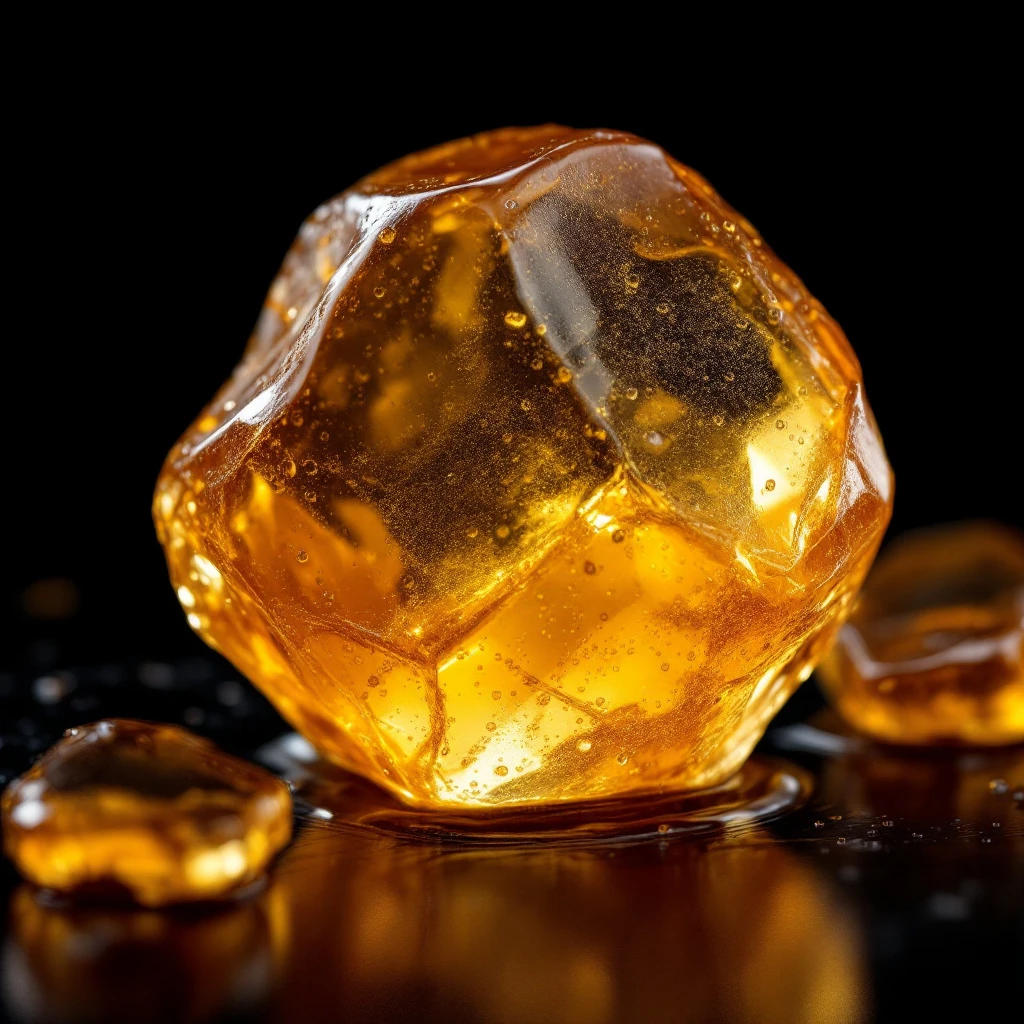
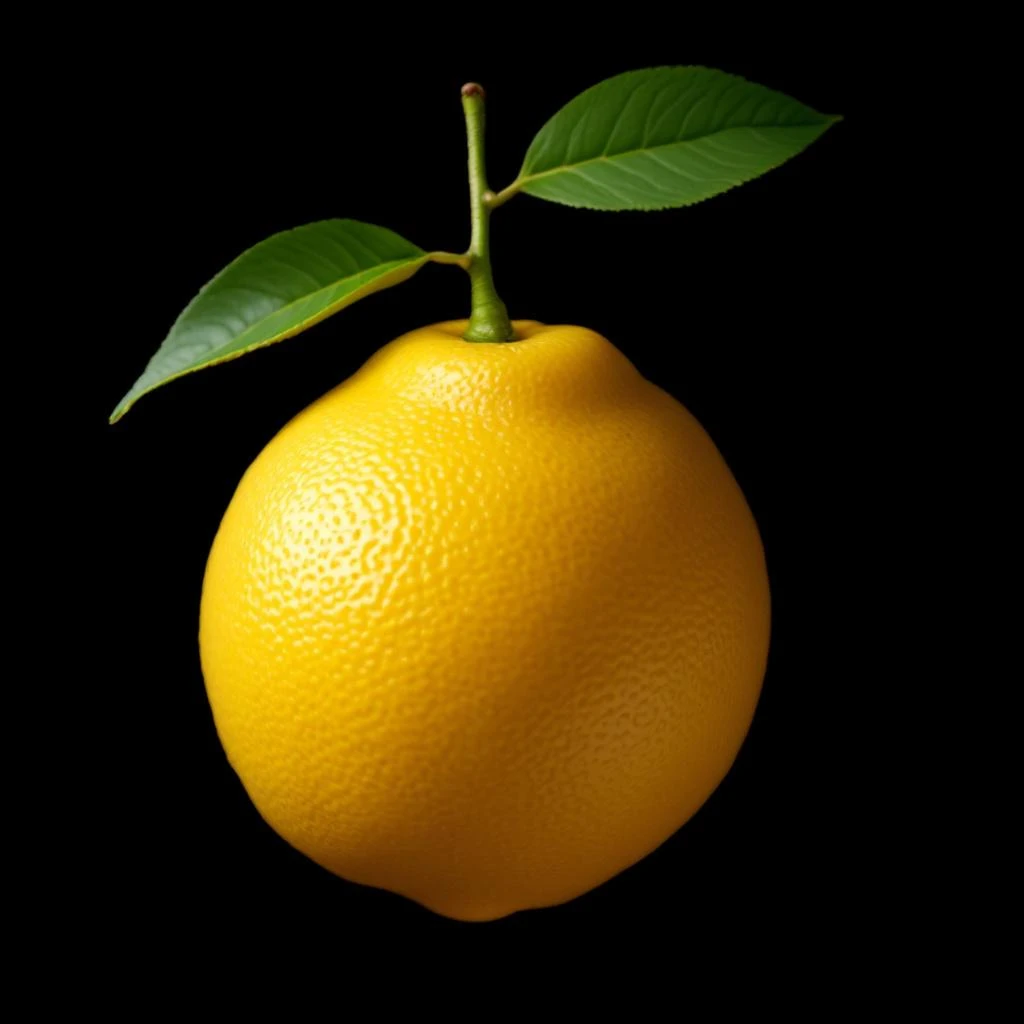
How it smells
The luminous five-pointed blossom anchoring countless floral perfumes.
In ancient Persian tradition, jasmine was called the "flower of heaven" and strewn across royal beds, its intoxicating scent believed to calm and enchant.




Origin
India
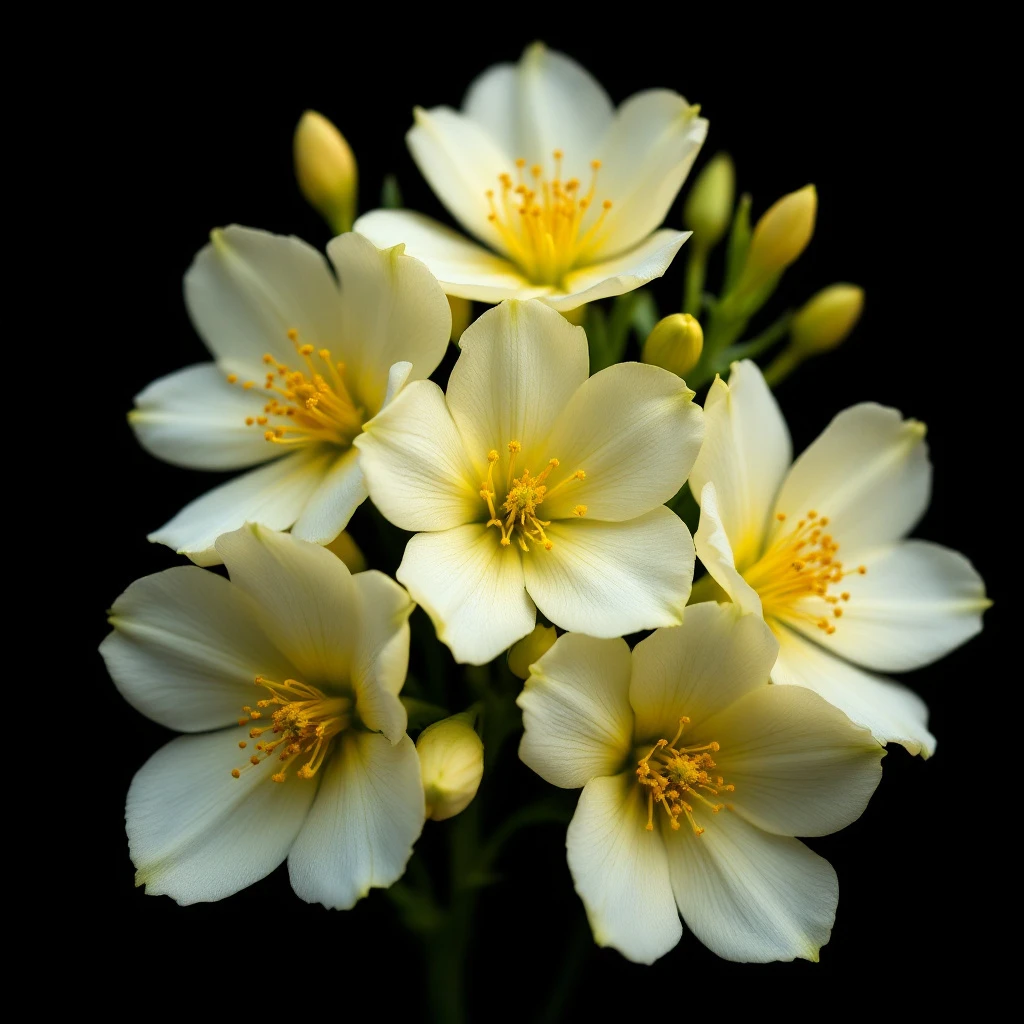
Jasmine has been called "star flower" across multiple cultures for centuries due to its distinctive five-petaled blossom resembling a celestial star. The ancient Persians scattered jasmine blossoms in royal chambers and used them to scent baths, a practice adopted by the Moors during their centuries of rule in Spain. By the 16th century, Muslim physicians traveling through India documented jasmine cultivation along the Ganges, noting its dual use in perfume and traditional medicine.
When French perfumers established operations in Grasse during the 18th century, jasmine became one of the first flowers commercially cultivated specifically for fragrance. Grasse still produces a substantial share of the world's jasmine harvest, with peak production occurring between July and September when workers hand-pick blossoms in the cool morning hours to preserve their delicate scent molecules.
Wears it best
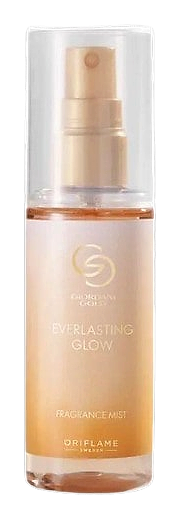
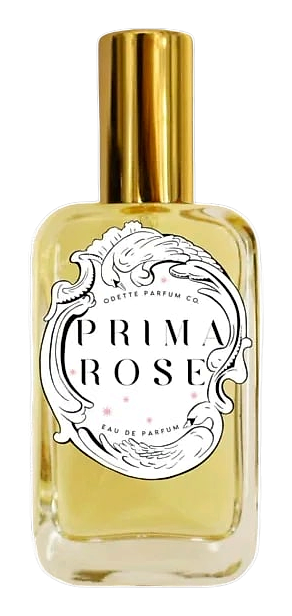
Fragrances featuring Starflower

Brands
Brands known for Starflower
Good to know
Questions, answered
The essentials on Starflower in perfumery: how it smells, where it comes from, and how it behaves on skin.
What does starflower smell like in perfume?
Starflower (jasmine) delivers a creamy, intensely floral scent with characteristic indolic undertones that range from softly animalic to sweet and fruity. It reads as rich, heady, and unmistakably feminine in composition.
Is starflower a natural or synthetic ingredient?
Natural jasmine absolute is solvent-extracted from blossoms, primarily sourced from India, Egypt, and Grasse, France. Synthetic jasmine replicates are widely used in industry but lack the complexity of the natural material.
Why is jasmine harvested before sunrise?
Jasmine aroma peaks in the early morning hours because volatile aromatic compounds evaporate rapidly once sunlight and heat reach the blossoms. Harvesting at dawn captures the fullest scent profile before degradation begins.
What fragrance families pair well with starflower?
Starflower anchors white floral and oriental compositions. It pairs naturally with sandalwood, vanilla, rose, ylang-ylang, and citrus top notes to create balanced, lingering fragrances.
How much jasmine is needed to produce one kilogram of absolute?
Approximately 700 to 800 kilograms of fresh jasmine blossoms are required to produce a single kilogram of concrete, from which only about 300 to 400 grams of absolute are ultimately separated.
What role does indole play in jasmine's scent?
Indole is a nitrogen-containing compound present in jasmine that contributes a distinctly animalic, almost mothball-like quality in high concentration, while in dilution it adds depth and a seductive richness to the floral profile.
When did jasmine become central to Western perfumery?
Jasmine cultivation for fragrance began in earnest in Grasse, France during the early 18th century, driven by the growing European appetite for scented products and the establishment of large-scale flower farms.
What is the difference between jasmine absolute and jasmine essential oil?
True jasmine essential oil does not exist; the aromatic material obtained from jasmine is called an absolute. Steam distillation destroys jasmine's delicate aroma molecules, making solvent extraction the only viable method for preserving its character.



