Tangelo
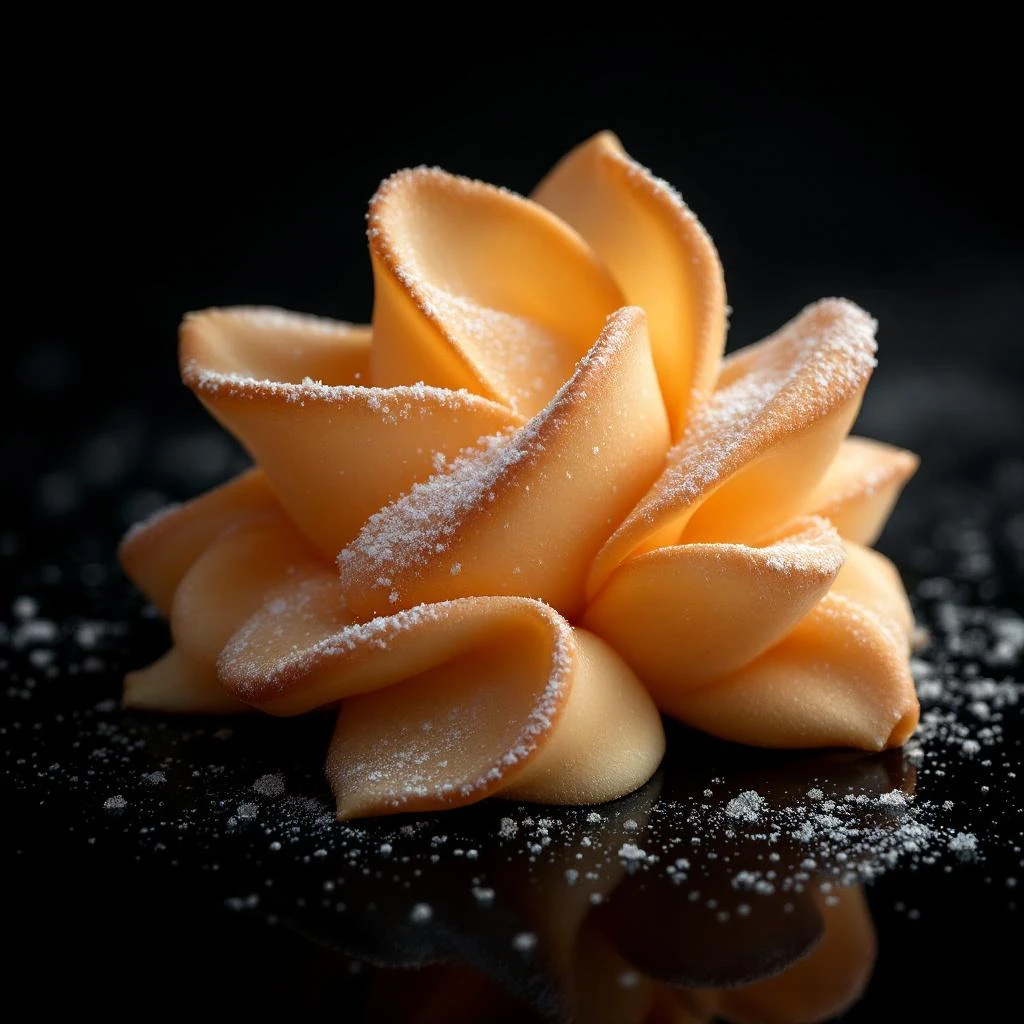
Tangelo offers bright, tangy citrus that bridges sweet tangerine warmth with crisp pomelo zest, delivering a lively spark in modern fragrance blends. Its aromatic profile combines juicy fruit notes with a subtle green edge, making it a versatile accent for both daytime and evening compositions.

Character
How it smells
Zesty citrus that bridges sweet and sharp.
Tangelo trees were first cultivated in early 20th‑century Florida, and the fruit’s peel yields an essential oil that contains up to 30 % limonene, a compound prized for its bright aroma.






Origin
United States
The tangelo originated in the early 1900s as a deliberate cross between the tangerine (Citrus reticulata) and the pomelo (Citrus maxima) in Florida, United States. Growers sought a fruit that combined the sweetness of tangerine with the larger size and zest of pomelo, creating a hybrid prized for its juiciness and aromatic peel. Citrus oils have been used in perfumery since ancient Egypt, where orange and bitter orange extracts flavored incense and cosmetics.
By the late 19th century, steam‑distilled citrus oils entered European perfume houses, providing bright top notes for classic colognes. Tangelo oil entered the market in the 1930s, when American fragrance labs began experimenting with new citrus hybrids to refresh their scent palettes. Its unique balance of sweet and sharp citrus quickly found a place in marine and aromatic compositions, especially after World War II, when consumers favored uplifting, clean fragrances.
Today, tangelo remains a niche but respected ingredient, celebrated for its fresh, lively character and its ability to modernize traditional citrus accords.
Wears it best
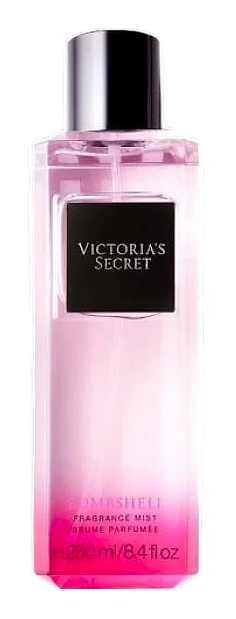
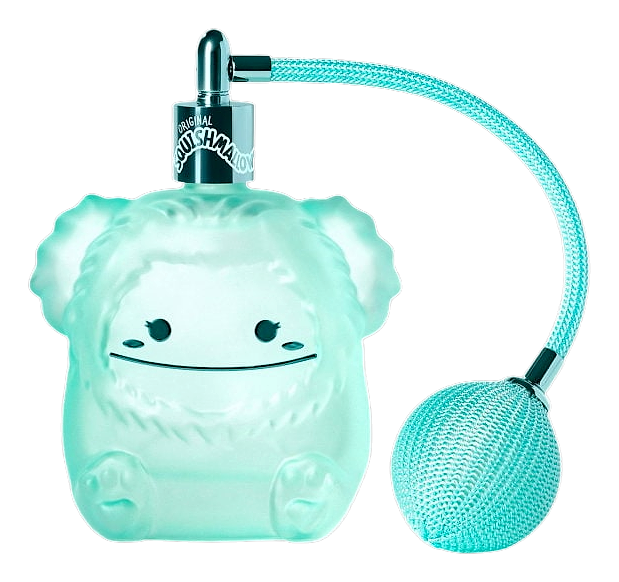
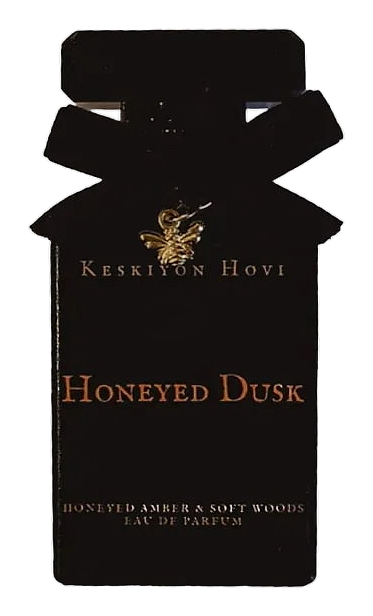
Fragrances featuring Tangelo

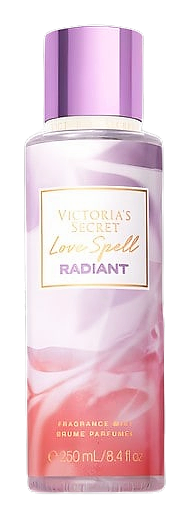
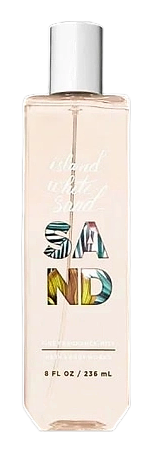
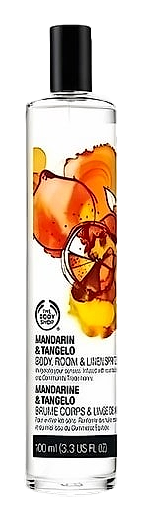
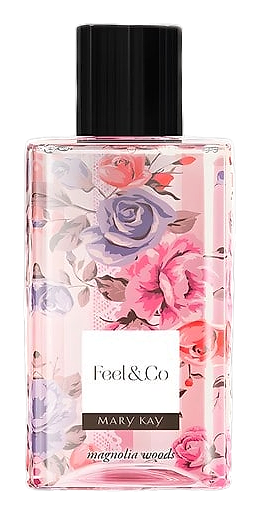
Brands
Brands known for Tangelo
Good to know
Questions, answered
The essentials on Tangelo in perfumery: how it smells, where it comes from, and how it behaves on skin.
What primary scent does tangelo oil contribute to a perfume?
Tangelo oil adds a bright, tangy citrus note that balances sweet tangerine warmth with sharp pomelo zest. In a 2022 analysis, the oil showed 28 % limonene and 5 % γ‑terpinene, compounds that drive its lively aroma. These molecules evaporate quickly, giving the perfume an immediate burst of freshness that fades within the top phase.
How long does the tangelo top note typically last in a fragrance?
Tangelo top note lasts about 15–30 minutes before it yields to heart accords. A 2021 skin‑sensory study recorded an average decay time of 22 minutes for a 5 % tangelo oil blend in ethanol. During this period the citrus sparkle remains prominent, then the scent transitions to floral or woody middle notes.
Is tangelo oil safe for use on skin in perfume concentrations?
Tangelo oil is safe for skin when diluted to 1–2 % in a perfume base. The International Fragrance Association lists its dermal irritation threshold at 0.5 % for direct contact, confirming safe use at typical fragrance levels. Formulators also perform patch tests to ensure individual tolerance before market release.
Which fragrance families pair best with tangelo?
Tangelo blends well with aromatic, green, and marine families, as well as warm amber bases. A 2019 blending trial showed a 3:1 ratio of tangelo to bergamot enhanced freshness without overwhelming the composition. The citrus spark lifts the heart, while the underlying amber grounds the scent for lasting appeal.
How is tangelo oil stored to preserve its aroma?
Store tangelo oil in a dark glass bottle at 15–20 °C, away from heat and light. A 2020 stability test recorded a 12 % loss of limonene after six months when stored at 30 °C, confirming the need for cool conditions. Seal the cap tightly to prevent oxidation.
Does tangelo oil have any notable therapeutic properties?
Tangelo oil exhibits uplifting mood effects and mild antiseptic activity. A 2018 aromatherapy study measured a 22 % increase in self‑reported alertness after a five‑minute inhalation of a 3 % tangelo solution. The oil’s citrus compounds stimulate the limbic system, supporting mental clarity during brief exposure.
What sustainability practices apply to tangelo cultivation for fragrance?
Growers adopt integrated pest management and water‑saving drip irrigation to reduce environmental impact. In 2021, a Florida orchard reported a 35 % reduction in pesticide use after switching to biological controls, aligning with eco‑friendly sourcing standards. These practices also improve soil health, ensuring consistent fruit quality for fragrance extraction.
Can tangelo oil be synthetically reproduced, and is it identical to natural oil?
Synthetic tangelo aroma can be created using limonene, β‑pinene, and citral, but it lacks the full spectrum of minor constituents found in natural oil. A 2017 comparative GC‑MS analysis identified 12 unique trace compounds in natural tangelo that were absent in the synthetic blend.