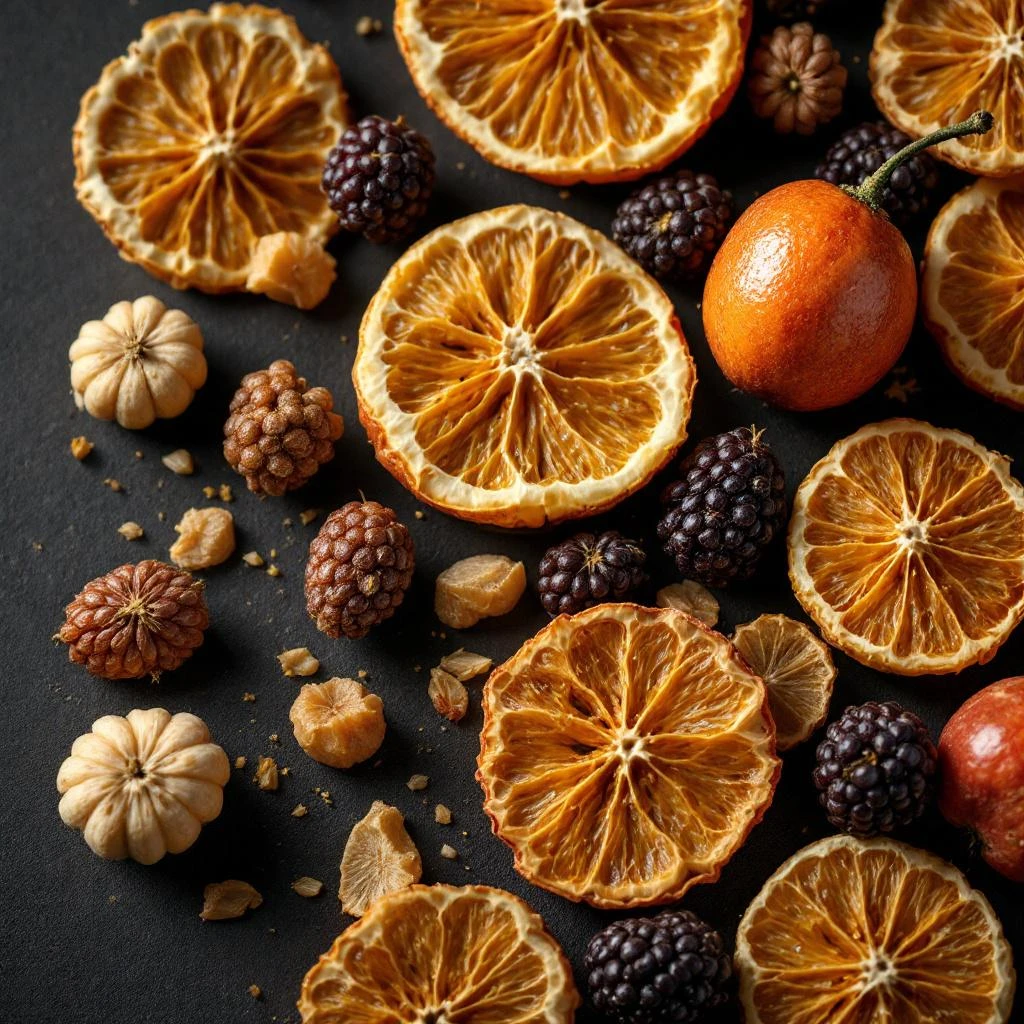
Squash
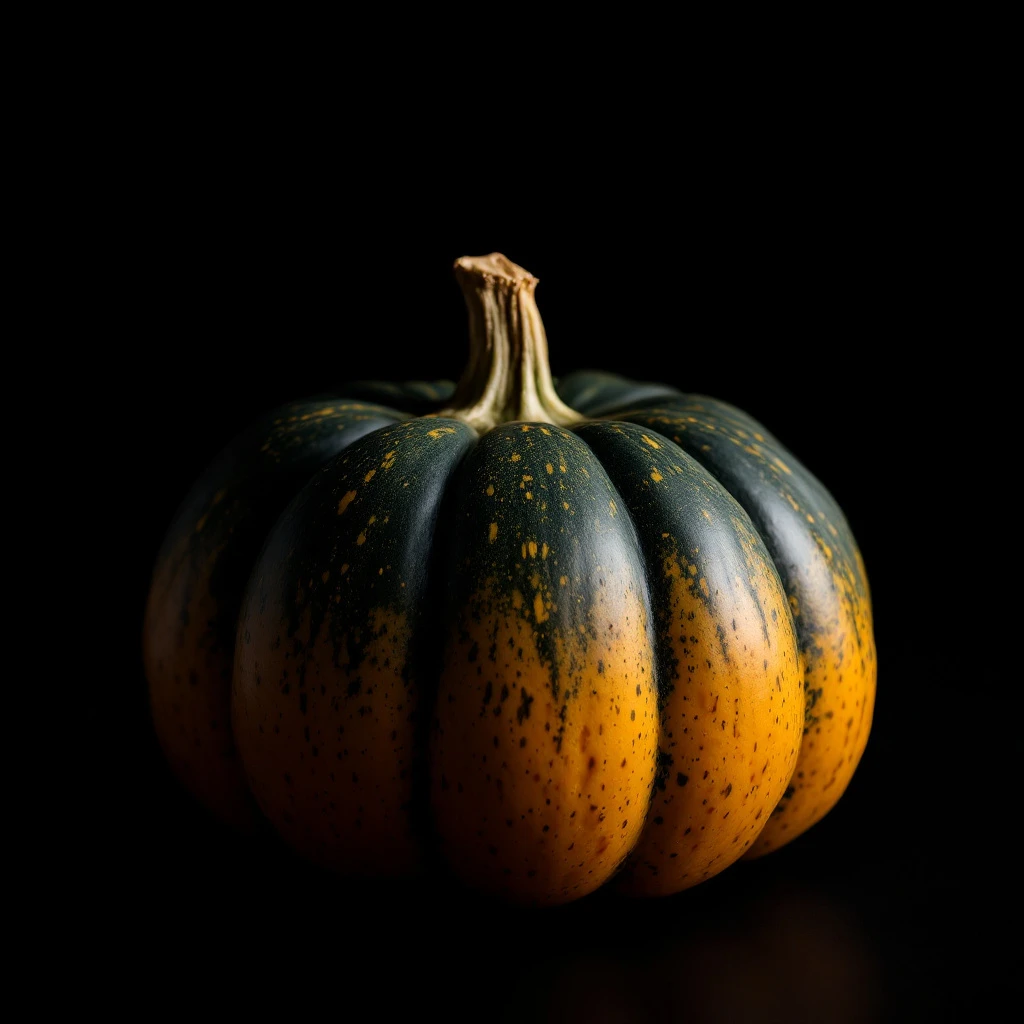
Squash captures the essence of late-summer gardens: crisp, watery, and subtly sweet. This fresh green note brings an unexpected vegetable clarity to fragrance compositions.
Character
How it smells
Fresh garden clarity in every drop
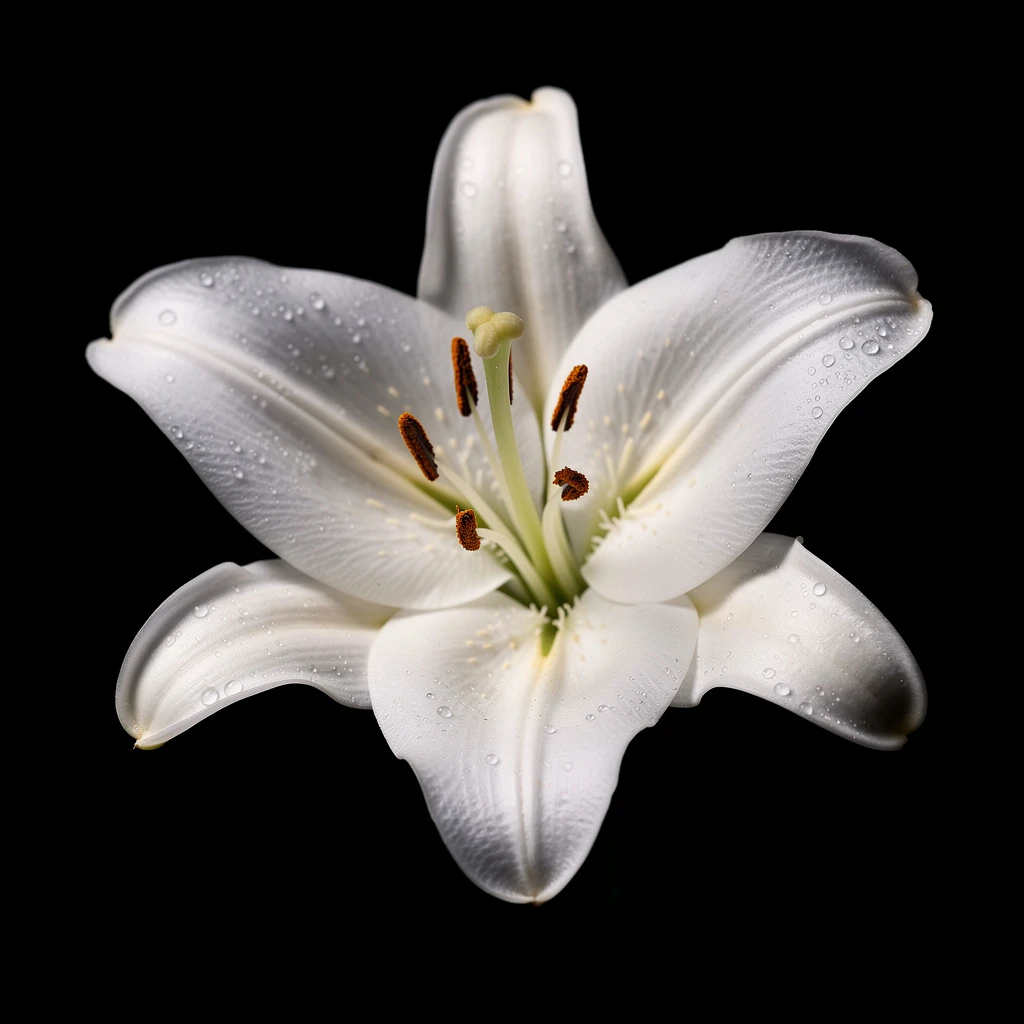
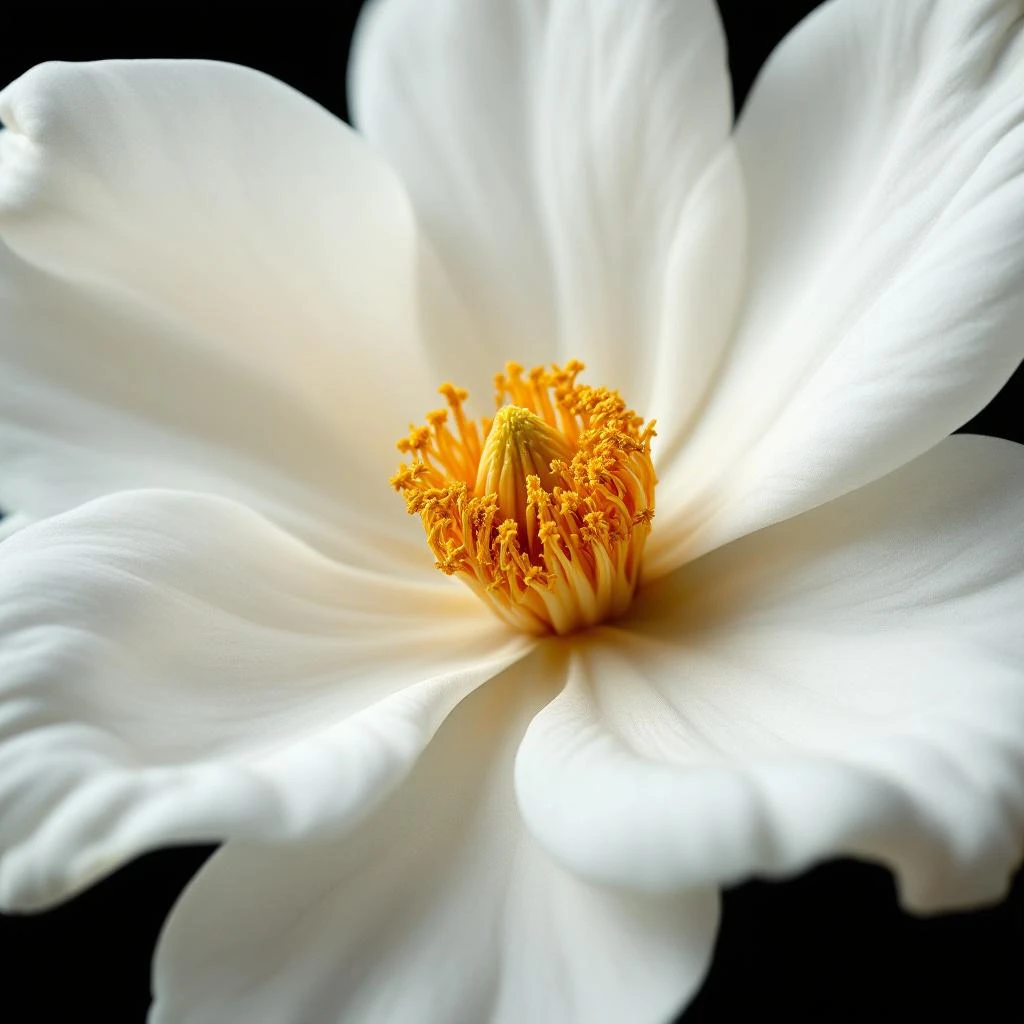
Squash blossoms are more aromatic than the fruit itself, yielding a more intense floral-green absolute used in only the rarest perfumery applications.




Origin
United States
Squash holds ancient roots in Mesoamerican cultures, where indigenous peoples cultivated Cucurbita species for food, medicine, and ritual purposes dating back to 7000 BCE. The vegetable appeared in Aztec ceremonial contexts, though its journey into perfumery only began in the late 20th century when molecular gastronomy and natural aromatics converged.
Contemporary perfumers began incorporating squash-derived notes as consumers increasingly sought vegetable-inspired green accords. The 2010s green fragrance revival brought renewed attention to unexpected botanical notes, positioning squash as a forward-thinking choice for perfumers aiming to challenge conventions and evoke hyper-fresh garden atmospheres.
Wears it best
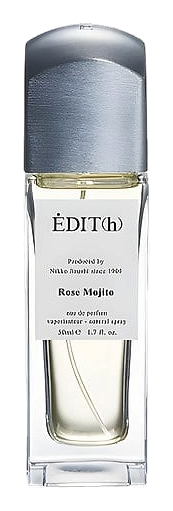
Fragrances featuring Squash
Brands
Brands known for Squash
Good to know
Questions, answered
The essentials on Squash in perfumery: how it smells, where it comes from, and how it behaves on skin.
What does squash smell like in perfumery?
Squash notes present as fresh, watery, and mildly green, similar to cucumber or zucchini. They add a crisp vegetable clarity that enhances the natural feel of fragrance compositions.
Is squash used as a natural fragrance ingredient?
Natural squash absolute is exceptionally rare due to minimal aromatic yield. Most squash notes in perfumery come from synthetic aromachemicals that replicate the vegetable's fresh, green character.
What fragrances feature squash as a prominent note?
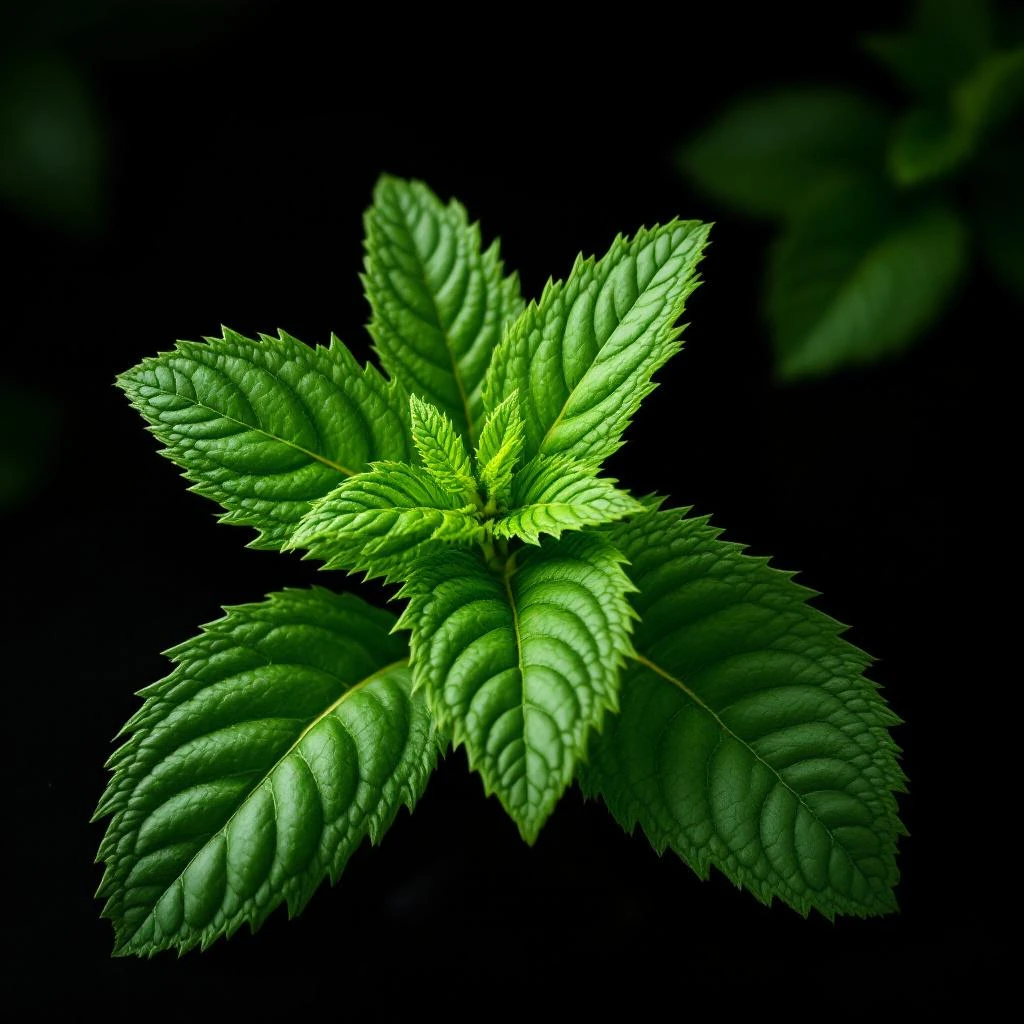
Squash appears most often in niche and natural fragrance lines emphasizing garden-fresh aesthetics. It pairs exceptionally well with mint, cucumber, and green tea accords.
How do perfumers create the squash note?
Perfumers use synthetic molecules like Melonal and cis-3-hexenol to capture squash's crisp, watery qualities. These compounds undergo laboratory synthesis to ensure batch-to-batch consistency.
Does squash work in all fragrance families?
Squash integrates best in fresh, green, and aquatic fragrances. It complements summer-themed compositions and adds unexpected vegetable depth to unisex formulations.
Has squash been used historically in perfumery?
Squash has no historical precedent in traditional perfumery. It emerged as a noted ingredient only in the late 20th century alongside the green fragrance movement.
What blends well with squash in fragrance compositions?
Squash pairs excellently with aquatic notes, mint, basil, green tea, cucumber, and light musks. It also complements fruits like pear and apple for a fresh summer effect.