Spiranol
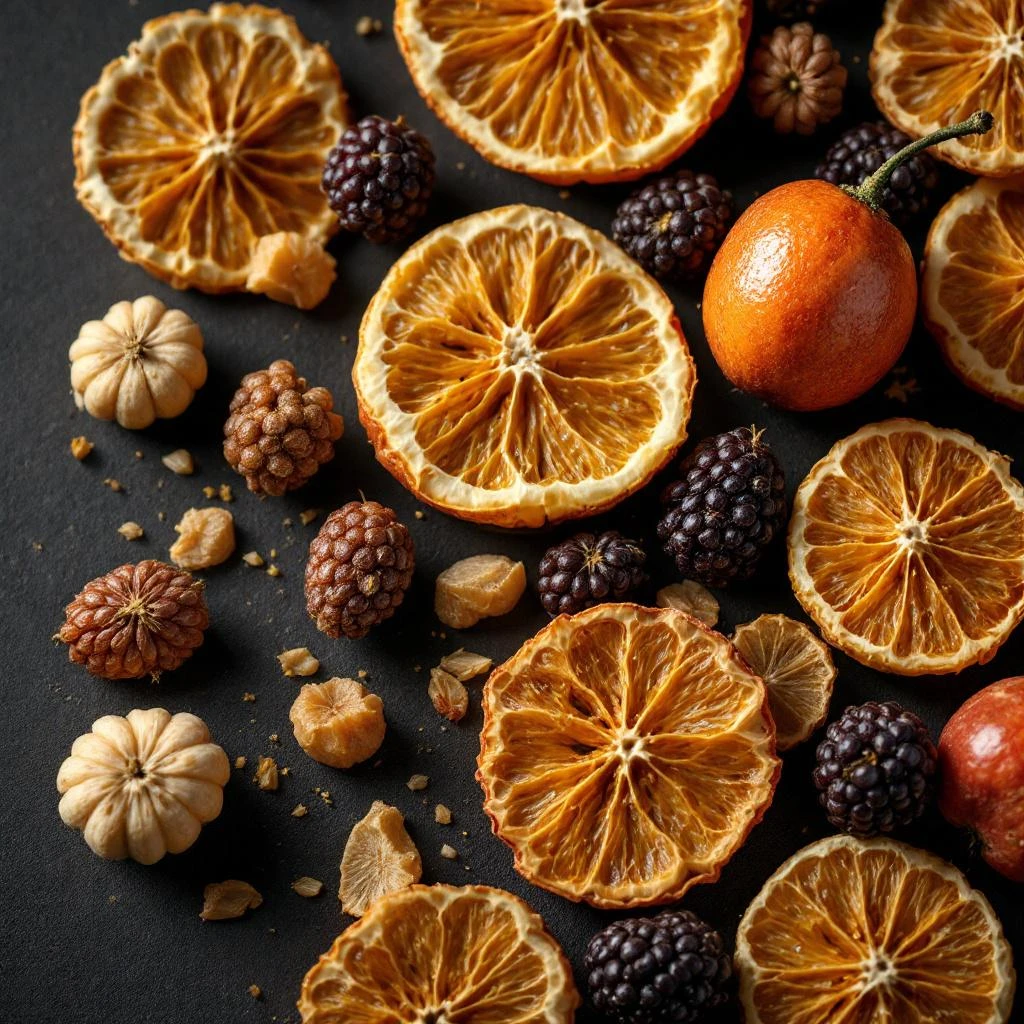
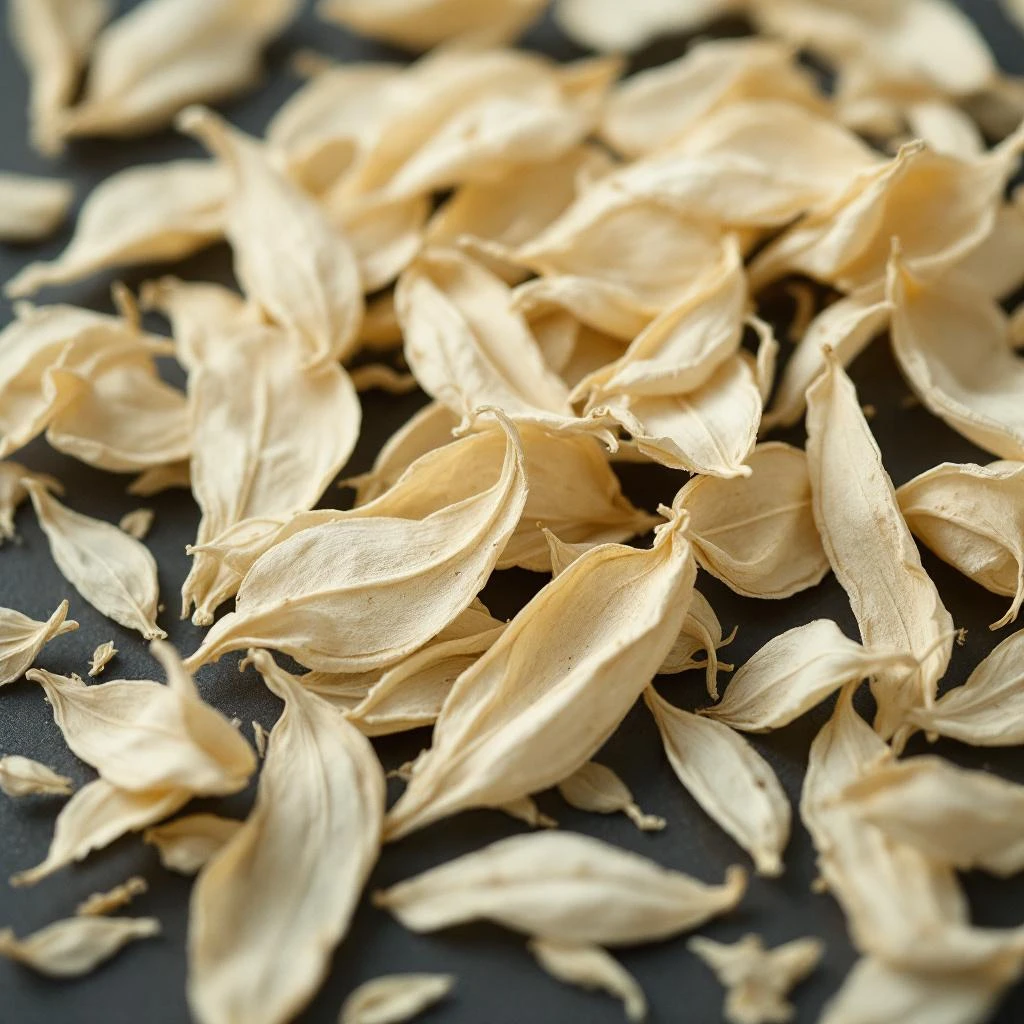
Spiranol is a synthetic aroma molecule prized for its warm, creamy, vanillic character that adds quiet depth and a smooth, lingering finish to fine fragrances.
Character
How it smells
Warmth distilled to its cleanest form
This molecule delivers vanilla-like softness at far lower concentrations than natural extracts, giving perfumers precise control over sweetness.




Origin
Switzerland
The development of Spiranol reflects the mid-20th century expansion of synthetic fragrance chemistry, when laboratories began creating molecules that mimicked and refined natural aroma profiles. Fragrance researchers sought alternatives to natural vanilla that offered consistency, sustainability, and controlled sweetness. Spiranol emerged as one of several vanillin derivatives developed during this period of innovation.
Its spirocyclic structure set it apart from simpler ketone or aldehyde variations, giving perfumers a novel tool for creating warmth without heaviness. Today it remains a valued ingredient in the perfumer's palette, particularly in gourmand and oriental compositions that call for creamy depth without the weight of traditional vanilla absolutes.
Wears it best
Fragrances featuring Spiranol
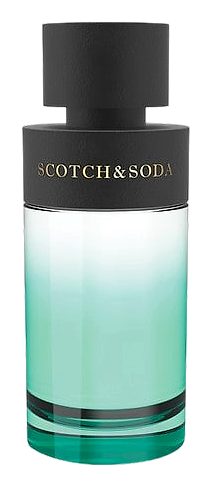
Brands
Brands known for Spiranol
Good to know
Questions, answered
The essentials on Spiranol in perfumery: how it smells, where it comes from, and how it behaves on skin.
What does Spiranol smell like?
Spiranol offers a warm, creamy, vanillic scent with soft, sweet undertones. It registers as clean and round rather than heavy or cloying.
Is Spiranol derived from natural vanilla?
No. Spiranol is entirely synthetic, created through chemical synthesis in a laboratory rather than extracted from vanilla beans.
What fragrance families use Spiranol most often?
Oriental, gourmand, and amber fragrances most commonly feature Spiranol. It also appears in modern woody and fougere compositions for its softening effect.
How does Spiranol compare to actual vanilla extract?
Spiranol provides vanilla-like warmth but cleaner and lighter. Natural vanilla brings complexity, depth, and natural variation; Spiranol delivers consistent sweetness at lower concentrations.
Does Spiranol have fixative properties?
Yes. Like many aromatic molecules, Spiranol helps extend the evaporation rate of lighter top notes, adding longevity to the overall fragrance composition.
Is Spiranol safe for use in cosmetics and skin products?
International fragrance safety assessments approve Spiranol for cosmetic use when formulated within recommended concentration limits.
When was Spiranol introduced to perfumery?
Fragrance houses began introducing Spiranol and similar vanillin derivatives during the 1950s and 1960s, coinciding with the post-war boom in synthetic fragrance development.
Can Spiranol be found in natural perfumery?
No. Natural perfumery excludes synthetic molecules by definition. Spiranol belongs exclusively to the domain of modern synthetic fragrance chemistry.