SP3 Carbon
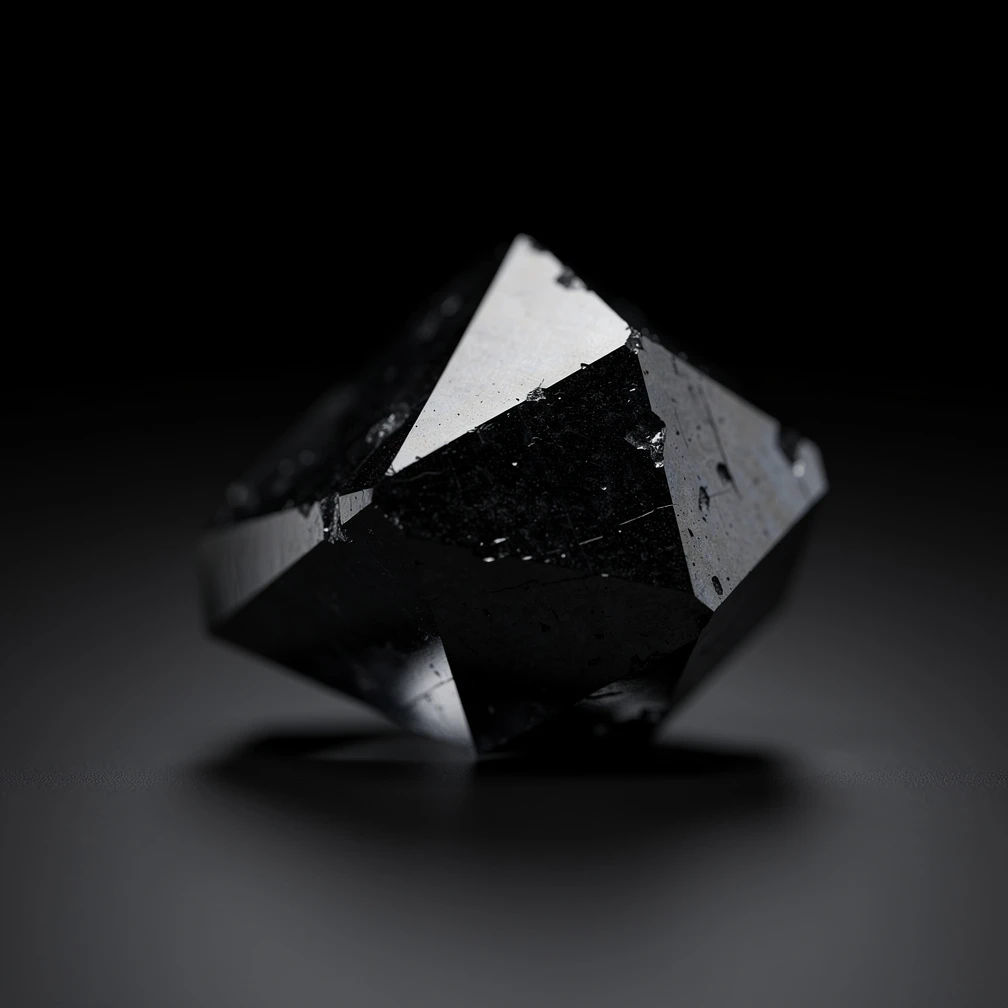
SP3 Carbon is not a perfumery ingredient but a chemistry concept describing the tetrahedral bonding of carbon atoms. This hybridization shape influences how fragrance molecules interact with olfactory receptors, affecting scent perception and the characteristic odors of entire molecular classes.
Character
How it smells
The invisible geometry that shapes how molecules speak to your nose
Carbon atoms bonded in sp3 configuration create a tetrahedral 3D shape; this geometry determines whether a molecule smells woody, green, or amber despite having similar chemical formulas.





Origin
N/A
The understanding of sp3 hybridization emerged from 19th century organic chemistry advances, coinciding with perfumery's modernization. When vanillin and coumarin were first synthesized in the 1880s, chemists began mapping relationships between molecular structure and scent. This scientific foundation allowed perfumers to understand why natural ingredients and their synthetic counterparts shared aromatic properties despite structural differences rooted in carbon bonding patterns.
Wears it best
Fragrances featuring SP3 Carbon
Brands
Brands known for SP3 Carbon
Good to know
Questions, answered
The essentials on SP3 Carbon in perfumery: how it smells, where it comes from, and how it behaves on skin.
What does SP3 Carbon smell like in perfume?
SP3 Carbon is not a perfumery ingredient and has no scent of its own. It is a chemistry concept describing tetrahedral carbon bonding that influences how actual fragrance molecules smell. Molecules with sp3 hybridization can smell green, woody, or amber depending on their complete structure.
Why is SP3 Carbon used in perfumery?
SP3 Carbon helps perfumers understand molecular behavior rather than functioning as a fragrance ingredient. This hybridization concept explains why molecules like cedrol produce woody scents while similar-structured compounds may smell completely different. In modern perfumery, understanding these patterns guides synthetic fragrance development.
Is SP3 Carbon in perfume natural or synthetic?
SP3 Carbon is neither natural nor synthetic; it is a descriptive chemistry concept. Fragrance molecules derived from natural sources and synthetic creations alike can exhibit sp3 hybridized carbons. Over 75% of fragrance molecules contain some sp3 hybridized carbon atoms in their structures.
What famous perfumes contain SP3 Carbon?
No perfume lists SP3 Carbon as an ingredient because it is not a perfumery material. However, countless perfumes contain ingredients whose molecular structures include sp3 hybridized carbons. For example, linalool found in over 200 commercial fragrances contains sp3 carbon atoms in its structure.
Is SP3 Carbon a top note, heart note, or base note?
SP3 Carbon does not function as a note in perfumery and cannot be placed in fragrance pyramids. It describes molecular geometry that affects how all types of fragrance molecules perform. Both volatile top notes and longer-lasting base notes contain molecules with sp3 hybridized carbons.
What notes pair well with SP3 Carbon in perfume?
Since SP3 Carbon is not an actual fragrance material, it cannot be paired with other notes. However, understanding sp3 hybridization helps perfumers predict how molecules will interact. Molecules with sp3 carbon structures often pair well with molecules containing sp2 hybridizations for balanced compositions.
How is SP3 Carbon extracted?
SP3 Carbon cannot be extracted because it is a descriptive chemistry concept, not a physical substance. The term describes the orbital hybridization of carbon atoms in molecules. Extraction methods apply to fragrance materials, not to fundamental chemical bonding concepts.
Is SP3 Carbon used in men's or women's fragrances?
SP3 Carbon applies to all fragrance categories as it is a universal chemistry principle, not a specific ingredient. Both men's and women's perfumes contain molecules with sp3 hybridized carbons. In fact, approximately 90% of commercial fragrance molecules incorporate some sp3 carbon bonding.