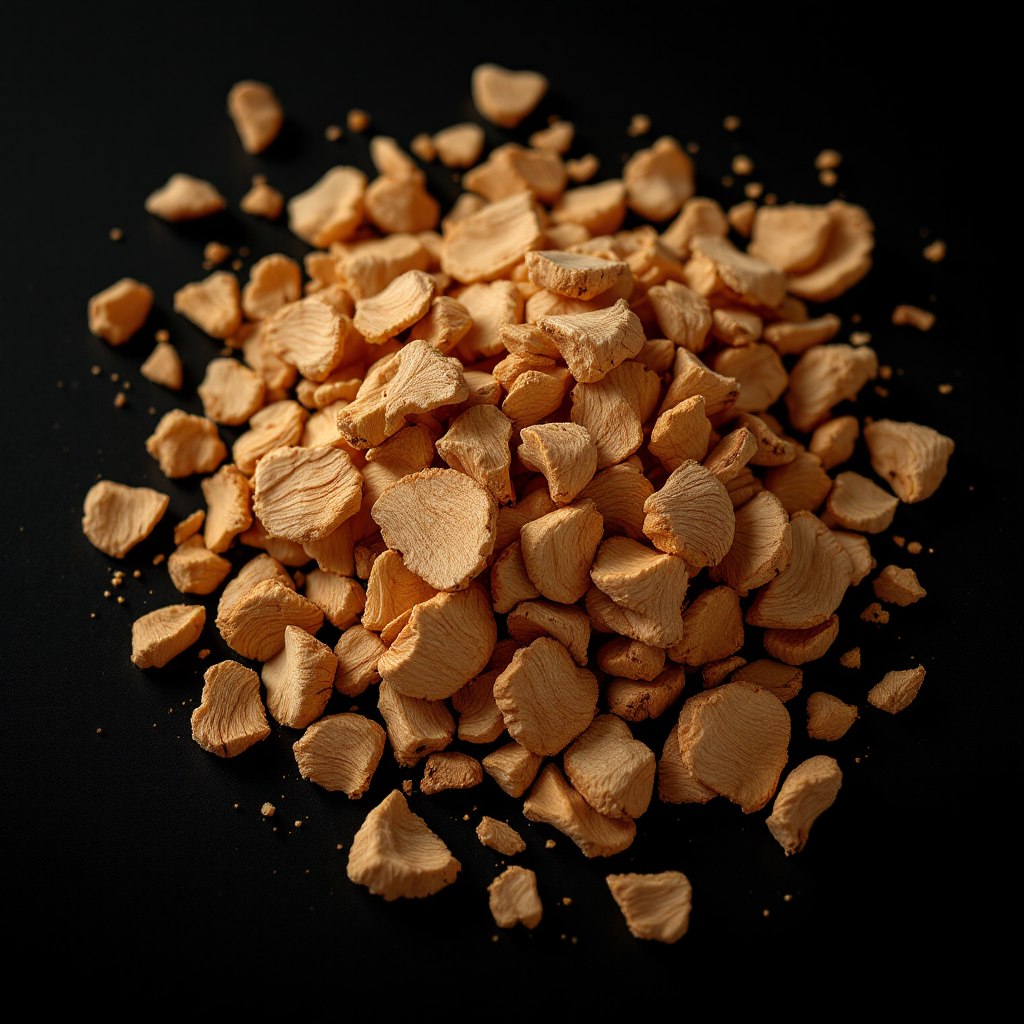
South Pacific Sandalwood
South Pacific Sandalwood delivers a softer, more delicate take on the classic creamy wood note. Santalum austrocaledonicum from New Caledonia and Vanuatu offers a sweeter, slightly drier character than its Indian counterpart, with subtle floral undertones that evoke island air and warm driftwood.
Character
How it smells
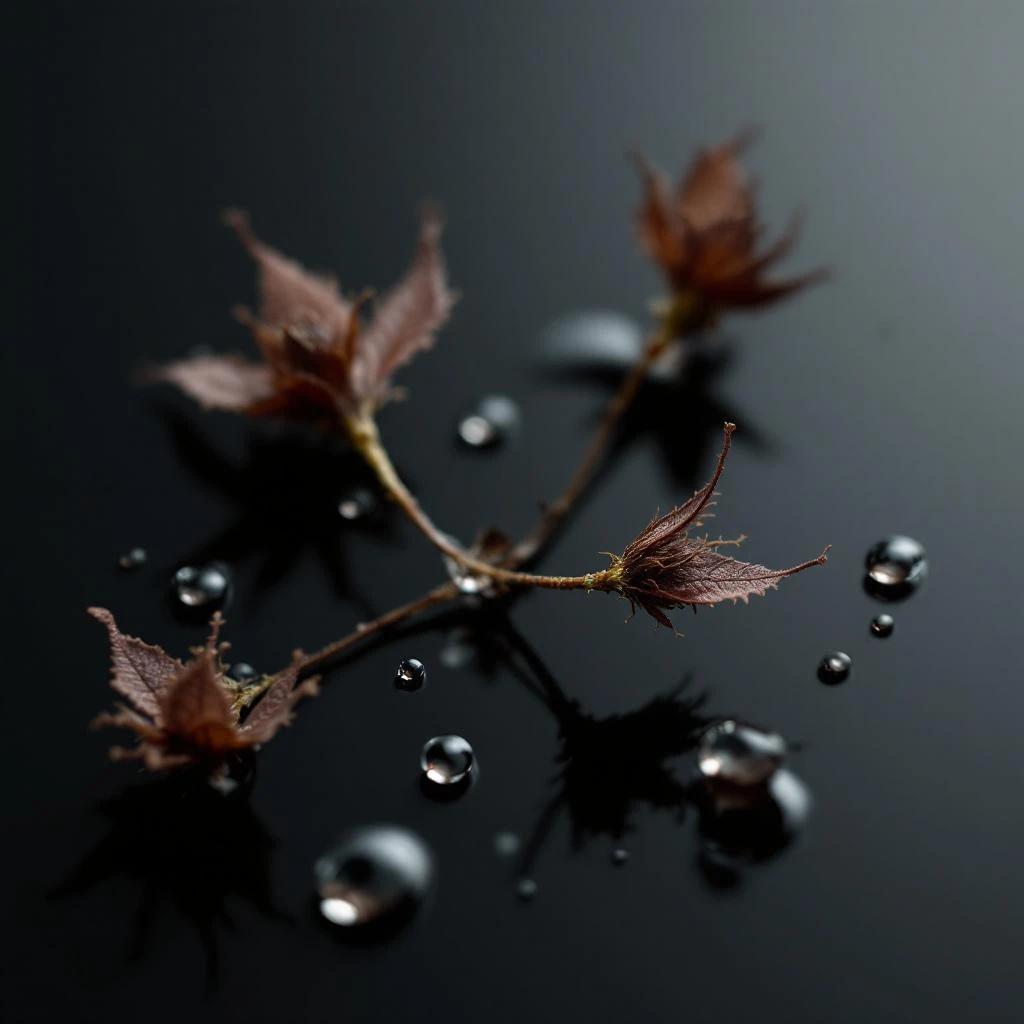
Creamy island wood from the Pacific.
The South Pacific sandalwood trade drove colonial expansion in the 19th century, earning the region the nickname "the islands of gold" among European traders.


Origin
New Caledonia
Long before European traders arrived, island communities of the South Pacific used sandalwood in ceremony and medicine. When colonial traders discovered the resource in the 1830s, they triggered what historian Dorothy Shineberg called one of the Pacific's first commodity rushes.
New Caledonia, Vanuatu, and Fiji became extraction points for a global fragrance industry. Santalum austrocaledonicum grows natively across this arc of islands, developing its distinctive aromatic profile in volcanic soils.
The trade reshaped regional economies and, in some areas, led to overharvesting that took decades to recover from. Today, sustainably managed plantations in New Caledonia supply the perfume industry with a traceable alternative to threatened wild populations.
Wears it best
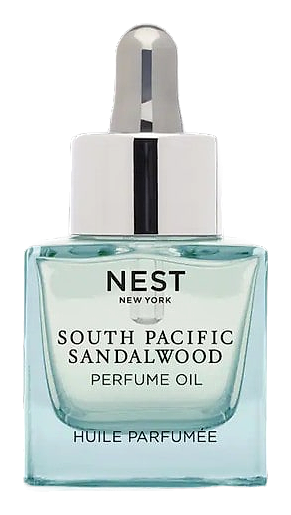
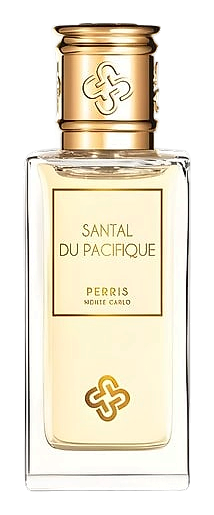
Fragrances featuring South Pacific Sandalwood

Brands
Brands known for South Pacific Sandalwood
Good to know
Questions, answered
The essentials on South Pacific Sandalwood in perfumery: how it smells, where it comes from, and how it behaves on skin.
What does South Pacific Sandalwood smell like?
It has a creamy, sweet-woody scent with drier, slightly drier finish than Indian sandalwood. The profile includes subtle floral and coconut-like nuances that reflect its island origins.
How is South Pacific Sandalwood different from Indian Sandalwood?
Santalum austrocaledonicum contains less alpha-santalol than Santalum album, giving it a lighter, sweeter character. It reads as less heavy and more transparent in blends.
Is South Pacific Sandalwood sustainable?
Supply varies by region. New Caledonia has established plantation programs with controlled harvest cycles, while some neighboring islands continue to manage wild stocks under pressure.
What species of sandalwood grow in the South Pacific?
Santalum austrocaledonicum dominates the region, native to New Caledonia and Vanuatu. Santalum spicatum grows across Australia and also appears in Pacific supply chains.
Why is sandalwood so expensive?
The trees require 15 to 30 years to develop harvestable heartwood. Wild populations in India face export restrictions, and sustainable cultivation demands long-term land management.
Can sandalwood be synthetically replicated?
Synthetic alternatives like Ebanol and Santalore exist, but they lack the full complexity of natural sandalwood oil. Natural remains preferred in fine fragrance for its depth.
What products use South Pacific Sandalwood?
It appears as a base note in woody fragrances, orientals, and unisex compositions. The oil also serves in cosmetics, skincare, and aromatherapy for its grounding aroma.
How long has sandalwood been used in perfumery?
Documented use spans roughly 4000 years, with texts from 700 BC in the Indian subcontinent recording its perfume qualities. The South Pacific trade began in the early 19th century.