Sorghum
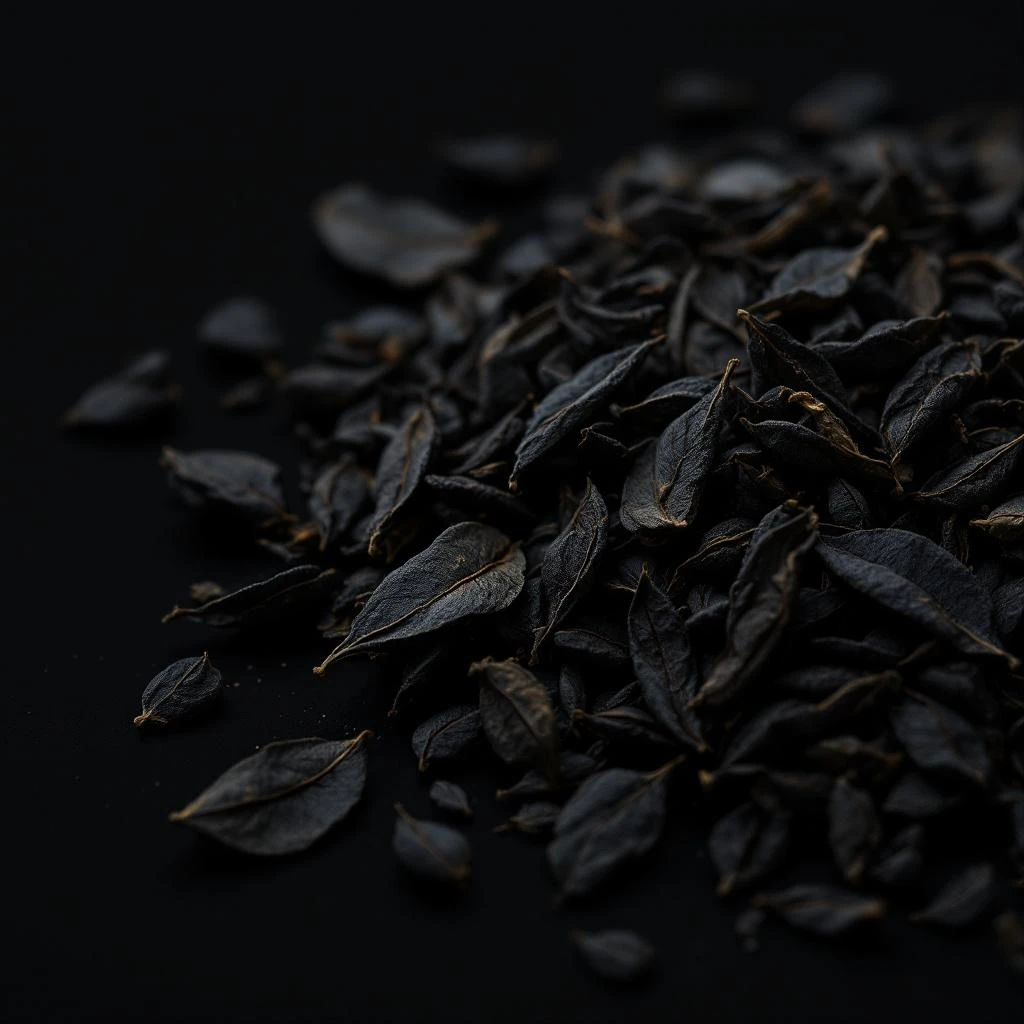
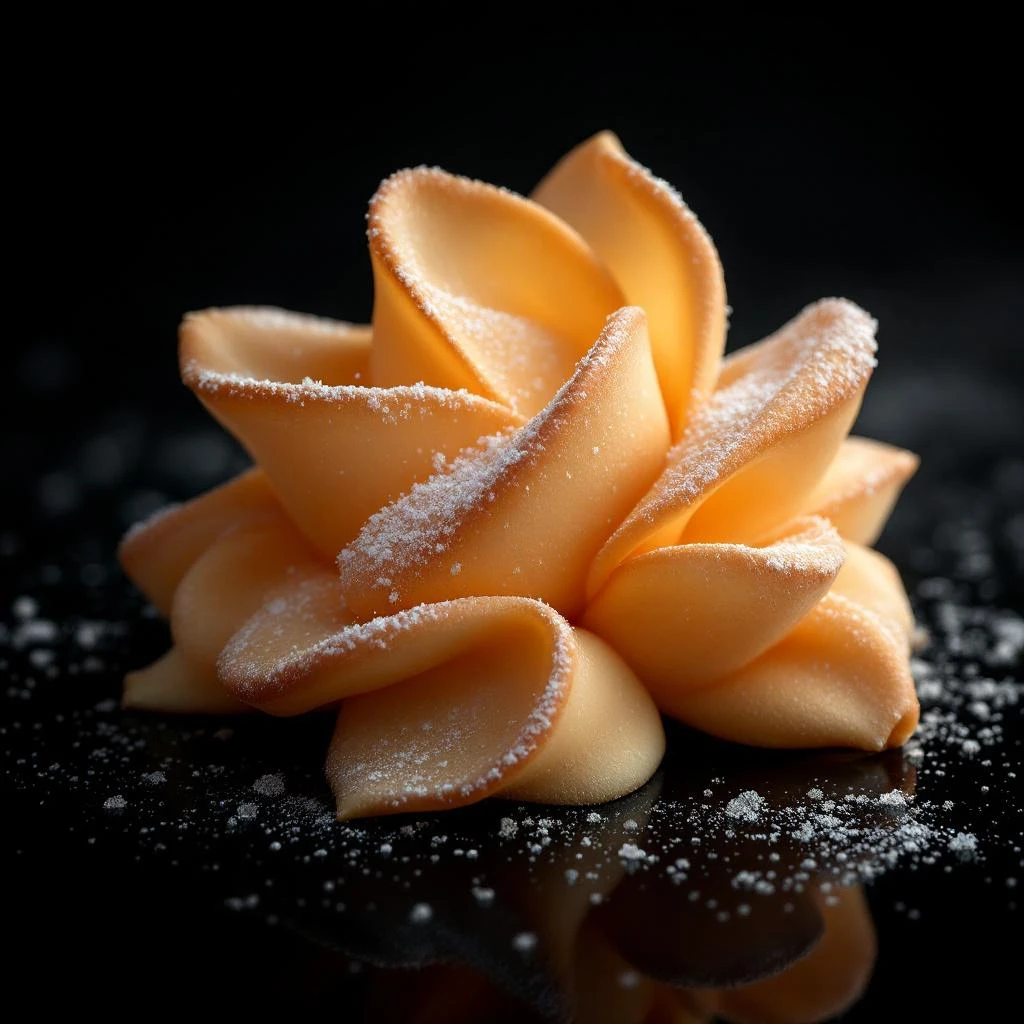
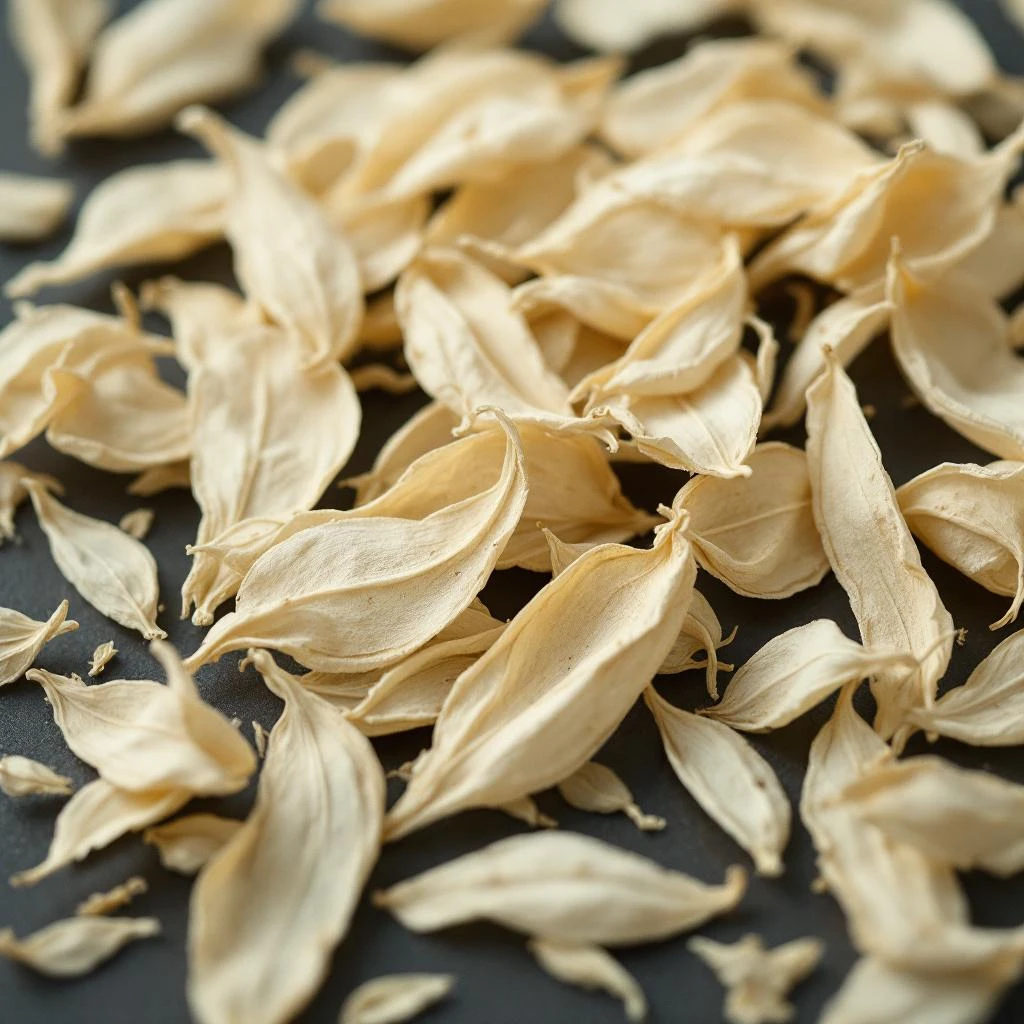
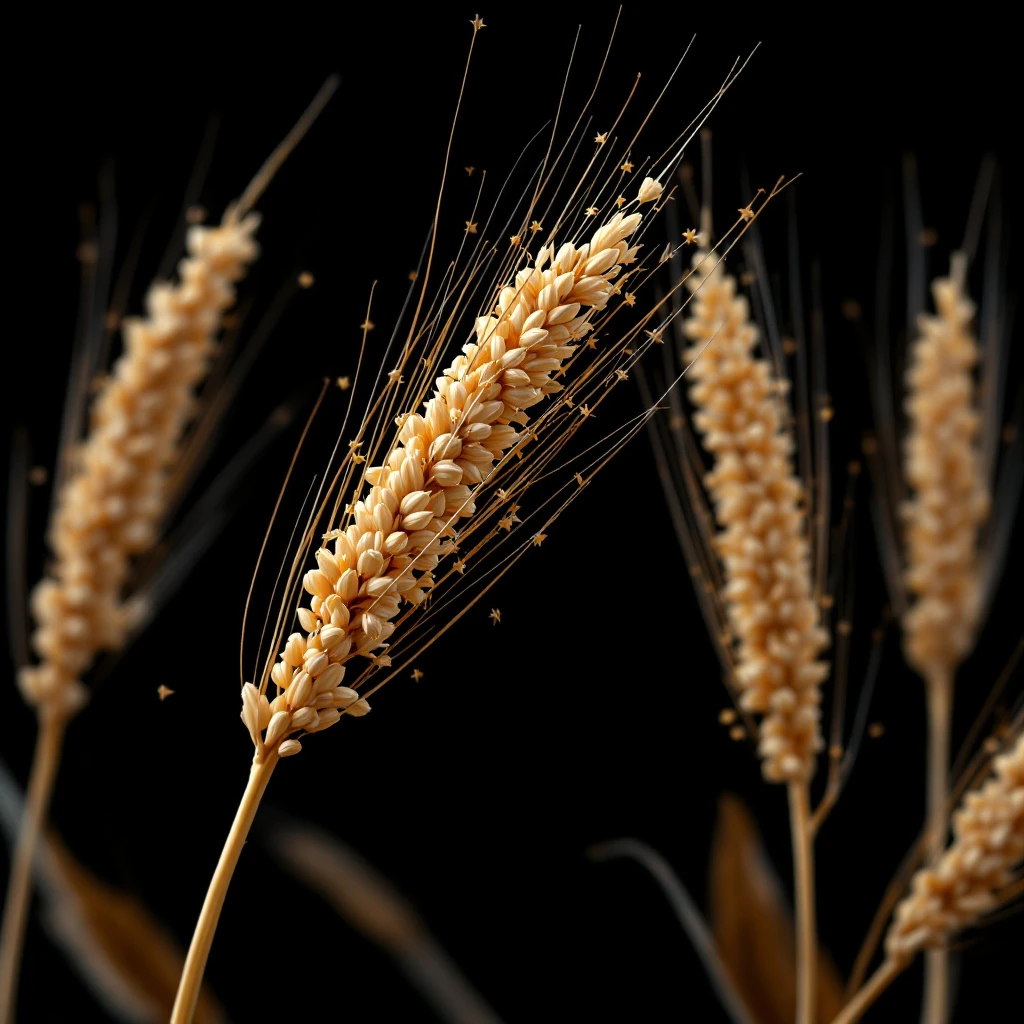
Sorghum brings a warm, cereal-like sweetness to fragrance, lending subtle honeyed depth to modern compositions.
Character
How it smells
A sun-warmed sweetness with a cereal heart.
Sorghum glucose can be fermented into sorbitol, a sweetener and humectant also used in fragrance formulations.



Origin
Sudan
Sorghum is one of humanity’s oldest cultivated grains, with evidence of its use dating back thousands of years in Africa and Asia. It became central to food systems in dry climates because it tolerates heat and uses water efficiently. Long before modern perfumery, fermented sorghum played a role in beverages, syrups, and traditional preparations valued for their subtle sweetness.
Although ancient cultures did not distill sorghum specifically for perfume, the grain reflects a broader history of extracting aroma and sweetness from plants for scented and ritual preparations. In contemporary fragrance, sorghum appears through fermentation-derived ingredients such as sorbitol rather than a classic essential oil. Its historical importance lies in the agricultural and fermentation knowledge behind this modern fragrance material.
It connects the modern emphasis on renewable feedstocks with older traditions of turning grain into valued extracts.
Wears it best
Fragrances featuring Sorghum
Brands
Brands known for Sorghum
Good to know
Questions, answered
The essentials on Sorghum in perfumery: how it smells, where it comes from, and how it behaves on skin.
What does sorghum smell like in fragrance?
Sorghum gives perfume a soft, warm, cereal-like sweetness with a subtle honeyed edge. Its effect is usually supportive rather than dominant, adding rounded depth to amber, woody, and gourmand-style compositions.
Is sorghum a natural fragrance ingredient?
Yes, sorghum-derived materials are produced from a natural grain. Depending on the process, fragrance makers use fermentation-derived sorbitol or plant extracts that carry sorghum’s characteristic warmth and sweetness.
How is sorghum fragrance ingredient made?
Manufacturers first convert sorghum starch into glucose, then ferment that sugar to produce sorbitol. The resulting ingredient is purified and incorporated into formulas, often to balance harsher aromatic notes.
Does sorghum appear as a perfume note?
Sorghum is often described as an underlying material rather than a clear standalone top note. It can suggest cereal, syrup, and warmth, especially within soft amber, vanilla, woody, and food-inspired accords.
Where does sorghum originate?
Sorghum originated in Africa, with the earliest archaeological evidence associated with Sudan and nearby northeastern regions. It later spread into Asia, where China and India became major cultivation centers.
Why is sorbitol used in perfumery?
Sorbitol functions as a humectant, helping selected fragrance materials retain moisture and remain stable. It also supports a smooth, sweet impression that can soften sharper notes without overpowering the composition.
Is sorghum essential oil common in perfumery?
No, sorghum essential oil is uncommon because the grain does not readily yield a conventional aromatic oil. Fragrance producers more often use sorghum-derived fermentation products or extracts with a subtler material effect.
Can sorghum make a fragrance smell sweet?
Yes, sorghum can reinforce warm, edible nuances in a fragrance. Its sweetness generally remains subtle when used in a balanced formula, though high amounts can shift a composition toward a syrupy character.