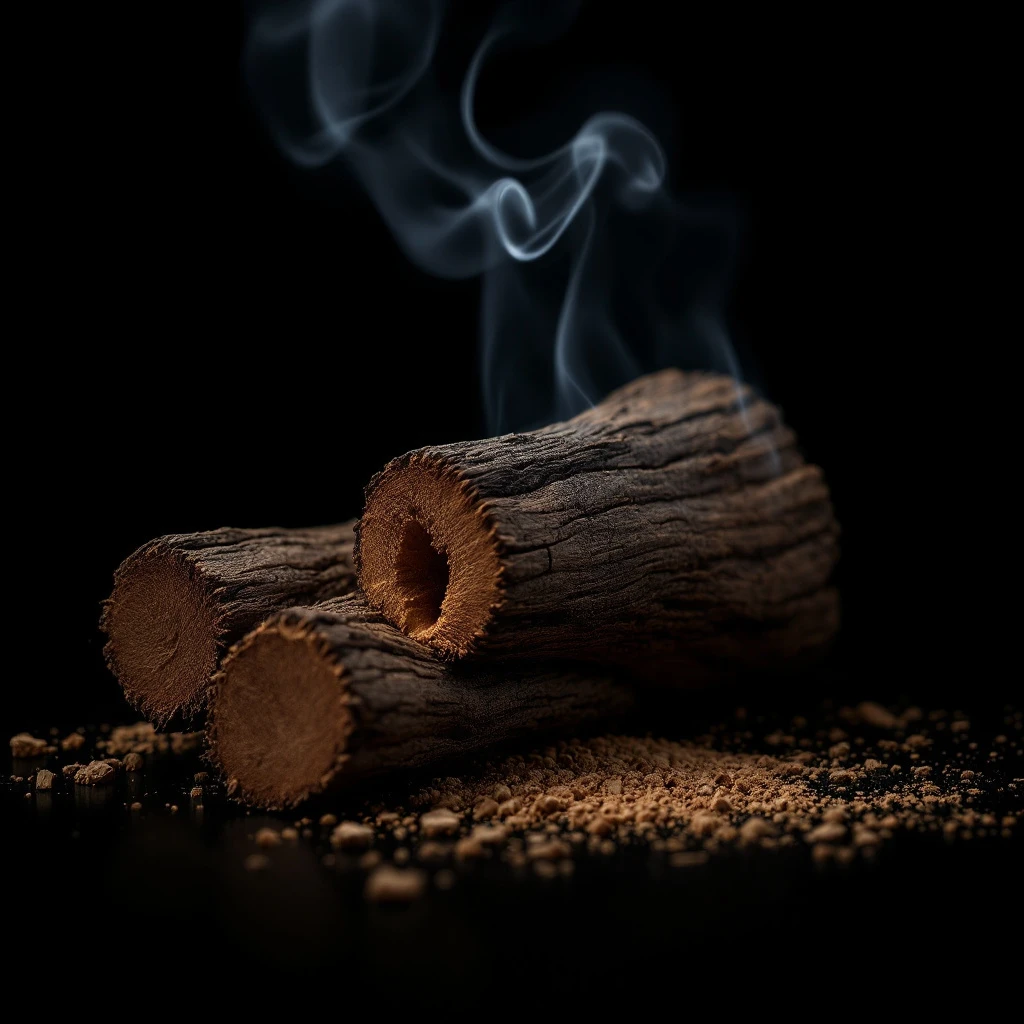
Smoketree
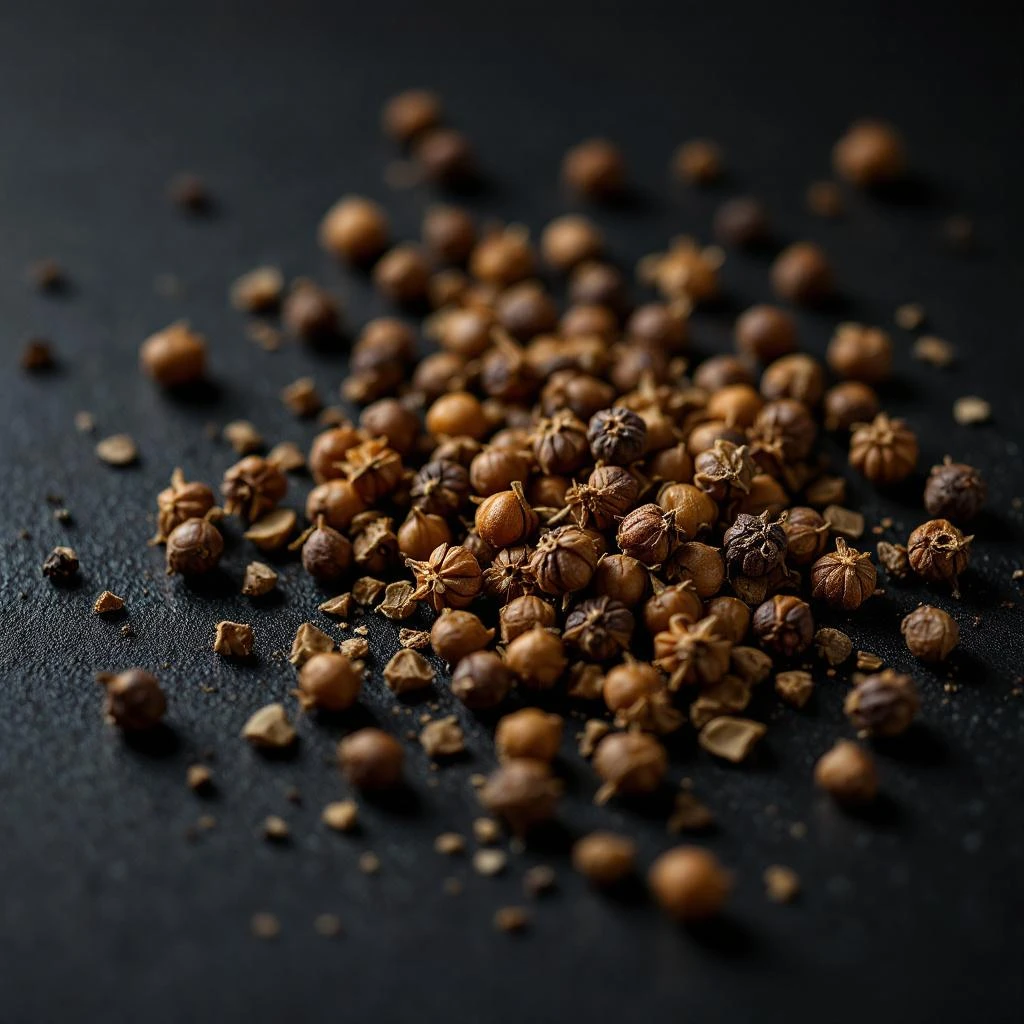
Pink peppercorns from the smoketree deliver a bright, berry-tinged spiciness that modern perfumery discovered just decades ago. Native to the Andes and cherished across Latin America, this ingredient bridges the gap between spice and fruit, adding an effervescent lift that has become a signature of contemporary fragrance construction.
Character
How it smells
A berry-spice accord reshaping modern perfumery
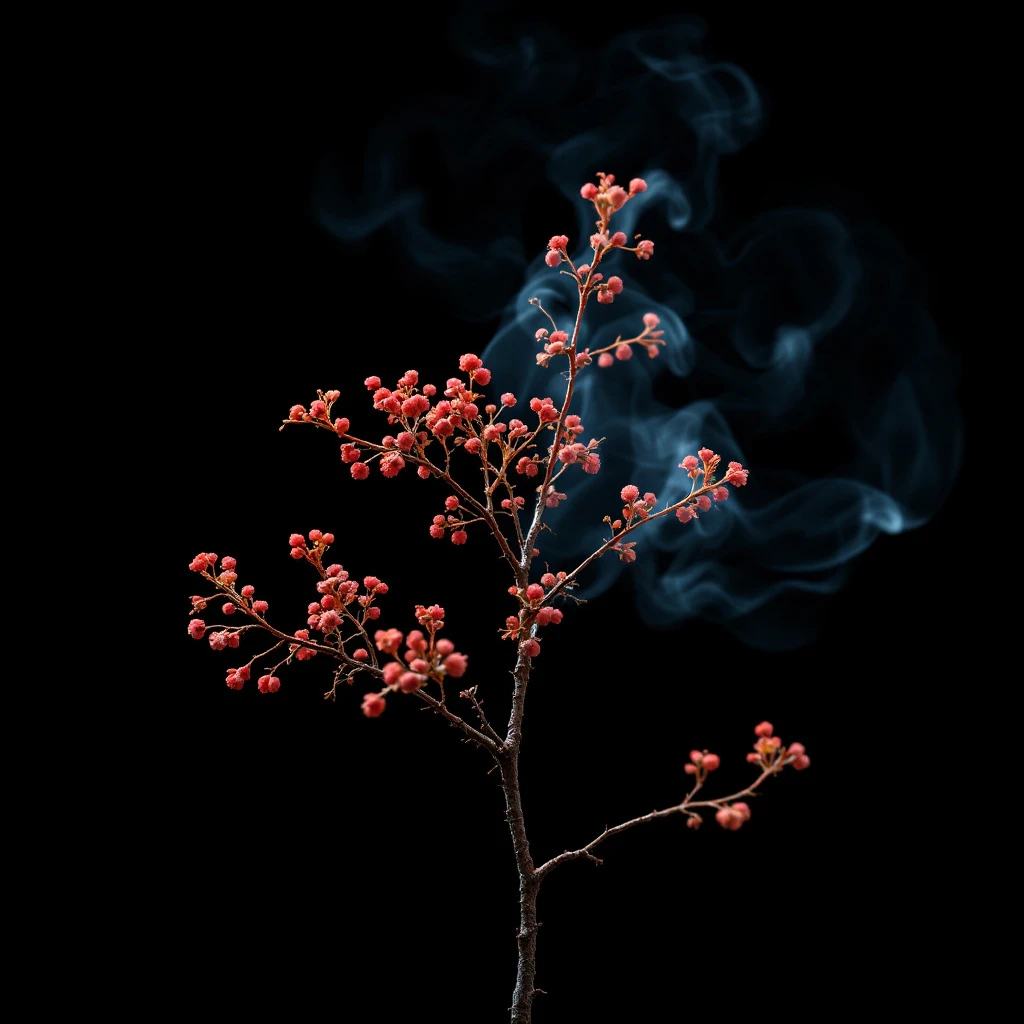
Despite their name, pink peppercorns are not true peppercorns. They are the dried berries of Schinus molle, a member of the Anacardiaceae family that includes cashews and pistachios.


Origin
Peru
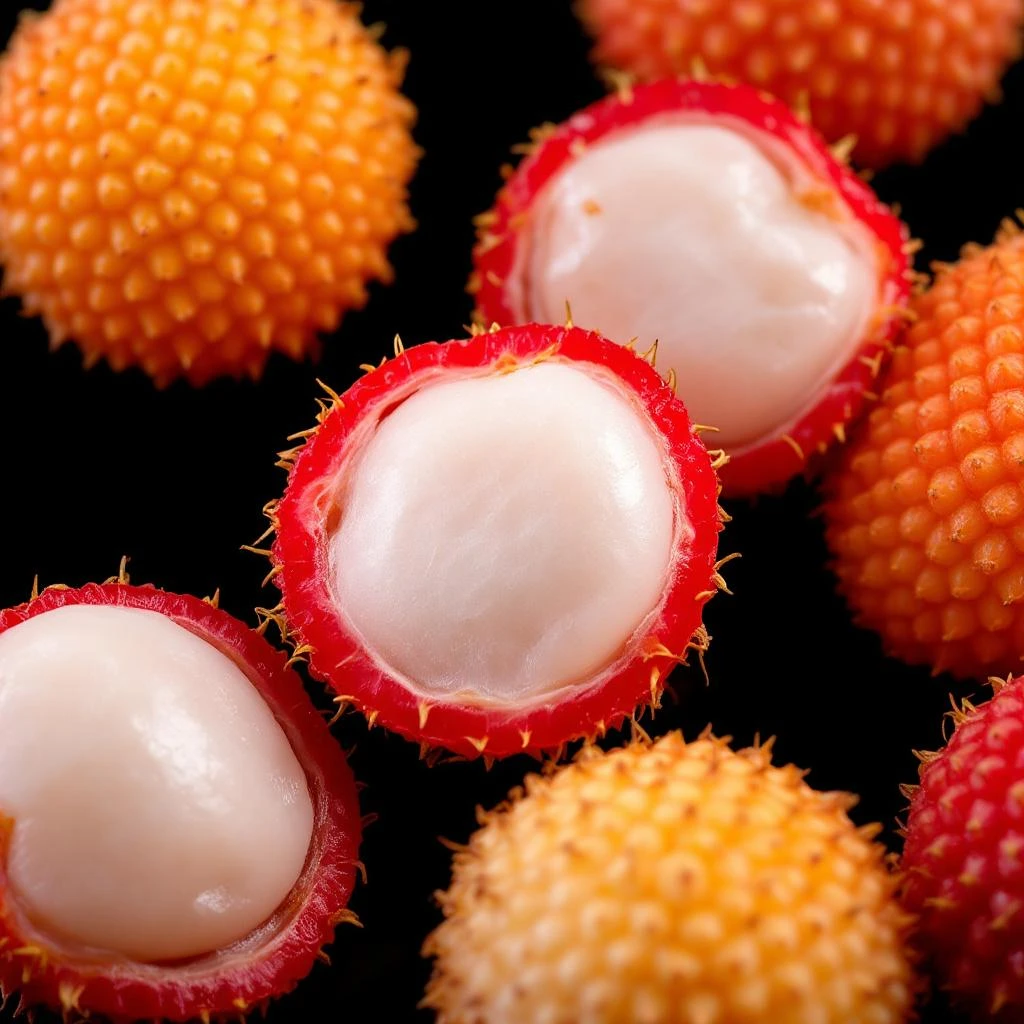
Schinus molle originated in the Andes Mountains of Peru, where Andean peoples cultivated it for centuries before European contact. They used the berries as food seasoning and medicinal treatments for wounds and respiratory ailments. Spanish colonial expansion carried the tree across the Atlantic during the 16th century, and Portuguese traders later introduced it to Brazil, where it naturalized so successfully that it became considered invasive in some regions.
South Asian communities adopted it as a culinary pepper substitute when black pepper remained expensive and difficult to obtain. Western perfumery largely ignored the ingredient until the late 20th century. French fragrance houses began experimenting with pink peppercorn in the 1980s, initially as a top-note enhancer.
Its adoption accelerated through the 1990s and 2000s as perfumers sought alternatives to traditional citrus and spice materials that could provide freshness without phototoxicity concerns.
Wears it best
Fragrances featuring Smoketree

Brands
Brands known for Smoketree
Good to know
Questions, answered
The essentials on Smoketree in perfumery: how it smells, where it comes from, and how it behaves on skin.
Is smoketree oil safe for skin application?
Yes, pink peppercorn oil from Schinus molle is considered safe for topical use in dilution. It does not contain the sensitizing compounds found in black pepper oil and is not phototoxic, making it suitable for leave-on skin applications when properly diluted.
What does smoketree smell like?
Pink peppercorn oil opens with a bright, sharply aromatic burst reminiscent of crushed peppercorns, followed by a fruity, slightly sweet berry note. Dry-down reveals warm, balsamic undertones that give the scent roundness rather than pure sharpness.
Is pink peppercorn a true pepper?
No. Pink peppercorns come from Schinus molle, the Peruvian pepper tree, which belongs to the Anacardiaceae family. True peppercorns come from Piper nigrum, in the Piperaceae family. The resemblance is coincidental, though the flavor profile serves similar culinary and aromatic purposes.
What fragrance families use smoketree most often?
Floral and woody compositions most commonly feature pink peppercorn. It appears frequently in modern chypres, fruity florals, and amber fragrances. The note works particularly well as a bridging element between bright citrus top notes and deeper base materials.
Can smoketree oil be synthetically reproduced?
Several synthetic aroma molecules mimic aspects of pink peppercorn, including certain monoterpenes and sesquiterpene derivatives. However, naturals from Schinus molle retain complex, layered qualities that synthetic reproductions still struggle to match fully.
What parts of the smoketree does perfumery use?
Perfumery extracts oil exclusively from the dried ripe berries. Leaves and branches of Schinus molle contain different aromatic profiles and are not used in fine fragrance production, though they appear in some mass-market applications.
Where does the highest-quality pink peppercorn oil come from?
Peru and Brazil remain the primary producing regions. Peruvian pink peppercorn oil is widely considered the benchmark for quality, benefiting from ideal growing conditions in the Andean foothills and established distillation infrastructure built on centuries of cultivation.
Is smoketree farming sustainable?
Schinus molle grows well without irrigation in semi-arid conditions, making it relatively low-impact to cultivate. The tree's resilience means it does not require pesticide-intensive farming, and its deep root system helps prevent soil erosion in regions where it is grown.