Timur
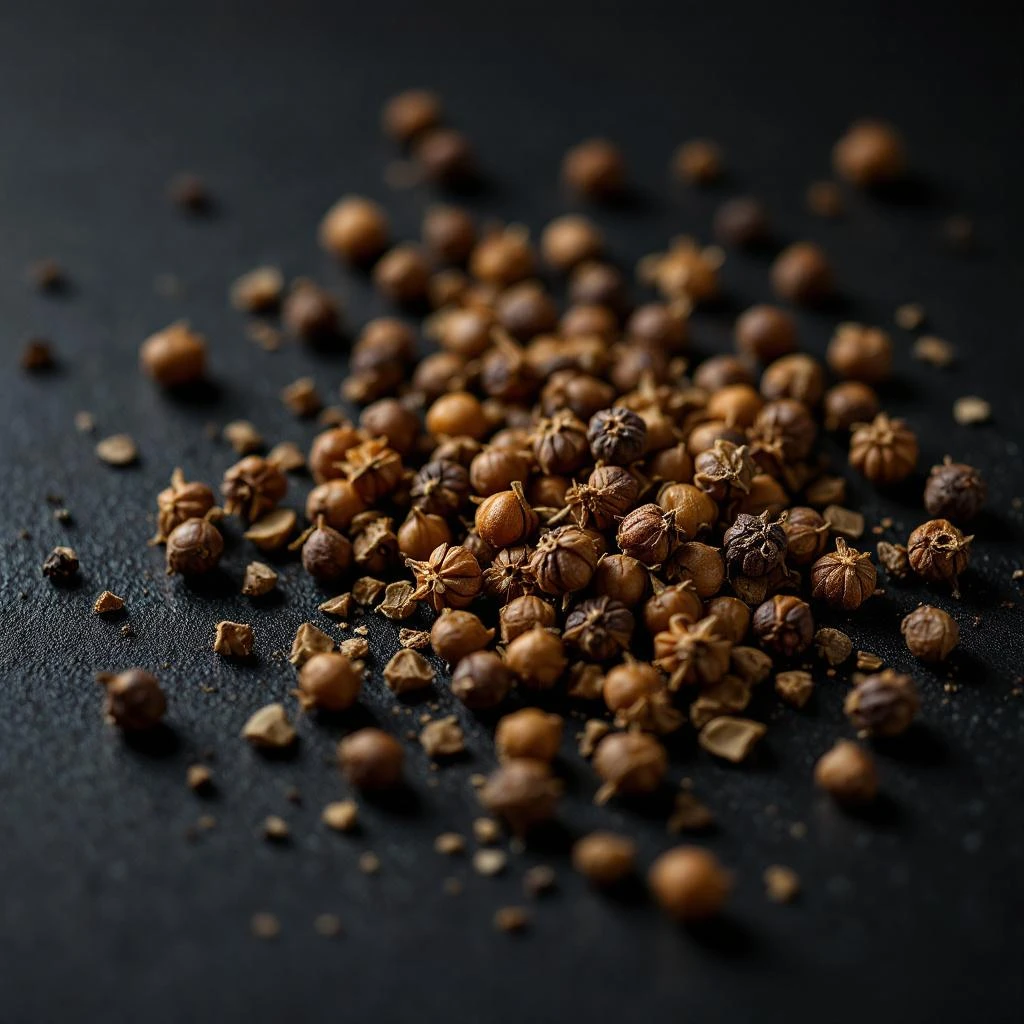
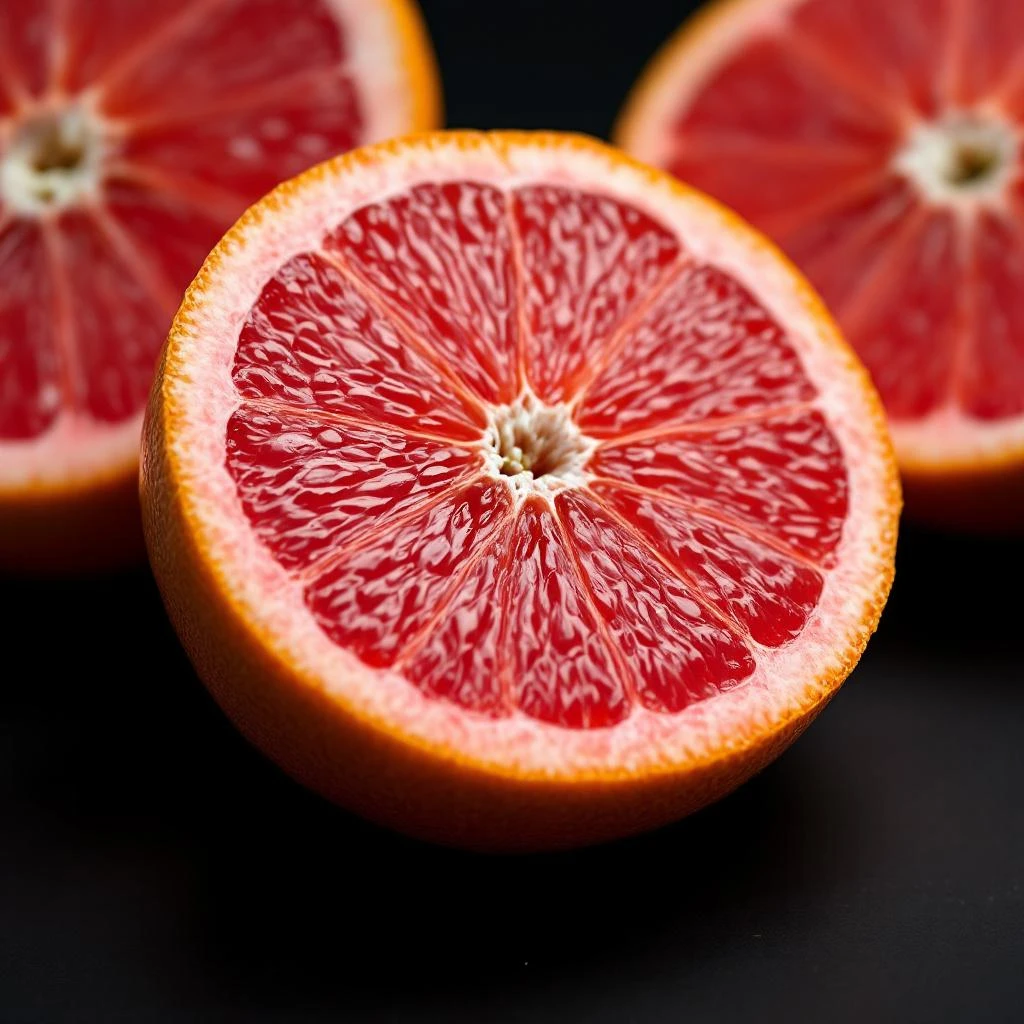
Timur is a small, reddish-brown berry from the prickly ash tree native to the Himalayas. In perfumery, it delivers a warm, citrus-forward scent with green undertones and a distinctive tingling quality.
Character
How it smells
The Himalayan berry that tingles.
The tingling sensation from Timur comes from hydroxy-alpha-sanshool, an alkylamide that activates touch receptors on the tongue, not taste receptors.






Origin
Nepal
Timur has been a cornerstone of Himalayan culinary and medicinal traditions for centuries. Indigenous communities across Nepal, Bhutan, and the Sikkim region incorporated the berry into savory dishes, teas, and folk remedies, valuing it as much for its aromatic qualities as its ability to aid digestion. The word 'timur' itself derives from Nepali and is widely recognized across the Himalayan corridor.
As overland trade routes expanded through Tibet and into Central Asia, Timur found its way into regional markets where traders and travelers encountered its distinctive aroma. The aromatic potential of the berry drew attention from early fragrance practitioners in Asia, who explored its use in incense and aromatic preparations. Western perfumery took notice much later, as global spice trade networks brought Himalayan botanicals into European workshops during the colonial era.
Today Timur remains relatively rare in mainstream perfumery, used primarily by niche fragrance houses seeking unusual naturals with a story rooted in one of the world's most rugged landscapes.
Wears it best
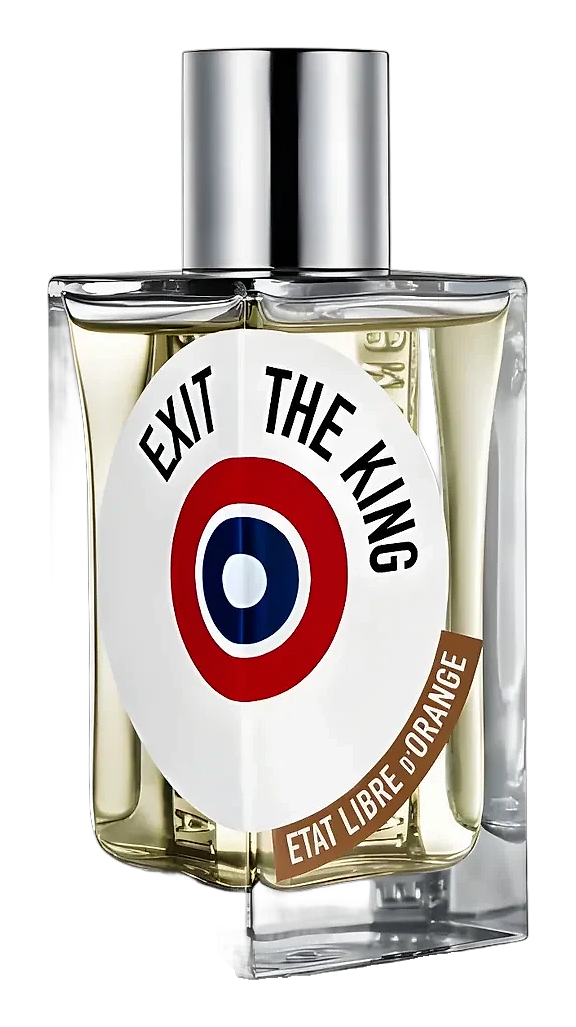
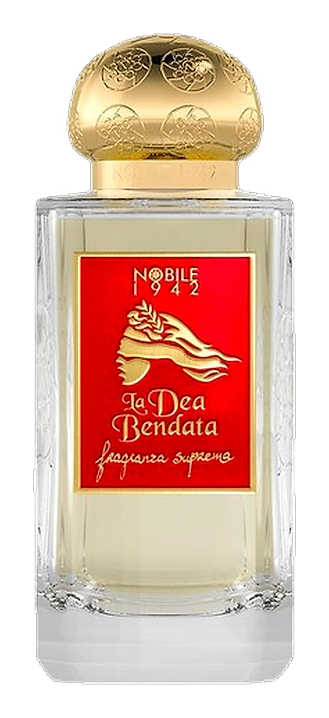
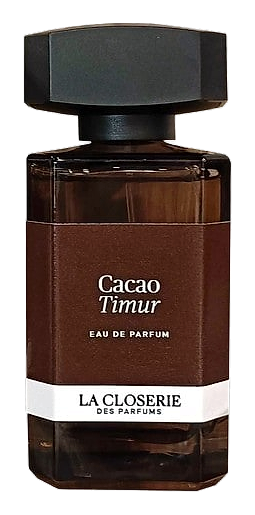
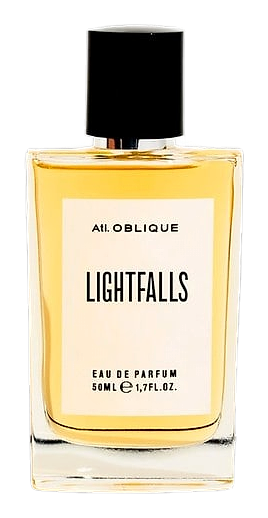
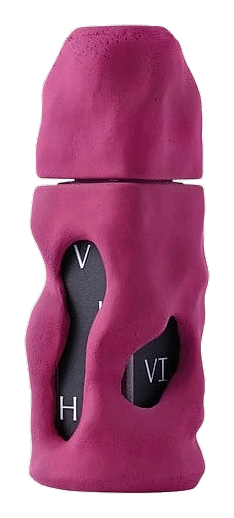
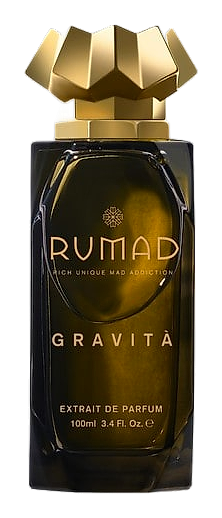
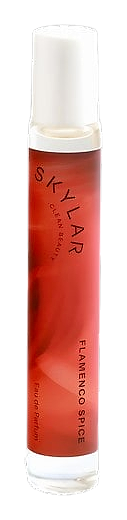
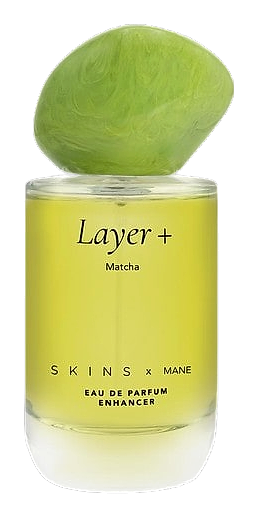
Fragrances featuring Timur


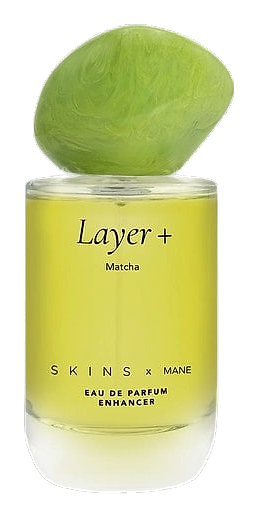
Brands
Brands known for Timur
Good to know
Questions, answered
The essentials on Timur in perfumery: how it smells, where it comes from, and how it behaves on skin.
What does Timur smell like in perfume?
Timur delivers a warm citrus aroma with green and subtly woody undertones. Its most distinctive characteristic is the tingling quality contributed by sanshool compounds, which adds sensory depth to fragrance compositions.
Where does Timur originate?
Timur comes from the Zanthoxylum armatum tree native to the Himalayas. Primary growing regions span Nepal, Sikkim, Bhutan, and northern India, where the berry thrives at elevations between 1,200 and 2,100 meters.
Is Timur a natural or synthetic ingredient?
Timur is a natural ingredient. The essential oil is extracted from dried Timur berries through steam distillation. No synthetic equivalent fully replicates its complex profile, which includes sanshool compounds that produce the characteristic tingle.
What makes Timur unusual in perfumery?
Most fragrance ingredients appeal to the nose alone. Timur engages the trigeminal nerve through its sanshool content, creating a tactile sensation when smelled or tasted. This makes it behave differently from conventional perfumery materials.
How does Timur differ from black pepper in fragrance?
Black pepper yields a sharp, woody, slightly biting scent from the Piper nigrum berry. Timur produces a warmer, citrus-forward aroma with green and pine-like facets, plus the notable tingling sensation absent in standard black pepper oil.
What extraction method is used for Timur?
Steam distillation is the standard method for extracting Timur essential oil. Live steam passes through dried berries, vaporizing aromatic compounds that are then condensed and separated from the hydrosol.
How long have Himalayan communities used Timur?
Himalayan communities have used Timur for centuries in cooking, teas, and traditional medicine. Its aromatic properties were recognized early, and the berry traveled along regional trade routes before attracting attention from Western perfumery during the colonial period.
Is Timur safe to use in fragrance formulations?
Timur essential oil is used within established safety guidelines for perfumery. It appears at low concentrations in fragrance compositions, and professional perfumers typically use diluted forms when incorporating Timur absolute into blends.