Smoked Palo Santo
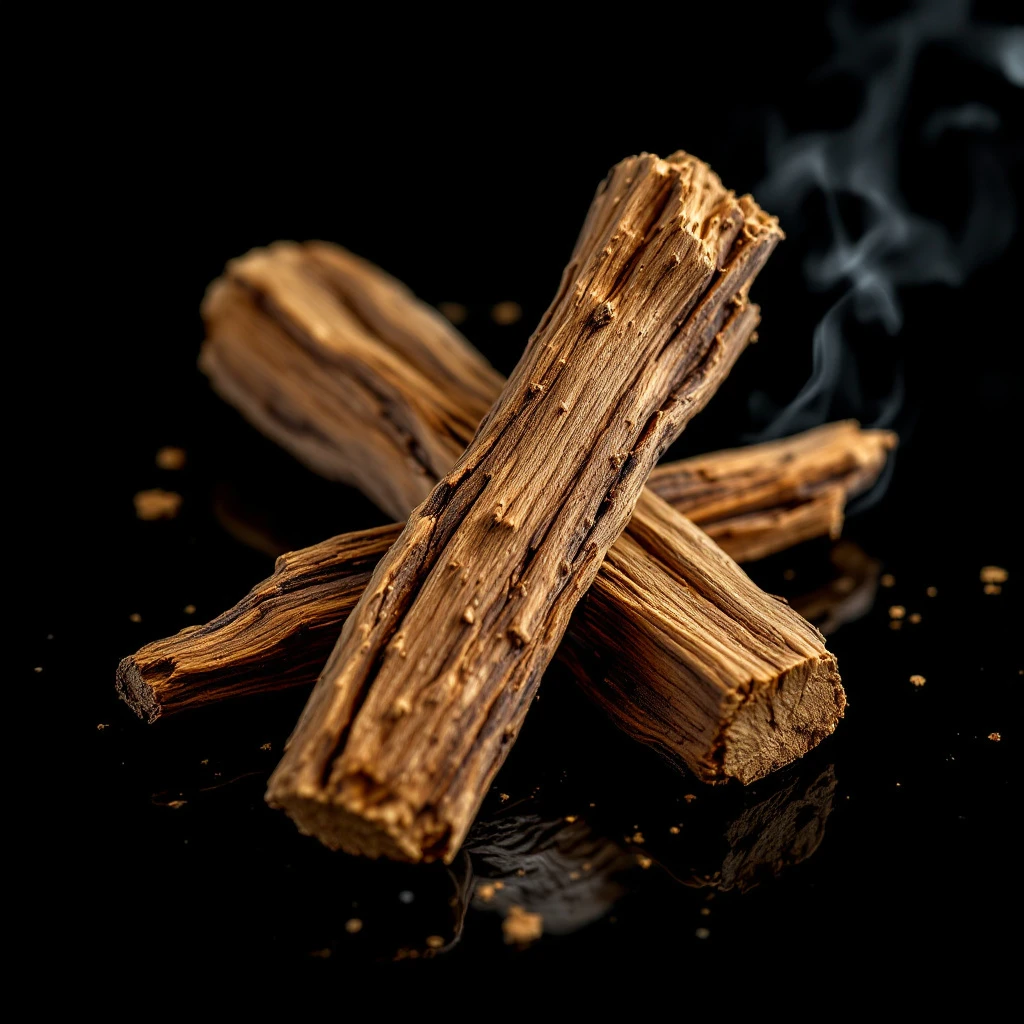
Smoked Palo Santo brings an unmistakable warmth to fragrance, bridging sacred ritual traditions with modern perfumery. Its aromatic smoke, drawn from centuries of spiritual practice, adds a grounding, resinous depth that transforms woody and oriental compositions into something memorable.
Character
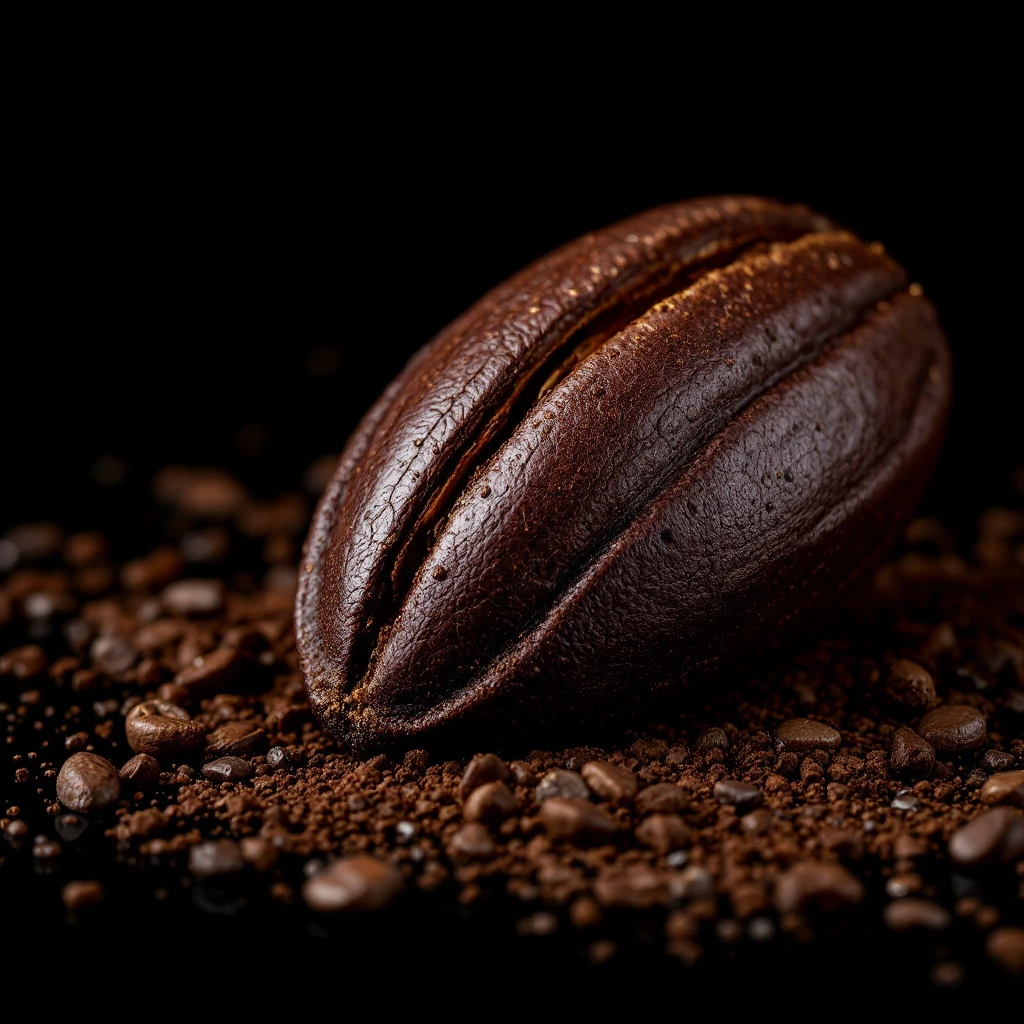
How it smells
Sacred wood smoke, bottled for modern fragrance.
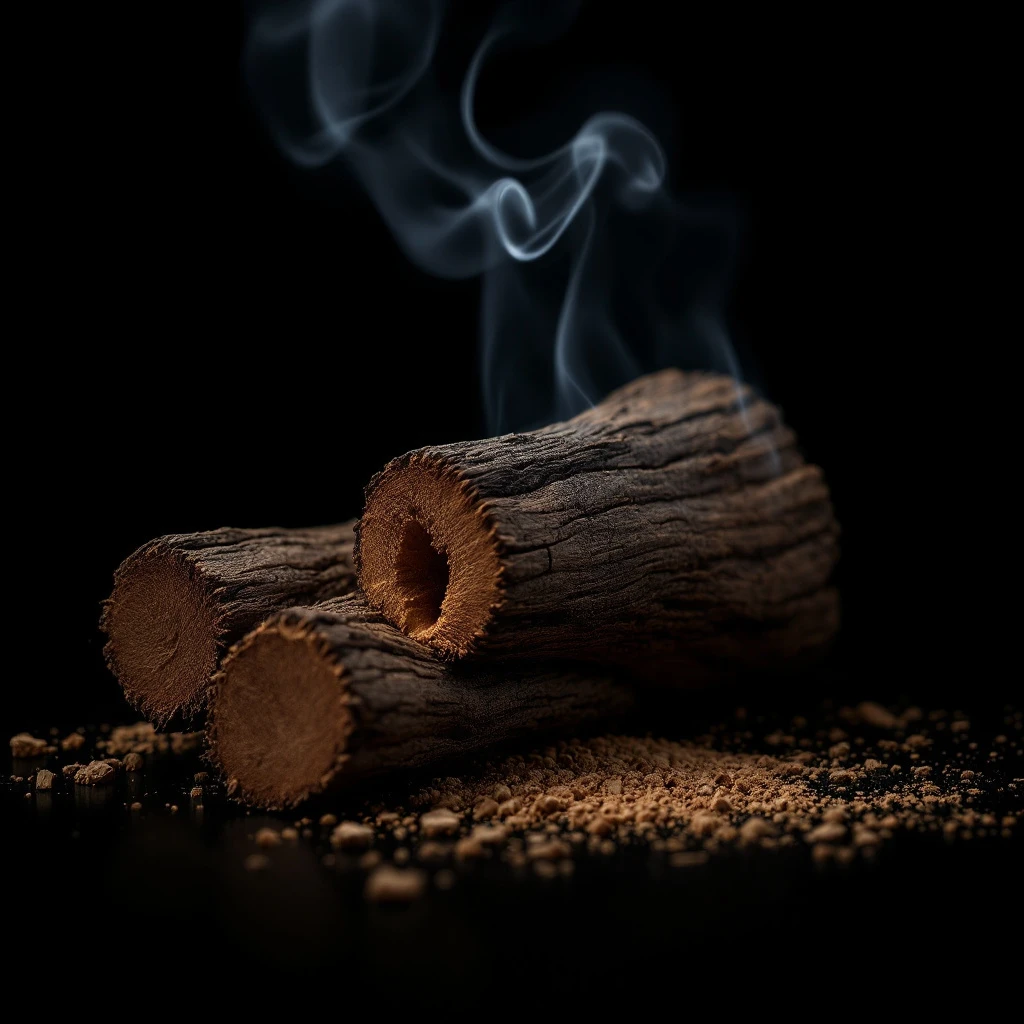
The Bursera graveolens tree must naturally fall and age for up to five years before its heartwood develops the aromatic compounds perfumers seek.



Origin
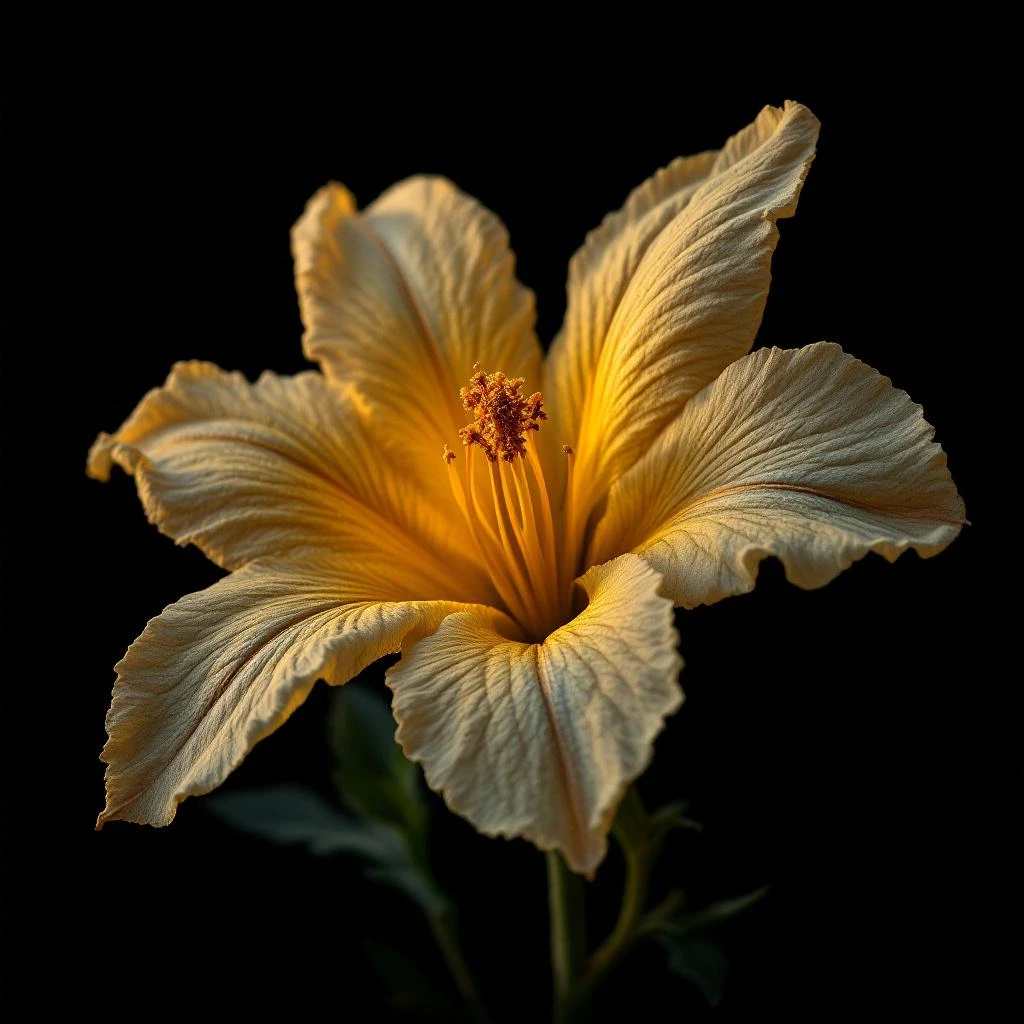
Ecuador
The name Palo Santo translates directly from Spanish as "holy wood," a designation earned through centuries of ceremonial use across South America. Indigenous cultures of the Incan Empire burned this wood during spiritual rituals, believing it carried purifying properties. Shamans used the smoke in cleansing ceremonies long before perfumers recognized its aromatic potential.
The ritualistic burning practice spread through communities who valued the wood's distinctive fragrance and the calm it was said to promote. Today, sustainable harvesting practices guide the collection of fallen wood, ensuring the tree's survival while preserving a tradition that spans hundreds of years of human history.
Wears it best
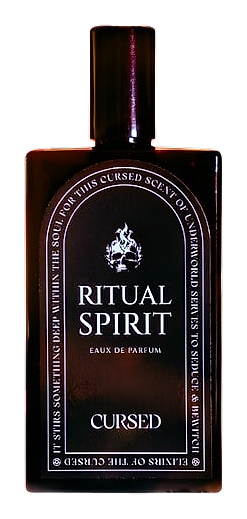
Fragrances featuring Smoked Palo Santo
Brands
Brands known for Smoked Palo Santo
Good to know
Questions, answered
The essentials on Smoked Palo Santo in perfumery: how it smells, where it comes from, and how it behaves on skin.
What does Smoked Palo Santo smell like?
Smoked Palo Santo offers a warm, resinous woody scent with distinct smoky undertones. It reads as earthier and softer than cedar, with a faint citrus brightness cutting through the smoke. In fragrance, it creates a campfire-adjacent warmth without harshness.
How is Smoked Palo Santo oil produced?
Producers extract the oil through a 24-hour steam distillation process using wood shavings and sawdust from the Bursera graveolens tree. The lengthy extraction time ensures full aromatic capture from the aged heartwood.
Where does Palo Santo grow?
Bursera graveolens trees grow across South America, particularly in Ecuador and Peru. The trees must naturally fall and age for several years before harvest, a practice rooted in both tradition and sustainability.
What does "Palo Santo" mean?
Palo Santo is Spanish for "holy wood." Indigenous cultures of the Incan Empire used this wood in spiritual ceremonies, giving rise to the name that persists in perfumery today.
Is Smoked Palo Santo sustainable?
Responsible sourcing requires using only naturally fallen wood from established trees. Sustainable harvesting protects wild populations while allowing continued production of this aromatic material.
What fragrance families use Smoked Palo Santo?
It appears most often in woody and oriental compositions. Perfumers also use it in spiritual or atmospheric fragrances where its smoky, grounding character supports broader olfactory narratives.
How long has Palo Santo been used in rituals?
Ritualistic use of Palo Santo dates to the Incan Empire, spanning hundreds of years. The wood was burned during spiritual ceremonies long before modern perfumery adopted it as an ingredient.
Does Smoked Palo Santo contain actual smoke?
The smoky character develops during steam distillation when heated wood releases aromatic compounds. The final oil captures that smoky quality without containing actual combustion byproducts.