Trinitario Cocoa
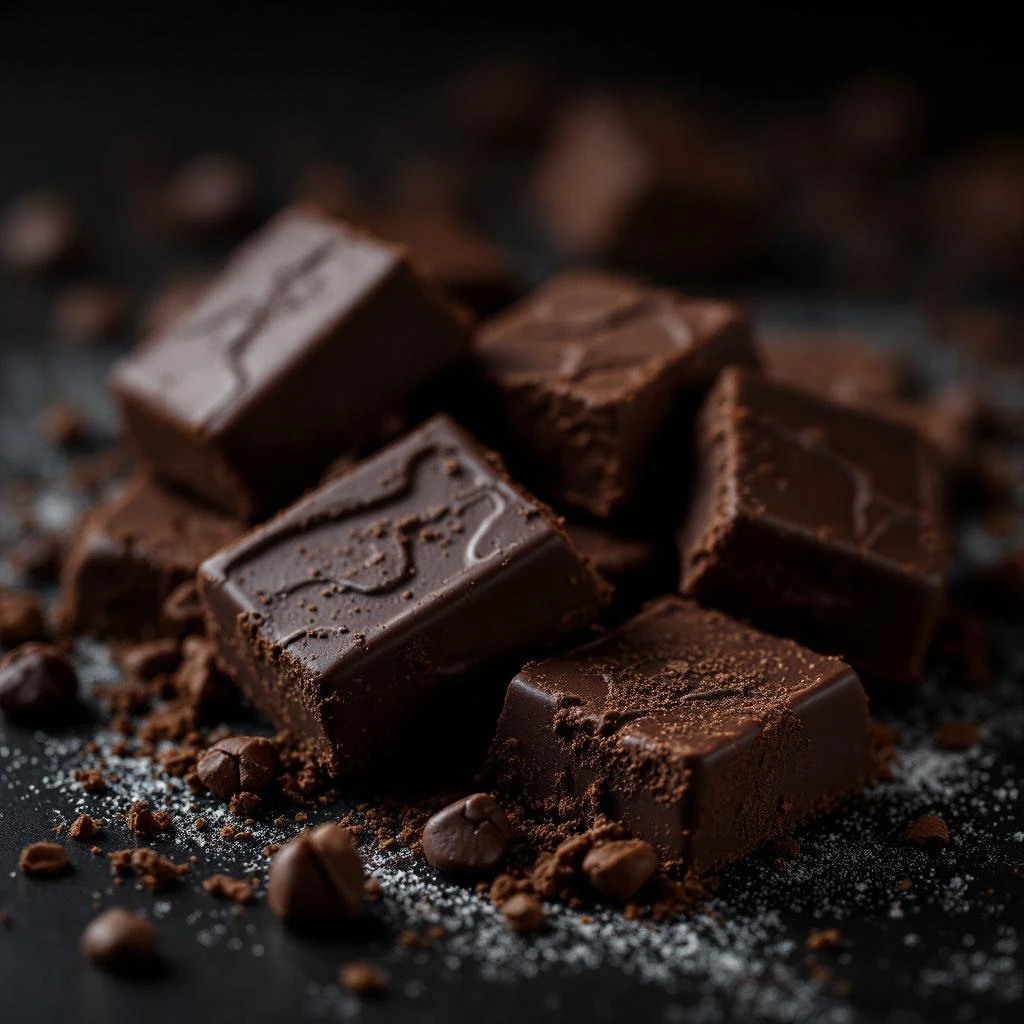
Trinitario cocoa is a naturally occurring hybrid born in 18th-century Trinidad, born from the cross-pollination of prized Criollo and resilient Forastero trees. This genetic merger produced beans with exceptional aromatic complexity: bitter and spicy on the surface, velvety and deeply inviting beneath.
Character
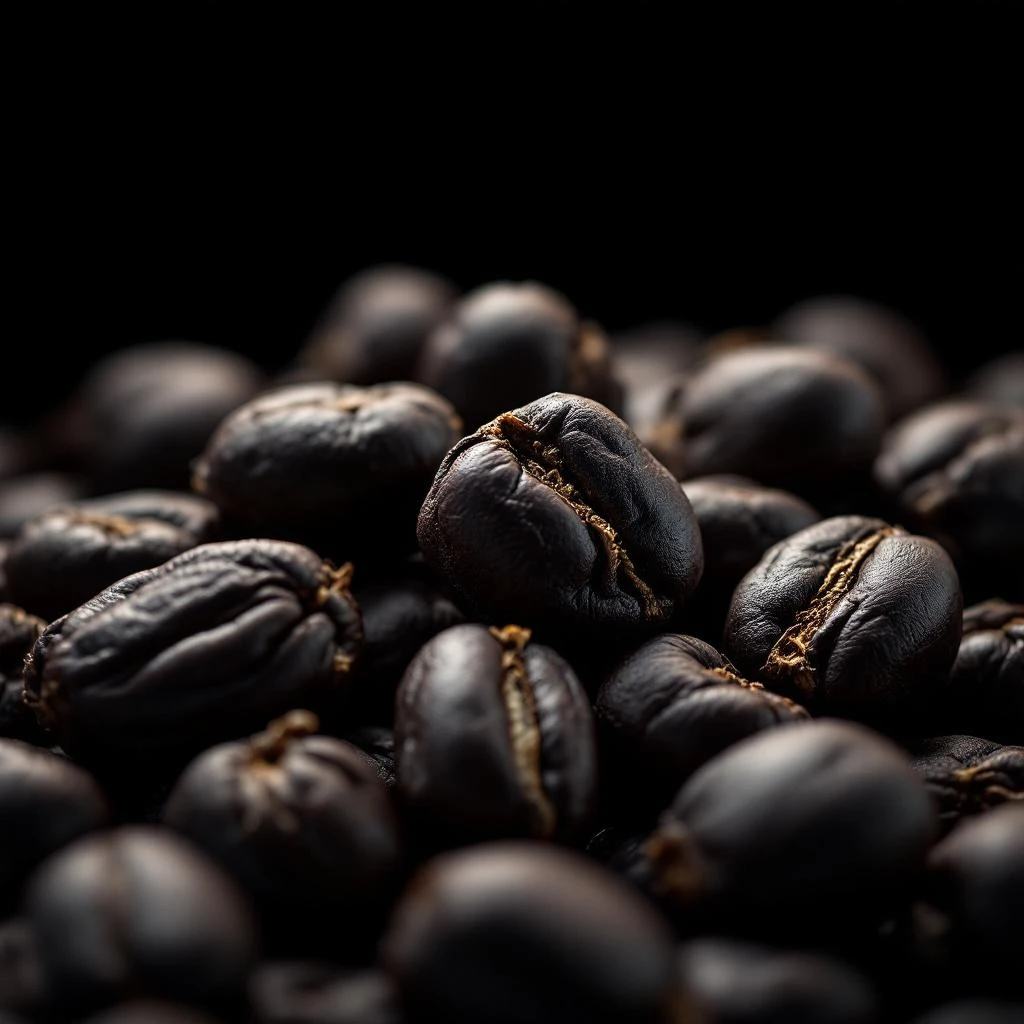
How it smells
The hybrid that elevated Caribbean cocoa to legendary status.
Between 1866 and 1921, Trinidad was the world's third-largest cocoa producer, and locals called this era when cocoa dominated exports simply 'when cocoa was king.'



Origin
Trinidad and Tobago
The story of Trinitario cocoa begins in Trinidad during the 18th century, when wind or insect pollination caused two distinct cacao varieties to cross: Criollo, prized for its refined flavor but vulnerable to disease, and Forastero, hardier and more productive. The hybrid inherited the best of both parent trees. It carried Criollo's nuanced aromatic profile while gaining Forastero's resistance to cacao diseases that had plagued Caribbean plantations.
Trinidad became the global nursery for this hybrid, and farmers cultivated it extensively during the colonial era. By the late 1800s, Trinidad dominated global cocoa trade, and the term 'Trinitario' became synonymous with superior quality. Though production has shifted toward West Africa, where Ivory Coast now produces 38% of the world's 5.
8 million annual tonnes, Trinitario remains a benchmark for fine-flavored cocoa sought by chocolatiers and fragrance houses alike.
Wears it best
Fragrances featuring Trinitario Cocoa
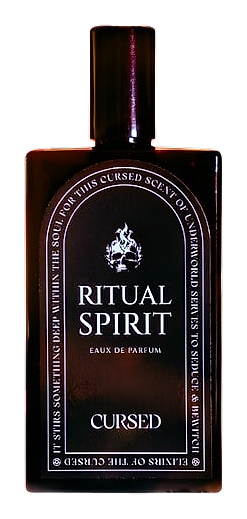
Brands
Brands known for Trinitario Cocoa
Good to know
Questions, answered
The essentials on Trinitario Cocoa in perfumery: how it smells, where it comes from, and how it behaves on skin.
What does Trinitario cocoa smell like in a fragrance?
Cocoa absolute delivers a dual character: bitter and spicy at first encounter, settling into a velvety, warm depth that resembles dark chocolate. Perfumers value it for simultaneously grounding lighter notes and adding an inviting warmth that reads as sensual rather than food-like.
How is cocoa absolute produced for perfumery?
Manufacturers roast Trinitario beans to develop aromatic compounds, then use solvent extraction to pull those compounds from the roasted matrix. The solvent evaporates, leaving a dark, viscous absolute. CO2 extraction offers an alternative that some argue preserves a wider aromatic range.
Why is Trinitario considered a premium cocoa variety?
Trinitario combines the aromatic refinement of Criollo cacao with Forastero's disease resistance. This hybrid vigor produces beans with complex flavor profiles that command higher prices in both chocolate and fragrance markets.
Where does Trinitario cocoa originate?
Trinitario first appeared in Trinidad and Tobago during the 18th century through natural cross-pollination of Criollo and Forastero trees. The variety takes its name from this Caribbean nation, where it became the foundation of a thriving cocoa industry.
What is the difference between cocoa absolute, extract, and CO2 extract?
Each format captures different portions of the roasted bean's aromatic profile. Solvent-based cocoa absolute is the most common in perfumery. Cocoa extract typically refers to alcohol-based tinctures. Supercritical CO2 extraction produces a material that some perfumers find closer to the raw bean character.
How much cocoa does the world produce annually?
Global cocoa bean production reached 5.8 million tonnes in 2024. Ivory Coast leads with 38% of total output, followed by Ghana and Indonesia. Despite this shift to West Africa, Trinitario from Trinidad remains a benchmark for fine-flavored beans.
What role did Trinidad play in global cocoa history?
Between 1866 and 1921, Trinidad ranked as the world's third-largest cocoa producer. This period was so dominant that locals referred to it as 'when cocoa was king.' The island's colonial plantations built the reputation that gave Trinitario its global recognition.
Can synthetic cocoa substitutes replace natural cocoa absolute?
Synthetic aroma chemicals can approximate certain cocoa notes, but none fully replicate the complex aromatic matrix of natural cocoa absolute. The natural material contains hundreds of volatile compounds that interact differently on skin and in formulas, producing an olfactory depth that synthetics currently cannot match.