Smoked Nuts
Smoked nuts bring a distinctive warmth to fragrance, combining the rich, toasty character of roasted nuts with subtle, smoldering smoke. This modern perfumery note adds depth and grounding presence to compositions, evoking firelit gatherings and the quiet comfort of hearthside moments.
Character
How it smells
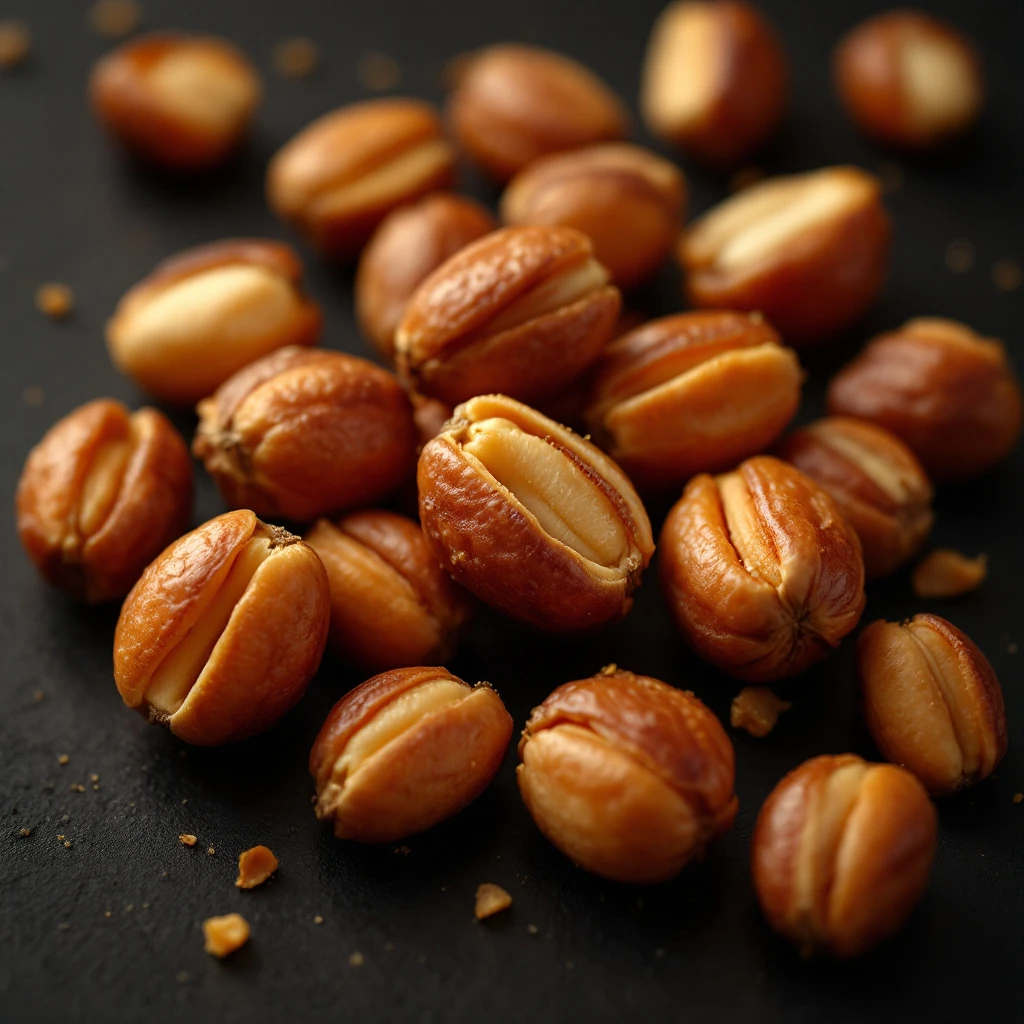
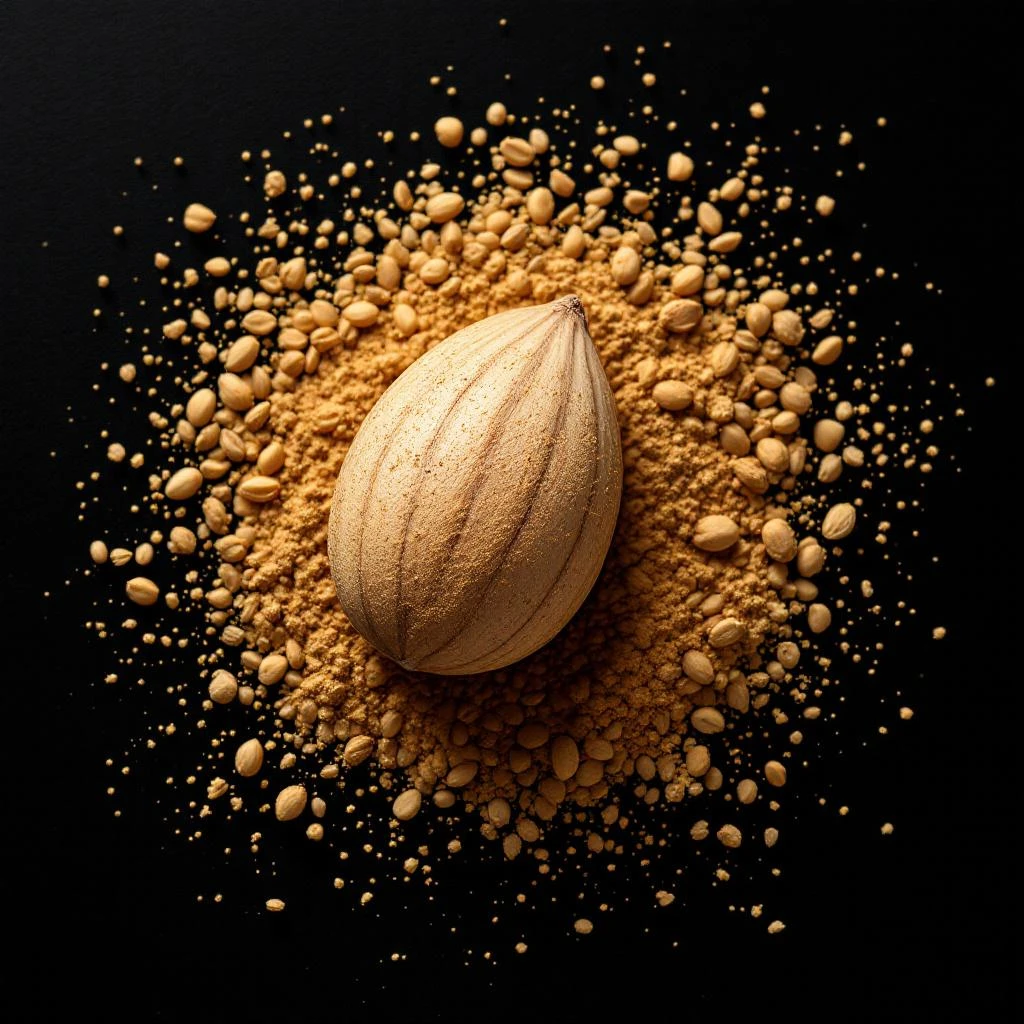
Warm toasted nuts with smoldering smoke.
The smoked nut accord combines lactones for creamy nuttiness with smoky molecules created through controlled pyrolysis, mimicking the effect of wood-fired roasting.
Pairs beautifully with


Origin
France
While smoke has perfumed human rituals since prehistoric times, the specific smoked nut note emerged in 20th century perfumery as chemists learned to isolate and combine aromatic molecules. The word perfume itself derives from the Latin 'per fumum,' meaning through smoke, reflecting how ancient cultures first encountered aromatic smoke through burning resins and wood. Mesopotamians formalized perfume production around 2000 BCE, though smoky notes remained confined to incense and religious contexts for millennia.
The smoked nut accord represents a modern innovation, translating the everyday experience of roasting nuts over fire into an abstract fragrance material. Contemporary perfumers now routinely employ this note to add warmth and grounding to compositions, particularly in unisex and masculine fragrances seeking a campfire-like sophistication.
Wears it best
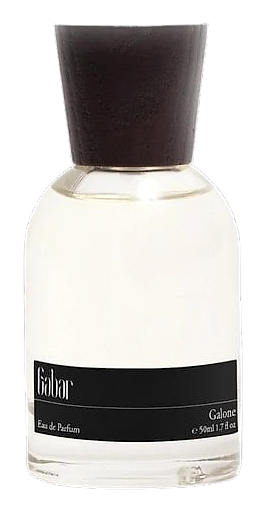
Fragrances featuring Smoked Nuts
Brands
Brands known for Smoked Nuts
Good to know
Questions, answered
The essentials on Smoked Nuts in perfumery: how it smells, where it comes from, and how it behaves on skin.
Are smoked nuts natural or synthetic in perfumery?
Both natural and synthetic smoked nuts exist. Natural versions involve actual smoking of nut materials, while modern perfumery more commonly uses synthetic accords combining nut-scented lactones with smoky molecules to achieve consistent results.
What does smoked nuts smell like?
Smoked nuts present as warm, toasted, and slightly sweet with a nutty base. The smoke element adds subtle char and warmth, creating an impression of roasted nuts pulled from a wood fire, with lingering smoky undertones.
Which fragrance families use smoked nuts?
Smoked nuts appear primarily in oriental and woody families. They also enhance fougère and chypre compositions, adding warmth to lavender and oakmoss structures while providing an alternative to heavier smoke notes.
What ingredients pair well with smoked nuts?
Vanilla, benzoin, and tolú balsam complement smoked nuts by amplifying their sweet warmth. Cedarwood and sandalwood ground the note, while amber and labdanum add resinous depth that harmonizes with the smoky character.
How long does smoked nuts last on skin?
Smoked nuts function as a base note, typically lasting 4-6 hours on skin. The smoky molecules are relatively fixative, helping retain lighter top notes while contributing their warm presence throughout the dry-down.
Is smoked nuts expensive to produce?
Natural smoked nut extracts require specialized equipment and time, making them mid-range in cost. Synthetic accords are more economical and allow perfumers to tune the ratio of nuttiness to smokiness precisely.
Can smoked nuts trigger allergies?
Some components in smoked nut accords, particularly certain aldehydes, may cause reactions in sensitive individuals. IFRA regulations govern usage concentrations, and fragrance labels must declare potential allergens.
How does smoked nuts differ from oud in fragrance?
Oud delivers deep, animalic, balsamic smoke from infected agarwood, while smoked nuts offer a cleaner, sweeter smoke with prominent nuttiness. Smoked nuts create warmth without oud's characteristic fecal and animalic undertones.