Smoked Bacon
Smoked bacon sits at perfumery's most provocative frontier. It breaks from centuries of floral and woody conventions, reaching instead for something older: the primal memory of fire, smoke and char. This savory note challenges what luxury fragrance can be, daring the wearer to confront the animal alongside the ethereal.
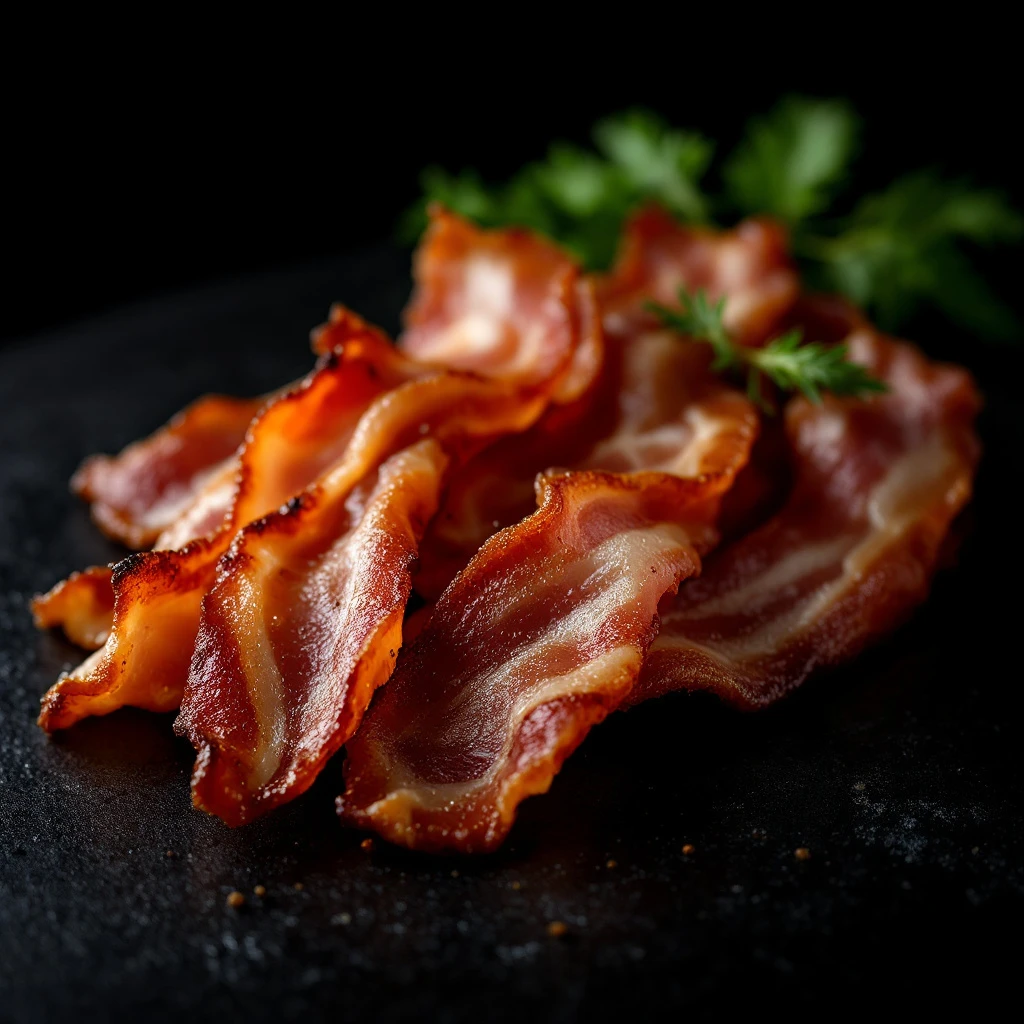
Character
How it smells
Fire, char, and salt. The oldest smell on earth.
Some perfumers once received actual bacon samples from meat suppliers during accords development, though the final ingredient is purely synthetic.


Origin
France
The history of smoke in perfumery begins with fire itself. When prehistoric humans first burned wood, they discovered aromatic smoke and began using it in ritual. This act, burning matter to release scent, is the oldest form of perfumery.
Ancient Egyptians, Greeks and Romans all used smoked resins and woods in religious and cosmetic practice. Yet the idea of a meaty, bacon-like note in fragrance remained absent from this long history. Perfumery traditionally favored florals, spices, resins and woods, leaving animalic notes to musk and ambergris rather than food.
The emergence of smoked bacon as a deliberate fragrance note belongs to late twentieth and early twenty-first century niche perfumery, when a generation of designers began challenging fragrance conventions with unexpected materials. These perfumers drew on the same ancient instinct that made our ancestors value smoke but applied it through modern chemistry, creating a bridge between prehistoric fire ritual and contemporary olfactory art.
Wears it best
Fragrances featuring Smoked Bacon
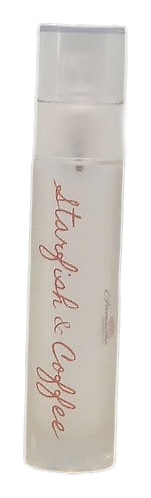
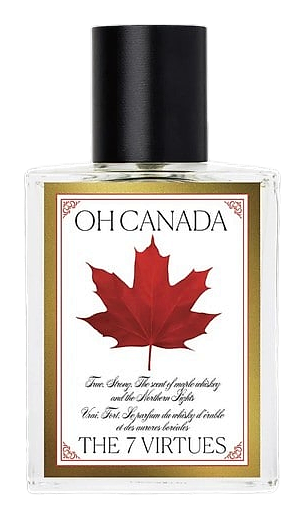
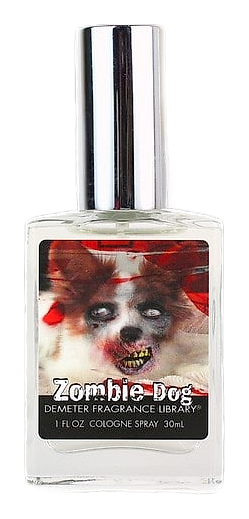
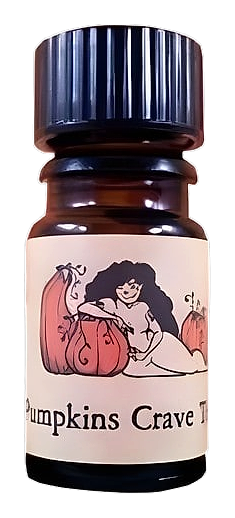
Brands
Brands known for Smoked Bacon
Good to know
Questions, answered
The essentials on Smoked Bacon in perfumery: how it smells, where it comes from, and how it behaves on skin.
Is smoked bacon in perfume made from real bacon?
No. Authentic bacon contains fats and proteins that degrade quickly and cannot sustain a stable perfume accord. Perfumers construct a smoked bacon impression using synthetic aromatic molecules that replicate smoke, char and cured meat notes.
What chemicals create the smoked bacon smell in fragrance?
Guaiacol and its derivatives provide the primary smoky character, while sulfur-bearing molecules contribute meaty, umami depth. Phenolic compounds add char, and aldehydes or salt-tangent materials create the cured, saline finish.
In which types of fragrance does smoked bacon typically appear?
Smoked bacon appears most often in niche and artistic fragrances, particularly those with avant-garde or conceptual briefs. It suits masculine and unisex compositions built around leather, wood, tobacco or animalic themes.
Does smoked bacon smell appetizing or unpleasant in perfume?
It provokes a reaction. In dilution, it adds warmth, depth and a primal quality that reads as smoky and attractive. Neat, it smells aggressively savory. The art lies in the perfumer's dosage and surrounding notes.
How long has smoked bacon been used in perfumery?
Smoked bacon as a named perfume note emerged in the late twentieth century, coinciding with the rise of niche perfumery and ingredient transparency. It reflects a broader movement toward conceptual and boundary-testing fragrance design.
Does smoked bacon smell like breakfast or like a campfire?
It evokes both simultaneously. The campfire connection is genuine and ancient; the bacon quality comes from the cured, salty and slightly sweet dimension that distinguishes it from plain woodsmoke.
Can I layer smoked bacon perfume with other scents?
Yes. Smoked bacon pairs well with leather, oud, tobacco, dark florals and warm spices. It performs best in cooler weather where its animalic warmth has room to project without becoming cloying.
What makes smoked bacon a challenging perfume ingredient?
It violates perfumery convention. Most luxury fragrance history centers on floral, spicy and woody materials. Adding a food-associated savory note requires exceptional skill to integrate it without making the fragrance smell like a kitchen rather than a perfume.




