Maple Cookie
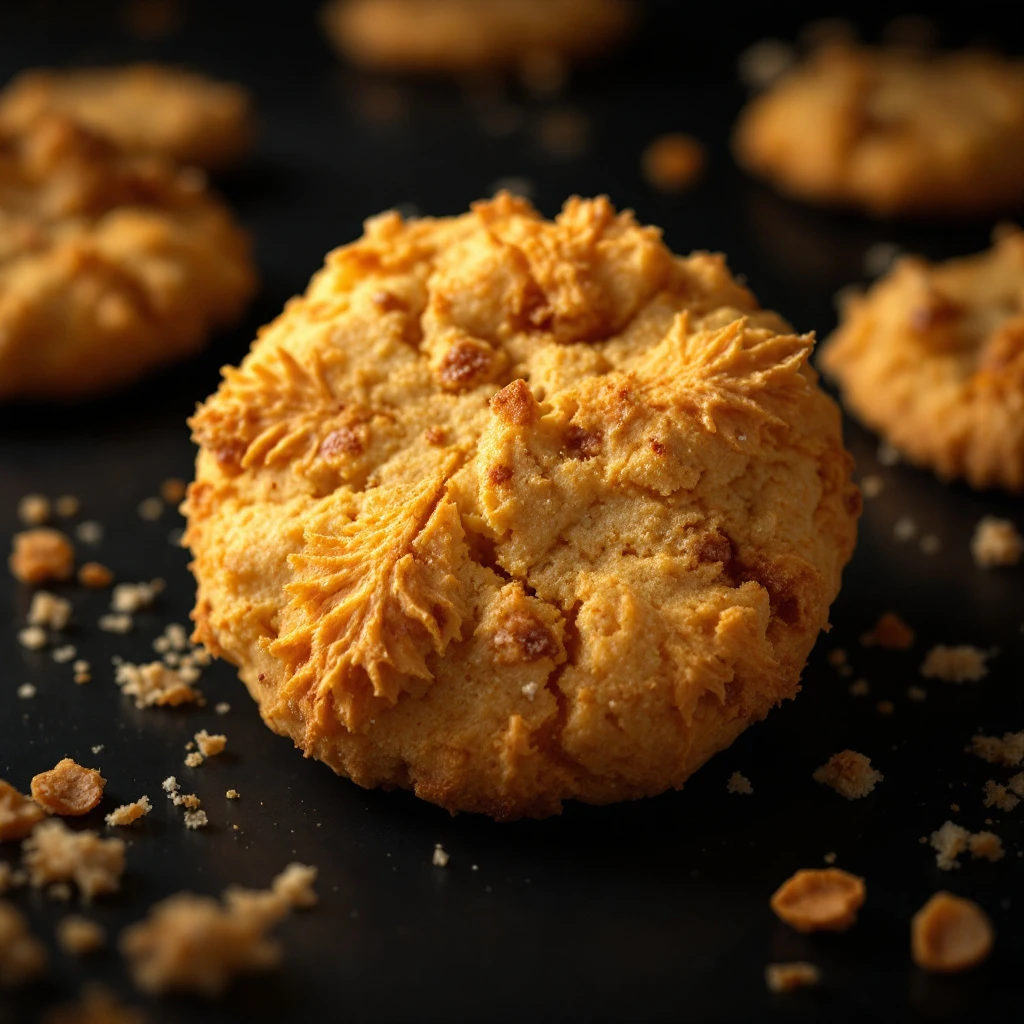
Maple Cookie captures the warm embrace of golden syrup meeting buttery baked dough. This cozy gourmand note evokes autumn kitchens and sweet nostalgia in every breath.
Character
How it smells
Where sweet warmth meets buttery comfort
Real maple syrup contains over 240 distinct flavor compounds. Perfumers isolate maple furanone, the key molecule behind that signature sweetness, to craft this edible-smelling note.
Pairs beautifully with

Origin
Canada
Maple sweetness has deep roots in North American history. Indigenous peoples of the northeastern woodlands developed the first sugar-making techniques from maple sap thousands of years before European contact. They used stone tools to score maple trees and collected sap in birch bark containers.
French colonists adopted these methods in the 17th century, spreading maple sugar production across Quebec and New England. The culinary tradition of maple cookies emerged from this agricultural heritage, becoming a staple in Canadian and American bakeries. Modern fragrance chemistry arrived in the 19th century when analysts first isolated specific molecules from natural sources.
Sotolon, the compound responsible for maple aroma, was identified in the early 20th century. Flavor houses began offering maple-type compounds to perfumers, enabling the gourmand fragrance movement that took hold in the 1980s and 1990s.
Wears it best
Fragrances featuring Maple Cookie
Brands
Brands known for Maple Cookie
Good to know
Questions, answered
The essentials on Maple Cookie in perfumery: how it smells, where it comes from, and how it behaves on skin.
Is Maple Cookie a natural ingredient?
No. Maple Cookie is a synthetic accord combining aroma chemicals like vanillin and maple furanone (sotolon). Perfumers blend these compounds to replicate the scent of maple syrup and baked goods.
What gives Maple Cookie its distinctive smell?
Maple furanone (sotolon) provides the characteristic maple note. This compound occurs naturally in maple syrup and fenugreek. Perfumers use the synthesized version to achieve consistent results.
Which fragrances commonly feature Maple Cookie?
Gourmand fragrances typically incorporate this note. It appears in warm, sweet compositions designed to evoke edible treats and cozy baked goods. The note pairs well with vanilla, tonka, and amber.
Does Maple Cookie come from maple trees?
No. The accord uses synthetic aroma chemicals, not maple tree extracts. The natural maple aroma comes from isolated compounds like sotolon, not from the tree itself.
What mood does Maple Cookie create in a fragrance?
Maple Cookie creates warmth and comfort. It evokes homey, edible associations that make fragrances feel inviting and familiar. The note works particularly well in autumn and winter compositions.
How does Maple Cookie differ from plain maple notes?
Maple Cookie includes baked goods dimensions beyond pure maple. The addition of vanillin and coumarin creates buttery, cookie-like qualities rather than a simple maple syrup smell.
Is Maple Cookie safe for skin application?
Yes, when produced to industry standards. Aroma chemicals like vanillin and coumarin have established safety profiles. Perfumers follow IFRA guidelines to ensure safe concentrations in finished products.