Sicilian jasmine
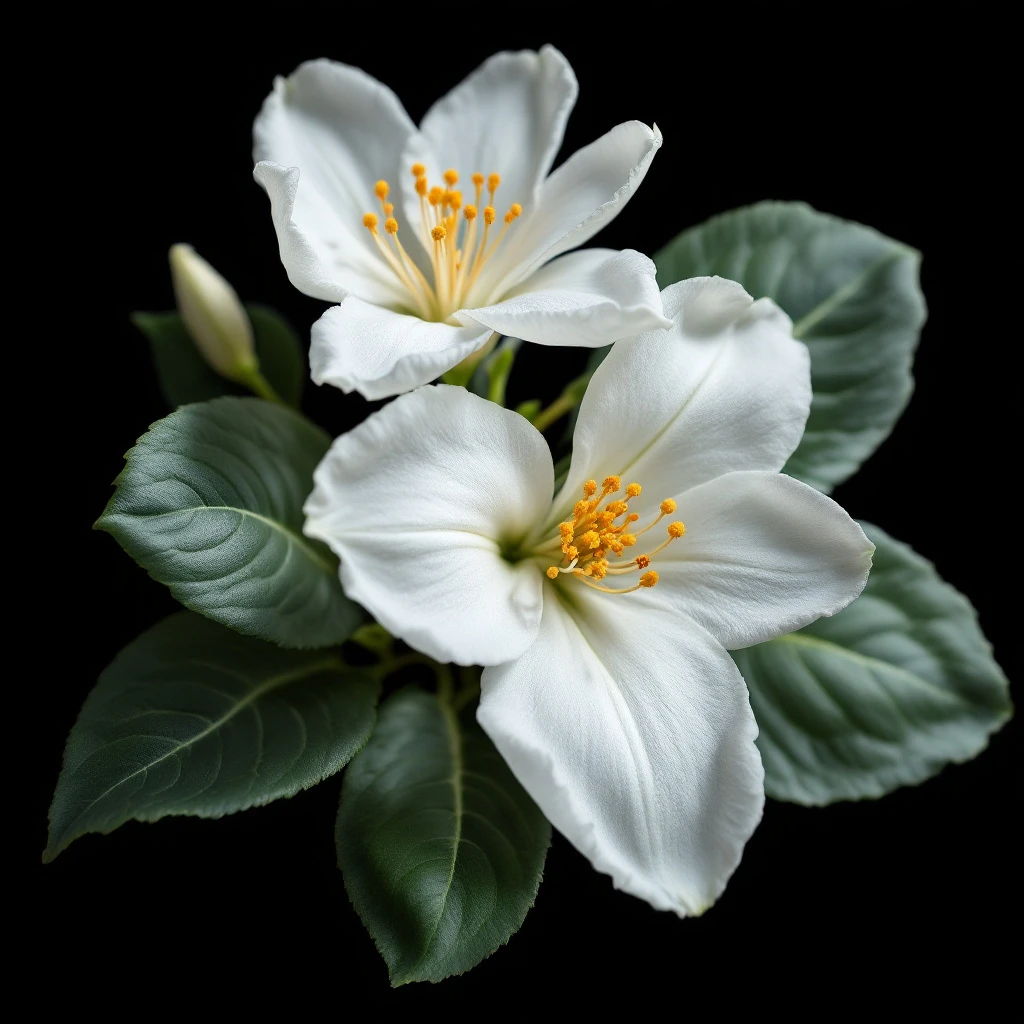
Sicilian jasmine carries the honeyed warmth of Mediterranean summers, its petals yielding an opulent absolute prized across fine perfumery. Grown in the sun-drenched foothills where the Ionian Sea meets ancient groves, this jasmine absolute embodies a richness that synthetic substitutes rarely capture.
Character
How it smells
Mediterranean warmth in liquid form.
During peak harvest in Sicily, pickers gather blossoms before dawn when the flowers hold their fragrance most tightly.



Origin
Italy
Jasmine originated in China's warm valleys, appearing in Chinese noble courts by the Tang dynasty around the seventh century CE. The Arab trade network later spread the flower westward, introducing it to Europe through Spain between the 1550s and 1600s.
Sicily emerged as a prime cultivation zone during the twentieth century's perfume boom. Between the 1930s and 1960s, the island functioned as an open-air fragrance factory, its jasmine fields stretching across regions like Calabria.
Though Grasse in southern France became Europe's perfume capital in the 1850s, Sicilian growers supplied raw material that built countless classic fragrances. Today, despite cultivation shifts toward North Africa and India, Sicily maintains its reputation for producing jasmine absolute of exceptional character.
Wears it best
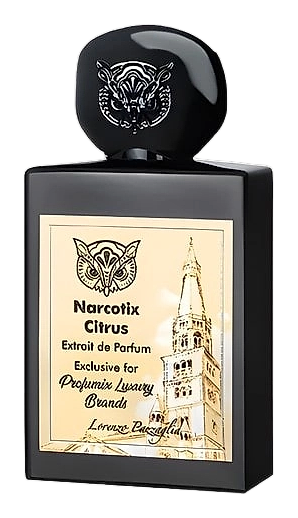
Fragrances featuring Sicilian jasmine
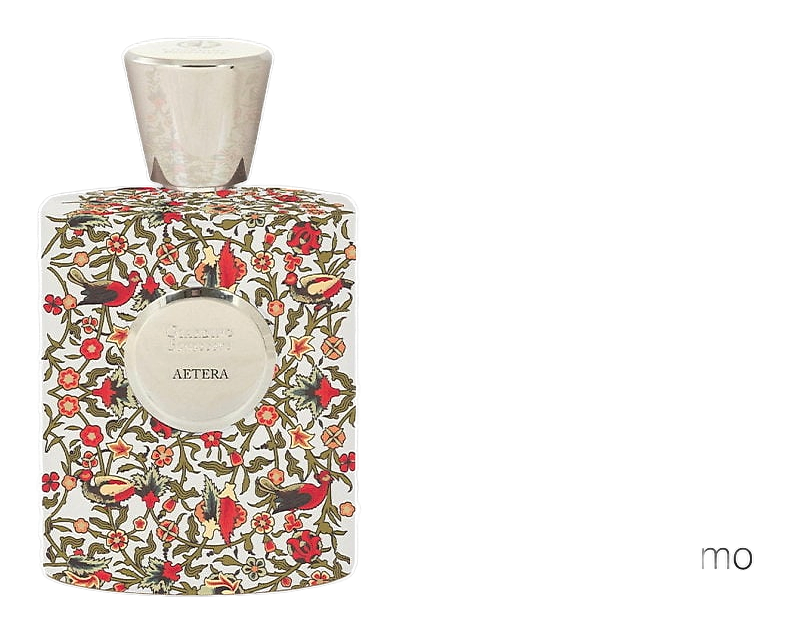
Brands
Brands known for Sicilian jasmine
Good to know
Questions, answered
The essentials on Sicilian jasmine in perfumery: how it smells, where it comes from, and how it behaves on skin.
What does Sicilian jasmine absolute smell like?
Sicilian jasmine absolute presents a rich, warm floral scent with honeyed sweetness and indolic undertones. It captures the flower's characteristic opulence more intensely than diluted forms, offering depth that synthetic aroma chemicals typically lack.
How is jasmine absolute different from jasmine essential oil?
Jasmine absolute undergoes solvent extraction, producing a highly concentrated product with complete aroma profile. Essential oil from steam distillation captures fewer volatile compounds, making absolute the preferred form for fine perfumery applications.
Why is jasmine so expensive in perfumery?
Jasmine requires intensive hand-harvesting—around 1,000 blossoms yield just one gram of absolute. The flowers must be picked at precise morning hours when their fragrance peaks, making mechanization impossible and labor costs substantial.
Why did jasmine cultivation decline in Sicily?
Labor costs and agricultural land pressures reduced Sicilian jasmine production after the 1960s. While the island once rivaled Grasse as a fragrance cultivation center, most absolute now comes from Egypt, India, and Morocco.
What perfumes feature Sicilian jasmine?
Many heritage fragrances from houses with Mediterranean ties reference Sicilian jasmine origins, though modern supply chains often blend materials from multiple regions. The distinctive warm character remains sought after for floral fragrance compositions.
What jasmine species grows in Sicily?
Sicilian jasmine cultivation centers on Jasminum officinale, the common white jasmine species native to warmer Asian regions. This species produces the classic floral, warm aromatic profile most valued in Western perfumery.
Can synthetic jasmine replace natural Sicilian jasmine?
Synthetic jasmine aroma chemicals like hedione exist and offer consistent, affordable alternatives. However, natural jasmine absolute contains hundreds of trace compounds that create the 'living' sensory experience mimics cannot fully replicate.
When is jasmine harvested in Sicily?
Sicilian jasmine harvesting runs from late spring through autumn, with peak season during summer months. Pickers gather flowers in early morning hours before sunrise when blossom fragrance concentration reaches its daily maximum.