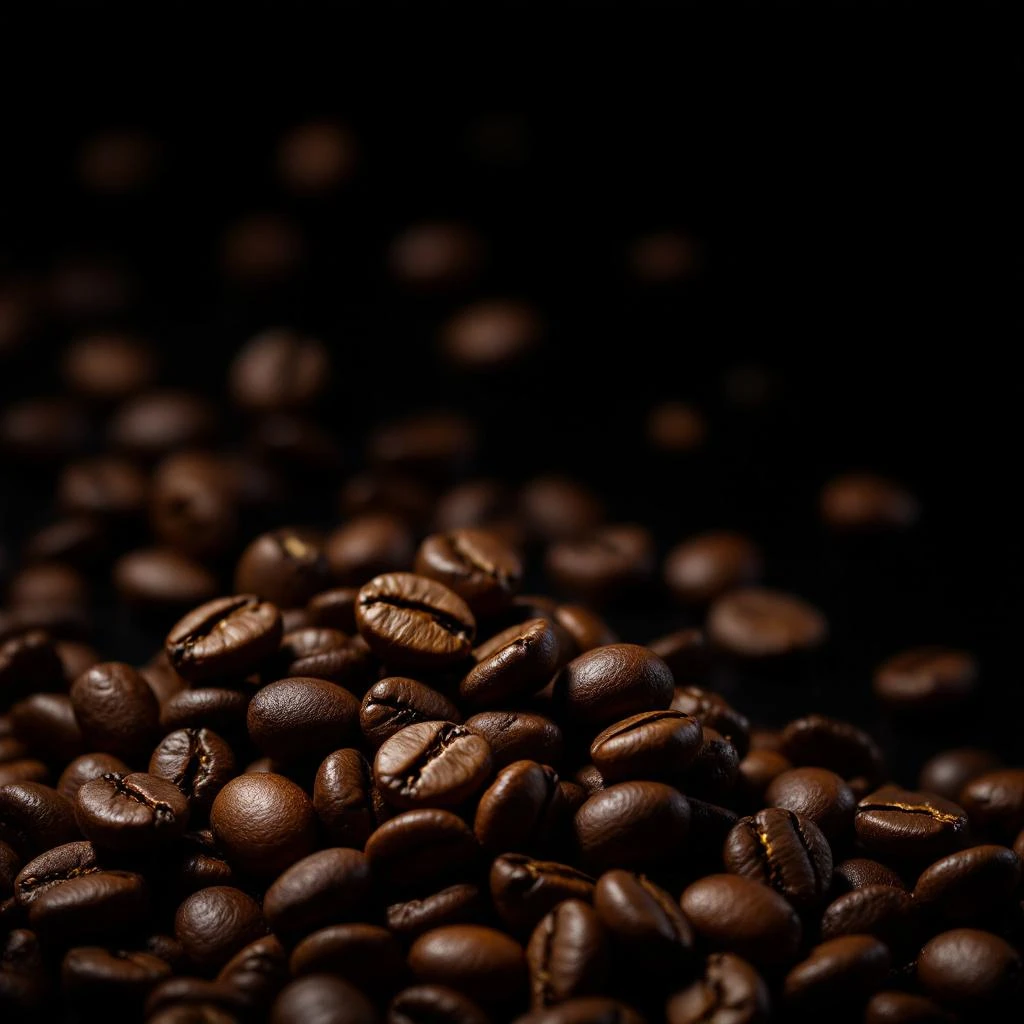
Shortcrust Pastry
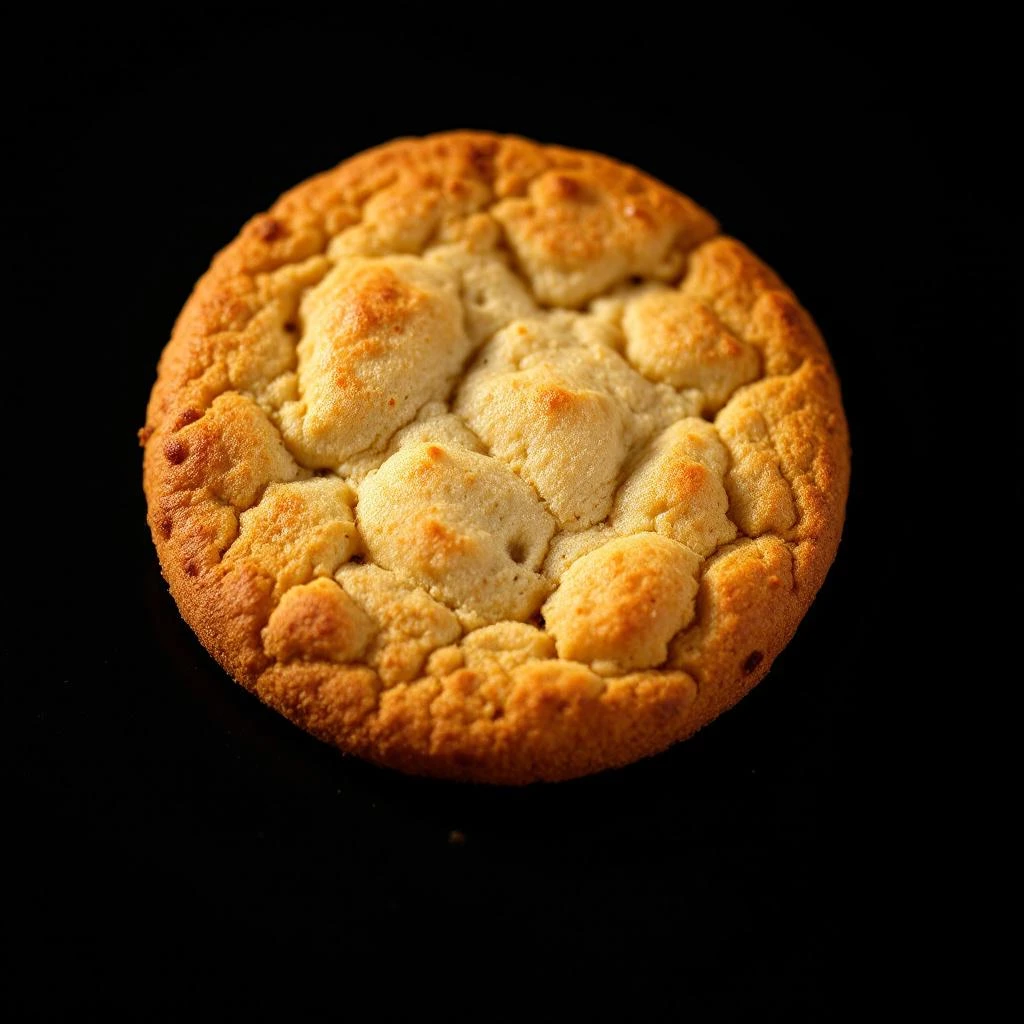
Shortcrust Pastry is a gourmand fragrance accord that captures the warm, buttery aroma of freshly baked pastry. Perfumers combine multiple aromatic ingredients to recreate this comforting culinary scent, evoking the golden, flaky texture of classic European baking.
Character
How it smells
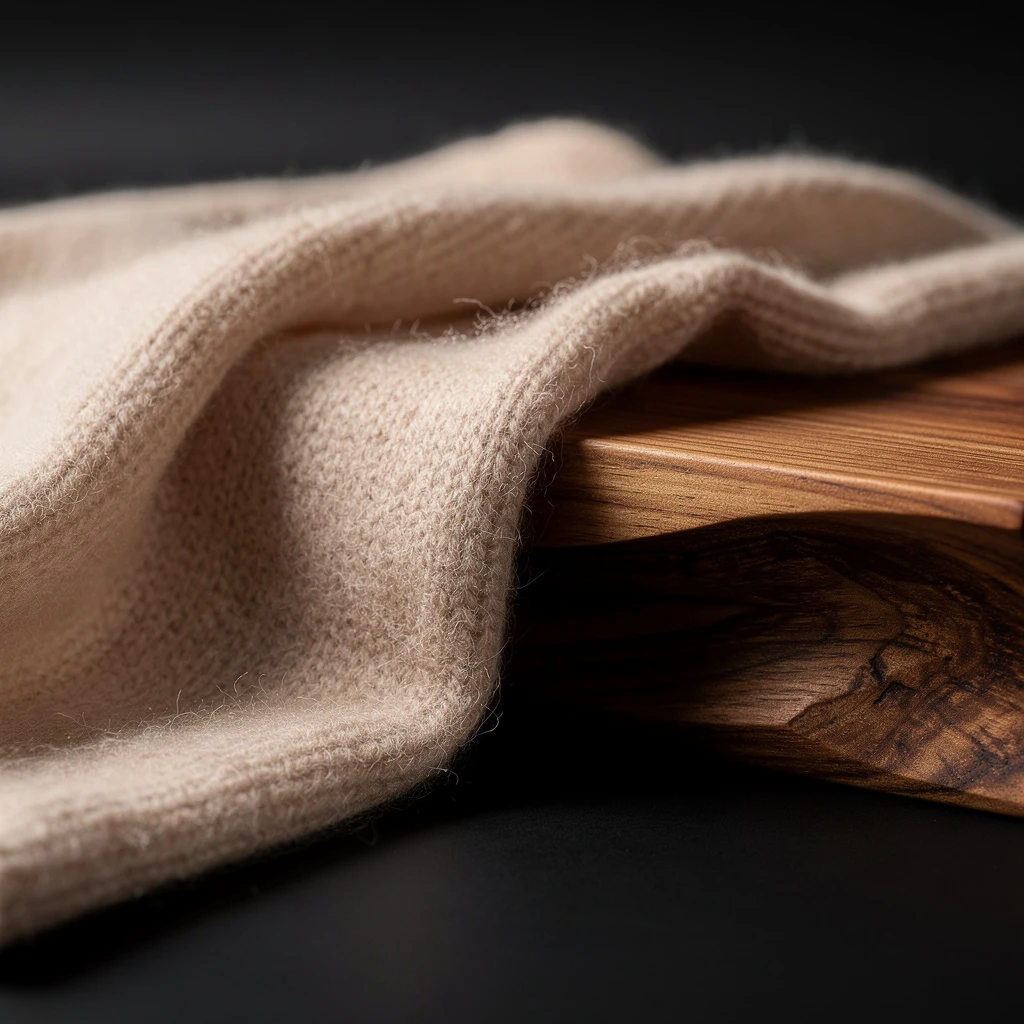
The warm, buttery soul of European patisserie in a bottle.
Master perfumers sometimes spend months perfecting a single pastry accord, layering up to a dozen individual ingredients to achieve the illusion of real baked goods.


Origin
France
The Shortcrust Pastry accord belongs to the broader gourmand fragrance family, which emerged as a distinct category in perfumery during the late 20th century. While perfumers have worked with food-inspired notes since antiquity, the modern gourmand movement gained momentum in the 1980s and 1990s.
The concept of recreating baked goods in fragrance connects to a long tradition of culinary metaphors in perfumery. Shortcrust pastry itself references European baking traditions, particularly French and British patisserie.
These buttery, crumbly bases appear in tart shells, quiches, and pie crusts across continental baking. Perfumers translated this familiar scent memory into an accord that resonates universally, drawing on shared sensory experiences of home baking and patisserie counters.
Wears it best
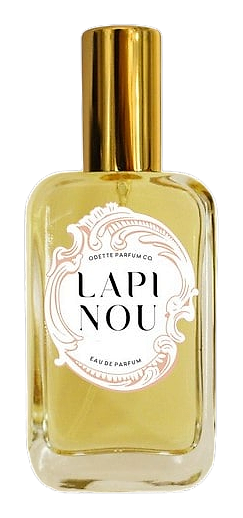
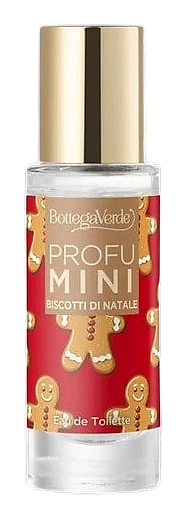
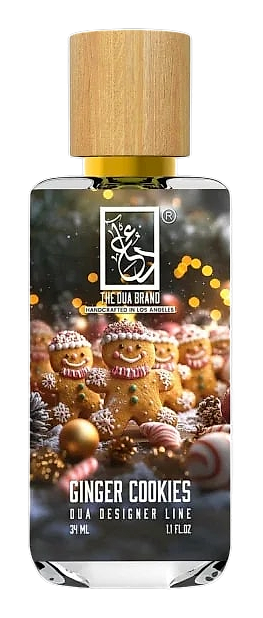
Fragrances featuring Shortcrust Pastry
Brands
Brands known for Shortcrust Pastry
Good to know
Questions, answered
The essentials on Shortcrust Pastry in perfumery: how it smells, where it comes from, and how it behaves on skin.
What creates the buttery character in Shortcrust Pastry fragrance?
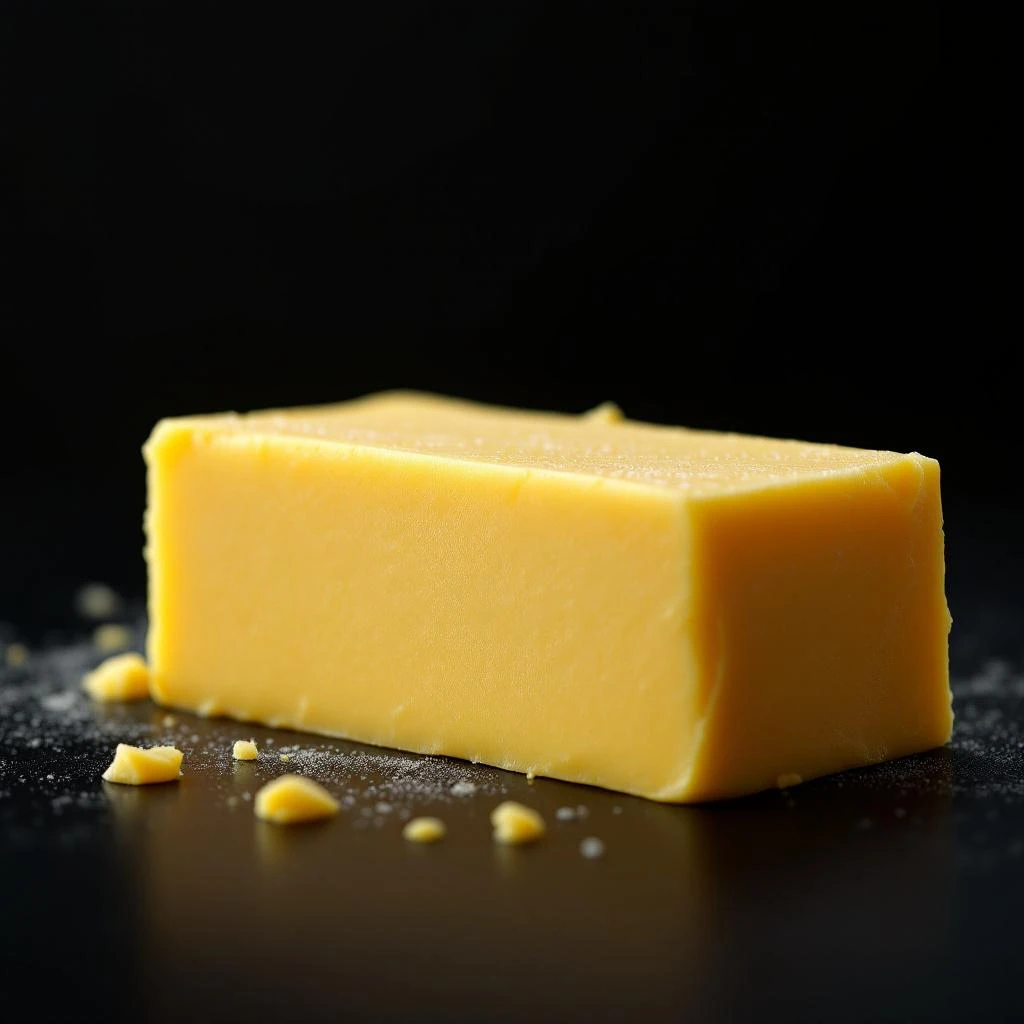
Diacetyl and gamma-undecalactone create the buttery note. Diacetyl occurs naturally in butter, while gamma-undecalactone contributes coconut-fat nuances. These materials blend with vanillin and coumarin to form the complete pastry impression.
Is Shortcrust Pastry a natural or synthetic ingredient?
It is a synthetic accord. No single natural ingredient can replicate the complex aroma of pastry. Perfumers construct this note from multiple aroma chemicals, each contributing a specific aspect of the baked-goods impression.
Which fragrance families commonly use Shortcrust Pastry?
Gourmand and oriental fragrances most frequently feature this accord. It appears in both womenswear and menswear scents, often paired with vanilla, caramel, or woody base notes to extend its warmth.
How long has the pastry note existed in perfumery?
The gourmand category emerged in the 1980s and 1990s, with pastry-specific accords appearing shortly after. Thierry Mugler's Angel in 1992 helped establish the viability of food-inspired fragrance marketing.
Does Shortcrust Pastry smell exactly like real pastry?
It captures the essence rather than a literal reproduction. The accord creates a recognizable impression of buttery, floury baking without attempting to fool the nose into thinking it encounters actual food.
What materials form the foundation of this accord?
Vanillin provides sweetness, coumarin adds hay-bread depth, maltol contributes caramel warmth, and various esters supply fruity undertones. A skilled perfumer balances five to twelve materials to achieve the final accord.
How does Shortcrust Pastry perform in fragrance formulations?
It works best in heart and base positions, providing lasting warmth and comfort. The note performs well in cream and oil bases but may require fixatives to maintain presence in alcohol-based fragrances.
Can Shortcrust Pastry cause allergic reactions?
Individual components may require declaration under IFRA regulations, particularly coumarin and vanillin. Fragrance houses carefully control concentrations to meet safety standards while maintaining olfactory impact.