Shea Nuts
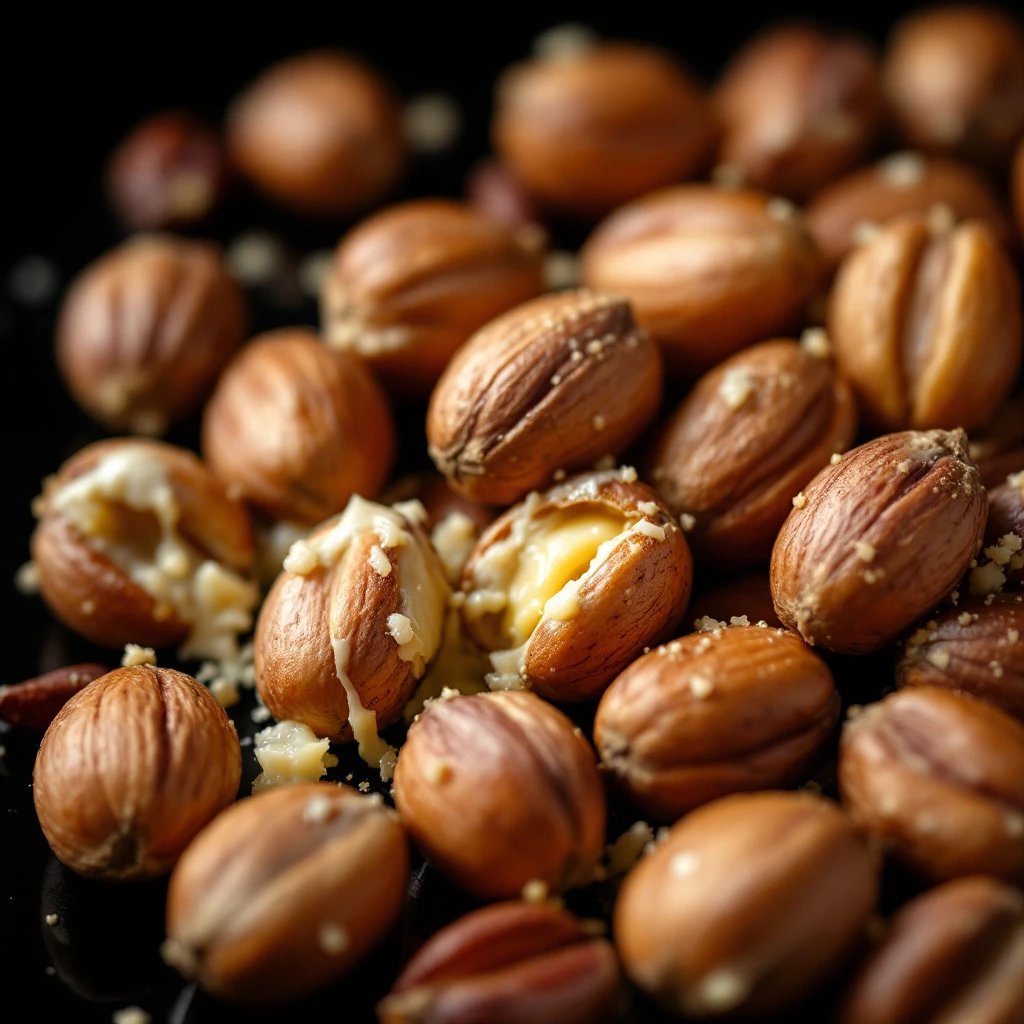
Silk-smooth and softly nutty, shea butter carries a faint warm scent of roasted nuts. Its rich, creamy texture brings quiet comfort to fragrance bases, grounding compositions with a natural, skin-like warmth.
Character
How it smells
The quiet richness of West African shea.
A single shea tree produces nuts for up to 30 years, supporting entire communities across the shea belt of West Africa.



Origin
Ghana
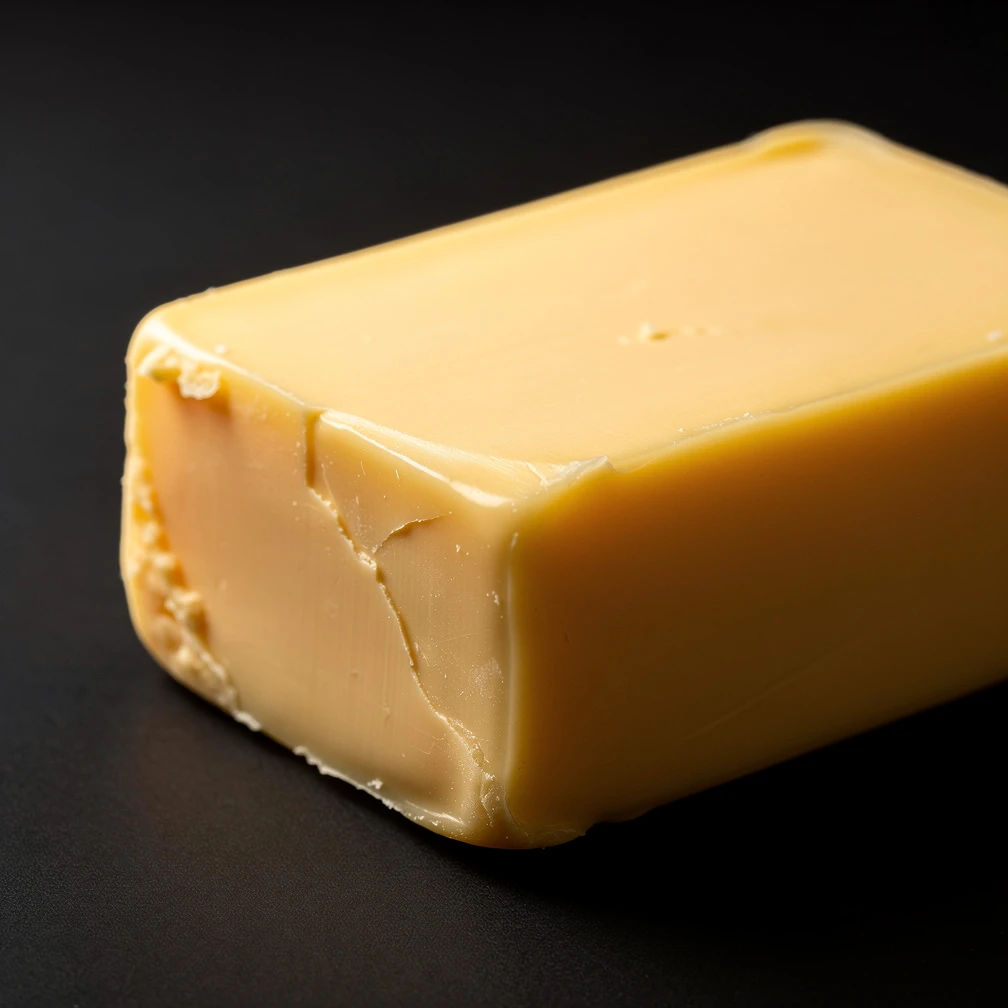
Shea butter has been central to West African life for centuries. Women across the shea belt, stretching from Senegal to Uganda, have harvested and processed shea nuts using traditional methods passed down through generations. The butter serves dual purposes: as a deeply nourishing cosmetic and as a cooking fat.
Its economic importance to women specifically earned it the nickname "women's gold" in Ghana and neighboring countries. Entire cooperative networks developed around shea harvesting, creating sustainable income for rural communities. European traders documented shea butter as early as the 19th century, though the ingredient never lost its cultural roots in West African households.
Today, approximately 85% of commercial shea butter originates from factory extraction, yet traditional cooperatives continue operating in rural areas, preserving both the craft and its community-building legacy.
Wears it best
Fragrances featuring Shea Nuts
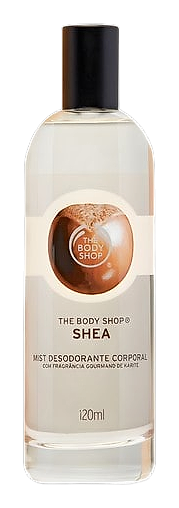
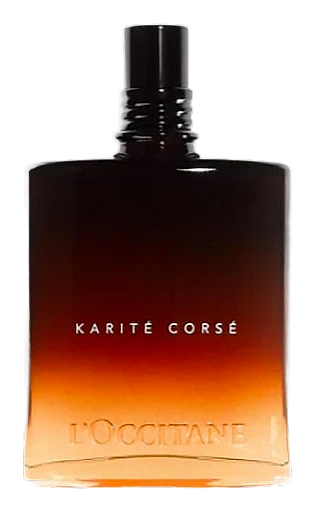
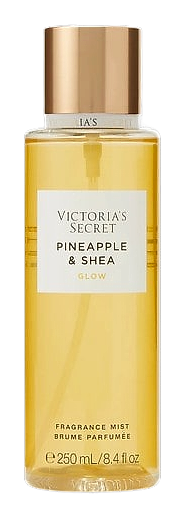

Brands
Brands known for Shea Nuts
Good to know
Questions, answered
The essentials on Shea Nuts in perfumery: how it smells, where it comes from, and how it behaves on skin.
What does shea butter smell like in fragrance?
Raw shea butter carries a subtle, warm aroma reminiscent of roasted nuts with creamy, faintly sweet undertones. Refined versions lose most of this scent, making unrefined shea the preferred choice for perfumers seeking its characteristic warmth.
How does shea butter function in perfume?
Shea butter acts as a fixative and skin-conditioning base note. Its fatty composition helps fragrance adhere to skin while lending a smooth, creamy dry-down that feels close to skin, extending the lifespan of lighter top notes.
Why is shea butter called women's gold?
Shea butter production in West Africa is predominantly handled by women, who harvest and process the nuts through cooperatives. The income supports families and community projects, making the ingredient economically vital enough to earn this nickname across the region.
What is the difference between raw and refined shea butter in perfumery?
Raw shea butter retains more of its natural nutty aroma and beneficial fatty acids. Refined shea butter undergoes filtering and deodorizing, which strips away scent and some properties. Perfumers typically prefer raw or minimally processed varieties.
Which countries produce the best shea butter?
Ghana and Burkina Faso produce some of the most prized shea butter, particularly from their northern regions. The specific climate and soil conditions in the West African shea belt produce nuts with higher concentrations of key fatty acids like oleic and stearic acid.
How long does a shea tree take to produce usable nuts?
A shea tree typically begins producing marketable nuts after 15 to 20 years of growth. Once mature, a single tree can produce nuts for up to 30 years, making it a long-term sustainable resource for producing communities.
Is shea butter used in food as well as cosmetics and fragrance?
Yes. In West Africa, shea butter has been used as a cooking fat for centuries, providing a stable cooking medium rich in fatty acids. Its dual role in cuisine and skin care predates its use in modern perfumery.
Does shea butter cause allergic reactions in perfume?
Pure shea butter is considered low-risk for sensitization. However, as with any ingredient, individuals with specific nut allergies should exercise caution. Refined shea butter may contain solvent residues that rarely cause irritation.