Shampoo
The Shampoo note captures that coveted 'just out of the shower' freshness. Blending aldehydic brightness with soft musks and crisp green undertones, this modern accord delivers the sensation of clean, freshly washed hair in a bottle. Fragrance chemists layer aromatic compounds to recreate that contemporary cleanliness associated with modern bathing rituals.

Character
How it smells
The scent of clean, modern freshness
Shampoo fragrances emerged when mass-market hair care products took off in the 1960s, shaping modern perfumery's concept of cleanliness.







Origin
France
The Shampoo note represents a distinctly modern approach to perfumery that emerged alongside mass-market hair care products in the 20th century. Ancient and classical perfumers never imagined recreating the scent of clean hair as a fragrance goal.
The commercial shampoo industry only began in the late 19th century with the advent of synthetic surfactants, and perfumers soon recognized that consumers associated these products with hygiene and freshness. During the mid-20th century, fragrance houses started developing accords specifically designed to evoke that clean, showered sensation.
By the 1960s and 1970s, these notes became integral to fresh and aquatic fragrance families. Today, Shampoo accords appear across luxury fine fragrances and everyday household products, reflecting how contemporary culture prizes the sensory markers of personal cleanliness.
Wears it best
Fragrances featuring Shampoo
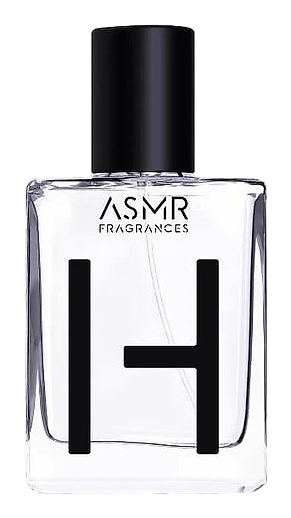
Brands
Brands known for Shampoo
Good to know
Questions, answered
The essentials on Shampoo in perfumery: how it smells, where it comes from, and how it behaves on skin.
What does the Shampoo note smell like?
Shampoo accord smells like clean, freshly washed hair. It combines aldehydic brightness, soft musks, and crisp green notes to create that 'just out of the shower' sensation. The effect is fresh, soft, and subtly soapy.
Is Shampoo an actual natural ingredient?
No. Shampoo is a synthetic accord created by fragrance chemists. It combines multiple aromatic compounds like musks, aldehydes, and green notes to reproduce the scent of commercial hair care products.
What fragrance families use Shampoo notes?
Fresh, aquatic, and modern clean fragrances commonly incorporate Shampoo accords. The note appears frequently in contemporary perfumery as a bridging element that adds freshness and lift to other ingredients.
How long has the Shampoo note existed in perfumery?
Fragrance houses developed Shampoo accords during the 1950s and 1960s when commercial shampoo products became household staples. The concept gained prominence as mass-market hair care shaped cultural associations with cleanliness.
What aromatic compounds make up the Shampoo accord?
Typical Shampoo accords combine polycyclic musks for warmth, aldehydes for sparkle, citrus oils for brightness, and green materials like Galbanum or Violet leaf for that freshly washed quality. The exact composition varies by formulation.
Does Shampoo accord contain actual shampoo ingredients?
No. The accord uses aromatic compounds that simply smell like shampoo. Perfumers select specific musks, aldehydes, and citrus materials to create the impression without any actual hair care ingredients.
What role does Shampoo play in fragrance composition?
Shampoo notes typically function as supporting elements rather than focal points. They add freshness, lift heavier base notes, and create an impression of cleanliness that enhances the overall fragrance experience.
Can Shampoo accord be used in natural perfumery?
Natural perfumery cannot perfectly replicate Shampoo accord since its primary components are synthetic musks and aldehydes. Some natural materials like certain citrus absolutes provide fresh elements, but the characteristic clean effect relies largely on lab-created compounds.