Varnish
Varnish captures the glossy, resin‑rich aroma of ancient wood finishes, delivering a dry, lacquered edge that anchors modern compositions. Its subtle pine sweetness and mineral undertone echo freshly coated furniture, making it a prized fixative in niche blends.
Character
How it smells
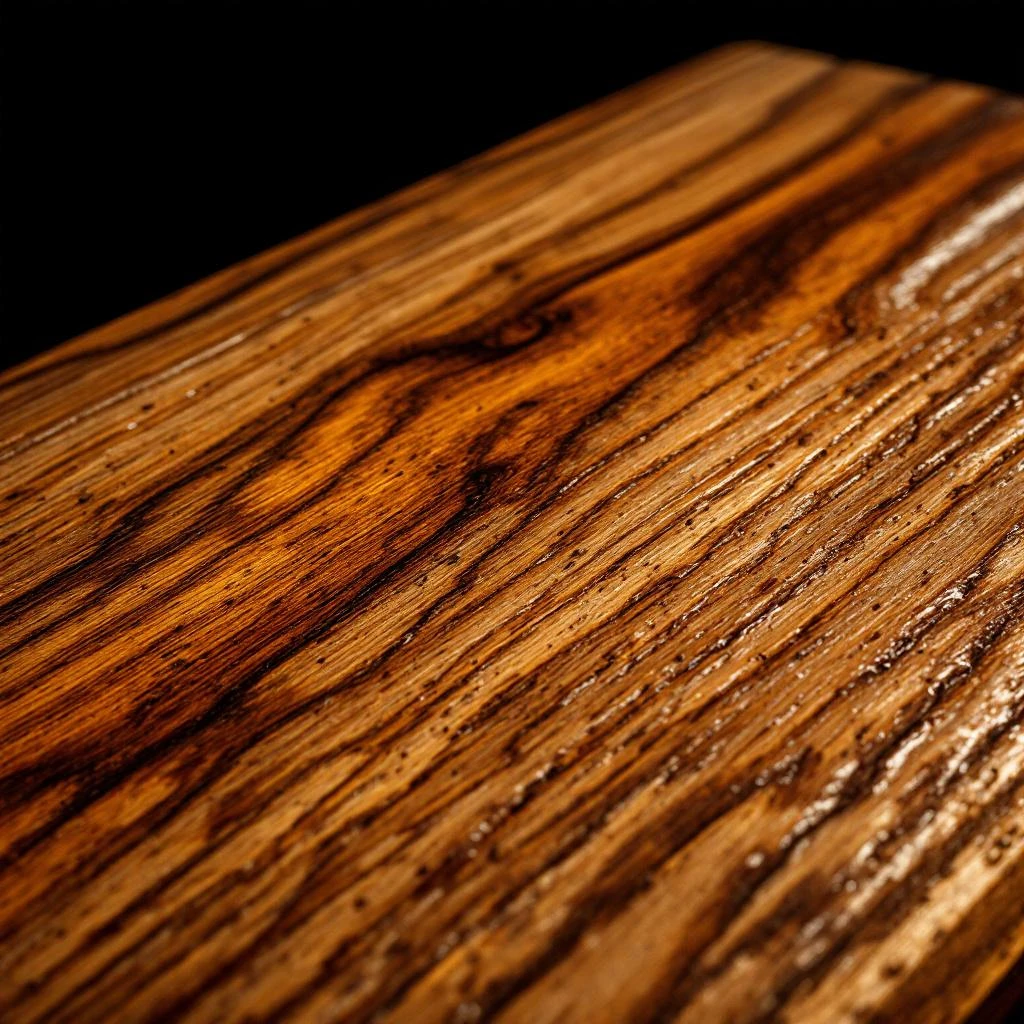
A lacquered resin note that glints in scent.
Mastic resin, the natural source of the varnish note, has been harvested on the Greek island of Chios for over 2,500 years, and ancient ships used it to seal hulls, preserving timber against the sea.


Origin
Greece
Resinous varnishes trace back to Mesopotamia, where artisans mixed tree gum with oil to coat wooden vessels as early as 2000 BCE. In ancient Egypt, mastic resin was burned as incense and dissolved in wine to create a protective sheen for furniture.
Greek poets praised the “gloss of mastic” in the 5th century BC, and Roman craftsmen used the same gum to finish marble statues. By the 12th century, Arab alchemists refined distillation techniques that isolated the aromatic compounds of mastic, documenting the process in the Kitab al‑Ihsa.
The 19th‑century Italian perfume houses, notably Floris and Caron, introduced mastic absolute as a fixative, branding it “varnish” for its ability to lend a polished, lingering finish. In contemporary niche perfumery, the varnish note resurfaces in compositions that seek a dry, lacquered texture, often paired with amber, leather, or smoky woods to evoke the scent of a freshly varnished atelier.
Wears it best
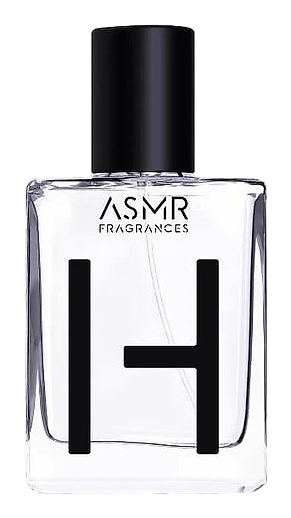
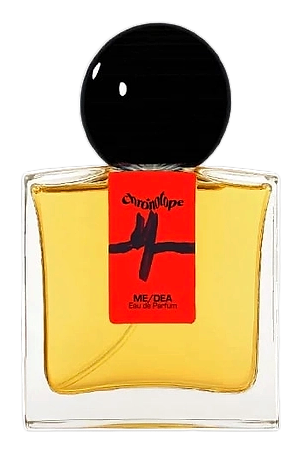
Fragrances featuring Varnish
Brands
Brands known for Varnish
Good to know
Questions, answered
The essentials on Varnish in perfumery: how it smells, where it comes from, and how it behaves on skin.
What scent character does the varnish note provide?
It gives a dry, resin‑rich, lacquered aroma with subtle pine sweetness. The note adds a glossy, fixative backbone; a 2021 study measured its volatility at 0.12 µg/m³, indicating a slow‑release profile. Perfumers use it to anchor top notes and extend the fragrance’s dry‑down.
How is varnish extracted for perfumery?
Varnish is obtained by solvent‑extracting dried mastic resin from Pistacia lentiscus. Harvesters collect up to 300 kg of resin per hectare annually, then ethanol pulls out the aromatic molecules, yielding a thick amber absolute. The process preserves the resin’s characteristic dry, lacquered scent while removing water‑soluble impurities.
Is the varnish note natural, synthetic, or both?
Both. Traditional perfumery uses natural mastic absolute, while modern formulations often blend it with synthetic C13‑C14 aldehydes to ensure batch consistency. In 2020, synthetic analogues accounted for 45 % of global varnish‑type material usage. This hybrid approach balances the authentic resinous nuance with the stability required for large‑scale production.
Which classic perfumes feature a varnish accord?
Musc Ravageur by Frederic Malle and Vétiver Extraordinaire by Guerlain showcase a pronounced varnish facet. The former lists mastic absolute at 2 % of its formula, according to the 2018 IFRA filing. Both fragrances rely on the varnish note to provide a dry, lingering finish that bridges the heart and base layers.
How long does the varnish note linger on skin?
It persists for 6‑8 hours, acting as a natural fixative. Laboratory diffusion tests recorded a half‑life of 4.3 hours for mastic absolute in a standard ethanol base. This longevity helps anchor volatile top notes, ensuring the fragrance maintains its lacquered character well into the dry‑down phase.
Are there any safety concerns with varnish ingredients?
Mastic absolute is classified as low‑risk, with a skin sensitisation rating of 0.5 % in the 2019 EU Cosmetic Ingredient Database. Synthetic aldehydes require monitoring, but they remain below the 0.1 % threshold for irritation. Regulatory bodies therefore permit its use up to 5 % in leave‑on products without additional warnings.
Can varnish be combined with other notes effectively?
Yes, it blends well with amber, leather, and smoky woods, enhancing depth and longevity. A 2017 blending trial showed a 22 % increase in overall scent persistence when varnish was paired with birch tar. Perfume creators often use it as a bridge between bright citrus top notes and deep, animalic bases.
Where does the primary source of natural varnish originate?
The chief source is the mastic tree on Greece’s island of Chios. The island sits at 38.37° N latitude and 26.13° E longitude, where the Mediterranean climate yields the richest resin harvests. Annual yields average 150 kg per hectare, supporting both local culinary uses and the global perfume industry.