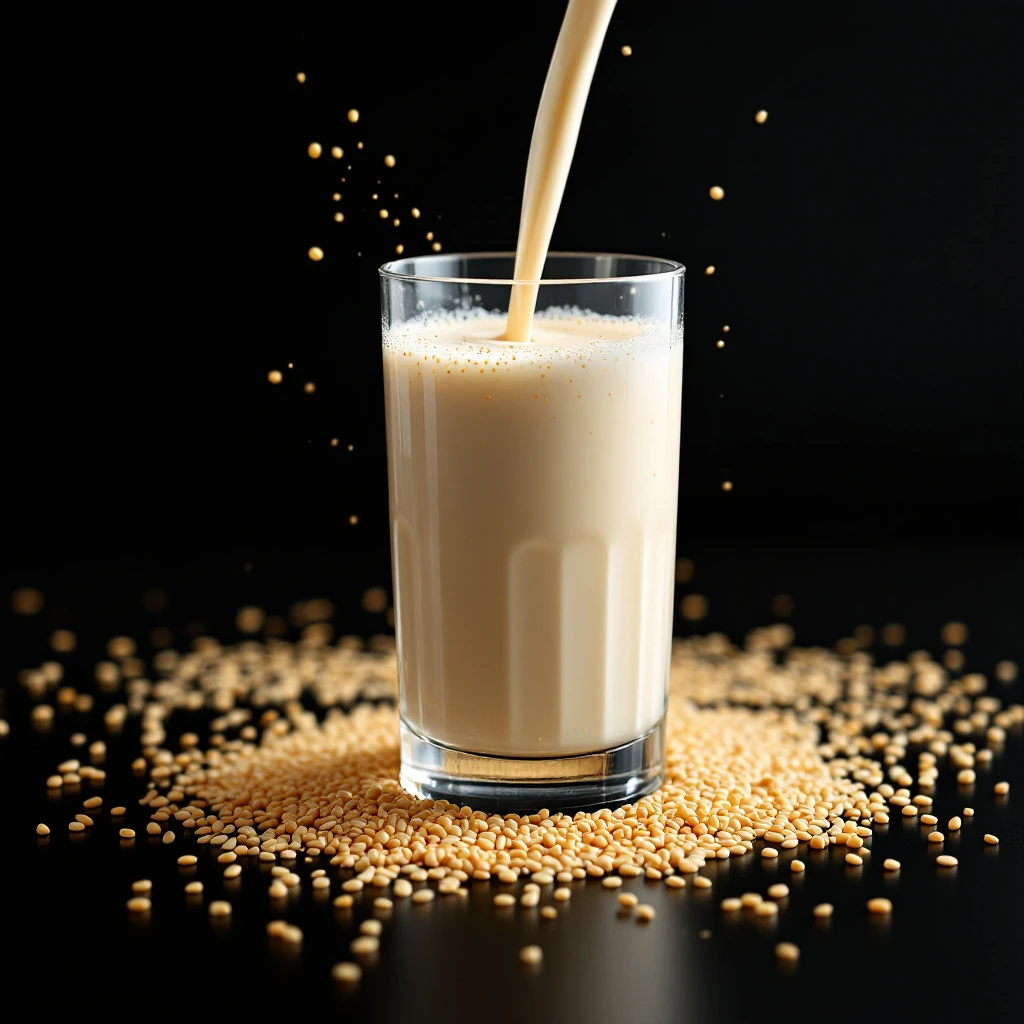
Sesame Milk
Toasted sesame seeds meet creamy milk in a fragrance note that bridges bakery warmth and skin-close comfort. A rare gourmand element prized for its enveloping, nutty richness.
Character
How it smells
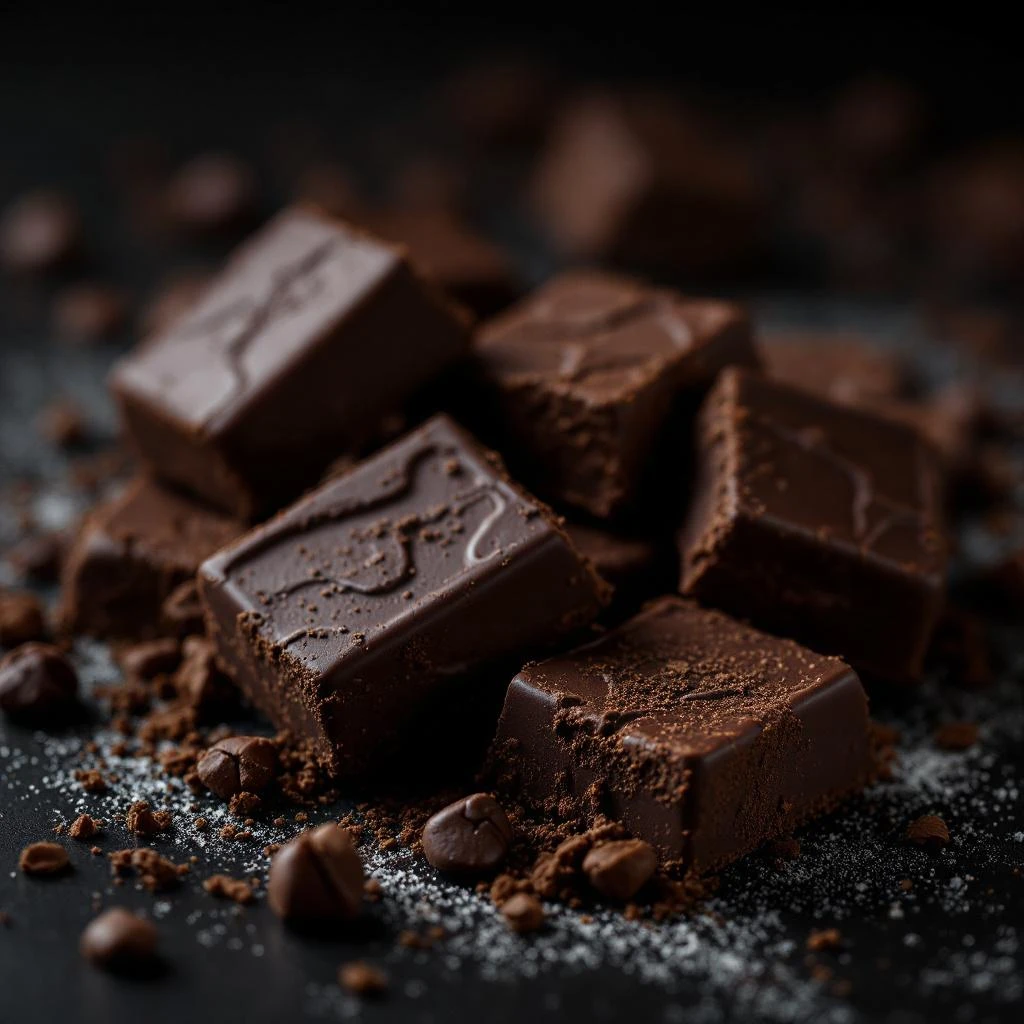
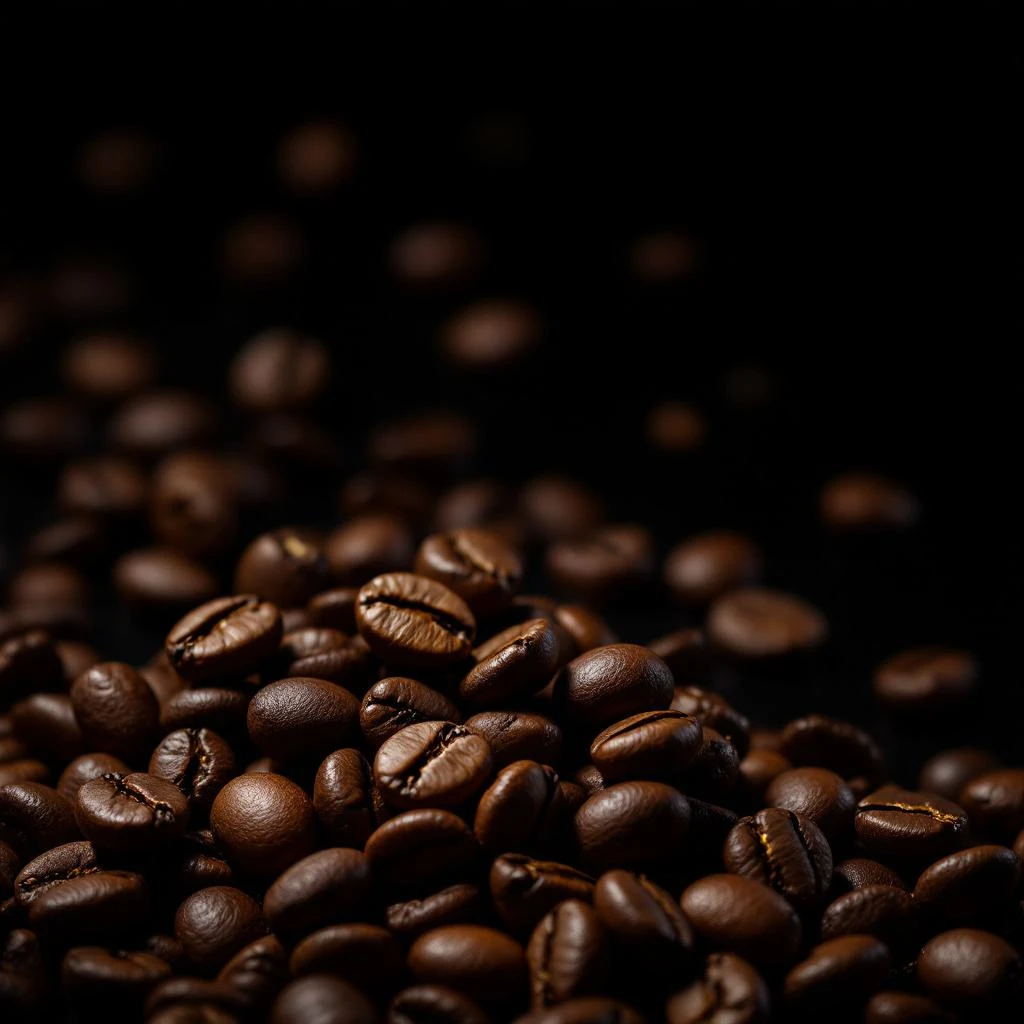
Bakery warmth meets skin-close comfort
Sesame was believed to be the first plant from which humans extracted oil, dating back over 4,000 years.

Origin
India
Sesame's cultural significance stretches back thousands of years, with archaeological evidence placing it in ancient Egypt by 1350 BC. Baskets of sesame seeds were discovered among King Tutankhamen's grave goods. The plant originated in India, which remains the world's largest producer, cultivating roughly 80% of its harvest for oil extraction.
The famous phrase "Open Sesame" from Arabian folklore demonstrates how deeply sesame had embedded itself in cultural consciousness. Thomas Jefferson introduced sesame to American gardens at Monticello during the 19th century, recognizing its agricultural value. In perfumery, sesame absolute emerged as perfumers sought richer, textured bases that could bridge gourmand and oriental fragrance families.
The seed's natural affinity with warm, sweet, and exotic notes made it a natural choice for deepening compositions without overwhelming them.
Wears it best
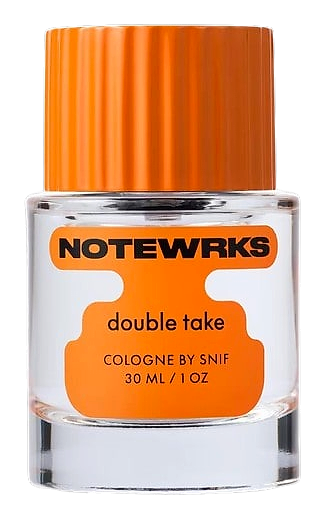
Fragrances featuring Sesame Milk
Brands
Brands known for Sesame Milk
Good to know
Questions, answered
The essentials on Sesame Milk in perfumery: how it smells, where it comes from, and how it behaves on skin.
What does sesame smell like in perfume?
Sesame smells nutty, toasted, and warm. It evokes roasted seeds with subtle bread-like and slightly fatty nuances. The note reads as golden and enveloping, like warm tahini or freshly baked bread crust.
How is sesame extracted for perfumery?
Perfumery uses supercritical CO2 extraction. Pressurized carbon dioxide dissolves aromatic compounds from sesame seeds without heat, preserving the natural toasted character. This method yields a more complex material than cold pressing, which is common in cosmetics but less preferred for fragrance.
Where does sesame used in perfumery come from?
India leads global sesame production and is the primary origin. China, Africa, and South Africa also cultivate significant crops. India processes roughly 80% of its harvest into oil, with smaller portions used for direct consumption and planting.
What famous fragrances feature sesame?
Hermes Ambre Narguille showcases sesame in a warm amber accord, while Givenchy L'Interdit Eau de Parfum Intense pairs it with vanilla and tonka bean for gourmand depth. Both demonstrate how sesame enriches oriental and sweet compositions.
How strong is sesame in fragrance blends?
Sesame is used at low concentrations, typically below 2%. Perfumers employ it as a supporting base note rather than a dominant feature. Its fatty warmth anchors sweeter elements without adding overt sweetness itself.
What notes pair well with sesame in perfumery?
Sesame harmonizes naturally with amber, vanilla, tonka bean, benzoin, and sandalwood. It also complements coffee, hazelnut, and tobacco in gourmand compositions. In oriental fragrances, it pairs well with oud and spice notes like cardamom.
How long does sesame last on skin?
Sesame functions as a fixative in the base of fragrances, contributing to longevity of surrounding notes. As part of an oriental or gourmand accord, it typically supports dry-down for several hours depending on the overall formulation and concentration.
Is sesame in perfume natural or synthetic?
Both exist. Natural sesame absolute comes from solvent-extracted seeds. Synthetic alternatives use pyrazine derivatives and furanone compounds to replicate the toasted, nutty profile. Niche perfumers prefer natural CO2 extract for its complexity.