Sassafras
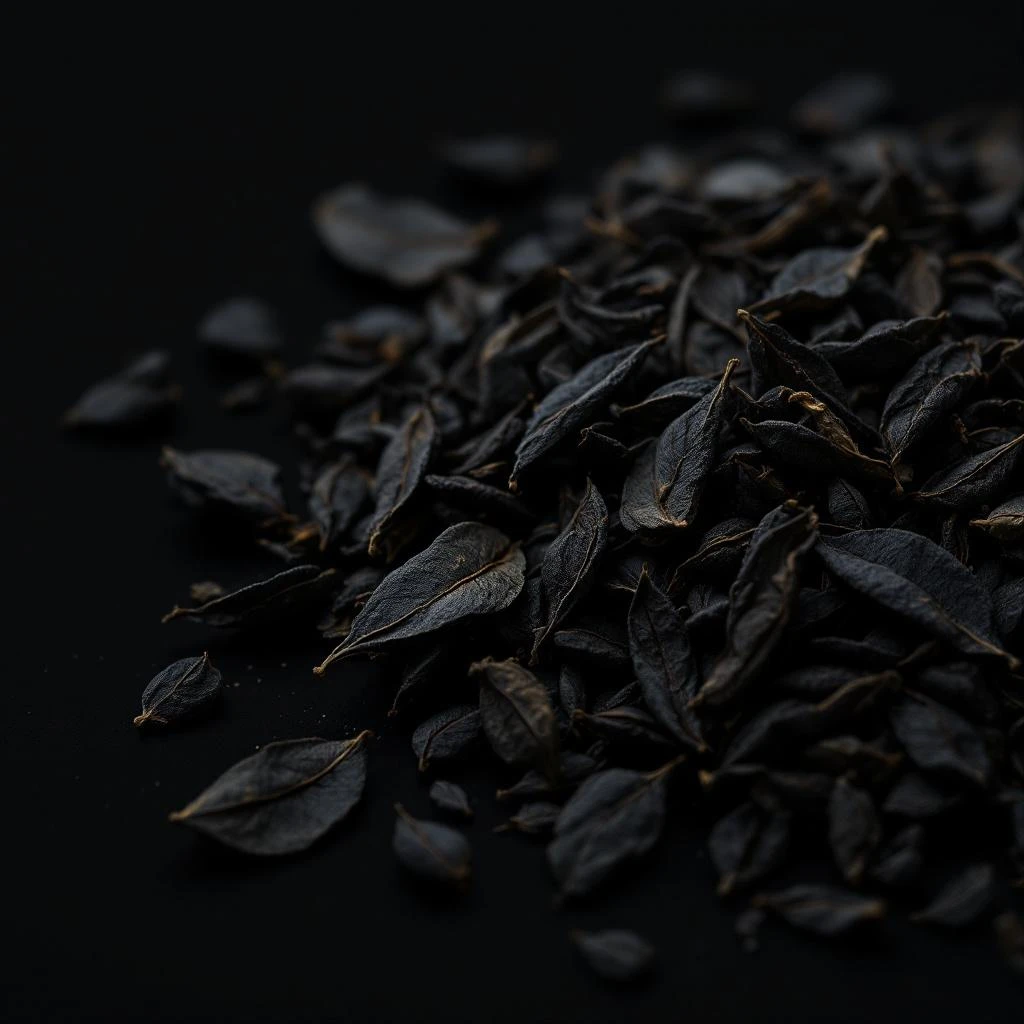
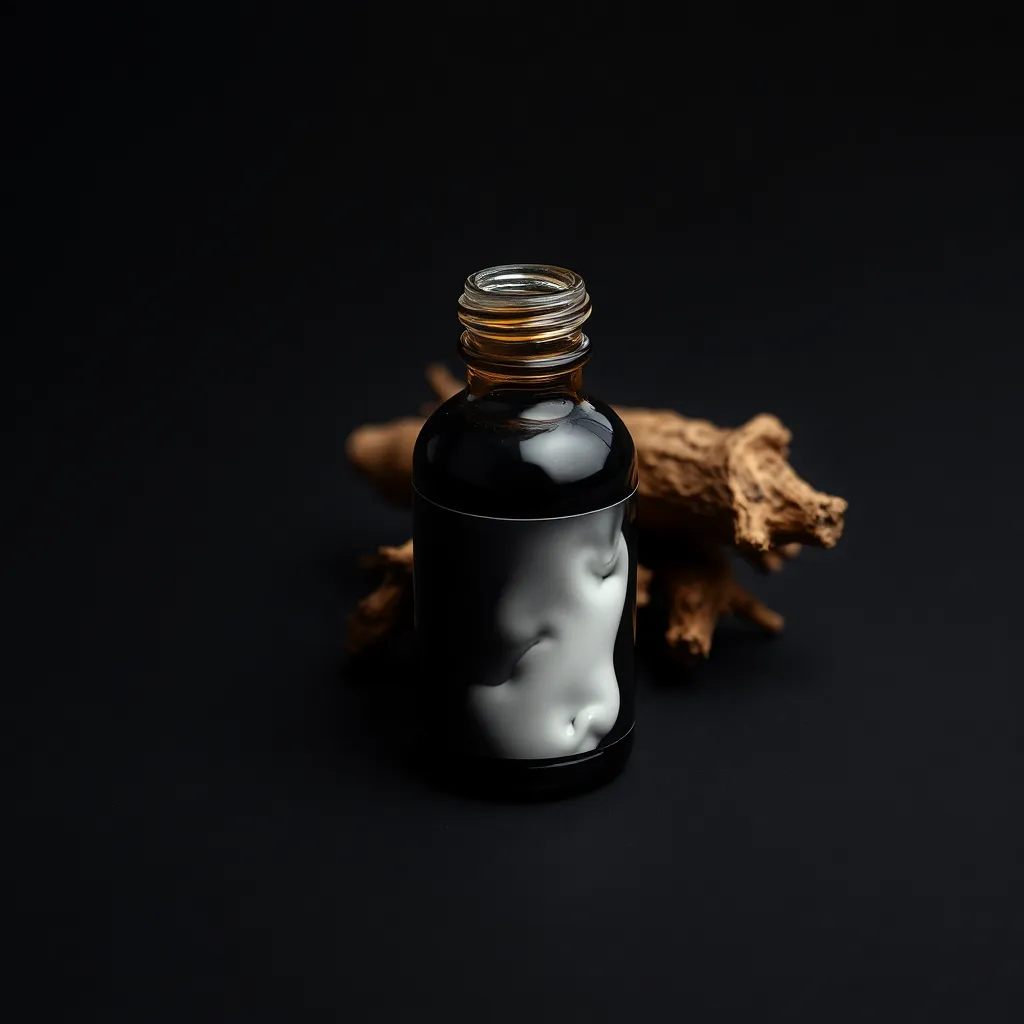
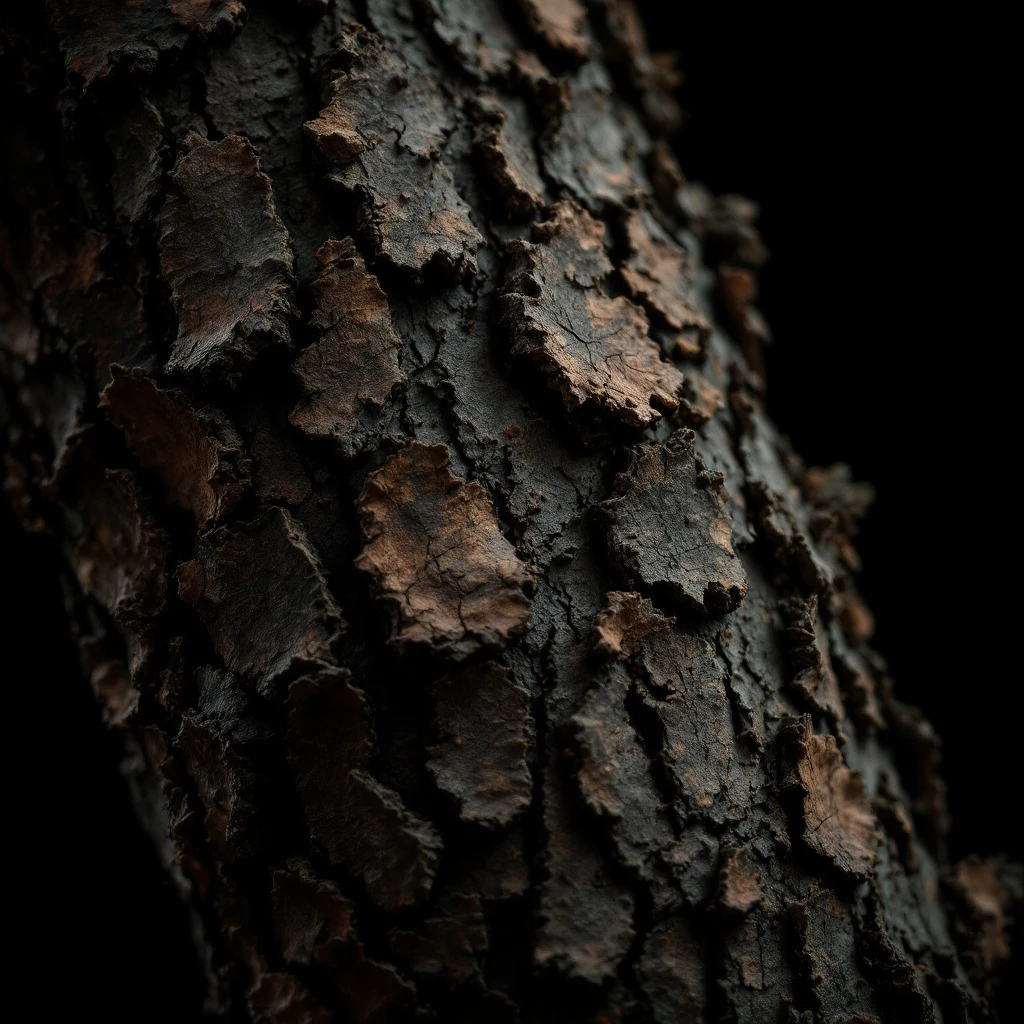
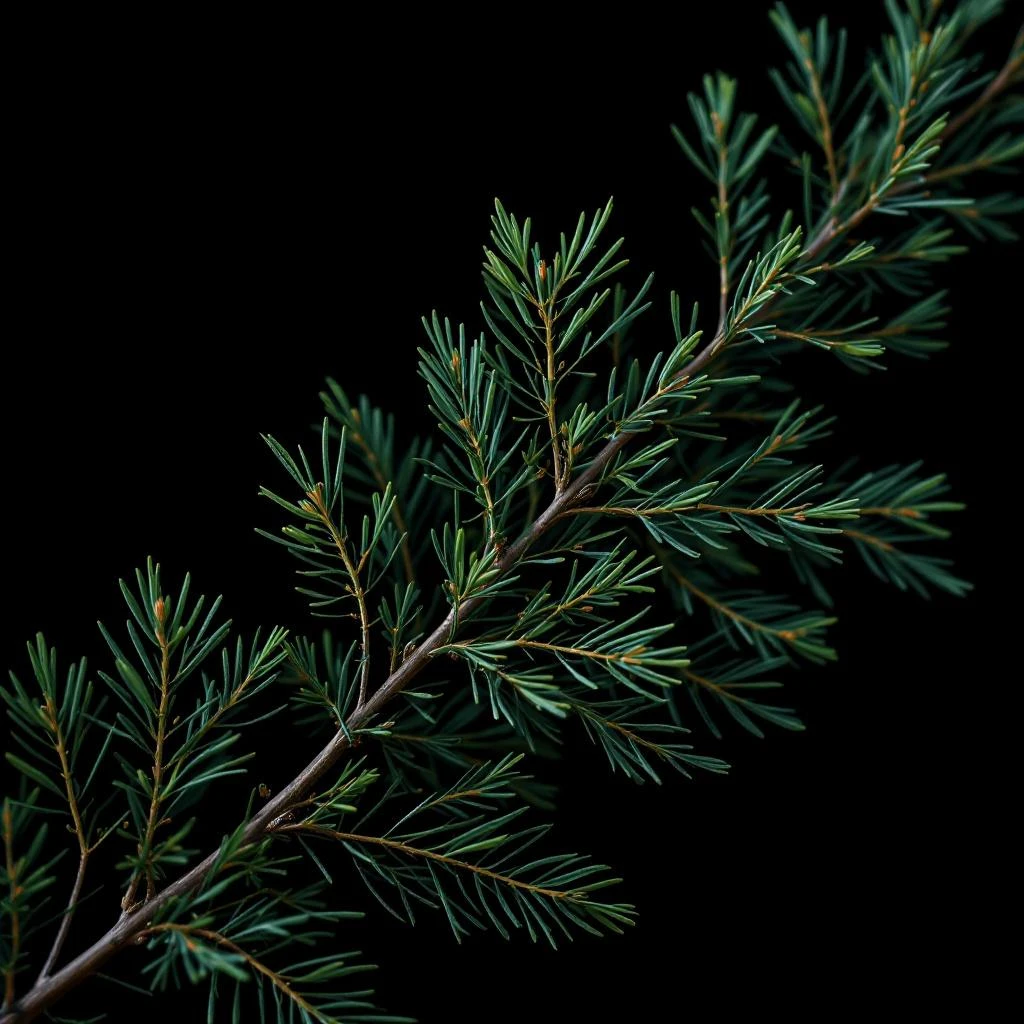
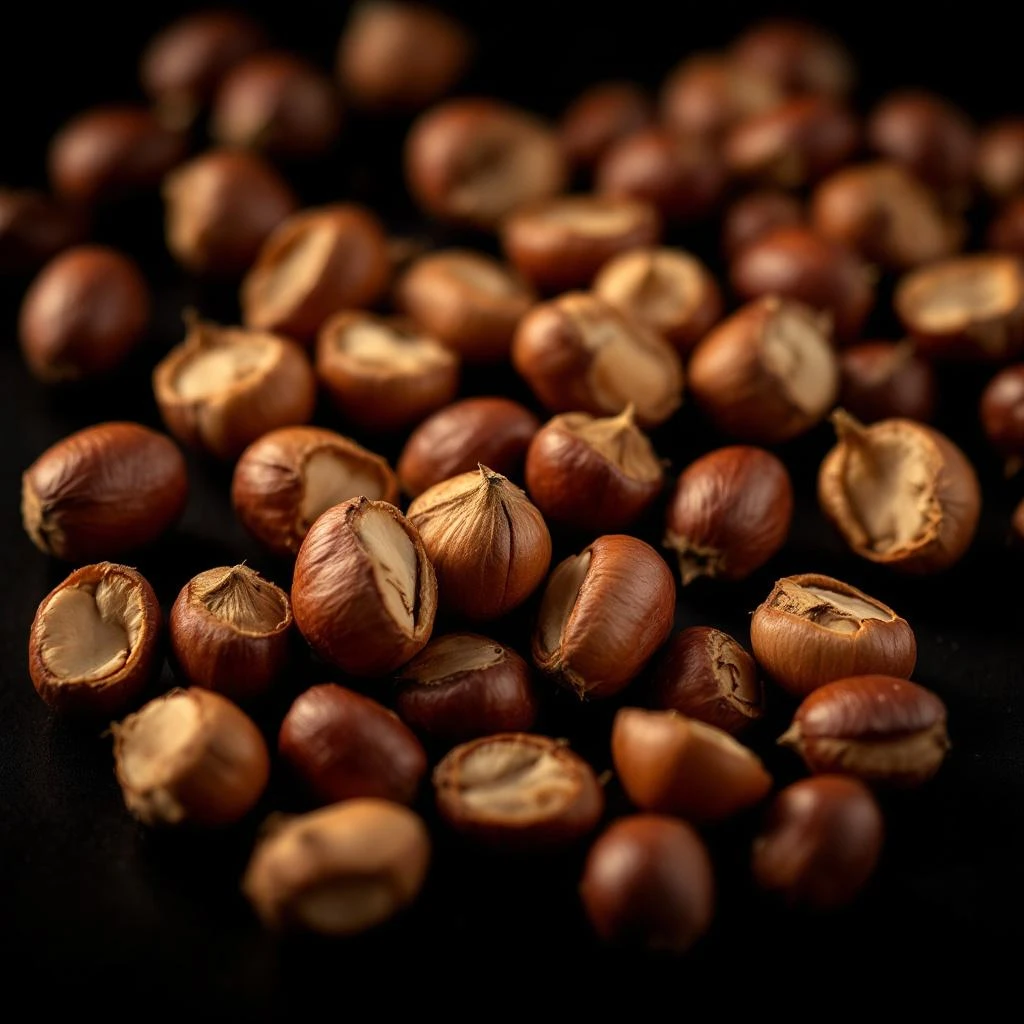
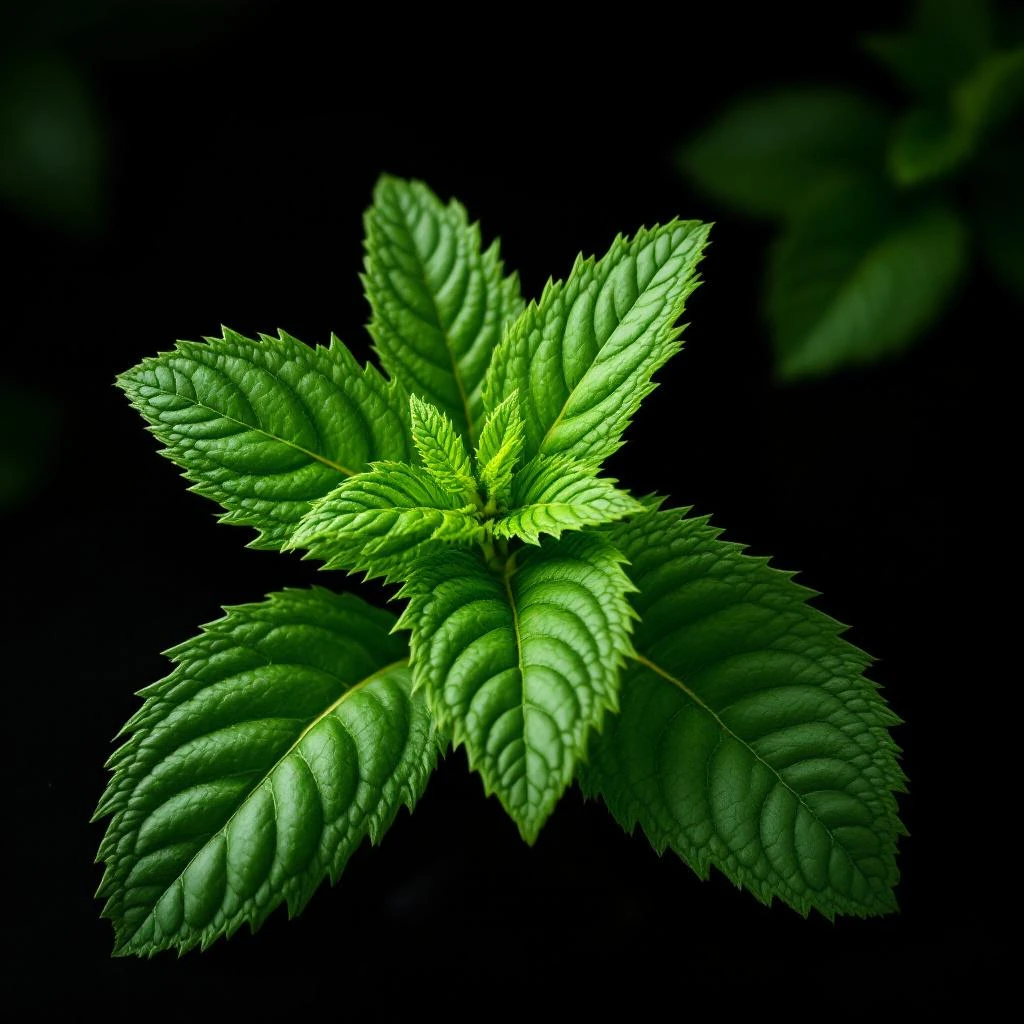
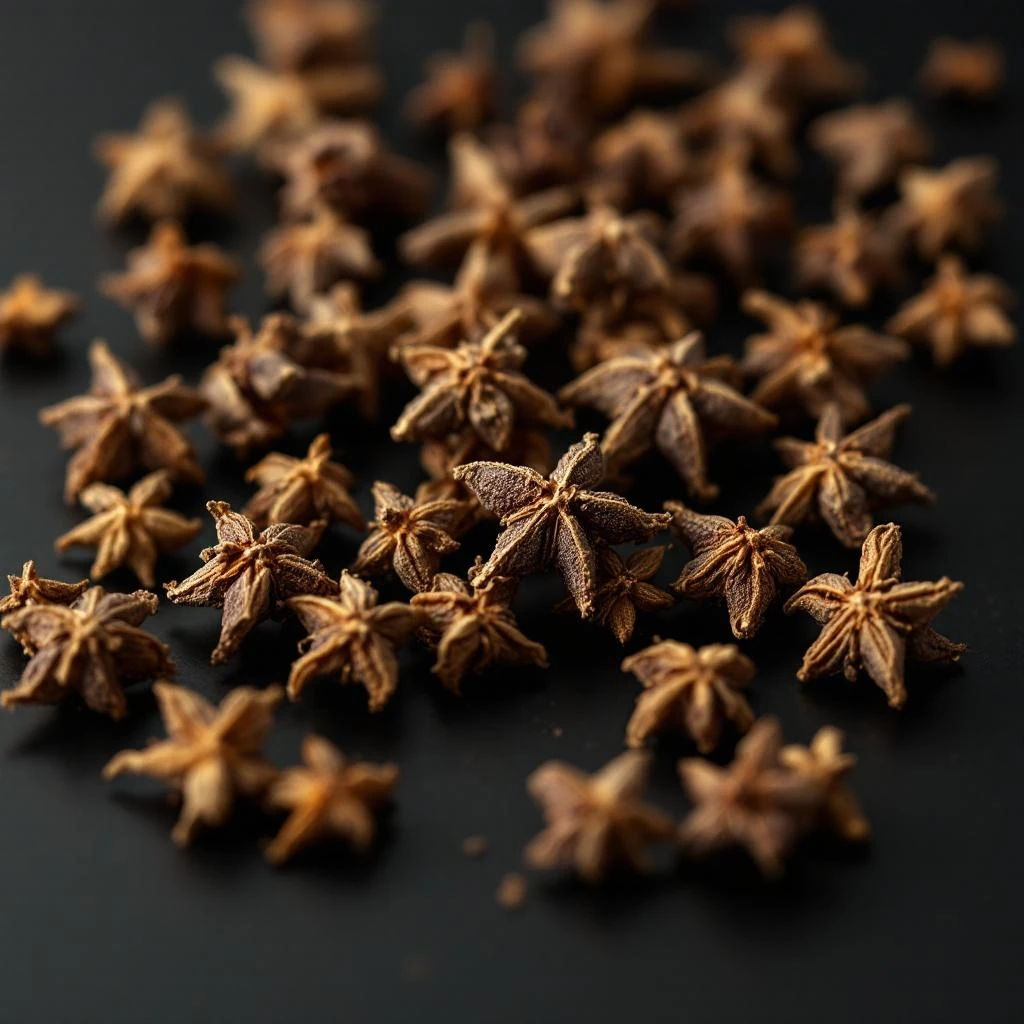
Aromatic root bark from the sassafras tree, prized in perfumery for its warm, spicy-camphoraceous character. Contains safrole, a compound that lends a distinctly medicinal, almost root-beer-like sweetness to fragrance compositions.
Character
How it smells
Root bark warmth with a camphorated soul.
Sassafras root is the original flavoring for root beer. Early American settlers used sassafras tea as both medicine and a spring tonic.

Origin
United States
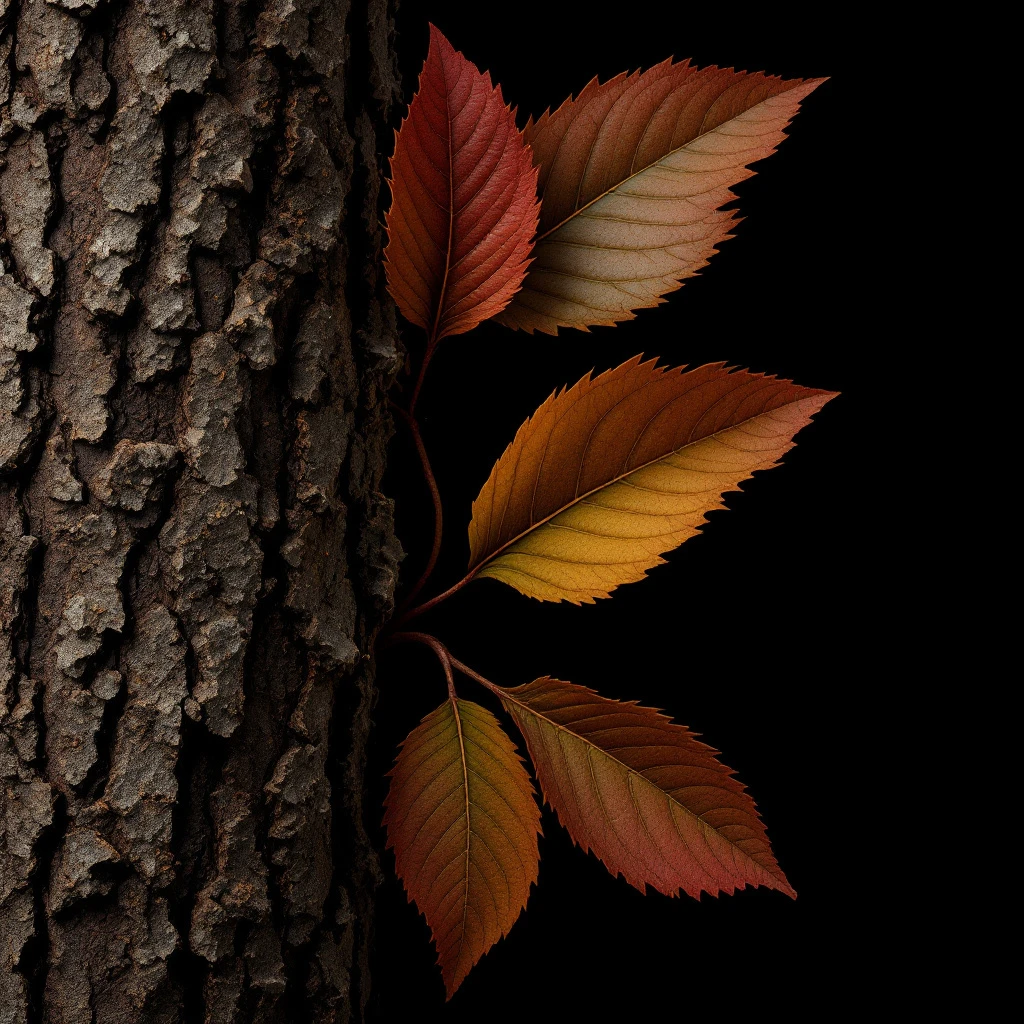
Indigenous peoples of eastern North America introduced sassafras to European colonists, who rapidly adopted it as a medicinal cure-all. Spanish explorer Hernando de Soto documented sassafras in 1540. By the 1600s, the bark was a major colonial export to Europe, where it entered early pharmaceutical and perfumery circles.
American folk medicine relied heavily on sassafras tea for colds and fever. The root found its most beloved culinary role as the flavoring for traditional root beer, a beverage invented in the early American republic. In perfumery, sassafras oil appeared in bar soaps and masculine fragrances throughout the 19th and early 20th centuries, valued for its fresh, medicinal warmth.
Regulatory scrutiny of safrole beginning in the 1970s shifted its use away from mass-market products and into niche natural perfumery.
Wears it best
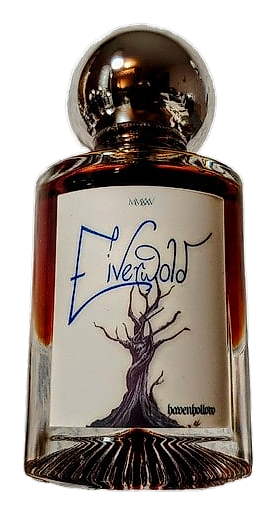
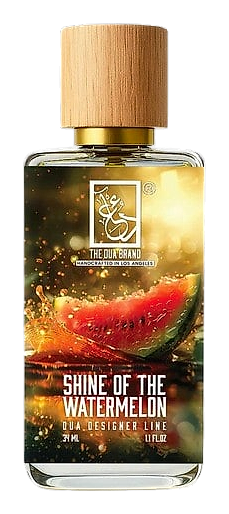
Fragrances featuring Sassafras
Brands
Brands known for Sassafras
Good to know
Questions, answered
The essentials on Sassafras in perfumery: how it smells, where it comes from, and how it behaves on skin.
Is sassafras used in modern perfumery?
Yes, but sparingly. Natural sassafras oil appears in niche and natural perfumery due to regulatory limits on safrole content. Synthetic aromatic substitutes more commonly replicate its warm, camphoraceous character in commercial fragrances.
What does sassafras smell like?
Sassafras presents a warm, spicy-camphoraceous aroma with sweet, medicinal undertones. Many compare it to root beer or wintergreen due to its distinctive sweet-spice profile.
Why is sassafras restricted in some products?
Safrole, its primary aromatic compound, has been classified as a potential carcinogen. Organizations including the FDA have restricted its use in food and beverages, though topical cosmetic use follows separate, more limited regulations.
What is the difference between sassafras and safrole?
Safrole is the primary aromatic compound isolated from sassafras root bark oil. Sassafras oil is the whole natural extract; safrole is the concentrated component that defines its scent profile and drives regulatory concern.
Which fragrance families use sassafras?
Sassafras appears in fougère, chypre, and masculine aromatic compositions. It pairs well with oakmoss, lavender, coumarin, and warm spice notes to build complex, traditional fragrance structures.
Is sassafras safe in perfume?
When properly diluted and used within regulatory limits, sassafras oil is considered safe for topical application in perfume at trace levels. Professional perfumers follow IFRA guidelines to ensure consumer safety.
Where does commercial sassafras oil come from?
The primary source is Sassafras albidum, native to eastern North America. Brazil and East Asian species containing related safrole compounds also supply the global fragrance ingredient market.
Can I find sassafras in fragrance descriptions?
It appears less frequently than common notes. When present, it typically supports herbal, aromatic, or fougère accords rather than starring as a dominant heart note. Check the pyramid for root, bark, or safrole references.